

Acupuncture
Acupuncture Overview
Acupuncture is a therapeutic modality that involves stimulating specific points on the body, most commonly with very thin needles. It originated within Traditional Chinese Medicine (TCM) and has been practiced for thousands of years, later spreading into Japanese, Korean, Vietnamese, and modern integrative medical systems. Today, acupuncture is used worldwide in settings ranging from traditional clinics to hospital-based pain programs, rehabilitation centers, fertility clinics, and supportive cancer care services.
In contemporary health care, acupuncture is most often discussed in relation to pain management, including chronic low back pain, neck pain, osteoarthritis, headaches, and musculoskeletal disorders. It is also studied for nausea and vomiting, stress-related symptoms, sleep disturbance, menopausal symptoms, and adjunctive support during cancer treatment. The modality includes several related approaches, such as manual acupuncture, electroacupuncture, auricular acupuncture, scalp acupuncture, and acupressure, though their techniques and evidence bases vary.
From a broad medical perspective, acupuncture occupies an unusual space: it is both a traditional healing system rooted in concepts such as meridians and qi, and a modern clinical intervention investigated through neuroscience, pain physiology, and outcomes research. This dual identity explains why acupuncture is interpreted differently across medical traditions. In some contexts it is understood as a means of restoring energetic balance; in others, as a form of neuromodulation that may influence pain signaling, connective tissue, autonomic regulation, and inflammatory pathways.
Research suggests acupuncture may offer meaningful benefit for some conditions, particularly certain chronic pain disorders, although results vary depending on the condition studied, the type of control used, practitioner technique, and patient expectations. Safety data are generally favorable when acupuncture is performed by trained, licensed practitioners using sterile single-use needles, but adverse events such as bruising, dizziness, local pain, infection, or rare organ injury have been reported. As with other integrative therapies, acupuncture is best understood as a modality with condition-specific evidence, rather than a single intervention with uniform effects across all uses.
Medical Perspectives
Two Ways of Seeing Health

Western
scientific · clinical
Western medicine applies science, technology, and clinical experience to treat symptoms through testing, diagnosis, and targeted intervention.

Eastern
traditional · alternative
Eastern medicine focuses on treating the body naturally by applying traditional knowledge practiced for thousands of years, emphasizing balance and whole-person wellness.
Gold Bamboo presents both perspectives side-by-side so you can make informed decisions. We don't advocate for one over the other — your health choices are yours.
Western Medicine Perspective
Western / Conventional Medicine Perspective
In conventional medicine, acupuncture is typically evaluated as a clinical procedure rather than through the classical framework of qi and meridians. Researchers have proposed several biologically plausible mechanisms. Studies indicate acupuncture may stimulate peripheral nerves, alter spinal cord and brain pain processing, promote release of endogenous opioids and other neurotransmitters, and influence autonomic nervous system activity. Functional imaging and neurophysiologic research also suggest that acupuncture can affect brain networks involved in pain perception, attention, and emotion.
The strongest conventional evidence has centered on chronic pain. Large reviews and guideline discussions have found that acupuncture may provide modest to moderate benefit for some patients with chronic low back pain, neck pain, osteoarthritis, tension-type headache, and migraine prevention. There is also established clinical interest in postoperative or chemotherapy-related nausea and vomiting, particularly at specific points such as P6/Neiguan, where evidence has been studied in both needle and acupressure forms. For other indications—such as anxiety, insomnia, infertility, irritable bowel symptoms, and depression—the evidence remains more mixed, limited, or highly dependent on study quality.
A major challenge in acupuncture research is the design of appropriate control groups. “Sham” acupuncture may still produce physiologic effects, making it difficult to distinguish point-specific effects from broader contextual and neurobiologic responses. Because of this, conventional medicine often interprets acupuncture outcomes in terms of overall clinical benefit and safety, not only whether traditional point selection has been biologically isolated. Many hospitals and pain clinics therefore include acupuncture within integrative medicine programs, especially when nonpharmacologic options are being prioritized.
From a safety standpoint, conventional medicine generally considers acupuncture low risk when properly performed. Reported side effects are usually minor, such as soreness, bruising, or temporary lightheadedness. Rare but serious complications—such as pneumothorax or infection—underscore the importance of qualified practitioners, sterile technique, and coordination with healthcare professionals, particularly for people with bleeding disorders, implanted electrical devices, pregnancy-related concerns, or complex medical conditions.
Eastern & Traditional Perspective
Eastern / Traditional Medicine Perspective
In Traditional Chinese Medicine, acupuncture is understood as a method of regulating the flow of qi and blood through channels or meridians that connect the organ systems and the body as a whole. Symptoms are not viewed only as isolated local problems, but as expressions of broader patterns such as stagnation, deficiency, excess, heat, cold, or dampness. Needle stimulation at selected points is traditionally used to restore balance, harmonize organ relationships, and support the body’s inherent capacity for regulation.
TCM diagnosis relies on pattern differentiation rather than disease labels alone. Two people with the same biomedical condition—such as headache, insomnia, or menstrual pain—may receive different acupuncture strategies depending on pulse findings, tongue appearance, constitutional tendencies, emotional state, digestion, sleep, and other features. This individualized framework is central to traditional practice and helps explain why acupuncture in classical settings is often combined with related methods such as moxibustion, cupping, herbal medicine, dietary therapy, breathing practices, and lifestyle adjustment.
Other Asian traditions approach acupuncture with related but distinct theories. Japanese acupuncture often emphasizes lighter needling and palpatory diagnosis; Korean acupuncture may include constitutional systems and hand acupuncture; and auricular acupuncture maps body functions onto the ear. In these traditions, the therapeutic goal is often described in terms of restoring systemic coherence rather than targeting a single symptom pathway.
Beyond East Asian medicine, acupuncture has also been incorporated into broader integrative and naturopathic frameworks, where it may be viewed as a regulatory therapy affecting stress resilience, autonomic balance, circulation, and mind-body interaction. Although these explanatory models differ from conventional biomedicine, they remain influential in clinical practice and patient experience. Traditional systems generally place strong emphasis on the skill of the practitioner, individualized assessment, and the broader therapeutic relationship.
Related Topics
Allergic Rhinitis
Allergic Rhinitis — condition topic in the Gold Bamboo health ontology.
Bell's palsy
Bell's palsy — condition topic in the Gold Bamboo health ontology.
Chemotherapy-Induced Peripheral Neuropathy
Chemotherapy-Induced Peripheral Neuropathy — condition topic in the Gold Bamboo health ontology.
Chronic Pain
Chronic Pain — condition topic in the Gold Bamboo health ontology.
Dry Eye
Dry Eye — condition topic in the Gold Bamboo health ontology.
Gout
Gout — condition topic in the Gold Bamboo health ontology.
Infertility
Infertility — condition topic in the Gold Bamboo health ontology.
Parkinson's disease
Parkinson's disease — condition topic in the Gold Bamboo health ontology.
Seasonal Affective Disorder
Seasonal Affective Disorder — condition topic in the Gold Bamboo health ontology.
Sports Injuries
Sports Injuries — condition topic in the Gold Bamboo health ontology.
Stress
Stress — condition topic in the Gold Bamboo health ontology.
Tinnitus
Tinnitus — condition topic in the Gold Bamboo health ontology.
Weight Loss
Weight Loss — condition topic in the Gold Bamboo health ontology.
How They Relate
Acupuncture & Chemotherapy-induced nausea and vomiting (CINV)
Chemotherapy-induced nausea and vomiting (CINV) remains one of the most distressing side effects of cancer treatment despite modern antiemetic drugs. Many patients and oncology teams explore acupun...
Allergic Rhinitis (Hay Fever) & Acupuncture
Acupuncture is frequently sought as an adjunctive option for allergic rhinitis (hay fever), a common condition marked by sneezing, nasal congestion, itching, and rhinorrhea that can seriously affec...
Bell's palsy & Acupuncture
Bell’s palsy is an acute, usually unilateral facial nerve (CN VII) paralysis that causes sudden facial droop, inability to close the eye fully, altered taste, and hyperacusis. It is thought to resu...
Benign Prostatic Hyperplasia (BPH) & Acupuncture
Benign prostatic hyperplasia (BPH) is a non-cancerous enlargement of the prostate that commonly affects aging men. It contributes to lower urinary tract symptoms (LUTS) such as increased urinary fr...
Chemotherapy-Induced Peripheral Neuropathy (CIPN) & Acupuncture
Chemotherapy-induced peripheral neuropathy (CIPN) is a common side effect of agents such as taxanes, platinum compounds, vinca alkaloids, and bortezomib. Symptoms include burning or shooting pain, ...
Chronic Pain & Acupuncture
Chronic pain affects quality of life, sleep, mood, and function, and it is commonly managed with a blend of self-care, medications, rehabilitation, and in some cases procedures. Acupuncture—an East...
Chronic Rhinosinusitis (CRS) & Acupuncture
Chronic rhinosinusitis (CRS) is a long-standing inflammation of the nasal and sinus linings lasting 12 weeks or more. It affects about 5–12% of adults and is commonly divided into CRS with nasal po...
Digestive issues & Acupuncture
Acupuncture is increasingly used alongside conventional care for a range of digestive issues, from functional bowel disorders such as irritable bowel syndrome (IBS) and functional dyspepsia to chro...
Dry Eye Disease & Acupuncture
Dry eye disease (DED) is a common ocular surface disorder marked by inadequate tear quantity or quality. Two main types are recognized: aqueous-deficient dry eye (reduced lacrimal gland output, as ...
Dry Eye Syndrome & Acupuncture
Dry eye syndrome (also called dry eye disease) is a common ocular surface disorder caused by inadequate tear production (aqueous-deficient dry eye) and/or excessive evaporation from meibomian gland...
Gout & Acupuncture
Gout is a form of inflammatory arthritis caused by deposition of monosodium urate crystals in joints due to sustained elevations in serum uric acid. Flares present with sudden, severe joint pain, r...
Acupuncture & Infertility
This page explores acupuncture for fertility support—how the modality may relate to reproductive outcomes and how to integrate it thoughtfully with medical care. Scope includes women with irregular...
Obesity (Weight Loss) & Acupuncture
Acupuncture is a traditional healing modality increasingly explored as an adjunct for weight management. Why the interest? Obesity is a complex, relapsing condition influenced by appetite regulatio...
Parkinson’s Disease & Acupuncture
Parkinson’s disease (PD) is a progressive neurological condition marked by motor symptoms (tremor, rigidity, slowness, balance problems) and a wide range of non‑motor symptoms (sleep disruption, co...
Seasonal Affective Disorder (SAD) & Acupuncture
Seasonal Affective Disorder (SAD) is a recurrent depressive pattern tied to seasonal light changes, most often emerging in late fall and winter with symptoms like low mood, low energy, hypersomnia,...
Sports Injuries & Acupuncture
Acupuncture is a needling-based therapy used in both traditional East Asian medicine and modern integrative practice. In sports medicine, it is explored for acute sprains and strains, tendinopathie...
Stress & Acupuncture
Acupuncture, a traditional East Asian therapy involving the stimulation of specific points with fine needles, is increasingly explored for stress management. From a western perspective, research su...
Tinnitus & Acupuncture
Tinnitus—the perception of sound without an external source—is common and often linked to hearing loss, noise exposure, and stress. It arises from changes along the auditory pathway (from the cochl...
Weight Loss & Acupuncture
Acupuncture is increasingly explored as a complementary approach to weight loss. From a biological perspective, several plausible mechanisms have been proposed. Needling specific body and ear point...
Supplements & Products
Recommended Products
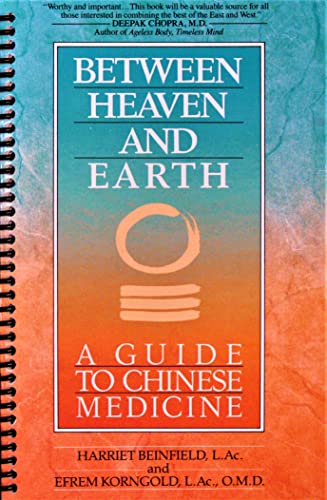
Between Heaven and Earth: A Guide to Chinese Medicine: Beinfield, Harriet, Korngold, Efrem
Harriet Beinfeld and Efrem Korngold, pioneers in the practice of acupuncture and herbal medicine in the United States for over eighteen years, <strong>explain the philosophy behind Chinese medicine, h

ProsourceFit Acupressure Mat and Pillow Set for Back/ ...
Amazon.com: ProsourceFit Acupressure Pillow Relief Relaxation
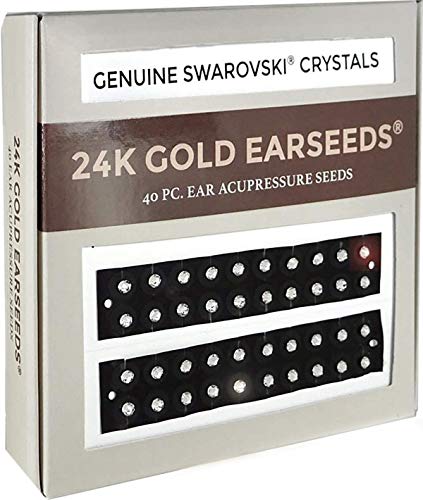
Ear Seeds: 24K Gold EarSeeds Acupressure Kit - 40 Pieces - Ear Seeds with Bonus Free Chart - Clear Latex-Free Tape - Auriculotherapy Pellets for Balance & Wellness
PROMOTE WELLNESS AND BALANCE: Stimulate the pressure points in your ear and enjoy the immense health benefits of traditional Chinese ear acupressure with the guidance of our bonus charts for Shen Men,
Evidence & Sources
Promising research with growing clinical support from multiple studies
- National Center for Complementary and Integrative Health (NCCIH)
- World Health Organization (WHO)
- The Journal of Pain
- BMJ
- JAMA Internal Medicine
- Cochrane Reviews
- Annals of Internal Medicine
- PAIN
This content is for informational purposes only and does not constitute medical advice. Always consult a qualified healthcare provider before starting, stopping, or changing any supplement or medication regimen.