

Acupuncture and Chemotherapy-induced nausea and vomiting (CINV)
Chemotherapy-induced nausea and vomiting (CINV) remains one of the most distressing side effects of cancer treatment despite modern antiemetic drugs. Many patients and oncology teams explore acupuncture and acupressure as add-on strategies. Research suggests that stimulating the P6 (Neiguan) acupoint—via manual acupuncture, electroacupuncture, acupressure wristbands, or transcutaneous electrical stimulation—can modestly reduce acute vomiting and, to a lesser extent, nausea when combined with standard antiemetics. Several randomized trials and meta-analyses report small-to-moderate benefits, most consistently for acute vomiting within the first 24 hours after chemotherapy. Effects on delayed and anticipatory nausea are less consistent. Differences between true and sham acupuncture are often small, likely because many sham methods still stimulate nerves and points, and because expectancy/placebo effects contribute meaningfully to symptom relief. Mechanistically, P6 stimulation appears to modulate vagal tone and brainstem centers (nucleus tractus solitarius, area postrema) involved in the emetic reflex, influence serotonergic signaling relevant to 5‑HT3 pathways, and trigger endogenous opioid release. These actions may complement, rather than replace, standard antiemetics such as 5‑HT3 and NK1 receptor antagonists and dexamethasone. No meaningful pharmacokinetic interactions are known; integration is typically additive. Safety for oncology patients centers on meticulous infection control and bleeding risk. Sterile, single-use needles and clean-needle technique are essential. Needling is commonly modified or postponed during severe neutropenia (infection risk) or significant thrombocytopenia (bleeding/bruising risk). Practitioners avoid areas near central lines/ports, surgical/radiation sites, and lymphedematous limbs. Electroacupuncture is generally avoided in those with implanted electrical devices. Coordination with the oncology team helps tailor timing (often just
Updated September 8, 2026This content is for informational purposes only and does not constitute medical advice. Always consult a qualified healthcare provider before starting, stopping, or changing any supplement or medication regimen.
Overlapping Treatments
P6 (Neiguan) acupressure wristbands
Moderate EvidenceNoninvasive method that stimulates a canonical acupuncture point using sustained pressure or a button; easy self-care between sessions.
May reduce acute nausea/vomiting and improve perceived control when used around chemotherapy days.
Correct placement matters; potential for skin irritation; benefit varies across regimens.
Manual acupuncture at P6, ST36, CV12 (and related points)
Moderate EvidenceCore needle-based approach used by licensed acupuncturists; targets neural pathways implicated in emesis.
Adjunct to antiemetics that can modestly reduce acute vomiting and nausea severity in some trials.
Modify/avoid needling with severe neutropenia or thrombocytopenia; avoid near ports/lines and recent surgical or radiation sites.
Electroacupuncture (EA)
Moderate EvidenceApplies low-frequency current across needles to strengthen neuromodulatory effects.
Some RCTs show fewer emesis episodes in highly emetogenic regimens when added to antiemetics.
Avoid with implanted cardiac/electrical devices; monitor for increased stimulation sensitivity during treatment.
Transcutaneous electrical acustimulation at P6 (TENS/nerve-stimulation bands)
Moderate EvidenceNeedle-free electrical stimulation over P6 for patients who cannot be needled.
May reduce acute nausea and need for rescue antiemetics when used peri-chemotherapy.
Device fit/placement critical; avoid over broken skin; check compatibility in clinical settings.
Auricular acupuncture or ear acupressure (seeds)
Emerging ResearchTargets auricular points linked to autonomic regulation; can be continued between visits via seeds.
Some studies suggest symptom reduction; evidence less consistent than for P6 stimulation.
Skin sensitivity; benefit likely smaller than body P6-based methods.
Integrative protocol: acupuncture plus standard antiemetics (5‑HT3 antagonist, NK1 antagonist, dexamethasone)
Moderate EvidenceReflects common real-world practice of combining modalities.
Can provide additive control of acute vomiting and improve patient-reported outcomes vs. drugs alone in some studies.
Continue evidence-based antiemetics; coordinate timing with infusion schedules and lab counts.
Relaxation/guided imagery alongside acupuncture
Emerging ResearchEnhances expectancy and autonomic regulation that contribute to acupuncture’s effects.
May help anticipatory/conditioned nausea and overall distress.
Requires patient engagement; best as an adjunct, not a replacement for antiemetics.
Ginger (as an adjunct, when appropriate)
Emerging ResearchCommonly paired in integrative plans; mechanisms overlap with serotonergic modulation.
Evidence mixed for chemotherapy nausea; may help some patients; discuss for interactions.
Potential interactions and GI effects; should be reviewed with the oncology team.
Medical Perspectives
Two Ways of Seeing Health

Western
scientific · clinical
Western medicine applies science, technology, and clinical experience to treat symptoms through testing, diagnosis, and targeted intervention.
Surgeons · Pharmaceuticals · Clinical trials · Diagnostics 
Eastern
traditional · alternative
Eastern medicine focuses on treating the body naturally by applying traditional knowledge practiced for thousands of years, emphasizing balance and whole-person wellness.
Acupuncture · Herbal medicine · Yoga · Meditation
Gold Bamboo presents both perspectives side-by-side so you can make informed decisions. We don't advocate for one over the other — your health choices are yours.
Two Ways of Seeing Health
Western
scientific · clinical
Western medicine applies science, technology, and clinical experience to treat symptoms through testing, diagnosis, and targeted intervention.
Eastern
traditional · alternative
Eastern medicine focuses on treating the body naturally by applying traditional knowledge practiced for thousands of years, emphasizing balance and whole-person wellness.
Gold Bamboo presents both perspectives side-by-side so you can make informed decisions. We don't advocate for one over the other — your health choices are yours.
Western Perspective
Western clinical research views acupuncture/acupressure as adjunctive options for CINV, with the most consistent benefits seen for acute vomiting within 24 hours post-chemotherapy when P6 is stimulated. Effects on nausea intensity, delayed symptoms, and anticipatory nausea are less robust and heterogeneous. Mechanisms likely include modulation of vagal and brainstem pathways and serotonergic signaling, supporting complementary use with guideline-directed antiemetics.
Key Insights
- P6 stimulation reduces acute vomiting risk in several meta-analyses, though effect sizes are small-to-moderate and heterogeneity is high.
- True vs sham differences are often small; sham methods may inadvertently stimulate neuromodulatory pathways, and expectancy contributes to outcomes.
- Add-on acupuncture may reduce rescue antiemetic use and improve patient-reported outcomes without known pharmacokinetic interactions.
- Evidence is weaker for delayed and anticipatory nausea; behavioral strategies may be needed in combination.
- Safety in oncology hinges on infection control and bleeding risk management; modification or postponement is appropriate during severe cytopenias.
Treatments
- P6-focused manual acupuncture
- Electroacupuncture adjunct to antiemetics
- P6 acupressure or TENS bands
- Auricular acupuncture/ear seeds
- Behavioral strategies integrated with standard antiemetics
Deep Dive
From a Western clinical perspective, chemotherapy triggers emesis through peripheral and central pathways. Enterochromaffin cells release seroto... From a Western clinical perspective, chemotherapy triggers emesis through peripheral and central pathways. Enterochromaffin cells release serotonin that activates 5‑HT3 receptors on vagal afferents, signaling to the nucleus tractus solitarius and area postrema; substance P acting on NK1 receptors, dopaminergic inputs, and higher cortical conditioning also play roles. Antiemetic regimens target these nodes, yet nausea and occasional vomiting persist for many patients. Acupuncture and acupressure have been studied as adjuncts, with a focus on stimulating P6 (Neiguan) and related points. Randomized trials and meta-analyses report that P6 stimulation—via needles, electrical current, or noninvasive devices—can reduce acute vomiting risk and the need for rescue antiemetics when added to standard drugs. Effects on nausea intensity and delayed or anticipatory phases are more variable. Importantly, comparisons between true and sham acupuncture often yield small differences. This likely reflects the difficulty of blinding in acupuncture research and the fact that many sham techniques provide some sensory or point-adjacent stimulation, which may itself modulate vagal and central pathways. Expectancy and contextual effects further influence symptom reports. Even acknowledging these limitations, the totality of evidence supports offering P6-based stimulation as an adjunct for patients seeking additional nonpharmacologic options. Biologically, mechanistic studies lend plausibility: P6 stimulation appears to influence vagal tone, brainstem emetic centers, and serotonergic signaling, and it may engage endogenous opioids. Because these mechanisms are partially distinct from those of 5‑HT3/NK1 antagonists and corticosteroids, additive benefit is reasonable and pharmacokinetic interactions are not expected. Safety in oncology focuses on avoiding infection and bleeding: single-use sterile needles, deferring or modifying needling during profound neutropenia or thrombocytopenia, avoiding needle placement near ports/lines and recent surgical or radiation fields, and skipping electroacupuncture in patients with implanted electrical devices. Practical integration typically involves treatment shortly before or on the day of chemotherapy, with follow-up or self-administered acupressure for several days afterward. Realistic expectations are a small-to-moderate average benefit with substantial individual variability, best tracked by simple symptom diaries and rescue medication logs while maintaining adherence to guideline-based antiemetics.
Sources
- Shen J et al. JAMA. 2000;284(21):2755-2761.
- Ezzo J et al. J Clin Oncol. 2005;23(29):7188-7198.
- Molassiotis A et al. Support Care Cancer. 2007;15:1343-1351.
- Dibble SL et al. Oncol Nurs Forum. 2007;34(1):E1-E8.
- Hesketh PJ et al. J Clin Oncol. 2020;38(24):2782-2797 (ASCO Antiemetic Guideline).
- NCCN Clinical Practice Guidelines in Oncology: Antiemesis. Version 2023.
- MASCC/ESMO Antiemetic Guidelines. Ann Oncol. 2016;27(suppl 5):v119–v133.
Eastern Perspective
In Traditional Chinese Medicine (TCM), chemotherapy can disturb Spleen and Stomach function, constrain Liver Qi, generate Phlegm-Damp, and create toxic Heat, all of which may cause rebellious Stomach Qi manifesting as nausea and vomiting. Acupuncture aims to harmonize the Middle Jiao, descend Stomach Qi, strengthen Spleen Qi, and calm the Shen. P6 (Neiguan) is used to regulate the Penetrating/Pericardium channels and harmonize the Stomach; ST36 (Zusanli) supports Spleen/Stomach Qi; CV12 (Zhongwan) and SP4 (Gongsun) further harmonize and descend Qi. Auricular points may support autonomic balance. In integrative settings, non-insertive acupressure or seeds are emphasized during periods of low counts.
Key Insights
- Pattern differentiation (e.g., Stomach Qi rebellion with Damp-Phlegm) guides point selection beyond P6 alone.
- Gentle, harmonizing techniques are favored during chemotherapy; moxibustion and strong stimulation are often minimized.
- Ear seeds and self-acupressure extend care between clinic visits and support patient agency.
- Herbal formulas traditionally address nausea but require oncology-informed oversight due to potential herb–drug interactions.
- The therapeutic relationship, expectation, and ritual are acknowledged as part of the healing response.
Treatments
- Body acupuncture at P6, ST36, CV12, SP4, LR3 as indicated
- Auricular acupuncture/ear seeds
- Self-acupressure at P6 and CV12
- Breathwork and Qi regulation practices (e.g., qigong) as tolerated
- Careful consideration of Chinese herbal medicine only with oncology input
Deep Dive
In Traditional Chinese Medicine, chemotherapy is understood to disrupt the harmonious transformation and transportation functions of the Spleen ... In Traditional Chinese Medicine, chemotherapy is understood to disrupt the harmonious transformation and transportation functions of the Spleen and Stomach, constrain the free coursing of Liver Qi, and generate Phlegm-Damp and toxic Heat. The clinical picture of nausea and vomiting is framed as rebellious Stomach Qi, often compounded by Qi deficiency from ongoing treatment. Acupuncture addresses both the branch (symptom) and root (pattern). P6 (Neiguan) harmonizes the Stomach, regulates Qi, and calms the Shen; ST36 (Zusanli) fortifies Spleen and Stomach Qi to restore proper descent; CV12 (Zhongwan) settles the epigastrium; SP4 (Gongsun) and LR3 (Taichong) help move constrained Qi and resolve Damp. Auricular points further balance autonomic function and provide a tangible, ongoing anchor for symptom control through ear seeds. Gentle techniques, brief needle retention, and patient-led self-acupressure are emphasized during chemotherapy cycles to respect reduced vitality. This lens naturally aligns with integrative care. Pattern differentiation allows point adjustment when Damp-Phlegm predominates (adding ST40) or when Qi deficiency is marked (reinforcing ST36 and CV6). Breathing practices and mindfulness are harnessed to steady the Shen and mitigate anticipatory nausea. While classical herbal formulas exist for nausea, modern practice stresses caution because of herb–drug interaction potential; any botanical support is undertaken only with oncology-informed supervision. The therapeutic relationship—attunement, reassurance, and continuity across cycles—is considered part of the medicine and may enhance expectancy and adherence to self-care. The TCM framework thus complements biomedical models: where Western science describes vagal and serotonergic modulation, TCM speaks of harmonizing the Middle and descending rebellious Qi. In practice, both perspectives converge on a reasonable clinical pathway: use acupuncture/acupressure as a safe, patient-centered adjunct timed around chemotherapy, monitor response closely, and adapt the approach to the individual’s constitution and treatment plan.
Sources
- Deadman P, Al-Khafaji M, Baker K. A Manual of Acupuncture. 2nd ed.
- World Health Organization. WHO Standard Acupuncture Point Locations. 2008.
- Zhang Y et al. J Altern Complement Med. 2014;20(6):A systematic review on acupoint stimulation for CINV.
- Hui KK-S et al. Hum Brain Mapp. 2000;9:13–25 (neuroimaging of acupuncture).
Evidence Ratings
P6 acupoint stimulation reduces acute vomiting when added to standard antiemetics in chemotherapy.
Ezzo J et al. J Clin Oncol. 2005;23(29):7188-7198 (meta-analysis).
Electroacupuncture can decrease emesis episodes with highly emetogenic regimens when combined with antiemetics.
Shen J et al. JAMA. 2000;284(21):2755-2761 (RCT).
Effects on delayed nausea and anticipatory nausea are inconsistent across trials.
Ezzo J et al. J Clin Oncol. 2005;23(29):7188-7198; Molassiotis A et al. Support Care Cancer. 2007;15:1343-1351.
Differences between true and sham acupuncture for CINV are often small, suggesting nonspecific and shared physiological effects.
Shen J et al. JAMA. 2000;284(21):2755-2761; trial-level analyses in meta-reviews.
P6 stimulation likely modulates vagal/brainstem pathways and serotonergic signaling involved in emesis.
Hui KK-S et al. Hum Brain Mapp. 2000;9:13–25; neurophysiology of emetic pathways (review literature).
Acupuncture/acupressure can be integrated safely in oncology with modifications during neutropenia/thrombocytopenia.
NCCN Antiemesis v2023 (nonpharm adjuncts, safety principles); Witt CM et al. Arch Intern Med. 2009;169(8):758–763 (large safety series).
Sources
- Shen J, Wenger N, Glaspy J, et al. Electroacupuncture for control of chemotherapy-induced nausea and vomiting: a randomized controlled trial. JAMA. 2000;284(21):2755-2761.
- Ezzo J, Vickers AJ, Richardson MA, et al. Acupuncture-point stimulation for chemotherapy-induced nausea or vomiting. J Clin Oncol. 2005;23(29):7188-7198.
- Molassiotis A, Helin AM, Dabbour R, et al. The effectiveness of acupressure wristbands for chemotherapy-related nausea in women with breast cancer. Support Care Cancer. 2007;15:1343-1351.
- Dibble SL, Chapman J, Mack KA, Shih A. Acupressure for chemotherapy-induced nausea and vomiting. Oncol Nurs Forum. 2007;34(1):E1-E8.
- Hesketh PJ, Kris MG, Basch E, et al. Antiemetics: ASCO Guideline Update. J Clin Oncol. 2020;38(24):2782-2797.
- NCCN Clinical Practice Guidelines in Oncology: Antiemesis. Version 2023. National Comprehensive Cancer Network.
- Roila F, Molassiotis A, Herrstedt J, et al. 2016 MASCC/ESMO Antiemetic Guideline Update. Ann Oncol. 2016;27(suppl 5):v119–v133.
- Hui KK-S, Liu J, Makris N, et al. Acupuncture modulates limbic and subcortical gray structures of the human brain: evidence from fMRI. Hum Brain Mapp. 2000;9:13–25.
- Witt CM, Pach D, Brinkhaus B, et al. Safety of acupuncture: results of a prospective observational study with 229,230 patients. Arch Intern Med. 2009;169(8):758–763.
- World Health Organization. WHO Standard Acupuncture Point Locations. 2008.
Related Topics
Recommended Products
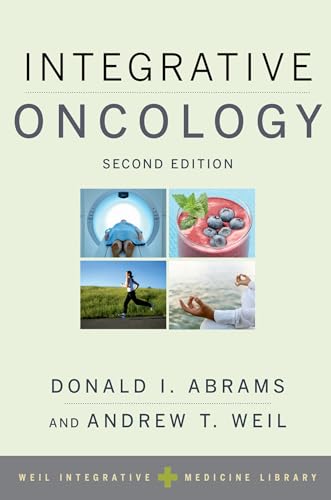
Integrative Oncology (Weil Integrative Medicine Library)
Integrative Oncology, the first volume in the Weil Integrative Medicine Library, <strong>provides a wealth of information for both practitioners and consumers on the emerging field of integrative onco
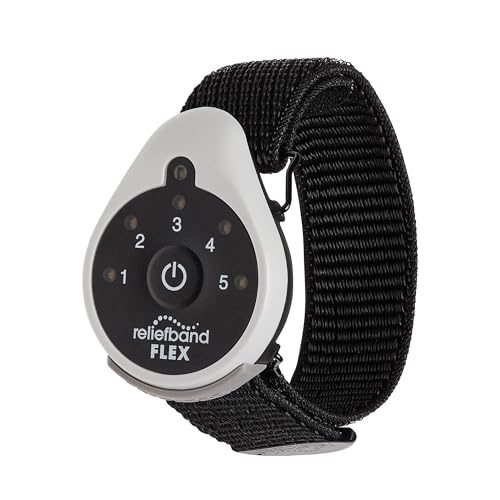
Reliefband Flex Anti-Nausea Wristband for Motion Sickness, Morning Sickness, Travel & Vomiting Relief – FDA Cleared, Drug-Free, Fast-Acting Nausea Relief Band
Perfect for Travel & Daily Life: Say goodbye to motion sickness on road trips, cruises, planes, and amusement parks. Reliefband also <strong>helps with nausea from morning sickness, migraines, anx

Sea-Band Anti-Nausea Acupressure Wristband for Motion & Morning Sickness, 1 Pair, Gray
Completely natural, Sea-Band uses acupressure wristbands to gently restore balance to your body. No drugs. No side effects. Clinically tested. <strong>Suitable for most types of sickness and nausea</s
Health Disclaimer
This content is for informational purposes only and does not constitute medical advice. Always consult a qualified healthcare provider before starting, stopping, or changing any supplement or medication regimen.