

Chronic Pain
Chronic Pain: Overview
Chronic pain generally refers to pain that persists beyond expected tissue healing time, often lasting more than 3 months. It is not simply an extended version of acute pain; rather, it is increasingly understood as a complex condition involving the nervous system, immune signaling, psychological factors, sleep, stress, and social context. Chronic pain may occur after injury or illness, but it can also continue when no ongoing tissue damage is clearly identifiable. Common forms include low back pain, osteoarthritis-related pain, neuropathic pain, fibromyalgia, headache disorders, and widespread musculoskeletal pain.
From a public health perspective, chronic pain is highly significant. Large population studies and reports from organizations such as the CDC, NIH, and WHO indicate that chronic pain affects a substantial proportion of adults worldwide and is associated with reduced quality of life, impaired mobility, sleep disturbance, mood changes, work disability, and increased healthcare utilization. It often overlaps with conditions such as depression, anxiety, trauma-related symptoms, irritable bowel syndrome, and fatigue syndromes, highlighting that chronic pain is frequently a whole-person health issue rather than a purely local problem.
Modern pain science emphasizes that pain is an output of the nervous system shaped by many inputs. In chronic pain, processes such as peripheral sensitization and central sensitization may amplify pain signaling, meaning the body and brain can become more responsive to stimuli over time. This helps explain why some individuals experience persistent pain even after the initial injury has healed, or why pain intensity may seem disproportionate to imaging findings. At the same time, chronic pain is heterogeneous: inflammatory, neuropathic, nociplastic, and mixed pain mechanisms may all contribute, and these categories can overlap.
Because chronic pain is so multifactorial, many experts describe it as best understood through a biopsychosocial framework. This model recognizes biological contributors, but also the roles of sleep, stress physiology, physical conditioning, emotions, beliefs about pain, social support, and environmental demands. Balanced care often involves assessment for serious underlying causes while also acknowledging that pain experience is real, even when conventional tests do not fully explain symptoms. Individuals living with chronic pain are commonly encouraged to work with qualified healthcare professionals to clarify diagnosis, rule out urgent conditions, and develop an individualized plan.
Compare Treatment Options
Chronic pain usually refers to pain that lasts longer than 3 months or continues beyond the expected period of tissue healing. As reflected in related Gold Bamboo content on chronic pain, chronic back pain, headaches, and fibromyalgia, it is often not a single disease but a broad symptom pattern that can arise from many overlapping mechanisms. These may include ongoing tissue inflammation, nerve injury, joint degeneration, muscle tension, central sensitization, sleep disruption, stress, and mood-related factors. Because of this complexity, two people with the same pain intensity may respond very differently to the same treatment. In both Western and Eastern frameworks, chronic pain is often approached as a multifactorial condition that benefits from individualized care. Western medicine may emphasize diagnosis, rehabilitation, medications, procedural options, and pain neuroscience, while Eastern approaches may focus on restoring balance, easing stagnation, improving circulation, and reducing whole-body stress responses. Treatment options vary based on pain severity, duration, functional limitations, urgency, and personal preferences around risk and invasiveness. For many people, the most useful strategy is not a single therapy but a layered plan that addresses function, symptom relief, sleep, stress, and long-term self-management.
View treatment comparison (6 options)Medical Perspectives
Two Ways of Seeing Health

Western
scientific · clinical
Western medicine applies science, technology, and clinical experience to treat symptoms through testing, diagnosis, and targeted intervention.

Eastern
traditional · alternative
Eastern medicine focuses on treating the body naturally by applying traditional knowledge practiced for thousands of years, emphasizing balance and whole-person wellness.
Gold Bamboo presents both perspectives side-by-side so you can make informed decisions. We don't advocate for one over the other — your health choices are yours.
Western Medicine Perspective
Western / Conventional Medicine Perspective
In conventional medicine, chronic pain is approached as a diagnostic category and symptom complex with multiple possible mechanisms. Clinicians often distinguish among nociceptive pain (related to tissue injury or inflammation), neuropathic pain (arising from nerve injury or disease), and nociplastic pain (altered pain processing without clear tissue damage or nerve lesion, as seen in some cases of fibromyalgia). Evaluation may include medical history, physical examination, functional assessment, screening for mood and sleep disorders, and selective use of imaging or laboratory testing when red flags or specific diagnoses are suspected. Current guidelines increasingly caution against excessive reliance on imaging alone, as structural findings may not correlate well with pain severity.
Treatment in conventional settings is often multimodal. Research and major guidelines support combining approaches such as physical rehabilitation, exercise-based therapy, psychological therapies such as cognitive behavioral therapy, sleep optimization, education, and selected medications depending on pain type and patient context. Interventional procedures may be considered in some cases, and surgery is typically reserved for specific indications rather than nonspecific chronic pain alone. Over the past decade, there has been substantial reevaluation of long-term opioid therapy because of concerns about limited long-term benefit for many chronic pain conditions and significant risks including dependence, overdose, endocrine effects, constipation, and sedation.
A major shift in pain medicine has been toward function-centered care rather than focusing only on pain scores. Studies indicate that improving physical capacity, daily participation, sleep, and emotional well-being can be as clinically meaningful as reducing pain intensity. Conventional pain specialists also increasingly recognize the role of pain neuroscience education, trauma-informed care, and interdisciplinary pain programs. Patients with chronic pain are commonly advised to seek professional evaluation, particularly if pain is worsening, accompanied by neurologic symptoms, unexplained weight loss, fever, bowel or bladder changes, or other concerning features.
Eastern & Traditional Perspective
Eastern / Traditional Medicine Perspective
Traditional medical systems generally view chronic pain through a pattern-based, whole-system lens. In Traditional Chinese Medicine (TCM), chronic pain is often associated with concepts such as Qi and Blood stagnation, invasion of Wind-Cold-Damp, or underlying deficiencies affecting the Liver, Kidney, or Spleen systems depending on the pattern. Pain that is fixed and sharp may traditionally be linked with blood stasis, while heaviness and aching may be interpreted differently. TCM assessment typically considers pain location and quality together with sleep, digestion, emotional state, tongue appearance, and pulse patterns.
Within Ayurveda, chronic pain may be understood primarily in relation to Vata imbalance, particularly when pain is variable, dry, radiating, or associated with nervous system dysregulation. Other doshic patterns may also be considered, especially when inflammation, stiffness, digestive disturbance, or constitutional factors are prominent. Traditional Ayurvedic frameworks often connect chronic pain with digestion, tissue nourishment, stress load, lifestyle rhythm, and accumulation of imbalance over time.
Across TCM, Ayurveda, naturopathy, and other traditional systems, chronic pain is often approached with the idea that pain reflects impaired circulation, nervous system dysregulation, inflammation, constitutional weakness, or disrupted balance between body and mind. Modalities traditionally used may include acupuncture, manual therapies, movement practices such as tai chi or yoga, meditation, breathing practices, topical therapies, and botanical medicine. From an evidence perspective, some of these modalities—especially acupuncture, mindfulness-based approaches, and certain movement therapies—have been studied in chronic pain populations with mixed but sometimes favorable results, although quality varies by condition and study design. As with any chronic condition, traditional approaches are best considered in coordination with qualified healthcare practitioners, particularly when symptoms are severe, changing, or medically unexplained.
Related Topics
Acupuncture
Acupuncture — modality topic in the Gold Bamboo health ontology.
Cannabidiol
CBD — supplement topic in the Gold Bamboo health ontology.
Cognitive Behavioral Therapy
Cognitive Behavioral Therapy — modality topic in the Gold Bamboo health ontology.
Yoga
Yoga — modality topic in the Gold Bamboo health ontology.
How They Relate
Chronic Pain & Acupuncture
Chronic pain affects quality of life, sleep, mood, and function, and it is commonly managed with a blend of self-care, medications, rehabilitation, and in some cases procedures. Acupuncture—an East...
Chronic Pain & CBD
Chronic pain—lasting longer than three months—affects hundreds of millions of people and spans multiple mechanisms: nociceptive pain from tissue injury or inflammation, neuropathic pain from nerve ...
Chronic Pain & Cognitive Behavioral Therapy
Cognitive behavioral therapy (CBT) is a structured, skills-based psychological approach that helps people examine the links between thoughts, emotions, behaviors, and physical sensations. In chroni...
Chronic Pain & Depression (Major Depressive Disorder)
Chronic pain and depression frequently travel together, creating a bidirectional cycle where each condition can precipitate, amplify, and maintain the other. Epidemiologic studies show substantiall...
Chronic Pain & Yoga
Yoga is a mind–body practice that blends physical postures, breath control, and focused attention. Chronic pain is a multidimensional condition involving biomechanical strain, sensitized pain pathw...
Supplements & Products
Recommended Products
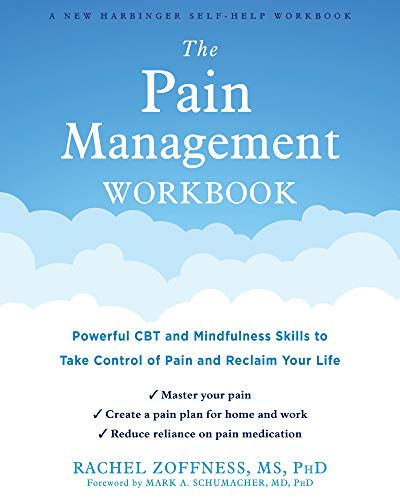
The Pain Management Workbook: Powerful CBT and Mindfulness Skills to Take Control of Pain and Reclaim Your Life: Zoffness MS PhD, Rachel, Schumacher MD PhD, Mark A.
The Pain Management Workbook: Powerful CBT and Mindfulness Skills to Take Control of Pain and Reclaim Your Life [Zoffness MS PhD, Rachel, Schumacher MD PhD, Mark A.] on Amazon.com. *FREE* shipping on

THORNE - Curcumin Phytosome 1000 mg (Meriva) - Clinically Studied, High Absorption - Supports Healthy Inflammatory Response in Joints, Muscles, GI Tract, Liver, Brain & Nerves* - 30 Servings
THORNE - Curcumin Phytosome 500 mg (Meriva) - Sustained Release, Clinically Studied - <strong>Supports Healthy Inflammatory Response in Joints, Muscles, GI Tract, Liver, Brain & Nerves</strong>* -

Salonpas Maximum OTC Strength Lidocaine 4% Pain Relieving Flex Patch, Apply for Up to 8 Hours, Unscented, Thin, Flexible, Lightweight, Patch Stays in Place, 7 Patches
HealthWise 4% Lidocaine Pain Relief Patch | Maximum OTC Strength | 25-Count | 3.93” x 5.51” | Soothes Minor Aches and Pains | Odor Free | Topical Anesthetic | Easy to Apply Flexible Adhesive · Aspercr
Evidence & Sources
Supported by multiple clinical trials and systematic reviews
- CDC — Chronic Pain
- National Institutes of Health (NIH) / National Institute of Neurological Disorders and Stroke
- International Association for the Study of Pain (IASP)
- World Health Organization (WHO) — Chronic pain and pain management
- NCCIH — Chronic Pain: In Depth
- The Lancet
- BMJ
- JAMA
- New England Journal of Medicine
- Cochrane Reviews
This content is for informational purposes only and does not constitute medical advice. Always consult a qualified healthcare provider before starting, stopping, or changing any supplement or medication regimen.