

Chronic Pain and Cognitive Behavioral Therapy
Cognitive behavioral therapy (CBT) is a structured, skills-based psychological approach that helps people examine the links between thoughts, emotions, behaviors, and physical sensations. In chronic pain, these factors can amplify suffering through patterns like catastrophizing (expecting the worst), fear-avoidance (reducing activity due to fear of pain), hypervigilance, poor sleep, and stress-related arousal. These processes can heighten pain perception and contribute to central sensitization—an over-responsive nervous system. CBT aims to interrupt these cycles, strengthen coping, and improve function and quality of life. Clinically, CBT is one of the most studied nonpharmacologic treatments for chronic pain. Meta-analyses and randomized trials show small-to-moderate improvements in pain intensity immediately after treatment, with more consistent benefits for physical function, mood, pain interference, and disability. Some gains, especially in function and mood, can persist for 6–12 months, while long-term pain intensity effects are variable. The strongest evidence is in chronic low back pain and fibromyalgia, with supportive data for osteoarthritis, temporomandibular disorders, and mixed chronic pain populations. CBT may also reduce pain catastrophizing and healthcare utilization and can be integrated into opioid-sparing care plans, though evidence for direct opioid dose reduction is still emerging. Core CBT techniques for pain include cognitive restructuring (challenging unhelpful pain-related thoughts), behavioral activation (rebuilding valued activities), activity pacing and graded exposure (safely increasing movement to counter deconditioning and fear), relaxation and stress-management (breathing, progressive muscle relaxation), sleep and coping skills (addressing insomnia that worsens pain), and problem-solving with relapse prevention (maintaining gains and planning for pain flares). These strategies target maladaptive appraisals, avoidance, arousal, and un
Updated September 8, 2026This content is for informational purposes only and does not constitute medical advice. Always consult a qualified healthcare provider before starting, stopping, or changing any supplement or medication regimen.
Overlapping Treatments
Exercise and Physical Therapy (including graded activity)
Strong EvidenceImproves function, reduces disability, counters deconditioning in chronic pain
Pairs with behavioral activation/exposure; provides concrete targets that reinforce CBT skills
Start low and progress gradually; adapt for medical comorbidities
Mindfulness-Based Stress Reduction (MBSR) / Mindfulness training
Moderate EvidenceReduces pain interference and improves function and mood in some conditions (e.g., low back pain)
Enhances attentional control and nonjudgmental awareness that complement cognitive restructuring
Effects on pain intensity are generally small; requires regular practice
Acceptance and Commitment Therapy (ACT)
Moderate EvidenceImproves functioning and psychological flexibility across chronic pain conditions
Shares behavioral roots with CBT; complements cognitive work with acceptance-based skills
Focuses less on challenging thoughts and more on values/acceptance; patient preference matters
CBT for Insomnia (CBT-I) and sleep hygiene
Moderate EvidenceImproves sleep continuity, which can reduce next-day pain sensitivity and fatigue
Targets arousal and unhelpful sleep beliefs that interact with pain-related cognitions
May transiently increase sleep restriction discomfort; monitor daytime sleepiness
Interdisciplinary Pain Rehabilitation (IPRP)
Strong EvidenceCombines medical care, PT/OT, and psychology to improve function in complex pain
Embeds CBT skills within team-based goals, enhancing adherence and generalization
Resource-intensive; access and insurance coverage vary
Biofeedback (heart rate variability, EMG)
Emerging ResearchMay reduce muscle tension and autonomic arousal contributing to pain
Provides objective feedback that reinforces relaxation and self-regulation skills learned in CBT
Equipment and trained providers needed; variable insurance coverage
Non-opioid pharmacotherapy (e.g., SNRIs, TCAs)
Moderate EvidenceCan reduce pain intensity and improve sleep/mood in select conditions
Stabilizes symptoms so patients can engage in CBT and practice skills
Side effects and contraindications require medical supervision
Acupuncture
Moderate EvidenceModest average pain relief and improved function across several chronic pain conditions
Can reduce arousal and muscle tension, supporting CBT relaxation and coping practice
Effects vary; requires trained practitioner; consider integration with conventional care
Medical Perspectives
Two Ways of Seeing Health

Western
scientific · clinical
Western medicine applies science, technology, and clinical experience to treat symptoms through testing, diagnosis, and targeted intervention.
Surgeons · Pharmaceuticals · Clinical trials · Diagnostics 
Eastern
traditional · alternative
Eastern medicine focuses on treating the body naturally by applying traditional knowledge practiced for thousands of years, emphasizing balance and whole-person wellness.
Acupuncture · Herbal medicine · Yoga · Meditation
Gold Bamboo presents both perspectives side-by-side so you can make informed decisions. We don't advocate for one over the other — your health choices are yours.
Two Ways of Seeing Health
Western
scientific · clinical
Western medicine applies science, technology, and clinical experience to treat symptoms through testing, diagnosis, and targeted intervention.
Eastern
traditional · alternative
Eastern medicine focuses on treating the body naturally by applying traditional knowledge practiced for thousands of years, emphasizing balance and whole-person wellness.
Gold Bamboo presents both perspectives side-by-side so you can make informed decisions. We don't advocate for one over the other — your health choices are yours.
Western Perspective
From a western, biopsychosocial perspective, CBT addresses the cognitive and behavioral processes that amplify chronic pain. Maladaptive appraisals (e.g., catastrophizing) and avoidance behaviors increase disability, distress, and central sensitization. CBT teaches cognitive and behavioral skills that modulate attention, emotion, and behavior, leveraging descending inhibitory pathways and improved self-efficacy to lessen pain impact.
Key Insights
- CBT yields small-to-moderate improvements in pain intensity post-treatment and more consistent benefits for function and mood; some benefits persist months after treatment
- Mechanisms include reductions in catastrophizing and fear-avoidance, increased activity and self-efficacy, improved sleep, and stress arousal reduction
- Best outcomes often occur when CBT is integrated with exercise/physical therapy in interdisciplinary programs
- Digital and telehealth formats can deliver clinically meaningful, though generally smaller, effects compared with in-person therapy
Treatments
- CBT-based pain coping skills training
- Graded exposure/activity pacing integrated with PT
- CBT for insomnia when sleep disturbance is present
- Interdisciplinary pain rehabilitation programs
Deep Dive
Chronic pain is sustained by interconnected biological, psychological, and social processes. Cognitive behavioral therapy (CBT) targets the modi... Chronic pain is sustained by interconnected biological, psychological, and social processes. Cognitive behavioral therapy (CBT) targets the modifiable psychological and behavioral contributors—catastrophizing, fear-avoidance, hypervigilance, dysregulated sleep, and stress arousal—that increase pain-related disability and can feed central sensitization. Through collaborative education and skills training, patients learn to identify unhelpful appraisals, test them against evidence, and replace them with more workable perspectives. In parallel, behavioral activation, activity pacing, and graded exposure help rebuild valued routines, counter deconditioning, and dismantle fear–avoidance cycles. Relaxation techniques and stress-management reduce sympathetic arousal, while CBT for insomnia improves sleep—a key amplifier of next-day pain sensitivity. Clinical evidence supports CBT as a core nonpharmacologic therapy in chronic pain. A 2020 Cochrane review found small-to-moderate post-treatment improvements in pain, disability, and mood, with the most consistent durability in functional and emotional outcomes across 6–12 months. Trials in chronic low back pain and fibromyalgia demonstrate meaningful gains in function and pain interference, with variable effects on pain intensity. Digital and telehealth CBT improve access and show beneficial, if typically smaller, effects compared with in-person therapy. Mechanistic studies point to reductions in catastrophizing and fear-avoidance as mediators of functional improvement, aligning with fear-avoidance and self-efficacy models. In practice, the greatest benefits often arise in interdisciplinary programs that integrate CBT with exercise or physical therapy, medical optimization, and patient education. For some, CBT can facilitate safer, more effective opioid-sparing plans, though high-quality evidence for direct dose reduction remains emergent. Expected timelines are typically 6–12 weekly sessions, with early gains in coping and activity tolerance that consolidate over months. Realistic goals emphasize improved function, self-efficacy, and quality of life rather than complete pain elimination, and progress is commonly tracked using tools such as pain interference scales, disability indices, and catastrophizing measures.
Sources
- Williams ACC, Fisher E, Hearn L, Eccleston C. Psychological therapies for the management of chronic pain (excluding headache) in adults. Cochrane Database Syst Rev. 2020.
- Cherkin DC et al. Effect of Mindfulness-Based Stress Reduction vs Cognitive Behavioral Therapy vs usual care for chronic low back pain. JAMA. 2016.
- Kamper SJ et al. Multidisciplinary biopsychosocial rehabilitation for chronic low back pain. Cochrane Database Syst Rev. 2015.
- Ehde DM, Dillworth TM, Turner JA. Cognitive-behavioral therapy for individuals with chronic pain. Am Psychol. 2014.
- Heapy AA et al. Interactive voice response–based CBT for chronic back pain. JAMA Intern Med. 2017.
Eastern Perspective
Traditional Eastern systems view chronic pain through mind–body unity: disturbances in vital energy, emotion, and lifestyle co-create suffering. In Traditional Chinese Medicine (TCM), pain often reflects Qi and Blood stagnation, sometimes with cold or dampness; unregulated emotions can disturb the Heart–Shen (mind) and Liver, intensifying pain. Ayurveda frames chronic pain in terms of aggravated Vata (movement principle) and accumulated Ama (metabolic residue), with stress and sleep disturbance as key aggravators. CBT aligns with these systems by cultivating awareness, emotional regulation, and adaptive action, complementing practices like meditation, yoga, qigong, and acupuncture that calm the nervous system and restore balance.
Key Insights
- Meditative attention and nonjudgmental awareness (as in mindfulness) reduce reactivity to pain sensations, complementing CBT’s cognitive skills
- Yoga and qigong integrate breath, posture, and attention to reduce muscle tension and arousal, paralleling CBT relaxation and pacing
- Acupuncture can reduce pain and may facilitate engagement in rehabilitative activity and CBT homework
- An integrative plan that harmonizes lifestyle (sleep, diet, pacing) with mental training reflects both CBT and Eastern emphasis on daily practice
Treatments
- Mindfulness meditation or MBSR
- Yoga therapy with gentle asana and breathwork
- Qigong/Tai Chi for movement and regulation of breath/attention
- Acupuncture alongside CBT-based coping skills
Deep Dive
Traditional Eastern perspectives emphasize the inseparability of mind, body, and environment in the experience of pain. In Traditional Chinese M... Traditional Eastern perspectives emphasize the inseparability of mind, body, and environment in the experience of pain. In Traditional Chinese Medicine (TCM), chronic pain often reflects Qi and Blood stagnation, sometimes compounded by cold or dampness, with emotional strain disrupting the Heart–Shen and Liver’s regulating functions. Ayurveda frames chronic pain as aggravated Vata and accumulated Ama, with stress, irregular routines, and poor sleep as key drivers. Across these traditions, mental training, breath regulation, and balanced daily rhythms are central to restoring harmony. CBT complements these principles by cultivating awareness of mental patterns and encouraging adaptive action. Mindfulness practices—rooted in Buddhist contemplative traditions and now integrated with CBT in programs like MBSR—train nonjudgmental attention to sensations and thoughts, reducing reactivity to pain. Yoga therapy and qigong blend posture, gentle movement, and breath to lower arousal, release muscle guarding, and build confidence in movement, paralleling CBT’s graded exposure and relaxation. Acupuncture, a core TCM modality, may reduce pain intensity for some chronic pain conditions and can create a window of decreased arousal that supports engagement with CBT homework. An integrative plan might weave CBT’s cognitive restructuring and pacing with mindfulness, yoga or qigong, sleep regularization, and, where appropriate, acupuncture or herbal guidance under qualified care. This approach resonates with Eastern emphasis on daily practice and gradual rebalancing, as well as Western evidence that multimodal, behaviorally focused care improves function. Expectations remain grounded: consistent practice aims to reduce suffering and improve participation in life. Over time, patients may experience less distress, more flexible attention, steadier sleep, and greater ease of movement, even if pain sensations persist. Collaboration among practitioners—psychologists, rehabilitation therapists, and traditional medicine providers—helps align strategies and support sustainable change.
Sources
- Vickers AJ et al. Acupuncture for chronic pain: update of individual patient data meta-analysis. J Pain. 2018.
- Cramer H et al. Yoga for chronic low back pain: meta-analysis. Cochrane Database Syst Rev. 2017.
- Cherkin DC et al. JAMA. 2016 (MBSR vs CBT)
- Wayne PM, Kaptchuk TJ. Challenges in research on Tai Chi and Qigong. J Altern Complement Med. 2008.
Evidence Ratings
CBT improves pain-related disability and mood in adults with chronic pain compared with usual care post-treatment
Williams ACC et al. Cochrane Database Syst Rev. 2020
CBT produces small average reductions in pain intensity that may diminish at long-term follow-up
Williams ACC et al. Cochrane Database Syst Rev. 2020
For chronic low back pain, CBT improves function up to 6–12 months compared with usual care
Cherkin DC et al. JAMA. 2016
Internet/telehealth-delivered CBT yields small-to-moderate improvements in pain interference and function
Heapy AA et al. JAMA Intern Med. 2017; Buhrman M et al. Clin J Pain. 2016
Reductions in catastrophizing and fear-avoidance mediate functional improvement in CBT for chronic pain
Ehde DM et al. Am Psychol. 2014 (review of mediators)
Multidisciplinary biopsychosocial rehabilitation (including CBT) outperforms usual care for chronic low back pain
Kamper SJ et al. Cochrane Database Syst Rev. 2015
Behavioral pain interventions can support opioid-sparing care plans, with emerging evidence of reduced opioid use in some programs
Darnall BD et al. JAMA Netw Open. 2021 (behavioral pain classes); CDC Guideline 2022 (recommends behavioral therapies)
Mindfulness-based approaches can achieve outcomes comparable to CBT in some chronic low back pain trials
Cherkin DC et al. JAMA. 2016
Sources
- Williams ACC, Fisher E, Hearn L, Eccleston C. Psychological therapies for the management of chronic pain (excluding headache) in adults. Cochrane Database Syst Rev. 2020;4:CD007407.
- Cherkin DC, Sherman KJ, Balderson BH, et al. Effect of Mindfulness-Based Stress Reduction vs Cognitive Behavioral Therapy or Usual Care on Back Pain and Functional Limitations. JAMA. 2016;315(12):1240-1249.
- Kamper SJ, Apeldoorn AT, Chiarotto A, et al. Multidisciplinary biopsychosocial rehabilitation for chronic low back pain. Cochrane Database Syst Rev. 2015;9:CD000963.
- Ehde DM, Dillworth TM, Turner JA. Cognitive-behavioral therapy for individuals with chronic pain. Am Psychol. 2014;69(2):153-166.
- Heapy AA, Higgins DM, LaChappelle KM, et al. A randomized controlled trial of interactive voice response–based CBT for chronic back pain in veterans. JAMA Intern Med. 2017;177(6):765-773.
- Buhrman M, Gordh T, Andersson G. Internet interventions for chronic pain including headache: a systematic review. Clin J Pain. 2016;32(6):Via systematic review findings.
- Vickers AJ, Linde K. Acupuncture for chronic pain. J Pain. 2018;19(5):455-474.
- NICE Guideline NG193. Chronic pain (primary and secondary) in over 16s: assessment and management. 2021.
- Centers for Disease Control and Prevention. CDC Clinical Practice Guideline for Prescribing Opioids for Pain — United States, 2022.
- Darnall BD, Roy A, Chen AL, et al. Comparison of a single-session pain relief skills class with 8-session CBT for chronic low back pain: a randomized trial. JAMA Netw Open. 2021;4(8):e2113401.
Related Topics
Recommended Products
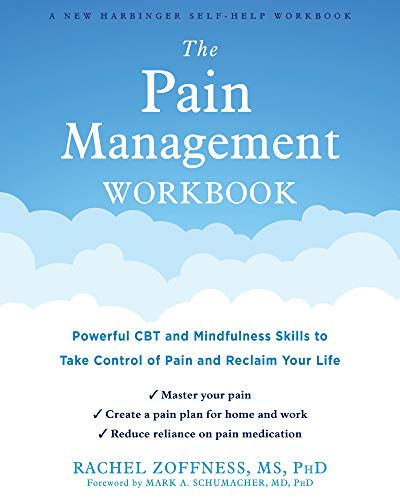
The Pain Management Workbook: Powerful CBT and Mindfulness Skills to Take Control of Pain and Reclaim Your Life: Zoffness MS PhD, Rachel, Schumacher MD PhD, Mark A.
The Pain Management Workbook: Powerful CBT and Mindfulness Skills to Take Control of Pain and Reclaim Your Life [Zoffness MS PhD, Rachel, Schumacher MD PhD, Mark A.] on Amazon.com. *FREE* shipping on
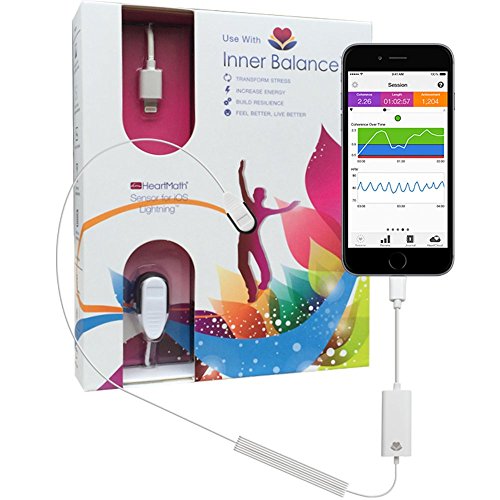
HeartMath Inner Balance Lightning
Research shows that when we are ... improved cognitive function. Inner Balance <strong>uses HeartMath's patented technology to monitor the subtle beat-to-beat changes in your heart rhythms</stron

A Guided Meditation To Help Ease Pain (Audible Audio Edition): Belleruth Naparstek, Belleruth Naparstek, Hay House LLC: Audible Books & Originals
The track list is as follows:1. Introduction (6:)2. Guided Imagery (14:46)3. Affirmations (22:41)<strong>This gentle but powerful pain relief meditation</strong> was written and narrated for Health Jo
Health Disclaimer
This content is for informational purposes only and does not constitute medical advice. Always consult a qualified healthcare provider before starting, stopping, or changing any supplement or medication regimen.