

Chronic Pain and CBD
Chronic pain—lasting longer than three months—affects hundreds of millions of people and spans multiple mechanisms: nociceptive pain from tissue injury or inflammation, neuropathic pain from nerve damage, and centralized pain where the nervous system amplifies signals (e.g., fibromyalgia). Many people prioritize better function, sleep, and mood, and hope to reduce reliance on opioids and other medications with burdensome side effects. These realities have fueled interest in cannabidiol (CBD), a non‑intoxicating component of Cannabis sativa, as a potential adjunct for pain care. CBD differs from tetrahydrocannabinol (THC) in that it does not cause euphoria. Mechanistically, CBD modulates the endocannabinoid system indirectly (e.g., via FAAH inhibition and endocannabinoid tone), interacts with serotonin 5‑HT1A, TRPV1, and glycine receptors, and exerts anti‑inflammatory and neuromodulatory effects. These actions provide biologic plausibility across pain types: anti‑inflammatory effects may be relevant to nociceptive pain such as osteoarthritis, while neuromodulation may influence neuropathic and centralized pain. What does human evidence show? For neuropathic pain, a small randomized trial of topical CBD reported reductions in pain intensity and unpleasantness compared with placebo, suggesting a possible role for localized symptoms. In osteoarthritis, an oral CBD trial in hand and psoriatic arthritis did not improve pain versus placebo, while small studies of topical preparations are mixed. In fibromyalgia, experimental work with cannabis chemovars indicates THC may drive short‑term analgesia, with CBD alone showing little effect. For back pain, evidence specific to CBD is scarce. Broader meta‑analyses of medical cannabis and cannabinoids (often including THC or THC:CBD combinations) find small average improvements in pain, sleep, and function; however, these results cannot be attributed to CBD alone. Observational studies suggest some people report improved symptoms
Updated August 8, 2026This content is for informational purposes only and does not constitute medical advice. Always consult a qualified healthcare provider before starting, stopping, or changing any supplement or medication regimen.
Medical Perspectives
Two Ways of Seeing Health

Western
scientific · clinical
Western medicine applies science, technology, and clinical experience to treat symptoms through testing, diagnosis, and targeted intervention.
Surgeons · Pharmaceuticals · Clinical trials · Diagnostics 
Eastern
traditional · alternative
Eastern medicine focuses on treating the body naturally by applying traditional knowledge practiced for thousands of years, emphasizing balance and whole-person wellness.
Acupuncture · Herbal medicine · Yoga · Meditation
Gold Bamboo presents both perspectives side-by-side so you can make informed decisions. We don't advocate for one over the other — your health choices are yours.
Two Ways of Seeing Health
Western
scientific · clinical
Western medicine applies science, technology, and clinical experience to treat symptoms through testing, diagnosis, and targeted intervention.
Eastern
traditional · alternative
Eastern medicine focuses on treating the body naturally by applying traditional knowledge practiced for thousands of years, emphasizing balance and whole-person wellness.
Gold Bamboo presents both perspectives side-by-side so you can make informed decisions. We don't advocate for one over the other — your health choices are yours.
Western Perspective
Western clinical research on CBD for chronic pain is evolving. CBD’s plausible mechanisms include modulation of endocannabinoid signaling, anti-inflammatory activity, and effects on central pain processing. However, high‑quality randomized trials of CBD alone remain limited, and many positive findings in cannabis research involve THC or THC:CBD combinations. Current guidance suggests CBD may be considered as an adjunct in selected patients after standard therapies, with realistic expectations and attention to safety and product quality.
Key Insights
- Evidence for CBD alone is limited and condition‑specific; topical formulations show early promise for localized neuropathic pain.
- Oral CBD has not consistently outperformed placebo in osteoarthritis and other musculoskeletal conditions studied to date.
- Meta‑analyses of cannabinoids show small average pain and function improvements, but most trials include THC, limiting conclusions about CBD specifically.
- Observational data suggest possible opioid‑sparing effects when cannabinoids are added; rigorous RCT confirmation for CBD alone is lacking.
- Safety considerations include sedation, gastrointestinal effects, liver enzyme elevations, and clinically relevant drug–drug interactions via CYP450 inhibition.
Treatments
- Topical CBD preparations for localized peripheral neuropathic symptoms
- Adjunctive non‑inhaled cannabinoid therapies where legal and clinically appropriate
- Multimodal pain care: exercise therapy, physical therapy, psychological therapies (e.g., CBT), sleep optimization
- Standard analgesics (e.g., NSAIDs/acetaminophen) and adjuvants (e.g., SNRIs, TCAs, gabapentinoids) per guidelines
Deep Dive
From a western biomedical perspective, the promise of CBD for chronic pain rests on coherent mechanisms but a still‑developing human evidence ba... From a western biomedical perspective, the promise of CBD for chronic pain rests on coherent mechanisms but a still‑developing human evidence base. CBD’s pharmacology—indirect modulation of the endocannabinoid system alongside interactions with serotonin, TRPV1, and glycine receptors—offers multiple theoretical entry points into pain signaling and inflammation. Clinically, however, much of the higher‑certainty literature in cannabinoids pertains to THC or balanced THC:CBD products, which show small average benefits in meta‑analyses for pain, sleep, and function. When trials isolate CBD, results are mixed: an RCT of topical CBD demonstrated improvements in peripheral neuropathic pain, suggesting localized anti‑hyperalgesic effects, while an oral CBD trial in hand osteoarthritis and psoriatic arthritis did not outperform placebo. For centralized pain such as fibromyalgia, experimental work suggests THC may account for observed short‑term analgesia, with CBD alone contributing little to immediate pain relief. This pattern shapes realistic expectations. For some patients, especially those with focal neuropathic symptoms, topical CBD may offer incremental relief with a favorable psychoactive profile. Oral CBD’s role remains uncertain; benefits, when present, may be modest and individualized. Observational reports of reduced opioid use after initiating cannabinoids are encouraging but do not establish causality for CBD alone. Safety and stewardship are central: CBD can cause somnolence, gastrointestinal symptoms, and, at higher exposures, liver enzyme elevations. It inhibits cytochrome P450 enzymes (notably CYP3A4 and CYP2C19), interacting with medications such as warfarin, clobazam, and certain antidepressants and antiepileptics. Quality control is another concern; mislabeled over‑the‑counter products and variable THC contamination are documented. Within guideline‑based care, CBD may be discussed as an adjunct after first‑line therapies—physical therapy, exercise, psychological strategies, sleep optimization, and, where indicated, non‑opioid and neuropathic agents—have been optimized. Legal status varies, and regulatory oversight for non‑prescription CBD products remains limited. Priority research gaps include standardized CBD‑only formulations, dose‑response characterization, condition‑specific trials (neuropathic, osteoarthritis, back pain, centralized pain), long‑term safety, and rigorous evaluation of potential opioid‑sparing effects.
Sources
- BMJ Rapid Recommendation/Guideline on medical cannabinoids for chronic pain (2021)
- IASP 2021 task force statement on cannabis and pain
- Cochrane Review: Cannabis‑based medicines for neuropathic pain (2018, updates)
- Randomized controlled trials of CBD (topical in neuropathy; oral in osteoarthritis/psoriatic arthritis)
Eastern Perspective
In traditional systems, cannabis has long been described for pain and spasm, though historical use often involved whole‑plant preparations. In Traditional Chinese Medicine (TCM), cannabis was noted in classical texts for analgesia and sedation; in Ayurveda, Bhanga/Vijaya was prepared carefully and used for pain and sleep disturbances. CBD as an isolated constituent is modern, but its calming, anti‑inflammatory, and antispasmodic qualities align with goals such as moving qi and blood, pacifying Vata, and settling the shen. Contemporary integrative practitioners may view CBD as a gentler, non‑intoxicating way to access some benefits historically attributed to cannabis while minimizing psychoactivity associated with THC.
Key Insights
- Whole‑plant cannabis historically used for pain; CBD isolation reframes traditional knowledge into a non‑intoxicating option.
- Conceptual parallels: endocannabinoid homeostasis with yin‑yang balance or doshic equilibrium, especially for Vata‑driven pain and sleep disruption.
- Topical and sublingual routes fit traditional emphases on local and systemic balancing.
- Integration with acupuncture, movement (tai chi/yoga), and anti‑inflammatory diets may enhance outcomes holistically.
Treatments
- Whole‑plant, low‑THC hemp extracts standardized for CBD (where legal)
- Topical hemp/CBD liniments for localized pain
- Adjunct modalities: Acupuncture, yoga/tai chi, mindfulness‑based stress reduction
- Herbal formulas aimed at moving blood and calming shen or pacifying Vata (practitioner‑guided)
Deep Dive
Traditional medical systems have long engaged cannabis for pain, though not in the modern form of purified CBD. In TCM, cannabis appears in clas... Traditional medical systems have long engaged cannabis for pain, though not in the modern form of purified CBD. In TCM, cannabis appears in classical texts as a plant with analgesic and sedative properties; in Ayurveda, Bhanga/Vijaya was traditionally prepared to calm pain, ease spasm, and support sleep. The contemporary isolation of CBD can be viewed as a selective way to harness attributes historically valued—calming the spirit (shen), easing obstruction of qi and blood, and pacifying excess wind or Vata—while limiting intoxication associated with THC. From an integrative lens, the endocannabinoid system’s role in maintaining homeostasis resonates with concepts of yin–yang balance or doshic equilibrium. Pain is often understood as stagnation or imbalance; CBD’s anti‑inflammatory and neuromodulatory effects may support flow and restoration. In practice, eastern‑informed approaches often emphasize synergy. CBD, as a non‑intoxicating component of hemp, may be considered alongside acupuncture to regulate channels and reduce hyperalgesia, movement arts (tai chi or yoga) to restore biomechanics and down‑regulate the stress response, and mindfulness practices to reduce catastrophizing and central amplification. Topical CBD preparations fit the traditional emphasis on local treatment of painful points, while sublingual preparations map to systemic balancing when sleep disturbance, anxiety, or widespread discomfort are present. Herbal strategies focused on moving blood and calming the nervous system may be combined when appropriate under practitioner guidance. Traditional cautions translate to modern prudence: quality and preparation matter, and the individual’s constitution, co‑morbidities, and concurrent medicines shape suitability. Contemporary evidence indicates that CBD is generally well tolerated but may cause sedation and interact with other drugs; this dovetails with eastern attention to gentle titration and observation. Ultimately, an integrative plan aligns CBD’s potential with lifestyle, movement, mind–body practices, and, when needed, conventional analgesics—seeking functional improvement and quality of life while minimizing harm.
Sources
- Shennong Bencao Jing and later TCM materia medica referencing cannabis for analgesia
- Ayurvedic texts referencing Bhanga/Vijaya for pain and sleep disturbances
- Modern integrative reviews bridging ECS and traditional frameworks
Evidence Ratings
Non‑inhaled cannabinoid products produce small average improvements in chronic pain and sleep, but most trials include THC, limiting conclusions about CBD alone.
BMJ 2021 living systematic review and guideline on medical cannabis/cannabinoids for chronic pain (Busse et al.)
Evidence specifically for CBD‑only products in chronic pain is limited and heterogeneous across conditions.
IASP 2021 Position Statement: lack of sufficient evidence to endorse cannabinoids for pain; CBD‑only data sparse
Topical CBD reduced peripheral neuropathic pain intensity versus placebo in a small randomized controlled trial.
Xu DH et al., Current Pharmaceutical Biotechnology, 2020
Oral CBD did not significantly improve pain in hand osteoarthritis and psoriatic arthritis compared with placebo in a randomized trial.
Fitzcharles M‑A et al., Arthritis Care & Research, 2021
In fibromyalgia, short‑term analgesia appears driven by THC‑containing preparations; CBD alone showed no significant effect in experimental models.
van de Donk T et al., Pain, 2019
Observational studies associate cannabinoid use with reduced opioid use in some chronic pain populations, but causal evidence is insufficient.
Boehnke KF et al., The Journal of Pain, 2016; Vigil JM et al., PLoS One, 2017
CBD can elevate liver enzymes and interacts with CYP3A4 and CYP2C19 substrates, leading to clinically relevant drug interactions.
Epidiolex (cannabidiol) Prescribing Information; Devinsky O et al., NEJM, 2017
Over‑the‑counter CBD product labels frequently misstate CBD and THC content.
Bonn‑Miller MO et al., JAMA, 2017
Sources
- Busse JW et al. Medical cannabis or cannabinoids for chronic pain: a clinical practice guideline. BMJ. 2021.
- IASP Presidential Task Force on Cannabis and Cannabinoid Analgesia. IASP Statement on Cannabis for Pain. 2021.
- Mücke M, Phillips T, Radbruch L, et al. Cannabis-based medicines for chronic neuropathic pain in adults. Cochrane Database Syst Rev. 2018 (updates).
- Xu DH, Cullen BD, Tang M, Fang Y. The Effectiveness of Topical Cannabidiol Oil in Symptomatic Relief of Peripheral Neuropathy. Curr Pharm Biotechnol. 2020.
- Fitzcharles M‑A, Baerwald C, Ablin J, et al. Efficacy of pharmaceutical-grade cannabidiol in hand osteoarthritis and psoriatic arthritis: RCT. Arthritis Care Res. 2021.
- van de Donk T, Niesters M, Kowal MA, et al. An experimental randomized study on analgesic effects of pharmaceutical-grade cannabis in fibromyalgia. Pain. 2019.
- Boehnke KF, Litinas E, Clauw DJ. Medical Cannabis Use Is Associated With Decreased Opiate Medication Use in a Retrospective Cross-Sectional Survey. J Pain. 2016.
- Vigil JM, Stith SS, Adams IM, Reeve AP. Associations between medical cannabis and prescription opioid use. PLoS One. 2017.
- Epidiolex (cannabidiol) Prescribing Information. U.S. FDA.
- Devinsky O, Cross JH, Laux L, et al. Trial of Cannabidiol for Drug-Resistant Seizures. N Engl J Med. 2017.
- Bonn‑Miller MO, Loflin MJE, Thomas BF, et al. Labeling accuracy of cannabidiol extracts sold online. JAMA. 2017.
- Kroon E, Kuhn L, Bewley S, Sutcliffe K. Cannabis for the Management of Chronic Non‑cancer Pain: Systematic Review for Low Back Pain. Pain Physician. 2021.
- FDA. Consumer Update: What You Need to Know (And What We’re Working to Find Out) About Products Containing Cannabis or Cannabis-derived Compounds, Including CBD.
Related Topics
Recommended Products

Cannabis Is Medicine: How Medical Cannabis and CBD Are Healing Everything from Anxiety to Chronic Pain: Goldstein MD, Bonni
This book is <strong>the comprehensive resource for people who have not found relief from conventional medicines</strong>. Bonni Goldstein, MD, has helped thousands of patients suffering from chronic,
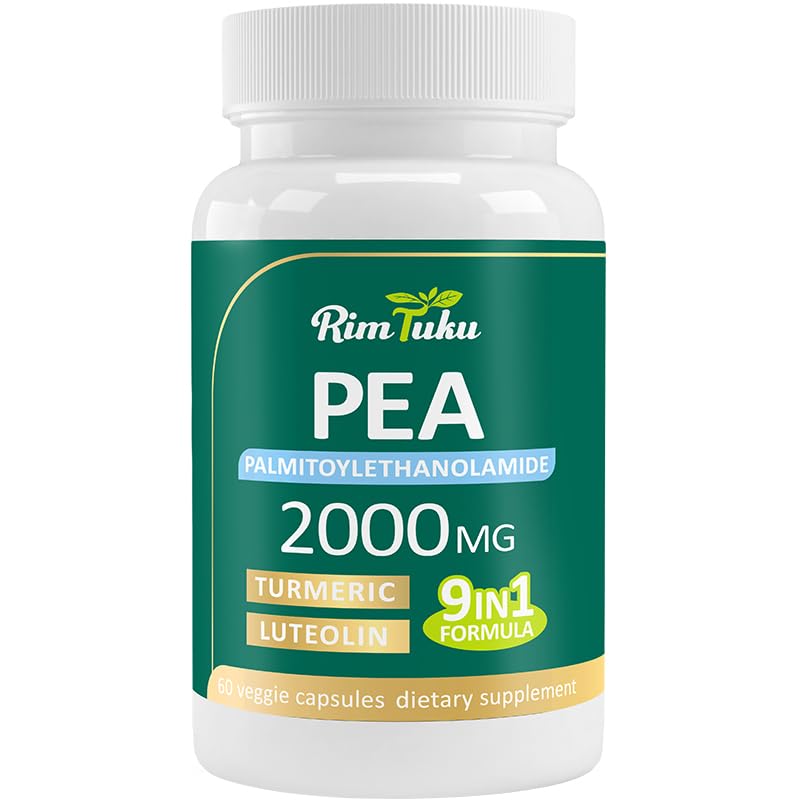
Palmitoylethanolamide Pea Supplement 600 mg | Micronized Pea 99% Highly Purified and Bioavailable | Made in USA | Supplement for Men and Women - 120 Capsules : Everything Else
✅ FOR MEN & WOMEN PEA is <strong>a powerful and natural antioxidant agent that may relieve discomfort and strengthen the immune system</strong>. Supporting your body's discomfort management s
Health Disclaimer
This content is for informational purposes only and does not constitute medical advice. Always consult a qualified healthcare provider before starting, stopping, or changing any supplement or medication regimen.