

Chronic Pain and Depression (Major Depressive Disorder)
Chronic pain and depression frequently travel together, creating a bidirectional cycle where each condition can precipitate, amplify, and maintain the other. Epidemiologic studies show substantially elevated co-occurrence: roughly one-third to one-half of people with chronic pain meet criteria for depressive disorders, and people with major depression report more frequent and severe pain symptoms than the general population. This pairing worsens function, increases health care use, heightens suicide risk, and reduces response to single-modality treatments. Shared mechanisms help explain the linkage. Neurobiologically, both conditions involve dysregulation of fronto-limbic circuitry (prefrontal cortex, anterior cingulate, amygdala, insula) and monoaminergic systems (serotonin and norepinephrine) that modulate mood and descending pain inhibition. Stress-related hypothalamic–pituitary–adrenal (HPA) axis changes and low-grade inflammation (elevated IL-6, TNF-α, CRP) are associated with both disorders. Sleep disturbance, physical inactivity, and cognitive-emotional factors such as pain catastrophizing and fear-avoidance foster mutual maintenance. Social determinants—poverty, trauma, and limited access to care—further increase risk. The clinical implication is clear: screen for and treat both conditions together. Brief tools such as PHQ-9 for depression and validated pain measures can guide care. Multimodal plans that combine psychological therapy (e.g., CBT or ACT), graded exercise, sleep optimization, and judicious pharmacotherapy have the best evidence. Some treatments improve both: SNRIs (especially duloxetine) provide analgesia and antidepressant effects; exercise reduces pain severity and depressive symptoms; mindfulness-based programs and acupuncture show moderate benefits for pain and mood. Treating insomnia (CBT-I) can improve pain and depressive symptoms. Western guidelines prioritize nonpharmacologic strategies first for many chronic pain syndromes and use S
Updated September 8, 2026This content is for informational purposes only and does not constitute medical advice. Always consult a qualified healthcare provider before starting, stopping, or changing any supplement or medication regimen.
Shared Risk Factors
Female sex
Strong EvidenceWomen experience higher rates of many chronic pain conditions and major depression, likely due to hormonal, immune, and sociocultural factors.
Early life adversity/trauma
Strong EvidenceChildhood abuse, neglect, and adverse experiences sensitize stress systems and pain pathways and increase depression risk.
Low socioeconomic status and chronic stress
Strong EvidenceFinancial strain, unsafe environments, and limited access to care drive stress, inflammation, and reduced treatment engagement.
Sleep disturbance/insomnia
Strong EvidenceShort sleep and fragmented sleep amplify pain sensitivity and predict depression onset and relapse.
Physical inactivity/sedentary behavior
Moderate EvidenceDeconditioning, reduced endorphin signaling, and impaired neuroplasticity link inactivity to pain and low mood.
Inflammation/immune dysregulation
Moderate EvidenceElevated cytokines (IL-6, TNF-α) and microglial activation are observed in subsets of both conditions.
Maladaptive cognitions (catastrophizing, fear-avoidance)
Strong EvidenceNegative expectations and fear amplify pain and predict depression; they reduce engagement in activity.
Genetic vulnerability
Moderate EvidenceShared heritability for pain sensitivity and depression involves monoaminergic and stress-related genes.
Substance use (including long-term opioids)
Moderate EvidenceAlcohol and opioid exposure alter mood and pain circuits; long-term opioids can worsen pain and mood.
Comorbidity Data
Prevalence
Approximately 30–50% of patients with chronic pain meet criteria for depressive disorders; conversely, people with major depression have 2–3× higher odds of clinically significant pain. Specialty pain clinics often report even higher co-occurrence.
Mechanistic Link
Shared dysregulation of fronto-limbic circuits and descending pain inhibition, monoaminergic neurotransmission (5-HT/NE), HPA-axis stress responses, and low-grade inflammation; behavioral maintenance through insomnia, inactivity, and catastrophizing.
Clinical Implications
Routinely screen each condition when the other is present; treat concurrently with multimodal plans. Prefer therapies effective for both (e.g., SNRIs, CBT/ACT, exercise, sleep interventions). Monitor suicide risk, particularly when pain is severe, function is poor, or opioids are used.
Sources (5)
- Bair MJ et al. Arch Intern Med. 2003;163:2433-45.
- Tsang A et al. J Pain. 2008;9:883-891.
- Racine M. Prog Neuropsychopharmacol Biol Psychiatry. 2018;87:269-280.
- Finan PH et al. Pain. 2013;154(1 Suppl):S59-S72.
- Petrosky E et al. MMWR. 2018;67:1419-1423.
Overlapping Treatments
Cognitive Behavioral Therapy (CBT)
Strong EvidenceReduces pain-related distress and disability; improves coping and activity pacing.
Improves depressive symptoms and relapse prevention when skills are maintained.
Access and adherence can be limiting; benefits build over weeks and require practice.
Acceptance and Commitment Therapy (ACT)
Moderate EvidenceImproves functioning and pain acceptance; reduces avoidance.
Reduces depressive symptoms via values-based action and cognitive defusion.
Outcomes improve with home practice; may be less available than CBT.
Exercise/graded activity (aerobic + strengthening)
Strong EvidenceImproves function, reduces pain sensitivity, and enhances conditioned pain modulation.
Moderate antidepressant effects and reduced relapse risk.
Start low, progress gradually; tailor for flares and comorbid conditions.
SNRIs (e.g., duloxetine, venlafaxine)
Strong EvidenceAnalgesic effects for neuropathic and musculoskeletal pain via descending inhibition.
First-line antidepressant efficacy for MDD.
Nausea, BP changes, sweating; monitor for suicidality in younger patients.
Mindfulness-based programs (MBSR/MBCT)
Moderate EvidenceReduces pain interference and reactivity; improves quality of life.
Decreases depressive symptoms and relapse in recurrent MDD.
Effect sizes modest; best as part of a multimodal plan.
Sleep interventions (CBT-I, sleep hygiene)
Moderate EvidenceImproves pain thresholds and daytime function.
Reduces depressive symptoms and relapse risk.
Requires structured program; short-term sleep restriction may be challenging.
Acupuncture
Moderate EvidenceDemonstrated reductions in chronic musculoskeletal pain beyond sham in meta-analyses.
Adjunctive benefits for depressive symptoms in some trials.
Access and cost vary; quality of depression trials heterogeneous.
Yoga/Tai chi/Qigong
Moderate EvidenceImproves flexibility, balance, and pain coping; modest pain reduction.
Reduces depressive symptoms and stress reactivity.
Choose low-impact forms; monitor joints and balance.
Integrated collaborative care
Strong EvidenceCoordinates medical, psychological, and rehabilitative approaches; improves pain-related disability.
Improves depression remission rates and adherence.
Requires team infrastructure and care navigation.
Medical Perspectives
Two Ways of Seeing Health

Western
scientific · clinical
Western medicine applies science, technology, and clinical experience to treat symptoms through testing, diagnosis, and targeted intervention.
Surgeons · Pharmaceuticals · Clinical trials · Diagnostics 
Eastern
traditional · alternative
Eastern medicine focuses on treating the body naturally by applying traditional knowledge practiced for thousands of years, emphasizing balance and whole-person wellness.
Acupuncture · Herbal medicine · Yoga · Meditation
Gold Bamboo presents both perspectives side-by-side so you can make informed decisions. We don't advocate for one over the other — your health choices are yours.
Two Ways of Seeing Health
Western
scientific · clinical
Western medicine applies science, technology, and clinical experience to treat symptoms through testing, diagnosis, and targeted intervention.
Eastern
traditional · alternative
Eastern medicine focuses on treating the body naturally by applying traditional knowledge practiced for thousands of years, emphasizing balance and whole-person wellness.
Gold Bamboo presents both perspectives side-by-side so you can make informed decisions. We don't advocate for one over the other — your health choices are yours.
Western Perspective
Western medicine recognizes a robust, bidirectional association between chronic pain and major depression mediated by shared neurobiological, behavioral, and social pathways. Best practice is concurrent screening and integrated, stepped care emphasizing nonpharmacologic therapies, with targeted medications when indicated.
Key Insights
- Comorbidity worsens outcomes and increases suicide risk; screen routinely with PHQ-9 and validated pain scales.
- Descending pain inhibition deficits and monoamine dysregulation support the dual efficacy of SNRIs.
- Sleep disturbance and catastrophizing are modifiable mediators linking pain and depression.
- Multimodal care (CBT/ACT, exercise, sleep treatment) outperforms single-modality care.
Treatments
- CBT or ACT plus graded exercise and sleep optimization as first-line for many chronic pain conditions.
- SNRIs (e.g., duloxetine) when both analgesia and antidepressant effects are desired; consider TCAs at low dose for neuropathic pain if tolerated.
- Mindfulness-based interventions and acupuncture as adjuncts.
- Collaborative care models to coordinate mental health and pain rehabilitation.
Deep Dive
From a Western biomedical standpoint, chronic pain and major depression form a mutually reinforcing dyad. Functional neuroimaging highlights ove... From a Western biomedical standpoint, chronic pain and major depression form a mutually reinforcing dyad. Functional neuroimaging highlights overlapping abnormalities in prefrontal, cingulate, amygdalar, and insular networks that regulate emotion and nociception, while monoamine deficits compromise descending pain inhibition and mood regulation. Stress and sleep disruption further dysregulate the HPA axis, and low-grade inflammation can sustain both pain sensitization and anhedonia. Behaviorally, catastrophizing, avoidance, and inactivity reduce exposure to corrective experiences, reinforcing both pain disability and low mood. Clinical management begins with systematic screening: any patient with persistent pain warrants PHQ-9 screening, and patients with major depression should be queried about pain site, intensity, and interference. Evidence supports a multimodal, stepped approach: first-line nonpharmacologic treatments (CBT or ACT to target maladaptive appraisals and avoidance; graded aerobic and strengthening exercise to restore descending inhibition and function; and CBT-I to restore sleep) combined with education and pacing. When medication is indicated, SNRIs such as duloxetine can address both mood and select pain syndromes (neuropathic and musculoskeletal); TCAs at low dose may help neuropathic pain when tolerated. Mindfulness-based interventions and acupuncture add modest benefits for pain and mood. Collaborative care models improve adherence and outcomes across both conditions. Throughout, monitor suicide risk and minimize long-term opioid exposure due to limited benefit and mood risks.
Sources
- AHRQ. Noninvasive Nonpharmacologic Treatments for Chronic Pain. Comparative Effectiveness Review No. 227, 2020.
- VA/DoD Clinical Practice Guideline: Management of Chronic Pain, 2022.
- APA Clinical Practice Guideline for the Treatment of Depression, 2019.
- Williams AC et al. Cochrane Database Syst Rev. 2020;8:CD007407.
- Vickers AJ et al. J Pain. 2018;19:455-474.
Eastern Perspective
Traditional East Asian medicine and Ayurveda conceptualize chronic pain and depression as interconnected disturbances of vital energy, circulation, and mind–body harmony. Patterns such as Liver Qi stagnation with Blood stasis (TCM) or aggravated Vata with obstructed channels (Ayurveda) manifest as pain, insomnia, fatigue, and low mood. Therapies aim to restore flow, calm the Shen/manas, and rebuild resilience through acupuncture, herbal formulas, movement, and breath practices.
Key Insights
- Acupuncture and electroacupuncture modulate central pain and mood circuits and autonomic balance.
- Mind–body movement (tai chi, qigong, yoga) integrates gentle loading, balance, and relaxation to reduce pain reactivity and depressive symptoms.
- Herbal strategies (e.g., Xiao Yao San in TCM; adaptogens like ashwagandha in Ayurveda) are used traditionally; modern evidence is growing but heterogeneous.
Treatments
- Acupuncture or electroacupuncture 1–2×/week for several weeks, transitioning to maintenance as needed.
- Tai chi or qigong 2–3×/week; yoga with emphasis on breath and restorative sequences.
- Herbal formulas individualized by qualified practitioners (e.g., Xiao Yao San variants; Ayurveda Vata-pacifying regimens), with attention to herb–drug interactions.
- Meditation and regulated breathing (pranayama) to downshift arousal and improve sleep.
Deep Dive
Eastern traditions conceptualize pain and depression as disruptions in the flow and balance of vital forces. In Traditional Chinese Medicine, Li... Eastern traditions conceptualize pain and depression as disruptions in the flow and balance of vital forces. In Traditional Chinese Medicine, Liver Qi stagnation with concurrent Blood stasis and Spleen deficiency can present as musculoskeletal pain, fatigue, irritability, and low mood. Therapy aims to course the Liver, move Blood, and calm the Shen. Acupuncture and electroacupuncture select points to modulate autonomic tone and central pain circuits, with modern trials showing clinically meaningful pain relief and adjunctive improvements in depressive symptoms. Movement arts—tai chi and qigong—blend gentle loading, mindful attention, and breath regulation to reduce reactivity to pain, improve balance and function, and lift mood. Herbal formulas such as Xiao Yao San are traditionally used for constrained mood with somatic symptoms, though modern evidence remains heterogeneous and should be individualized and monitored by trained practitioners. Ayurveda frames chronic pain and depression frequently as Vata aggravation with channel obstruction and depleted ojas (vitality). Treatments emphasize regularity, warm unctuous foods, abhyanga (oil massage), gentle yoga and pranayama to pacify Vata, and adaptogenic herbs (e.g., ashwagandha) to support stress resilience. Contemporary studies suggest benefits of yoga and certain botanicals for mood and some pain states, but quality varies; integration with biomedical care and medication review for herb–drug interactions is essential. In practice, Eastern approaches complement Western multimodal care by enhancing regulation, embodiment, and adherence, particularly when tailored to patient preferences and capabilities.
Sources
- Vickers AJ et al. J Pain. 2018;19:455-474.
- Cramer H et al. Clin J Pain. 2013;29:279-289.
- Wang C et al. BMJ. 2021;373:n743 (tai chi for chronic conditions).
- Kuyken W et al. Lancet. 2016;388:1183-1192 (MBCT).
- Lopresti AL et al. Hum Psychopharmacol. 2019;34:e2701 (saffron for depression).
Evidence Ratings
Chronic pain and depression commonly co-occur (≈30–50% in pain populations).
Bair MJ et al. Arch Intern Med. 2003;163:2433-45; Tsang A et al. J Pain. 2008;9:883-891.
The relationship is bidirectional: each condition increases risk and worsens prognosis of the other.
Bair MJ et al. Arch Intern Med. 2003;163:2433-45.
SNRIs (especially duloxetine) improve both depressive symptoms and certain chronic pain syndromes.
AHRQ 2020 CER; VA/DoD 2022 CPG.
CBT reduces pain-related disability and depressive symptoms.
Williams AC et al. Cochrane Database Syst Rev. 2020;8:CD007407.
Exercise provides moderate improvements in both pain and depression.
AHRQ 2020 CER; Schuch FB et al. J Psychiatr Res. 2016;77:42-51.
Sleep disturbance mediates and exacerbates both pain and depression; CBT-I benefits both.
Finan PH et al. Pain. 2013;154:S59-S72.
Acupuncture confers modest-to-moderate benefits for chronic pain and adjunctive benefits for depression.
Vickers AJ et al. J Pain. 2018;19:455-474; Smith CA et al. Cochrane Database Syst Rev. 2018.
Mindfulness-based interventions (MBSR/MBCT) reduce depressive symptoms and pain interference.
Kuyken W et al. Lancet. 2016;388:1183-1192; Cherkin DC et al. JAMA. 2016;315:1240-1249.
Low-grade inflammation is associated with subsets of chronic pain and depression.
Miller AH, Raison CL. Nat Rev Immunol. 2016;16:22-34.
Chronic pain is associated with elevated suicide risk, especially with functional impairment and opioid exposure.
Petrosky E et al. MMWR. 2018;67:1419-1423.
Sources
- Bair MJ, Robinson RL, Katon W, Kroenke K. Depression and pain comorbidity: a literature review. Arch Intern Med. 2003;163:2433-45.
- Tsang A, Von Korff M, et al. Common chronic pain conditions in developed and developing countries: gender and age differences and comorbidity with depression-anxiety. J Pain. 2008;9:883-891.
- Finan PH, Goodin BR, Smith MT. The association of sleep and pain. Pain. 2013;154(1 Suppl):S59-S72.
- Miller AH, Raison CL. The role of inflammation in depression. Nat Rev Immunol. 2016;16:22-34.
- Vickers AJ, Vertosick EA, et al. Acupuncture for chronic pain: update of an individual patient data meta-analysis. J Pain. 2018;19:455-474.
- Williams AC de C, Fisher E, Hearn L, Eccleston C. Psychological therapies for the management of chronic pain (excluding headache) in adults. Cochrane Database Syst Rev. 2020;8:CD007407.
- AHRQ. Noninvasive Nonpharmacologic Treatments for Chronic Pain. Comparative Effectiveness Review No. 227. 2020.
- VA/DoD Clinical Practice Guideline for the Management of Chronic Pain. 2022.
- American Psychological Association. Clinical Practice Guideline for the Treatment of Depression. 2019.
- Cherkin DC, Sherman KJ, et al. Effect of mindfulness-based stress reduction vs CBT on chronic low back pain. JAMA. 2016;315:1240-1249.
- Schuch FB, Vancampfort D, et al. Exercise as a treatment for depression: meta-analysis. J Psychiatr Res. 2016;77:42-51.
- Petrosky E, Harrell J, et al. Chronic pain among suicide decedents, 2003–2014. MMWR. 2018;67:1419-1423.
- Kuyken W, Warren FC, et al. MBCT to prevent depressive relapse. Lancet. 2016;388:1183-1192.
- Smith CA, Armour M, et al. Acupuncture for depression. Cochrane Database Syst Rev. 2018;3:CD004046.
Related Topics
Recommended Products
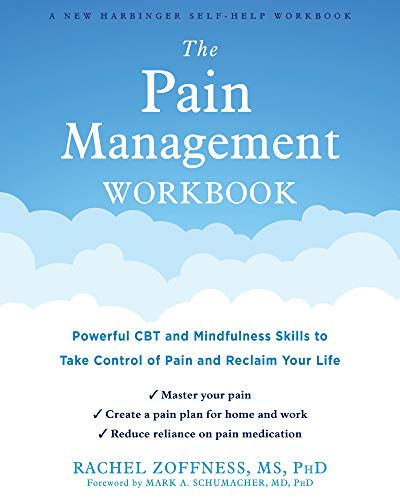
The Pain Management Workbook: Powerful CBT and Mindfulness Skills to Take Control of Pain and Reclaim Your Life: Zoffness MS PhD, Rachel, Schumacher MD PhD, Mark A.
The Pain Management Workbook: Powerful CBT and Mindfulness Skills to Take Control of Pain and Reclaim Your Life [Zoffness MS PhD, Rachel, Schumacher MD PhD, Mark A.] on Amazon.com. *FREE* shipping on

Nordic Naturals Ultimate Omega, Lemon Flavor - 90 Soft Gels - 1280 mg Omega-3 - High-Potency Omega-3 Fish Oil Supplement with EPA & DHA - Promotes Brain & Heart Health - Non-GMO - 45 Servings
Buy Nordic Naturals Ultimate Omega, Lemon Flavor - 90 Soft Gels - 1280 mg Omega-3 - High-Potency Omega-3 Fish Oil Supplement with EPA & DHA - Promotes Brain & Heart Health - Non-GMO - 45 Servi
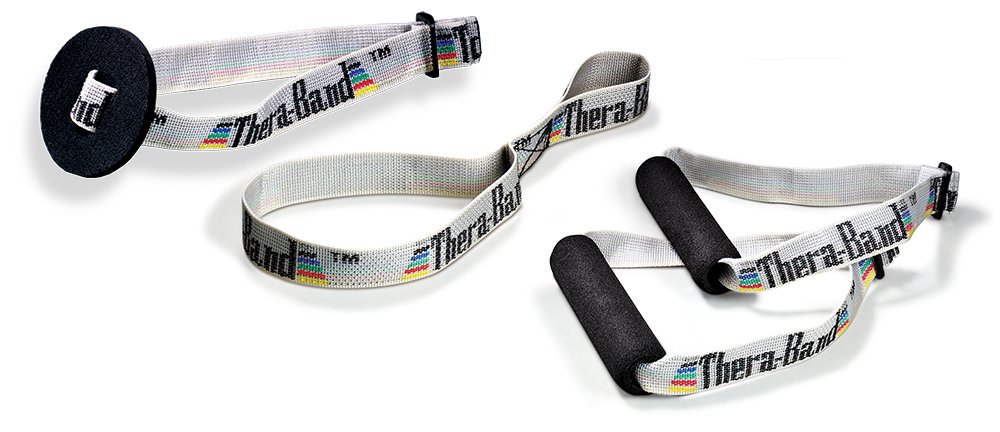
THERABAND Elastic Resistance Bands and Tubing Overdoor Accessories Kit, with Assist Strap, Soft Grip Handles, and Door Anchor for Overhead Shoulder Rehab, At
<strong>The TheraBand Accessories Kit includes an Assist Strap, Soft Grip Handles, and a Door Anchor that provide a versatile kit that can be used in combination with resistance bands and tubing</stro
Health Disclaimer
This content is for informational purposes only and does not constitute medical advice. Always consult a qualified healthcare provider before starting, stopping, or changing any supplement or medication regimen.