

Chronic Pain and Yoga
Yoga is a mind–body practice that blends physical postures, breath control, and focused attention. Chronic pain is a multidimensional condition involving biomechanical strain, sensitized pain pathways, and psychological stress. Understanding how yoga interfaces with these dimensions can help people explore it safely and effectively alongside standard care. Consult your healthcare provider before making changes to your health regimen. Mechanistically, yoga may ease pain through three complementary pathways. First, biomechanical effects: gentle strengthening of core and hip musculature, improved flexibility of tight myofascial chains, and postural retraining can reduce joint load and aberrant movement patterns that perpetuate pain. Second, neurophysiological effects: slow breathing and mindful attention engage descending pain-inhibitory pathways, rebalance autonomic tone toward parasympathetic dominance, and may dampen central sensitization. Small studies show increases in GABA (an inhibitory neurotransmitter), shifts in pain-processing brain regions, and improved heart-rate variability—signals of enhanced pain modulation. Third, psychological benefits: yoga’s mindful movement, relaxation, and breathwork are associated with reduced stress, lower pain catastrophizing, better sleep, and improved mood, all of which correlate with lower pain intensity and disability. Clinical evidence suggests modest, meaningful benefits for several conditions. For chronic low back pain, multiple randomized trials and systematic reviews show small-to-moderate improvements in pain and function versus usual care or education, and major guidelines list yoga as a nonpharmacologic option. For fibromyalgia, meta-analyses report small-to-moderate relief in pain, fatigue, mood, and quality of life, though study sizes are often limited. For osteoarthritis and inflammatory arthritis, trials of gentle, adapted or chair-based yoga show improvements in pain and function; guidelines strongly support,
Updated September 8, 2026This content is for informational purposes only and does not constitute medical advice. Always consult a qualified healthcare provider before starting, stopping, or changing any supplement or medication regimen.
Shared Risk Factors
Sedentary lifestyle and deconditioning
Strong EvidenceLow activity levels contribute to musculoskeletal weakness and stiffness that worsen chronic pain and can make starting movement practices harder.
Stress and HPA-axis/autonomic dysregulation
Moderate EvidenceChronic stress heightens sympathetic arousal and inflammatory signaling, which can exacerbate pain sensitivity and coping difficulties.
Sleep disturbance
Strong EvidencePoor sleep amplifies pain perception and impairs recovery; pain in turn disrupts sleep, creating a cycle.
Depression/anxiety and pain catastrophizing
Strong EvidenceMood disorders and maladaptive pain beliefs are common in chronic pain and associated with worse outcomes.
Obesity and low-grade inflammation
Moderate EvidenceAdiposity contributes to mechanical load and systemic inflammation that can sustain pain.
Poor ergonomics and postural strain
Moderate EvidenceSustained non-neutral postures and repetitive loads drive localized pain syndromes.
Overlapping Treatments
Iyengar-style adaptations (props, alignment focus)
Moderate EvidenceImproves alignment, reduces joint load, and builds stability linked to lower pain and better function in back and arthritis trials.
Demonstrates how yoga can be tailored therapeutically with blocks, straps, chairs to increase safety and access.
Needs trained instruction; avoid end-range positions in hypermobility or osteoporosis.
Gentle Hatha/restorative sequences
Moderate EvidenceAssociated with reduced pain intensity, improved sleep and relaxation response; suitable for deconditioned individuals.
Represents low-intensity asana emphasizing comfort, supported poses, and pacing.
May need additional strengthening for certain conditions over time.
Chair yoga
Moderate EvidenceImproves pain and function in knee/hip osteoarthritis and mobility-limited adults; reduces fear of movement.
Adapts yoga to seated format, lowering balance demands and mechanical load.
Progression to standing work can be gradual as tolerated.
Pranayama (slow diaphragmatic breathing, alternate-nostril)
Emerging ResearchShifts autonomic balance, may reduce pain sensitivity and anxiety; improves heart-rate variability.
Core yogic technique that can be practiced independently or integrated with movement.
Avoid breath holds or forceful techniques in cardiovascular or respiratory conditions without guidance.
Mindfulness/meditation integrated with movement
Moderate EvidenceReduces catastrophizing and improves coping; complements CBT and MBSR evidence for pain.
Central element of yoga that refines interoception and nonreactivity to sensations.
Some may experience discomfort attending to sensations; trauma-informed guidance helps.
Yoga Nidra (guided relaxation/body scan)
Emerging ResearchSupports sleep quality and downregulates arousal, which can lessen pain amplification.
Accessible supine practice suitable during flares or high fatigue.
May not address strength or mobility directly—use alongside gentle movement.
Viniyoga/breath-synchronized therapeutic movement
Moderate EvidenceImproves low back pain and function in trials comparing to usual care and education.
Emphasizes individualized sequencing and breath-led pacing.
Best delivered by experienced therapists for personalization.
Graded exposure within yoga
Emerging ResearchAddresses fear-avoidance by safely reintroducing feared movements, reducing disability.
Embeds rehabilitation principles in yoga progressions.
Requires careful monitoring to avoid flares; collaboration with PT can help.
Medical Perspectives
Two Ways of Seeing Health

Western
scientific · clinical
Western medicine applies science, technology, and clinical experience to treat symptoms through testing, diagnosis, and targeted intervention.
Surgeons · Pharmaceuticals · Clinical trials · Diagnostics 
Eastern
traditional · alternative
Eastern medicine focuses on treating the body naturally by applying traditional knowledge practiced for thousands of years, emphasizing balance and whole-person wellness.
Acupuncture · Herbal medicine · Yoga · Meditation
Gold Bamboo presents both perspectives side-by-side so you can make informed decisions. We don't advocate for one over the other — your health choices are yours.
Two Ways of Seeing Health
Western
scientific · clinical
Western medicine applies science, technology, and clinical experience to treat symptoms through testing, diagnosis, and targeted intervention.
Eastern
traditional · alternative
Eastern medicine focuses on treating the body naturally by applying traditional knowledge practiced for thousands of years, emphasizing balance and whole-person wellness.
Gold Bamboo presents both perspectives side-by-side so you can make informed decisions. We don't advocate for one over the other — your health choices are yours.
Western Perspective
Western medicine views yoga as a structured form of exercise plus mindfulness that can reduce chronic pain through improved conditioning, autonomic regulation, and psychological resilience. Clinical guidelines include yoga among first-line nonpharmacologic options for chronic low back pain, with growing—though variable—evidence for fibromyalgia and arthritis.
Key Insights
- For chronic low back pain, randomized trials and systematic reviews show small-to-moderate improvements in pain and function versus education/usual care.
- Yoga’s effects on stress physiology (autonomic balance, HPA axis) and pain catastrophizing may mediate symptom improvement.
- Adapted modalities (Iyengar, chair, Viniyoga) are better tolerated in arthritis and deconditioned populations.
- Adverse events are generally mild and transient; risk is minimized with tailored instruction and avoidance of end-range loads.
- Evidence quality varies across conditions; heterogeneity in styles, intensity, and instructor training limits firm dosing guidance.
Treatments
- Supervised adapted yoga (Iyengar, Viniyoga, chair-based)
- Integrated mindfulness/relaxation alongside movement
- Breath regulation (slow diaphragmatic breathing)
- Multidisciplinary care combining yoga with PT and CBT
- Guideline-concordant nonpharmacologic care before or alongside medications
Deep Dive
From a Western clinical lens, yoga operates as both a physical reconditioning program and a mind–body intervention. Chronic pain commonly reflec... From a Western clinical lens, yoga operates as both a physical reconditioning program and a mind–body intervention. Chronic pain commonly reflects a blend of biomechanical stressors, central sensitization, and psychological contributors. Trials in low back pain show that yoga confers small-to-moderate improvements in pain and function compared with education or usual care, and guideline bodies include it among first-line nonpharmacologic strategies. These benefits likely arise from gradual strengthening and mobility gains—especially in the trunk and hips—combined with improved postural control that reduces aberrant tissue loading. Breath regulation and mindful attention add a regulatory layer: they enhance parasympathetic tone and reduce stress reactivity, factors known to amplify pain. Research suggests reductions in pain catastrophizing and anxiety, variables closely tied to disability. Evidence is more heterogeneous for fibromyalgia and arthritis. Meta-analyses indicate small-to-moderate improvements across pain, fatigue, and quality of life for fibromyalgia, though sample sizes are modest and styles vary. In osteoarthritis and inflammatory arthritis, adapted formats such as Iyengar or chair yoga demonstrate functional and symptomatic gains and are better tolerated. Adverse events in trials are usually mild (transient soreness), underscoring the importance of tailored instruction and avoidance of end-range or high-load poses. Notably, effect sizes for yoga are comparable to other recommended nonpharmacologic therapies like general exercise and mindfulness-based programs. Clinical implementation emphasizes matching the practice to the person: deconditioned or highly sensitized individuals generally respond better to gentle, supported sequences that build consistency before intensity. While precise dosing is not standardized, many studies used regular, supervised sessions over several weeks with home practice. Integrating yoga with physical therapy and cognitive behavioral therapy can address strength deficits, movement fears, and coping skills in parallel. Measurement of outcomes using pain ratings, disability indices, sleep metrics, and mood scales helps track meaningful change and guide progression.
Sources
- Qaseem A et al. Ann Intern Med. 2017;166:514-530 (ACP guideline)
- Wieland LS et al. Cochrane Database Syst Rev. 2017:CD010671 (Yoga for chronic low back pain)
- Saper RB et al. Ann Intern Med. 2017;167:85-94 (Yoga vs PT for low back pain)
- Sherman KJ et al. Arch Intern Med. 2011;171:2019-2026 (Yoga vs stretching)
- Kolasinski SL et al. Arthritis Care Res. 2020;72:149-162 (ACR/AF OA guideline)
- VA/DoD Clinical Practice Guideline for Low Back Pain. 2022
Eastern Perspective
In yoga’s traditional framework (rooted in Ayurveda), persistent pain reflects disruption in prana (vital energy) and imbalance—often described as aggravated Vata—manifesting as tension, restlessness, and heightened sensitivity. Practice aims to restore balance through steady, comfortable postures (asana), regulated breath (pranayama), and mental stillness (dhyana), aligning body, breath, and mind to reduce suffering.
Key Insights
- Ahimsa (non-harming) guides gentle, pain-aware practice that avoids force and honors individual limits.
- Regular breath-centered movement calms the nervous system and supports agni (metabolic/fire) while grounding excess Vata implicated in pain and insomnia.
- Mindfulness and meditation cultivate nonattachment to pain sensations, reducing reactivity and fear.
- Sequencing emphasizes stability before flexibility: build a stable base (core/hips) and elongate the spine with support, then expand range mindfully.
- Daily routines (dinacharya)—sleep hygiene, warm oils, and calming practices at dusk—complement asana to soothe pain and promote rest.
Treatments
- Gentle Hatha or Iyengar-style sequences with props
- Pranayama (lengthened exhalation, alternate-nostril)
- Yoga Nidra and guided relaxation
- Meditation/concentration (dharana–dhyana)
- Ayurvedic lifestyle measures (warmth, regularity, grounding foods)
Deep Dive
Traditional yoga, situated within Ayurveda, views persistent pain as a sign of disturbed balance—often a Vata predominance marked by dryness, co... Traditional yoga, situated within Ayurveda, views persistent pain as a sign of disturbed balance—often a Vata predominance marked by dryness, cold, variability, and restlessness. The remedy is steadiness, warmth, and nourishment delivered through synchronized practices of body, breath, and mind. Asana is approached as sthira-sukham (steady and comfortable), favoring stability before range. Props and supports are welcomed to create ease, prevent strain, and invite release in chronically guarded tissues. Sequencing commonly begins with centering and gentle mobilization, then progresses to foundational postures that awaken the spine and hips while cultivating a calm, even breath. Pranayama is central: lengthening the exhalation, alternate-nostril breathing, and diaphragmatic breathing are used to quiet the mind and soothe the nervous system—seen traditionally as harmonizing prana and, in modern terms, enhancing vagal tone. Meditation and Yoga Nidra foster nonreactivity and compassionate awareness, helping practitioners witness sensations without reflexive tension or fear. This shift in relationship to pain is as important as changes in tissues themselves. Lifestyle is integral. Regular timing of meals and sleep (dinacharya), warmth (e.g., gentle heat, warm baths), and grounding routines reinforce practice effects and reduce the volatility associated with Vata-aggravated pain and insomnia. The ethical pillar of ahimsa (non-harming) reminds practitioners to avoid force and honor the body’s signals, using discomfort as information rather than a command to push harder. In this holistic view, yoga becomes a personal laboratory for balancing effort and ease, gradually restoring resilience. Traditional insights align with contemporary findings: when practice elicits calm attention, steady breath, and skillful movement, pain often softens and function improves.
Sources
- Iyengar BKS. Light on Yoga (classical alignment-focused approach)
- Caraka Samhita (Ayurvedic foundations of balance and Vata)
- Carson JW et al. Pain. 2010 (Yoga of Awareness for fibromyalgia)
- Cramer H et al. Complement Ther Med. 2013 (Yoga for chronic pain reviews)
Evidence Ratings
Yoga reduces pain and improves function in chronic low back pain compared with education/usual care.
Wieland LS et al. Cochrane Database Syst Rev. 2017:CD010671; Qaseem A et al. Ann Intern Med. 2017
Yoga can reduce pain catastrophizing and improve psychological coping in chronic pain.
Saper RB et al. Ann Intern Med. 2017; Carson JW et al. Pain. 2010
Adapted yoga (e.g., chair or Iyengar) improves pain and function in osteoarthritis and arthritis.
Moonaz SH et al. J Rheumatol. 2015; Cheung C et al. J Am Geriatr Soc. 2017
Yoga provides small-to-moderate improvements in fibromyalgia symptoms (pain, fatigue, mood).
Cramer H et al. BMC Musculoskelet Disord. 2013 (meta-analysis)
Yoga enhances parasympathetic activity/HRV, supporting autonomic pain modulation.
Tyagi A, Cohen M. Int J Yoga. 2016 (review)
Single-session to short-term yoga increases brain GABA levels, suggesting inhibitory modulation.
Streeter CC et al. J Altern Complement Med. 2010
Yoga may reduce inflammatory biomarkers associated with chronic pain.
Djalilova DM et al. Biol Res Nurs. 2019 (systematic review)
Adverse events from yoga in chronic pain trials are typically mild and transient.
Wieland LS et al. Cochrane Database Syst Rev. 2017
Sources
- Qaseem A, Wilt TJ, McLean RM, Forciea MA. Noninvasive Treatments for Acute, Subacute, and Chronic Low Back Pain: A Clinical Practice Guideline From the ACP. Ann Intern Med. 2017;166(7):514-530.
- Wieland LS, Skoetz N, et al. Yoga treatment for chronic non-specific low back pain. Cochrane Database Syst Rev. 2017;(1):CD010671.
- Saper RB, Lemaster C, et al. Yoga, Physical Therapy, or Education for Chronic Low Back Pain. Ann Intern Med. 2017;167(2):85-94.
- Sherman KJ, Cherkin DC, et al. A Randomized Trial Comparing Yoga, Stretching, and a Self-care Book for Chronic Low Back Pain. Arch Intern Med. 2011;171(22):2019-2026.
- Cramer H, Lauche R, et al. A Systematic Review and Meta-analysis of Yoga for Low Back Pain. Clin J Pain. 2013;29(5):450-460.
- Cramer H, Haller H, et al. Yoga for fibromyalgia: a systematic review and meta-analysis. BMC Musculoskelet Disord. 2013;14:321.
- Carson JW, Carson KM, et al. A randomized controlled trial of the Yoga of Awareness program for fibromyalgia. Pain. 2010;151(2):530-539.
- Moonaz SH, Bingham CO, et al. A Randomized, Controlled Trial of a Yoga Program for Arthritis. J Rheumatol. 2015;42(7):1197-1205.
- Cheung C, Wyman JF, et al. Effects of Yoga on Symptoms, Physical Function, and Psychosocial Outcomes in Knee OA: Chair Yoga RCT. J Am Geriatr Soc. 2017;65(9):2050-2056.
- Tyagi A, Cohen M. Yoga and heart rate variability: A comprehensive review of the literature. Int J Yoga. 2016;9(2):97-113.
- Streeter CC, Whitfield TH, et al. Effects of Yoga Versus Walking on Mood, Anxiety, and GABA Levels. J Altern Complement Med. 2010;16(11):1145-1152.
- Djalilova DM, Schulz PS, et al. Impact of Yoga on Inflammatory Biomarkers: A Systematic Review. Biol Res Nurs. 2019;21(2):198-209.
- VA/DoD Clinical Practice Guideline: Diagnosis and Treatment of Low Back Pain. 2022.
- NICE Guideline NG59: Low Back Pain and Sciatica in Over 16s. 2020 update.
- Macfarlane GJ, et al. EULAR revised recommendations for the management of fibromyalgia. Ann Rheum Dis. 2017;76(2):318-328.
- Kolasinski SL, Neogi T, et al. 2019 ACR/Arthritis Foundation Guideline for the Management of Osteoarthritis. Arthritis Care Res. 2020;72(2):149-162.
Related Topics
Recommended Products
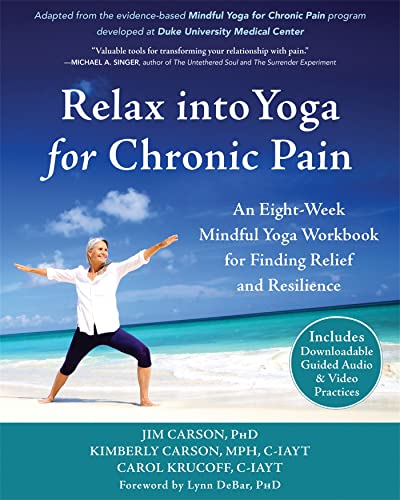
Relax into Yoga for Chronic Pain: An Eight-Week Mindful Yoga Workbook for Finding Relief and Resilience: Carson PhD, Jim, Carson MPH C-IAYT, Kimberly, Krucoff C-IAYT, Carol, DeBar PhD, Lynn
Relax into Yoga for Chronic Pain: <strong>An Eight-Week Mindful Yoga Workbook for Finding Relief and Resilience</strong> [Carson PhD, Jim, Carson MPH C-IAYT, Kimberly, Krucoff C-IAYT, Carol, DeBar PhD

Manduka PRO Yoga Mat - 6mm | Lifetime Durability
6mm · Carrier · Non-slip · Prolite · Eko See more · Eligible for Free Shipping · Free Shipping by Amazon · Get FREE Shipping on eligible orders shipped by Amazon · Delivery Day · Get It by Tomorrow ·
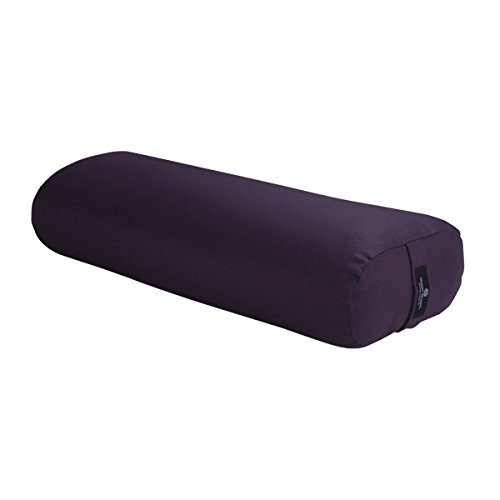
Hugger Mugger Standard Yoga Bolster
Hugger Mugger Standard Yoga Bolster - <strong>Firm, Supportive, Handmade, Durable</strong> · Manduka enlight Bolster Pillow - Yoga Pillow with Machine Washable Microfiber Cover, Curved Design for Opti
Health Disclaimer
This content is for informational purposes only and does not constitute medical advice. Always consult a qualified healthcare provider before starting, stopping, or changing any supplement or medication regimen.