

Digestive issues and Acupuncture
Acupuncture is increasingly used alongside conventional care for a range of digestive issues, from functional bowel disorders such as irritable bowel syndrome (IBS) and functional dyspepsia to chronic constipation, gastroesophageal reflux disease (GERD)-related symptoms, nausea/vomiting, gastroparesis, and postoperative ileus. In practice, goals include reducing abdominal pain and bloating, improving bowel regularity and motility, easing nausea, and enhancing overall well-being. Realistic expectations are important: evidence is strongest for nausea/vomiting (including post-operative and chemotherapy-related), moderate for chronic constipation and postoperative ileus, and mixed for IBS and functional dyspepsia (some benefit relative to usual care or medication, but smaller or inconsistent advantages over sham acupuncture). GERD-related symptom relief has emerging evidence, generally as an adjunct to standard therapy. Traditional Chinese Medicine (TCM) frames digestive concerns through patterns involving the Spleen and Stomach systems, Liver qi stagnation, and dampness or cold; acupuncture is thought to harmonize qi flow along meridians (notably Stomach, Spleen, Pericardium) and restore digestive balance. Modern physiology offers complementary explanations: point stimulation such as PC6 (Neiguan) and ST36 (Zusanli) can modulate autonomic tone (supporting vagal activity), influence visceral pain pathways and central pain processing, alter gut motility via enteric neural circuits, and affect neurotransmitters and inflammatory mediators involved in nausea, hypersensitivity, and dysmotility. Research highlights: robust reviews show PC6 stimulation reduces postoperative nausea and vomiting and helps chemotherapy-related nausea. A large multicenter RCT found electroacupuncture increased complete spontaneous bowel movements in chronic severe functional constipation. Systematic reviews in functional dyspepsia suggest symptom improvements, though heterogeneity and sham-place
Updated September 8, 2026This content is for informational purposes only and does not constitute medical advice. Always consult a qualified healthcare provider before starting, stopping, or changing any supplement or medication regimen.
Overlapping Treatments
Electroacupuncture
Moderate EvidenceMay improve gut motility (constipation, postoperative ileus, gastroparesis) and reduce abdominal pain and nausea in some settings
Within the acupuncture family; may enhance and standardize stimulation intensity and reproducibility
Avoid or use caution with pacemakers/implantable devices; monitor for skin irritation at electrodes
Acupressure (e.g., PC6/Neiguan)
Strong EvidenceReduces nausea/vomiting after surgery and during chemotherapy; supportive in pregnancy-related nausea
Extends acupuncture principles to self-care between sessions
Technique-dependent; benefits may vary; ensure hygienic use of acupressure bands
Moxibustion (heat therapy on points)
Emerging ResearchSmall trials suggest benefit for abdominal pain and motility in functional disorders
Traditional adjunct believed to warm channels and support Spleen-Stomach function
Smoke exposure; avoid on broken skin or in heat-sensitive neuropathy
Dietary therapy (e.g., low-FODMAP diet, fiber optimization)
Strong EvidenceImproves IBS symptoms and stool form/regularity in many patients
Combines well with acupuncture by addressing luminal triggers while acupuncture targets neuromodulation
Work with a dietitian to maintain nutritional adequacy; individual tolerance varies
Probiotics (strain-specific)
Moderate EvidenceCan reduce global IBS symptoms and bloating in some individuals
May complement acupuncture’s neuromodulatory effects by influencing the microbiome–gut–brain axis
Benefits are strain- and dose-specific; transient gas/bloating possible
Mind–body therapies (mindfulness, gut-directed hypnotherapy, CBT)
Moderate EvidenceReduce visceral hypersensitivity, pain catastrophizing, and IBS symptom burden
Share autonomic and central pain-modulating pathways with acupuncture; may be synergistic
Access and adherence influence outcomes
Medications (PPIs, prokinetics, antiemetics, osmotic laxatives)
Strong EvidenceCore symptomatic management across GERD, nausea/vomiting, gastroparesis, and constipation
Acupuncture can be integrated as an adjunct to potentially enhance symptom control or reduce medication burden over time
Medication-specific adverse effects and interactions; ongoing medical supervision recommended
Pelvic floor biofeedback (for dyssynergic defecation)
Strong EvidenceImproves stool passage and reduces straining in outlet constipation
Pairs with acupuncture by addressing mechanical/behavioral contributors while acupuncture targets motility and pain
Requires specialized therapists and structured training
Medical Perspectives
Two Ways of Seeing Health

Western
scientific · clinical
Western medicine applies science, technology, and clinical experience to treat symptoms through testing, diagnosis, and targeted intervention.
Surgeons · Pharmaceuticals · Clinical trials · Diagnostics 
Eastern
traditional · alternative
Eastern medicine focuses on treating the body naturally by applying traditional knowledge practiced for thousands of years, emphasizing balance and whole-person wellness.
Acupuncture · Herbal medicine · Yoga · Meditation
Gold Bamboo presents both perspectives side-by-side so you can make informed decisions. We don't advocate for one over the other — your health choices are yours.
Two Ways of Seeing Health
Western
scientific · clinical
Western medicine applies science, technology, and clinical experience to treat symptoms through testing, diagnosis, and targeted intervention.
Eastern
traditional · alternative
Eastern medicine focuses on treating the body naturally by applying traditional knowledge practiced for thousands of years, emphasizing balance and whole-person wellness.
Gold Bamboo presents both perspectives side-by-side so you can make informed decisions. We don't advocate for one over the other — your health choices are yours.
Western Perspective
From a western perspective, acupuncture is an adjunctive modality for digestive symptoms through neuromodulation of autonomic balance, visceral pain processing, and motility. Evidence is strongest for nausea/vomiting (especially postoperative and chemotherapy-related) and promising for chronic constipation and postoperative ileus. Results for IBS and functional dyspepsia are mixed versus sham but may show benefits compared with usual care or as an adjunct to standard therapies.
Key Insights
- PC6 (Neiguan) stimulation reduces postoperative nausea and vomiting compared with sham or antiemetic-only controls
- Electroacupuncture increases complete spontaneous bowel movements in chronic severe constipation in large multicenter RCTs
- IBS and dyspepsia trials show heterogeneity; sham-controlled effects are smaller, suggesting nonspecific and contextual components
- Physiological studies indicate vagal activation, changes in heart rate variability, and modulation of central pain networks
Treatments
- Standard care: PPIs, H2 blockers, antiemetics, prokinetics, osmotic laxatives, fiber
- Behavioral: low-FODMAP diet, CBT, gut-directed hypnotherapy
- Integrative: acupuncture/electroacupuncture, acupressure at PC6 for nausea
- Rehabilitation: pelvic floor biofeedback for dyssynergic defecation
Deep Dive
From a western clinical standpoint, acupuncture engages neurophysiologic mechanisms that are directly relevant to common digestive symptoms. Sti... From a western clinical standpoint, acupuncture engages neurophysiologic mechanisms that are directly relevant to common digestive symptoms. Stimulation of specific points such as PC6 (Neiguan) and ST36 (Zusanli) has been shown to influence autonomic outflow, often increasing parasympathetic (vagal) tone and modulating central networks involved in visceral pain and nausea. These effects can translate into clinical benefits. High-certainty evidence supports PC6 stimulation to prevent postoperative nausea and vomiting; similar though somewhat less consistent evidence supports reduction of chemotherapy-induced nausea, which is why acupressure bands and adjunctive acupuncture are incorporated in some oncology supportive care pathways. A large multicenter randomized clinical trial demonstrated that electroacupuncture increases complete spontaneous bowel movements in chronic severe functional constipation, pointing to a motility-enhancing effect likely mediated by enteric neural circuits and autonomic modulation. In postoperative settings, studies suggest acupuncture or electroacupuncture may shorten ileus and hasten the return of bowel function, potentially by dampening sympathetic inhibition, attenuating surgical stress responses, and promoting peristalsis. For functional gastrointestinal disorders such as IBS and functional dyspepsia, trials show mixed results. When compared with sham acupuncture, specific effects are smaller and not uniformly significant, suggesting that nonspecific factors (therapeutic context, patient expectations, clinician interaction) contribute meaningfully to outcomes. Yet, compared with usual care or as an adjunct to medical therapy, acupuncture often shows added symptom relief for abdominal pain, bloating, and global symptom scores. For GERD-related symptoms, small studies indicate that acupuncture can complement acid suppression, though larger, rigorously controlled trials are needed. In practice, the modality is best integrated within comprehensive care: medications (PPIs, antiemetics, prokinetics, laxatives) for biomedical targets, dietary strategies (e.g., low-FODMAP), behavioral therapies (CBT, gut-directed hypnotherapy), and pelvic floor biofeedback when indicated. Safety is favorable under trained hands, with minor bruising or soreness most common and rare serious events. Caution is warranted with bleeding risks, significant immunosuppression, pregnancy-specific point restrictions, and electronic implants when using electroacupuncture. Clinicians and patients can monitor response using validated metrics such as the IBS Symptom Severity Score, Bristol Stool Form Scale, nausea episodes, and global relief ratings, adjusting the plan accordingly.
Sources
- Cochrane Review: PC6 stimulation for preventing postoperative nausea and vomiting (2015)
- Liu Z et al. Electroacupuncture for chronic severe functional constipation. JAMA. 2016
- SIO-ASCO Guideline on integrative therapies for oncology symptoms (2022): recommendations for acupressure/acupuncture for CINV
- NCCIH: Acupuncture—In Depth (updated 2022)
- Systematic reviews on acupuncture for IBS and functional dyspepsia (2012–2021)
Eastern Perspective
Traditional Chinese Medicine views digestive disorders as imbalances in the Spleen and Stomach systems, often complicated by Liver qi stagnation, dampness, or cold. Acupuncture harmonizes qi and blood in the middle jiao, rectifies qi ascent/descent, and soothes the Liver to improve digestion. Treatment is individualized, based on pattern differentiation, and commonly targets points such as ST36, PC6, CV12, SP4, SP6, LR3, LI4, and ST25; moxibustion is added when cold or deficiency predominate.
Key Insights
- Patterns commonly implicated: Spleen qi deficiency, Stomach disharmony, Liver overacting on Spleen/Stomach, dampness/food stagnation
- PC6, ST36, and CV12 are core points to settle nausea, support motility, and calm the epigastrium
- Moxibustion warms and tonifies in cold-deficiency patterns; auricular points may modulate appetite and nausea
- Lifestyle and diet are integral; mindful eating, warm cooked foods, and stress reduction support treatment
Treatments
- Body acupuncture (ST36, PC6, CV12, ST25, SP6, LI4, LR3)
- Electroacupuncture for motility disorders
- Moxibustion for cold/deficiency presentations
- Auricular acupuncture; acupressure for self-care
- Dietary therapy and qigong breathing practices
Deep Dive
In Traditional Chinese Medicine, digestion reflects the harmony of the Spleen and Stomach, responsible for transforming food and transporting nu... In Traditional Chinese Medicine, digestion reflects the harmony of the Spleen and Stomach, responsible for transforming food and transporting nutrients. Stress and emotional constraint may cause Liver qi to overact on the Spleen and Stomach, leading to distention, irregular bowel movements, and reflux-like counterflow. Cold or damp accumulation can further block the middle jiao, producing pain, heaviness, and sluggish motility. Acupuncture seeks to restore the proper ascent and descent of qi, strengthen Spleen qi, soothe the Liver, and harmonize the Stomach. Core point combinations reflect these aims: ST36 (Zusanli) to fortify Spleen/Stomach and promote peristalsis; PC6 (Neiguan) to descend counterflow and calm nausea; CV12 (Zhongwan) to harmonize the epigastrium; ST25 (Tianshu) and ST37 (Shangjuxu) to regulate the intestines; SP4 (Gongsun) and LR3 (Taichong) to resolve constraint; and SP6 (Sanyinjiao) and LI4 (Hegu) to support overall regulation. Moxibustion may be added when cold or deficiency is evident, and auricular points can modulate appetite and nausea. TCM’s individualized approach aligns with the heterogeneity of functional gut disorders. A patient with IBS and stress-induced flares might present as Liver qi stagnation overacting on the Spleen, guiding the selection of LR3, LI4, ST36, and PC6, alongside breathing practices and dietary guidance (warm, cooked foods; regular meals). Another with chronic constipation and cold-deficiency might benefit from moxibustion at CV8/CV12 and tonifying techniques at ST36 and SP6. These pattern-based treatments are often combined with lifestyle measures—mindful eating, gentle movement such as qigong, and attention to sleep—to consolidate gains and prevent relapse. While modern research interprets results through autonomic and neurohumoral mechanisms, TCM emphasizes restoring systemic balance so that symptoms recede as the body’s self-regulation improves. The two perspectives are complementary: physiologic findings of vagal modulation and reduced inflammatory signaling can be seen as biomedical counterparts to the TCM goal of smoothing qi and strengthening the middle. In clinical collaboration, this integration allows respectful use of acupuncture as a meaningful adjunct that addresses both symptom expression and underlying dysregulation.
Sources
- Huangdi Neijing (Yellow Emperor’s Inner Canon)
- Chinese Acupuncture & Moxibustion (textbook)
- Maciocia G. The Foundations of Chinese Medicine
- Contemporary clinical studies linking classic point functions to GI outcomes
Evidence Ratings
PC6 (Neiguan) point stimulation reduces postoperative nausea and vomiting compared with sham
Cochrane Review: Stimulation of PC6 for preventing postoperative nausea and vomiting (2015)
Electroacupuncture increases complete spontaneous bowel movements in chronic severe functional constipation
Liu Z et al. Effect of Electroacupuncture on Chronic Severe Functional Constipation. JAMA. 2016
Acupuncture provides symptom relief in functional dyspepsia, though effect sizes vary and heterogeneity is high
Systematic reviews/meta-analyses in Neurogastroenterol Motil and PLoS One (2015–2021)
For IBS, acupuncture is not consistently superior to sham but may outperform usual care when added to standard management
Manheimer E et al. Acupuncture for IBS: systematic review (2012); MacPherson H et al. PLoS One RCT (2012)
Acupuncture/electroacupuncture may hasten return of bowel function and reduce postoperative ileus duration
Systematic reviews of abdominal surgery cohorts (e.g., Int J Colorectal Dis 2018)
Adjunctive acupuncture may improve GERD-related symptoms when combined with acid suppression
Medicine (Baltimore) meta-analysis of adjunctive acupuncture for GERD (2018)
Acupuncture can modulate autonomic function and inflammatory mediators relevant to gut function
Physiologic studies on vagal modulation and cholinergic anti-inflammatory pathways (e.g., Torres-Rosas et al., Nat Med 2014)
Acupuncture is generally safe with mostly minor, transient adverse effects when performed by trained practitioners
MacPherson H et al. Adverse events in acupuncture: systematic reviews/prospective studies (2011–2017)
Sources
- Cochrane Review. Stimulation of the wrist acupuncture point PC6 for preventing postoperative nausea and vomiting. Cochrane Database Syst Rev. 2015.
- Liu Z et al. Effect of Electroacupuncture on Chronic Severe Functional Constipation: A Randomized Clinical Trial. JAMA. 2016;316(12):1592-1601.
- SIO-ASCO. Integrative Oncology Guidelines for supportive care: recommendations for acupressure/acupuncture in CINV. J Clin Oncol. 2022.
- NCCIH. Acupuncture: In Depth. Updated 2022.
- Manheimer E et al. Acupuncture for irritable bowel syndrome: systematic review and meta-analysis. Am J Gastroenterol. 2012.
- MacPherson H et al. Acupuncture for IBS: randomized sham-controlled trial. PLoS One. 2012.
- Systematic review: Acupuncture for functional dyspepsia. Neurogastroenterol Motil/PLoS One (2015–2021 range).
- Systematic review: Acupuncture/electroacupuncture for postoperative ileus after abdominal surgery. Int J Colorectal Dis. 2018.
- Medicine (Baltimore) meta-analysis on adjunctive acupuncture for GERD-related symptoms. 2018.
- Torres-Rosas R et al. Dopamine mediates vagal modulation of the immune system by electroacupuncture. Nat Med. 2014.
- MacPherson H et al. Adverse events following acupuncture: prospective and systematic review evidence. Pain/Acupunct Med. 2011–2017.
Related Topics
Recommended Products
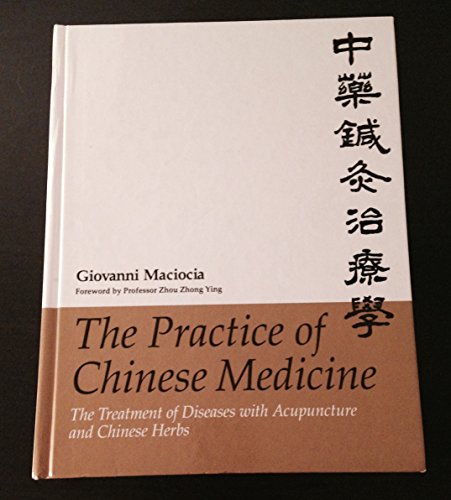
The Practice of Chinese Medicine: The Treatment of Diseases with Acupuncture and Chinese Herbs
Maciocia’s The Practice of Chinese Medicine, 3rd Edition <strong>describes how to apply TCM theory to the diagnosis and treatment of disorders and conditions frequently encountered in practice</strong

Reliefband Classic Anti-Nausea Wristband for Motion ...
Reliefband Classic Anti-Nausea Wristband for Motion Sickness, Morning Sickness, Travel, Sea Sickness & Vomiting Relief - Motion Sickness Wristband FDA Cleared Drug-Free, Fast-Acting Nausea Relief

Sea-Band Anti-Nausea Acupressure Wristband for Motion & Morning Sickness, 1 Pair, Gray
Completely natural, Sea-Band uses acupressure wristbands to gently restore balance to your body. No drugs. No side effects. Clinically tested. <strong>Suitable for most types of sickness and nausea</s
Health Disclaimer
This content is for informational purposes only and does not constitute medical advice. Always consult a qualified healthcare provider before starting, stopping, or changing any supplement or medication regimen.