

Acupuncture and Infertility
This page explores acupuncture for fertility support—how the modality may relate to reproductive outcomes and how to integrate it thoughtfully with medical care. Scope includes women with irregular cycles, polycystic ovary syndrome (PCOS), endometriosis, unexplained infertility, those undergoing assisted reproductive technologies (ART) such as IVF/ICSI, and male-factor considerations like low sperm count or motility. What the evidence shows: High-quality randomized controlled trials (RCTs) and meta-analyses in IVF suggest that acupuncture performed around embryo transfer does not increase live birth rates compared with sham acupuncture. Some subgroup or observational studies have reported benefits in specific contexts, but overall findings are mixed. For menstrual regulation and ovulation in PCOS, small RCTs—often using electroacupuncture—suggest possible improvements in ovulatory frequency and hormones, though study quality and consistency vary. In men, limited trials report improvements in sperm motility and morphology; evidence remains preliminary. Across settings, acupuncture appears to reduce anxiety and procedural stress in fertility treatment, which may support overall well-being during a demanding process. How might it work? Proposed mechanisms include modulation of the hypothalamic–pituitary–adrenal (HPA) axis and autonomic nervous system to reduce stress and normalize neuroendocrine signaling; improved blood flow to the ovaries and uterus (observed via Doppler indices) that could support follicular development and endometrial receptivity; immune modulation related to implantation; and effects on sperm parameters. These are biologically plausible hypotheses supported to varying degrees by early studies; definitive causal links to higher live birth rates have not been established. Practical integration and safety: In research, acupuncture for fertility has been used before conception and as an adjunct during IVF. Protocols commonly include weekly sessions
Updated September 8, 2026This content is for informational purposes only and does not constitute medical advice. Always consult a qualified healthcare provider before starting, stopping, or changing any supplement or medication regimen.
Medical Perspectives
Two Ways of Seeing Health

Western
scientific · clinical
Western medicine applies science, technology, and clinical experience to treat symptoms through testing, diagnosis, and targeted intervention.
Surgeons · Pharmaceuticals · Clinical trials · Diagnostics 
Eastern
traditional · alternative
Eastern medicine focuses on treating the body naturally by applying traditional knowledge practiced for thousands of years, emphasizing balance and whole-person wellness.
Acupuncture · Herbal medicine · Yoga · Meditation
Gold Bamboo presents both perspectives side-by-side so you can make informed decisions. We don't advocate for one over the other — your health choices are yours.
Two Ways of Seeing Health
Western
scientific · clinical
Western medicine applies science, technology, and clinical experience to treat symptoms through testing, diagnosis, and targeted intervention.
Eastern
traditional · alternative
Eastern medicine focuses on treating the body naturally by applying traditional knowledge practiced for thousands of years, emphasizing balance and whole-person wellness.
Gold Bamboo presents both perspectives side-by-side so you can make informed decisions. We don't advocate for one over the other — your health choices are yours.
Western Perspective
From a Western clinical lens, acupuncture is considered a supportive, low-risk adjunct that may help with stress and symptom management during fertility care. Large, well-controlled trials in women undergoing IVF report no meaningful increase in live birth rates from peri–embryo-transfer acupuncture compared with credible sham. Evidence for menstrual regulation in PCOS and for male-factor sperm quality is mixed and generally limited by small sample sizes and methodological issues. Mechanistic studies suggest acupuncture can influence neuroendocrine function and uterine/ovarian blood flow, but translation to improved birth outcomes remains unproven.
Key Insights
- High-quality RCTs in IVF show no increase in live birth with peri-transfer acupuncture versus sham; earlier positive trials likely reflected bias or context effects.
- Acupuncture may reduce anxiety and improve patient-reported outcomes during ART cycles, potentially aiding adherence and perceived control.
- Small RCTs in PCOS suggest electroacupuncture may increase menstrual frequency and affect androgen/insulin markers; heterogeneity and risk of bias temper conclusions.
- Pilot studies in men report improvements in sperm motility and morphology; overall evidence remains preliminary.
- Safety data indicate acupuncture is generally safe when performed by trained practitioners; adverse events are usually minor.
Treatments
- Peri–embryo-transfer acupuncture protocols used in trials
- Electroacupuncture protocols for ovulatory dysfunction in PCOS (research settings)
- Acupuncture for anxiety and procedural stress during ART
- Adjunctive acupuncture during preconception care
Deep Dive
From a Western perspective, the key question is whether acupuncture changes clinically important outcomes such as ovulation, conception, and liv... From a Western perspective, the key question is whether acupuncture changes clinically important outcomes such as ovulation, conception, and live birth. The most mature evidence concerns adjunct acupuncture for IVF. Early studies suggested improved pregnancy rates, but subsequent large, rigorously blinded trials—using standardized protocols timed before and after embryo transfer—found no difference in live birth compared with sham acupuncture. The 2018 JAMA multicenter RCT and a 2019 Cochrane review concluded that, for most patients undergoing ART, acupuncture probably does not increase the likelihood of live birth. These findings suggest that any specific physiological effects of needling, if present, may be small relative to the complex determinants of ART success. Outside of IVF, research is more heterogeneous. In PCOS, small RCTs—often of electroacupuncture—report increased menstrual frequency and possible shifts in androgens and insulin sensitivity, indicating a potential role in cycle regulation. However, variation in protocols, small sample sizes, and risk of bias limit certainty and preclude firm clinical recommendations. For male-factor infertility, pilot trials suggest improvements in sperm motility and morphology, but confirmatory, adequately powered trials with pregnancy or live birth endpoints are lacking. Mechanistic studies offer plausible pathways: modulation of the hypothalamic–pituitary–adrenal axis and autonomic balance (which could reduce stress-related hormonal disruption), improved uterine and ovarian blood flow on Doppler ultrasound, and immune signaling changes relevant to implantation. These data are intriguing but do not yet establish a causal link to higher live birth rates. Clinically, acupuncture can be considered as a supportive therapy for symptom relief—reducing anxiety, improving sleep, and addressing pelvic discomfort—during the fertility journey. Safety data are reassuring when treatment is performed by licensed, experienced practitioners who coordinate with reproductive endocrinology teams. Western guidelines emphasize prioritizing timely medical evaluation and evidence-based interventions, with acupuncture positioned as an adjunct rather than a substitute for established fertility treatments.
Sources
- Smith CA et al. JAMA. 2018;319(19):1990-1998.
- Smith CA, Armour M, et al. Cochrane Database Syst Rev. 2019: Acupuncture for women undergoing ART.
- Manheimer E et al. BMJ. 2008;336:545-549.
- Stener-Victorin E et al. Hum Reprod. 1996/1999: uterine artery blood flow studies.
- Jedel E et al. Am J Physiol Endocrinol Metab. 2011;300:E37–E45.
- Pei J et al. Fertil Steril. 2005;84:141–147.
- NICE Guideline CG156. Fertility problems (updated).
- MacPherson H et al. BMJ. 2001;323:486–487.
Eastern Perspective
Traditional East Asian medicine views fertility as a reflection of systemic balance—especially the Kidney (Jing/Essence), Liver (Qi flow), Spleen (Qi/Blood production), and the smooth circulation of Blood to the uterus (Bao Gong) and ovaries. Patterns such as Kidney deficiency, Liver Qi stagnation, Blood deficiency or stasis, and Damp-Phlegm (commonly associated with PCOS) guide individualized treatment. Acupuncture aims to harmonize these patterns, regulate the menstrual cycle, nourish Jing and Blood, and calm the Shen (mind/spirit), thereby supporting natural conception or enhancing receptivity during ART.
Key Insights
- Cycle-based treatment is common: regulating menses, supporting follicular development, promoting ovulation, and optimizing luteal phase.
- PCOS is often framed as Damp-Phlegm with Liver Qi stagnation and Spleen Qi deficiency; treatment focuses on resolving dampness, moving Qi, and supporting Spleen/Kidney.
- Endometriosis may be seen as Blood stasis with underlying Cold or Heat; therapy emphasizes moving Blood and easing pain.
- Male-factor issues often relate to Kidney Jing deficiency or Damp-Heat; acupuncture supports Jing and clears pathogenic factors.
- Mind–body calm (Shen) is integral; reducing stress is considered central to restoring reproductive harmony.
Treatments
- Body acupuncture tailored to TCM pattern (e.g., points along Ren, Chong, Kidney, Liver, and Spleen channels)
- Electroacupuncture to move Qi/Blood and support ovulation (in select cases)
- Moxibustion to warm and nourish, especially in Cold-type or deficiency patterns
- Lifestyle and diet aligned with TCM principles; gentle movement and breathwork
- Collaboration with herbal medicine when appropriate and coordinated with medical care
Deep Dive
In traditional East Asian medicine, fertility reflects the harmonious interplay of Jing (Essence), Qi, Blood, and Shen within the network of org... In traditional East Asian medicine, fertility reflects the harmonious interplay of Jing (Essence), Qi, Blood, and Shen within the network of organs and channels—especially the Kidneys (reproductive foundation), Liver (ensuring smooth flow of Qi and Blood), Spleen (transforming nutrients into Qi and Blood), and the extraordinary vessels (Ren/Chong) that regulate gynecologic function. Acupuncture is selected not by diagnosis labels alone but by identifying patterns such as Kidney deficiency, Liver Qi stagnation, Blood deficiency or stasis, and Damp-Phlegm. For example, PCOS often presents as Damp-Phlegm accumulation with stagnation; treatment aims to resolve dampness, move Qi, and support Spleen and Kidney. Endometriosis may be seen as Blood stasis with Cold or Heat; moving Blood and easing pain are priorities. Male-factor issues can relate to Kidney Jing deficiency or Damp-Heat; therapy supports Jing while clearing pathogenic factors. Treatment often follows the menstrual cycle: regulating and smoothing the flow during menses, nourishing Blood and encouraging folliculogenesis in the follicular phase, moving Liver Qi and facilitating ovulation around mid-cycle, and consolidating Kidney Yang/Blood in the luteal phase. Moxibustion may be used in Cold or deficiency patterns to warm and nourish; electroacupuncture can help move Qi and Blood when stagnation is prominent. Throughout, calming the Shen—reducing stress and promoting restorative sleep—is viewed as essential to reproductive harmony, echoing modern findings that stress can influence neuroendocrine pathways. From this vantage point, outcomes include more regular cycles, improved basal body temperature patterns, eased pelvic pain, and a greater sense of balance, which may support natural conception or complement ART. Practitioners emphasize collaboration with biomedical care—timing treatments around stimulation, retrieval, and transfer, avoiding vigorous needling during early pregnancy, and coordinating with fertility specialists. While classical theory provides a rich rationale, contemporary practitioners increasingly integrate emerging research—such as studies on uterine blood flow and hormonal modulation—without assuming one-to-one equivalence between traditional concepts and biomedical mechanisms.
Sources
- Huangdi Neijing (Yellow Emperor’s Inner Classic)
- Maciocia G. Obstetrics and Gynecology in Chinese Medicine, 2nd ed.
- Stener‑Victorin E et al. mechanistic acupuncture research
- NCCIH overview of acupuncture
Evidence Ratings
Acupuncture around embryo transfer does not increase live birth rates versus sham in IVF.
Smith CA et al. JAMA. 2018;319(19):1990-1998.
Overall, acupuncture probably has little or no effect on live birth in women undergoing ART.
Smith CA, Armour M, et al. Cochrane Database Syst Rev. 2019: Acupuncture for women undergoing ART.
Acupuncture may reduce anxiety in women undergoing IVF, improving patient-reported outcomes.
Isoyama D et al. Fertil Steril. 2012: randomized trial on anxiety during IVF (sham-controlled).
Electroacupuncture can improve menstrual frequency and influence androgen/insulin measures in some women with PCOS.
Jedel E et al. Am J Physiol Endocrinol Metab. 2011;300:E37–E45.
Acupuncture can reduce uterine artery blood flow impedance, a proxy for uterine perfusion.
Stener‑Victorin E et al. Hum Reprod. 1996/1999: Doppler studies.
Acupuncture may improve sperm motility and morphology in some men with infertility.
Pei J et al. Fertil Steril. 2005;84:141–147; Siterman S et al. Andrologia. 1997;29:135–141.
Acupuncture is generally safe when performed by trained practitioners; serious adverse events are rare.
MacPherson H et al. BMJ. 2001;323:486–487; White A. Acupunct Med. safety reviews.
Sources
- Smith CA et al. Effect of Acupuncture vs Sham on Live Births Among Women Undergoing IVF. JAMA. 2018;319(19):1990-1998.
- Smith CA, Armour M, de Lacey S, et al. Acupuncture for women undergoing assisted reproductive technology. Cochrane Database Syst Rev. 2019.
- Manheimer E et al. Effects of acupuncture on rates of pregnancy and live birth among women undergoing IVF: systematic review and meta-analysis. BMJ. 2008;336:545-549.
- Stener‑Victorin E, Waldenström U, et al. Reduction of blood flow impedance in the uterine arteries of infertile women with electro-acupuncture. Hum Reprod. 1996/1999.
- Jedel E et al. Impact of electroacupuncture and exercise on PCOS: randomized trial. Am J Physiol Endocrinol Metab. 2011;300:E37–E45.
- Pei J et al. Quantitative evaluation of spermatozoa after acupuncture treatment. Fertil Steril. 2005;84:141–147.
- Siterman S et al. Effect of acupuncture on sperm parameters. Andrologia. 1997;29:135–141.
- NICE Guideline CG156. Fertility problems: assessment and treatment. Updated ed.
- MacPherson H et al. The York acupuncture safety study. BMJ. 2001;323:486–487.
- NCCIH. Acupuncture: In Depth. National Institutes of Health.
Related Topics
Recommended Products
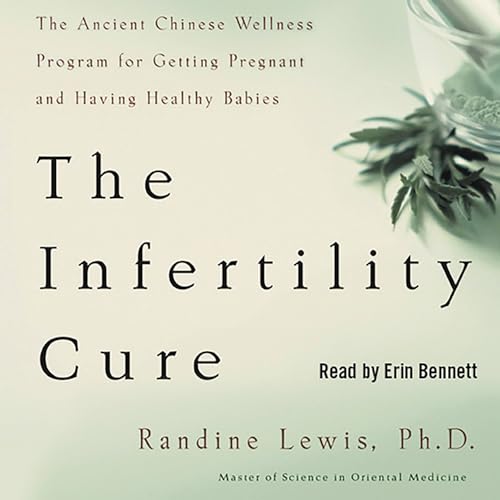
The Infertility Cure: The Ancient Chinese Wellness Program for Getting Pregnant and Having Healthy Babies: Lewis PhD, Randine
Randine A. Lewis, <strong>author of The Infertility Cure (2004), The Way of the Fertile Soul (2007), The Spirit of the Blood (2022), and Birthing The Tao (2023),</strong> has become a leading expert i
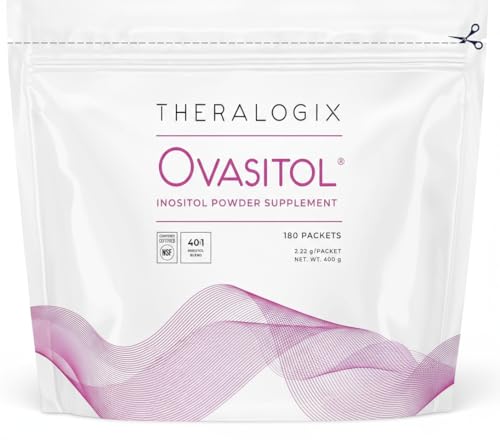
Theralogix Ovasitol Inositol Powder - 90-Day Supply - Myo-Inositol & D-Chiro Inositol for Hormone Balance & Ovarian Function Support* - NSF Certified - 400 g (180 Servings)
Ovasitol combines myo-inositol and D-chiro-inositol in a 40:1 ratio, which is <strong>more effective than other ratios or either form alone</strong>.

Ear Seeds: Acupressure Multi-Condition Reference Kit - 160 pcs. Stainless Steel Ear Seeds with Clear Latex-Free Tape, Tweezers and Simple Condition-Specific Reference Charts - Comes with Display Box
Buy <strong>Ear Seeds: Acupressure Multi-Condition Reference Kit</strong> - 160 pcs. Stainless Steel Ear Seeds with Clear Latex-Free Tape, Tweezers and Simple Condition-Specific Reference Charts - Com
Health Disclaimer
This content is for informational purposes only and does not constitute medical advice. Always consult a qualified healthcare provider before starting, stopping, or changing any supplement or medication regimen.