

Allergic Rhinitis (Hay Fever) and Acupuncture
Acupuncture is frequently sought as an adjunctive option for allergic rhinitis (hay fever), a common condition marked by sneezing, nasal congestion, itching, and rhinorrhea that can seriously affect quality of life during pollen seasons or year‑round. Research over the past two decades includes multiple randomized controlled trials (RCTs) and systematic reviews comparing real acupuncture to sham (minimal or non‑point needling) and to usual care. Across meta-analyses and large trials, acupuncture shows modest improvements in total nasal symptom scores and disease-specific quality of life compared with sham or waitlist controls. Pooled effects are generally small-to-moderate: many reviews report standardized mean differences favoring acupuncture, and at least one large multicenter RCT (often cited as ACUSAR) found clinically meaningful gains on the Rhinitis Quality of Life Questionnaire and reduced rescue medication use over the pollen season. Medication-sparing effects (reduced antihistamine use) have been observed in some studies, though not all, and heterogeneity in point selection, session frequency, and sham methods complicates interpretation. Blinding is imperfect in procedural trials, and expectancy/placebo responses likely contribute alongside specific physiologic effects. Proposed mechanisms include immunomodulation—partial normalization of skewed Th2 responses through changes in IgE and cytokines such as IL‑4, IL‑5, IL‑10, and IFN‑γ—plus anti-inflammatory actions and autonomic regulation of nasal mucosal blood flow and glandular secretion. Experimental data suggest acupuncture can influence neuropeptides (e.g., substance P, CGRP) and the autonomic nervous system, which may translate to less nasal hyperreactivity. These biologic findings are promising but remain emerging and not fully consistent across studies. Clinically, patients most often report improvements in sneezing, itching, and rhinorrhea within several sessions; congestion also improves for some
Updated September 8, 2026This content is for informational purposes only and does not constitute medical advice. Always consult a qualified healthcare provider before starting, stopping, or changing any supplement or medication regimen.
Medical Perspectives
Two Ways of Seeing Health

Western
scientific · clinical
Western medicine applies science, technology, and clinical experience to treat symptoms through testing, diagnosis, and targeted intervention.
Surgeons · Pharmaceuticals · Clinical trials · Diagnostics 
Eastern
traditional · alternative
Eastern medicine focuses on treating the body naturally by applying traditional knowledge practiced for thousands of years, emphasizing balance and whole-person wellness.
Acupuncture · Herbal medicine · Yoga · Meditation
Gold Bamboo presents both perspectives side-by-side so you can make informed decisions. We don't advocate for one over the other — your health choices are yours.
Two Ways of Seeing Health
Western
scientific · clinical
Western medicine applies science, technology, and clinical experience to treat symptoms through testing, diagnosis, and targeted intervention.
Eastern
traditional · alternative
Eastern medicine focuses on treating the body naturally by applying traditional knowledge practiced for thousands of years, emphasizing balance and whole-person wellness.
Gold Bamboo presents both perspectives side-by-side so you can make informed decisions. We don't advocate for one over the other — your health choices are yours.
Western Perspective
Western clinical research indicates acupuncture provides modest symptom relief and quality‑of‑life gains for allergic rhinitis, with some reduction in rescue medication use. Evidence quality is moderate due to heterogeneity, variable sham controls, and blinding limitations. Safety is favorable when performed by trained practitioners.
Key Insights
- Meta-analyses generally show small-to-moderate improvements in total nasal symptom scores versus sham or usual care.
- Quality-of-life (e.g., RQLQ) often improves, sometimes reaching minimal clinically important differences in larger seasonal trials.
- Some studies report reduced antihistamine use and fewer symptom‑control medications during treatment periods.
- Heterogeneity in acupoint protocols, dose (session number/frequency), and sham methods limits certainty; expectancy effects likely contribute.
- Adverse events are typically mild (transient soreness, bruising); serious events are rare in trained hands.
Treatments
- Acupuncture as adjunct to standard therapy
- Intranasal corticosteroids
- Oral/non‑sedating antihistamines
- Allergen immunotherapy (SCIT/SLIT)
- Nasal saline irrigation
Deep Dive
From a western clinical standpoint, allergic rhinitis is an IgE‑mediated inflammatory disease of the nasal mucosa driven by allergen exposure an... From a western clinical standpoint, allergic rhinitis is an IgE‑mediated inflammatory disease of the nasal mucosa driven by allergen exposure and characterized by sneezing, itching, rhinorrhea, and congestion. Standard care prioritizes intranasal corticosteroids, non‑sedating antihistamines, leukotriene modifiers in selected cases, and allergen immunotherapy for persistent or severe disease. Against this background, acupuncture has been evaluated as an adjunctive therapy. Randomized trials—particularly larger seasonal studies—demonstrate that acupuncture can produce small-to-moderate reductions in composite nasal symptom scores and improvements in disease-specific quality of life compared with minimal/sham acupuncture or waitlist controls. Some trials also report less rescue medication use during active treatment blocks. These benefits often emerge within several sessions and may persist throughout a pollen season when treatments are continued, though durability beyond the treated season is less certain. Methodologically, study heterogeneity is substantial: point prescriptions vary, as do treatment frequency and total number of sessions. Sham controls range from superficial needling to nonacupoint insertion, each carrying a risk of physiologic effects that may dilute between‑group differences. As a result, pooled estimates likely represent conservative effect sizes. Expectancy and practitioner‑patient interaction contribute to outcomes, but mechanistic investigations suggest specific biologic actions as well—modest shifts in cytokine profiles (e.g., lower IL‑4/IL‑5, higher IL‑10 or IFN‑γ in some studies), potential effects on total IgE, and autonomic modulation of nasal vasculature and glandular secretion. Safety data are reassuring: most adverse events are minor and transient (bruising, soreness, lightheadedness), with serious events exceedingly rare under trained practitioners. In practice, clinicians may consider acupuncture for patients with persistent symptoms despite medications, those wishing to reduce drug burden, or patients preferring integrative approaches, ensuring it complements guideline‑directed allergy management and that red flags (e.g., uncontrolled asthma, recurrent sinusitis) prompt specialist evaluation.
Sources
- Cochrane Database Syst Rev (2015). Acupuncture for allergic rhinitis.
- Witt CM et al. ACUSAR Trial. Ann Allergy Asthma Immunol (2013).
- Xue CC et al. RCT in persistent allergic rhinitis. Allergy (2007).
- Kim JI et al. Am J Rhinol Allergy (2018) meta‑analysis.
- Zhao L et al. Medicine (Baltimore) (2022) updated meta‑analysis.
- ARIA Guideline Update (2016/2019).
Eastern Perspective
In Traditional Chinese Medicine (TCM), allergic rhinitis is often viewed as an external invasion (wind) exploiting internal vulnerabilities such as Lung and Spleen Qi deficiency or Kidney deficiency. Treatment aims to expel external pathogens, open the nasal orifices, and strengthen Wei (defensive) Qi. Acupuncture is individualized by pattern, often combined with moxibustion, herbal formulas, and lifestyle guidance.
Key Insights
- Core points (e.g., LI20, Bitong, Yintang, LI4, GV23) are selected to open nasal passages and disperse wind; systemic points (e.g., ST36, SP6) tonify Qi and support immunity.
- Seasonal prophylaxis (pre‑season treatments) is used in TCM to reduce symptom burden during high‑pollen periods.
- Herbal formulas such as Yu Ping Feng San (Jade Windscreen) and Cang Er Zi San are traditionally paired with acupuncture.
- Auricular acupuncture and acupressure are sometimes used for self‑care between visits.
- Modern integrative interpretations align TCM ‘wind’ and Wei Qi with immune and autonomic balance, though direct mappings are conceptual.
Treatments
- Body acupuncture (pattern‑based)
- Moxibustion
- Auricular acupuncture/acupressure
- Chinese herbal medicine (e.g., Yu Ping Feng San, Cang Er Zi San)
Deep Dive
Traditional Chinese Medicine interprets allergic rhinitis as a disharmony where external ‘wind’ invades when defensive (Wei) Qi is insufficient,... Traditional Chinese Medicine interprets allergic rhinitis as a disharmony where external ‘wind’ invades when defensive (Wei) Qi is insufficient, often due to underlying Lung and Spleen Qi deficiency or, in chronic cases, Kidney deficiency. Treatment is individualized to the patient’s pattern and seasonality. Locally acting points such as LI20 (Yingxiang), Bitong, and Yintang open the nasal passages and disperse wind; systemic points like LI4 (Hegu), ST36 (Zusanli), and SP6 (Sanyinjiao) regulate Qi, support the Lung and Spleen, and strengthen overall resistance. During peak pollen periods, TCM clinicians may increase treatment frequency to maintain symptom control, while in the off‑season, they may emphasize tonification to reduce next season’s vulnerability. Moxibustion may be added when cold patterns predominate. Herbal formulas such as Yu Ping Feng San (Jade Windscreen) are chosen to stabilize the exterior and fortify Wei Qi, while Cang Er Zi San is used to relieve nasal obstruction and discharge; these are adjusted according to patient constitution and presentation. From an integrative lens, TCM’s focus on strengthening constitutional resilience complements modern ideas of immune and autonomic balance: what TCM terms ‘wind’ resembles environmental triggers, while Wei Qi parallels mucosal and barrier defenses. Contemporary studies exploring shifts in cytokine balance and autonomic tone offer a bridge between these frameworks, even as definitive biologic explanations remain incomplete. Patient narratives from TCM practice often emphasize quicker relief of sneezing and itching, gradual improvement in congestion, better sleep, and reduced reliance on antihistamines. Practitioners counsel consistency—several sessions are usually needed—and seasonal planning, pairing acupuncture with diet, rest, nasal rinsing, and stress reduction. Within this tradition, acupuncture is used safely by avoiding contraindicated points in pregnancy, needling cautiously in those with bleeding risk, and maintaining sterile technique. Collaboration with biomedical providers is encouraged when symptoms are severe, when asthma coexists, or when immunotherapy is being considered, aligning TCM’s individualized care with evidence‑based allergy management.
Sources
- World Health Organization. Acupuncture: Review and Analysis (2002).
- Contemporary TCM textbooks on Bi Qiu (rhinitis) management.
- Integrative overviews linking TCM patterns with immune modulation (various reviews).
Evidence Ratings
Acupuncture modestly improves total nasal symptom scores versus sham/usual care in allergic rhinitis.
Cochrane Database Syst Rev (2015); Kim JI et al., Am J Rhinol Allergy (2018).
Acupuncture improves disease-specific quality of life (e.g., RQLQ) in seasonal allergic rhinitis.
ACUSAR RCT (Ann Allergy Asthma Immunol, 2013) and subsequent meta-analyses.
Acupuncture can reduce rescue antihistamine use during treatment periods in some trials.
ACUSAR RCT; pooled analyses in Medicine (Baltimore) 2022.
Physiologic studies suggest immunomodulation (e.g., altered IgE and Th2 cytokines) after acupuncture.
Small mechanistic trials in allergic rhinitis and related inflammatory conditions (various).
Acupuncture may influence autonomic tone and neuropeptides affecting nasal mucosa.
Autonomic Neuroscience and neuroimaging studies of acupuncture (various).
Acupuncture is generally safe; most adverse events are minor and transient when performed by trained practitioners.
Large prospective safety surveys (e.g., MacPherson et al., Acupunct Med; White et al., BMJ).
Expectancy/placebo responses likely contribute to observed benefits due to blinding challenges in procedural trials.
Methodological analyses of sham-controlled acupuncture RCTs and meta-epidemiology (various).
Sources
- Cochrane Database of Systematic Reviews (2015). Acupuncture for allergic rhinitis.
- Witt CM et al. ACUSAR: Acupuncture in Seasonal Allergic Rhinitis. Annals of Allergy, Asthma & Immunology (2013).
- Xue CC et al. Acupuncture for persistent allergic rhinitis: randomized, sham‑controlled trial. Allergy (2007).
- Kim JI et al. Acupuncture for allergic rhinitis: systematic review and meta‑analysis. American Journal of Rhinology & Allergy (2018).
- Zhao L et al. Acupuncture for allergic rhinitis: updated meta‑analysis. Medicine (Baltimore) (2022).
- Allergic Rhinitis and its Impact on Asthma (ARIA) guideline update (2016/2019).
- White A et al. Adverse events following acupuncture: survey. BMJ (2001).
- MacPherson H et al. Safety of acupuncture in routine practice: prospective surveys. Acupuncture in Medicine (various).
- Autonomic Neuroscience reviews on acupuncture and autonomic modulation (various).
Related Topics
Recommended Products
Acupressure's Potent Points: A Guide to Self-Care for Common Ailments: Michael Reed Gach
In Acupressure’s Potent Points, ... of America, <strong>reveals simple techniques that enable you to relieve headaches, arthritis, colds and flu, insomnia, backaches, hiccups, leg pain, hot flashes, d
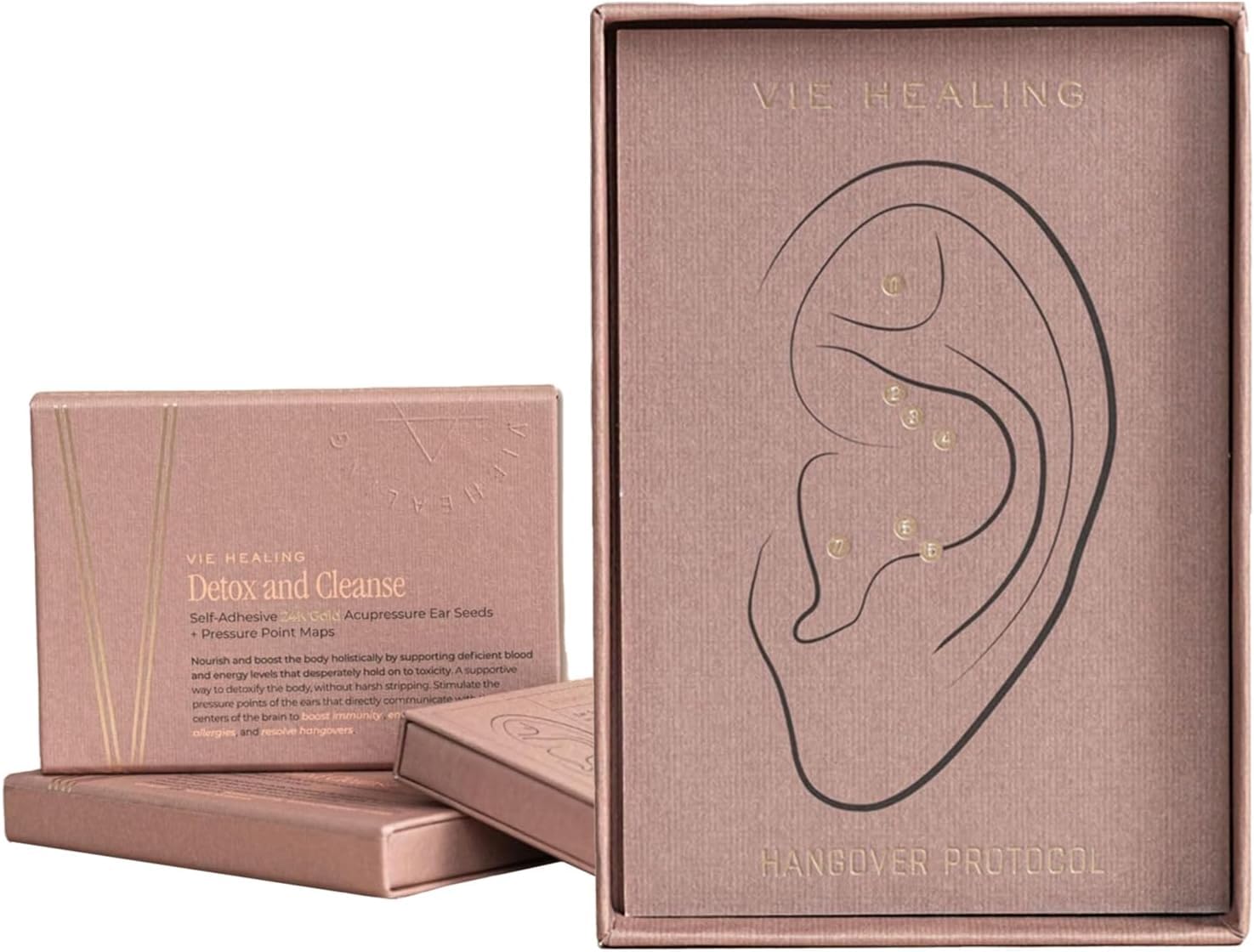
Vie Healing 24k Gold Ear Seeds with Ear Chart - Ear Seed Acupressure Kit for Reflexology and Energy Flow - Acupressure Ear Seeds for Immune System Booster, Allergies, & Digestive Health - (Detox)
𝗛𝗘𝗔𝗟𝗧𝗛 ... This ear seeds acupressure kit is <strong>tailored to address health concerns, including low immunity, seasonal allergies, and digestive issues</strong>....

NeilMed Sinus Rinse - A Complete Sinus Nasal Rinse Kit, 50 count (Pack of 1) Count may vary
Buy NeilMed Sinus Rinse - A Complete Sinus Nasal Rinse Kit, 50 count (Pack of 1) Count may vary on Amazon.com ✓ FREE SHIPPING on qualified orders
Health Disclaimer
This content is for informational purposes only and does not constitute medical advice. Always consult a qualified healthcare provider before starting, stopping, or changing any supplement or medication regimen.