

Stress
Stress: Overview
Stress refers to the mind-body response to perceived challenge, threat, demand, or change. In health contexts, the term can describe both a physiologic process—including activation of the nervous, endocrine, and immune systems—and a lived experience shaped by work, relationships, finances, illness, trauma, sleep, and environment. Short-term stress can be adaptive, helping the body mobilize energy and attention. However, when stress becomes frequent, intense, or prolonged, it may contribute to a wide range of physical and mental health concerns.
From a public health perspective, stress is highly prevalent and closely intertwined with modern disease burden. Research has associated chronic stress with sleep disturbance, anxiety and depressive symptoms, headaches, gastrointestinal discomfort, elevated blood pressure, cardiovascular risk, metabolic changes, pain amplification, and reduced quality of life. Stress can also influence health behaviors indirectly by affecting appetite, movement, substance use, and adherence to self-care routines. Because stress affects multiple systems at once, it is often discussed not only as a symptom or risk factor, but also as a cross-cutting health modality relevant to prevention, resilience, and recovery.
Biologically, the stress response is often described through the sympathetic nervous system and the hypothalamic-pituitary-adrenal (HPA) axis. These pathways help regulate the release of catecholamines and cortisol, preparing the body for action. In acute situations, this response can be protective. Over time, repeated activation may contribute to what researchers sometimes call allostatic load—the cumulative wear and tear associated with chronic adaptation to stressors. This concept helps explain why long-term stress may affect cardiovascular, immune, endocrine, and cognitive function.
Stress is also deeply contextual. Individual responses vary based on genetics, early life experiences, coping resources, social support, cultural meaning, and exposure to adversity. For that reason, many health systems now view stress through a biopsychosocial lens, recognizing that effective stress-related care may involve psychological, behavioral, social, and somatic dimensions. In both conventional and traditional medicine, stress is increasingly approached as a dynamic interaction between internal regulation and external conditions rather than a purely mental phenomenon.
Compare Treatment Options
Stress management refers to the set of strategies used to reduce the mental, emotional, and physical effects of stress. Stress itself is not always harmful; short-term stress can support focus, motivation, and adaptation. Problems tend to arise when stress is frequent, prolonged, or intense enough to disrupt sleep, mood, concentration, relationships, digestion, blood pressure, or daily functioning. In practice, stress management can include psychotherapy, behavioral tools, exercise, breathing practices, mindfulness training, sleep support, and in some cases medications or structured integrative therapies. Treatment options vary because stress is both a physiologic response and a lived experience. Western medicine often focuses on measurable symptoms, mental health screening, nervous system regulation, and treatment of related conditions such as anxiety, insomnia, depression, or hypertension. Eastern and integrative traditions may frame stress in terms of imbalance, depleted resilience, or dysregulated mind-body patterns, and often emphasize daily practices such as breathwork, meditation, acupuncture, yoga, and botanical support. The best fit often depends on symptom intensity, how long stress has been present, whether there is panic, burnout, sleep disruption, or body tension, and how quickly symptom relief is needed.
View treatment comparison (6 options)Medical Perspectives
Two Ways of Seeing Health

Western
scientific · clinical
Western medicine applies science, technology, and clinical experience to treat symptoms through testing, diagnosis, and targeted intervention.

Eastern
traditional · alternative
Eastern medicine focuses on treating the body naturally by applying traditional knowledge practiced for thousands of years, emphasizing balance and whole-person wellness.
Gold Bamboo presents both perspectives side-by-side so you can make informed decisions. We don't advocate for one over the other — your health choices are yours.
Western Medicine Perspective
Western / Conventional Medicine Perspective
In conventional medicine, stress is understood as a multisystem psychophysiological response. Clinicians and researchers commonly distinguish between acute stress, episodic stress, and chronic stress, while also examining whether symptoms reflect an adjustment issue, an anxiety-related condition, trauma-related responses, burnout, or the physiologic effects of chronic life strain. Assessment may include history of stressors, sleep, mood, concentration, physical symptoms, substance use, occupational demands, and coexisting medical conditions. Stress itself is not always classified as a disease, but it is widely recognized as a meaningful contributor to disease risk and symptom severity.
Western approaches often focus on identifying stress-related patterns and reducing downstream effects on mental and physical health. Common nonpharmacologic approaches studied in the literature include cognitive behavioral therapy, mindfulness-based interventions, relaxation training, biofeedback, exercise, sleep-focused strategies, and social support interventions. In some cases, clinicians may also evaluate whether stress is exacerbating conditions such as hypertension, irritable bowel syndrome, chronic pain, insomnia, migraine, or depression. The medical model generally emphasizes individualized evaluation, especially when stress coexists with panic symptoms, severe insomnia, trauma history, or functional impairment.
A major strength of the conventional approach is its reliance on measurable outcomes, including perceived stress scales, heart rate variability, sleep metrics, blood pressure, cortisol patterns, and mental health assessments. At the same time, researchers note that stress is difficult to define uniformly, and intervention studies vary in quality. Even so, substantial evidence supports the idea that stress reduction practices can improve patient-reported well-being and may positively influence certain physiologic markers, particularly when integrated into broader lifestyle and behavioral care.
Eastern & Traditional Perspective
Eastern / Traditional Medicine Perspective
In Traditional Chinese Medicine (TCM), stress is often interpreted in terms of imbalance in the flow of Qi, especially patterns involving Liver Qi stagnation, disturbance of the Heart-Shen, or disharmony affecting the Spleen and digestive system. Emotional strain may be understood as disrupting the smooth movement of energy, which in turn can manifest as irritability, tension, headaches, digestive upset, fatigue, poor sleep, or menstrual irregularity. Traditional approaches have historically aimed to restore harmony rather than isolate stress as a single pathology.
Across Ayurveda, stress may be described through disturbance of the doshas, particularly aggravation of Vata through overstimulation, irregular routines, worry, and depletion. Depending on the person and pattern, stress may also involve Pitta-related intensity or Kapha-related stagnation. Traditional frameworks often place strong emphasis on daily rhythm, breath, meditation, digestion, sensory balance, and the relationship between mind, body, and environment. Rather than viewing stress solely as a neuroendocrine event, Ayurveda tends to frame it as a disruption of systemic balance, resilience, and mental clarity.
Other traditional and integrative systems—including naturopathy, yoga-based models, and contemplative traditions—commonly describe stress as a disturbance in regulation that may be addressed through breathing practices, meditation, yoga, acupuncture, bodywork, herbal traditions, time in nature, and restoration of routine. Modern research on some of these modalities, particularly mindfulness, yoga, tai chi, and acupuncture, suggests potential benefit for perceived stress and related symptoms in some populations, though study quality and consistency vary. Traditional systems generally emphasize long-term cultivation of balance and adaptability, while contemporary integrative care increasingly seeks to evaluate these practices using standardized clinical methods.
Related Topics
Acupuncture
Acupuncture — modality topic in the Gold Bamboo health ontology.
How They Relate
Stress & Acupuncture
Acupuncture, a traditional East Asian therapy involving the stimulation of specific points with fine needles, is increasingly explored for stress management. From a western perspective, research su...
Supplements & Products
Recommended Products
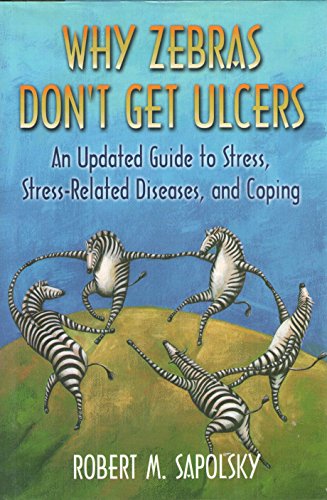
Why Zebras Don't Get Ulcers: An Updated Guide to Stress, Stress Related Diseases, and Coping (2nd Edition): Sapolsky, Robert M.
In a fascinating look at the science of stress, biologist Robert Sapolsky presents an intriguing case, that <strong>people develop such diseases partly because our bodies aren't designed for the

Life Extension Optimized Ashwagandha - Stress Management Supplement for a Healthy Stress Response, Focus, Memory, Stress Relief - Vegetarian, Gluten-Free, Non-GMO, 60 Capsules
Sensoril Ashwagandha extract (root and leaf) [std. to 32% oligosaccharides, 10% withanolide glycoside conjugates] 125 mg Other ingredients: <strong>rice flour, vegetable cellulose (capsule), maltodext

Jarrow Formulas Extra Strength L Theanine 200mg Dietary Supplement That Promotes Relaxation, Supplement for Relaxation Support, 60 Veggie Capsules, 60 Day Supply : Everything Else
Jarrow Formulas® Regular Strength Theanine 100 mg, Dietary Supplement, 60 Capsules, 60 Day Supply · Life Extension L-Theanine, Amino Acid theanine, Calm, Relaxation, Mood, Gluten-Free, Non-GMO, Vegeta
Evidence & Sources
Supported by multiple clinical trials and systematic reviews
- World Health Organization (WHO)
- National Center for Complementary and Integrative Health (NCCIH)
- American Psychological Association
- The Lancet
- JAMA
- New England Journal of Medicine
- Nature Reviews Endocrinology
- Annual Review of Psychology
This content is for informational purposes only and does not constitute medical advice. Always consult a qualified healthcare provider before starting, stopping, or changing any supplement or medication regimen.