

Chronic Rhinosinusitis (CRS) and Acupuncture
Chronic rhinosinusitis (CRS) is a long-standing inflammation of the nasal and sinus linings lasting 12 weeks or more. It affects about 5–12% of adults and is commonly divided into CRS with nasal polyps (CRSwNP) and without nasal polyps (CRSsNP). Symptoms include nasal blockage or discharge, facial pressure or pain, reduced sense of smell, postnasal drip, cough, sleep disturbance, and fatigue. The burden on quality of life can rival other chronic diseases. Standard treatments include daily saline irrigation and intranasal corticosteroids; short courses of oral steroids and, when indicated, antibiotics for acute bacterial exacerbations; and endoscopic sinus surgery for refractory disease. For severe CRSwNP, biologics (e.g., dupilumab) are options. Despite these, many patients continue to have bothersome symptoms. Acupuncture, a core modality in Traditional Chinese Medicine (TCM), views CRS through patterns such as wind-cold/heat invasion with dampness and phlegm obstruction, often on a background of Lung or Spleen qi deficiency. Practitioners commonly use local and systemic points (e.g., LI20, Bitong, Yintang, BL2, LI4, ST36, LU7), auricular points (Nose, Sinus, Allergy, Shenmen), and sometimes electroacupuncture or moxibustion. From a biomedical perspective, proposed mechanisms relevant to sinus disease include modulation of neurogenic inflammation and pain pathways, shifts in autonomic tone, possible effects on mucociliary function, and changes in inflammatory mediators; these hypotheses are biologically plausible but not yet definitive. Clinical evidence for acupuncture in CRS is growing but remains limited. Systematic reviews pooling small randomized trials—many from single centers—suggest that acupuncture, as an adjunct to standard care, may improve patient-reported outcomes (e.g., SNOT-20/22 scores, nasal obstruction, facial pain) compared with usual care or sham controls. Effect sizes are typically modest to moderate, and durability beyond several weeks isunc
Updated September 8, 2026This content is for informational purposes only and does not constitute medical advice. Always consult a qualified healthcare provider before starting, stopping, or changing any supplement or medication regimen.
Medical Perspectives
Two Ways of Seeing Health

Western
scientific · clinical
Western medicine applies science, technology, and clinical experience to treat symptoms through testing, diagnosis, and targeted intervention.
Surgeons · Pharmaceuticals · Clinical trials · Diagnostics 
Eastern
traditional · alternative
Eastern medicine focuses on treating the body naturally by applying traditional knowledge practiced for thousands of years, emphasizing balance and whole-person wellness.
Acupuncture · Herbal medicine · Yoga · Meditation
Gold Bamboo presents both perspectives side-by-side so you can make informed decisions. We don't advocate for one over the other — your health choices are yours.
Two Ways of Seeing Health
Western
scientific · clinical
Western medicine applies science, technology, and clinical experience to treat symptoms through testing, diagnosis, and targeted intervention.
Eastern
traditional · alternative
Eastern medicine focuses on treating the body naturally by applying traditional knowledge practiced for thousands of years, emphasizing balance and whole-person wellness.
Gold Bamboo presents both perspectives side-by-side so you can make informed decisions. We don't advocate for one over the other — your health choices are yours.
Western Perspective
Western medicine recognizes CRS as a heterogeneous, chronic inflammatory disorder of the sinonasal mucosa with substantial quality-of-life impact. First-line therapy is topical care (saline irrigation and intranasal corticosteroids), with short oral steroid bursts for polyp-dominant disease; antibiotics are reserved for acute bacterial flares. Surgery is considered for medically refractory cases, and biologics are used in severe type 2 inflammatory CRSwNP. Within this framework, acupuncture is considered an adjunct aimed at symptom reduction and functional improvement rather than disease modification.
Key Insights
- CRS prevalence is approximately 5–12%, with subtypes CRSwNP (often type 2, eosinophilic) and CRSsNP (more neutrophilic/heterogeneous).
- Patient-reported measures such as SNOT-22 and VAS for obstruction/pain are central to monitoring outcomes; objective measures include endoscopy and CT scoring.
- Systematic reviews of small RCTs suggest acupuncture may offer modest improvements in symptom scores and quality of life when added to usual care, but studies often have high risk of bias and short follow-up.
- Acupuncture’s safety profile is generally favorable, with mostly minor, self-limited adverse effects; it should complement, not replace, evidence-based ENT care.
- Subgroups with overlapping allergic rhinitis may benefit more, given stronger evidence for acupuncture in allergic rhinitis.
Treatments
- Saline nasal irrigation
- Intranasal corticosteroids
- Short-course oral corticosteroids (CRSwNP)
- Endoscopic sinus surgery for refractory disease
- Biologics for severe CRSwNP (e.g., dupilumab)
Deep Dive
Chronic rhinosinusitis (CRS) is a multifactorial inflammatory disorder marked by persistent nasal obstruction, discharge, facial pain/pressure, ... Chronic rhinosinusitis (CRS) is a multifactorial inflammatory disorder marked by persistent nasal obstruction, discharge, facial pain/pressure, and smell loss. Modern guidelines emphasize topical therapies—saline irrigation and intranasal corticosteroids—as foundational care, with short oral steroid courses for polyp-dominant disease, judicious antibiotics for acute bacterial exacerbations, and endoscopic sinus surgery for refractory cases. In recent years, biologics targeting type 2 inflammation have expanded options for severe polyposis. Despite this armamentarium, many patients experience ongoing symptom burden and impaired quality of life, motivating interest in adjunctive, non-pharmacologic strategies. Acupuncture enters this space as a potential symptomatic adjunct. Clinical trials are relatively small and heterogeneous, but pooled analyses suggest modest improvements in patient-reported outcomes such as SNOT-20/22 scores, nasal obstruction, facial pain, and global quality of life when acupuncture is added to usual care. Some sham-controlled trials report advantages beyond placebo, though confidence is tempered by methodological constraints (incomplete blinding, varied protocols, short follow-up, and risk of bias). Mechanistically, acupuncture has plausible pathways—down-regulation of neurogenic inflammation, central pain modulation, and shifts in autonomic tone—that could translate into reduced mucosal edema, improved sinus drainage, and lower pain perception. Objective disease modification (e.g., endoscopy or CT improvement) remains under-studied. From a safety standpoint, acupuncture performed by licensed practitioners appears low risk, with mostly transient local reactions. Within a Western framework, therefore, acupuncture can be considered as an adjunct for persistent symptoms, particularly in patients with comorbid allergic rhinitis (where evidence is stronger) and facial pain/pressure. It should not replace evidence-based ENT management, especially when red flags (fever, orbital findings, vision changes, severe headache, neurologic signs) suggest complications or when guideline-indicated therapies (e.g., intranasal steroids, surgery, biologics) are needed. Future research priorities include rigorously designed, sham-controlled RCTs stratified by polyp status, longer follow-up, and incorporation of objective measures and biomarkers to clarify which patients benefit most and how durable the effects are.
Sources
- Fokkens WJ et al. EPOS 2020: European Position Paper on Rhinosinusitis and Nasal Polyps 2020. Rhinology. 2020;58(S29):1–464.
- Rosenfeld RM et al. Clinical Practice Guideline (Update): Adult Sinusitis. Otolaryngol Head Neck Surg. 2015;152(2 Suppl):S1–S39.
- Bachert C et al. Dupilumab for Severe Chronic Rhinosinusitis with Nasal Polyps. N Engl J Med. 2019;381:1780–1781.
- Harvey R et al. Nasal saline irrigations for chronic rhinosinusitis. Cochrane Database Syst Rev. 2007 (updated), and subsequent guideline summaries.
- Systematic reviews of acupuncture for CRS (e.g., Evid Based Complement Alternat Med. 2022; meta-analysis of small RCTs), concluding low-certainty evidence of benefit.
Eastern Perspective
In Traditional Chinese Medicine, CRS corresponds to patterns such as Bi Yuan/Bi Qiu within the broader Bi Zheng category. Etiologies include external wind-cold or wind-heat lodging in the nasal orifices, combined with internal dampness and phlegm from Spleen and Lung qi deficiency; chronicity may involve Kidney deficiency. Treatment principles are to expel wind, clear heat, transform phlegm, open the orifices, and support the Lung–Spleen–Kidney systems.
Key Insights
- Pattern differentiation guides point selection and adjunctive methods (e.g., clearing wind-heat versus warming channels for cold-damp).
- Local and distal points are combined to both open the nasal passages and address systemic imbalances.
- Auricular acupuncture (Nose, Sinus, Allergy, Shenmen) is used for congestion and pain modulation; moxibustion may be applied for cold-damp presentations.
- Classical herbal formulas like Cang Er Zi San and Xin Yi San are often used alongside acupuncture in TCM practice, though this page focuses on the needling modality.
Treatments
- Body acupuncture: LI20 (Yingxiang), Bitong (EX-HN8), Yintang (EX-HN3), BL2, LI4 (Hegu), LI11, LU7, ST36, SP6, GB20
- Auricular acupuncture: Nose, Maxillary Sinus, Allergy, Shenmen
- Electroacupuncture at local points for obstruction and pain
- Moxibustion for cold-damp patterns; adjunctive acupressure/self-massage of LI20/Yintang
Deep Dive
Traditional Chinese Medicine (TCM) situates chronic sinus problems within Bi Yuan/Bi Qiu patterns, where external pathogens (wind-cold or wind-h... Traditional Chinese Medicine (TCM) situates chronic sinus problems within Bi Yuan/Bi Qiu patterns, where external pathogens (wind-cold or wind-heat) interact with internal terrain—dampness and phlegm arising from Spleen and Lung qi deficiency, sometimes involving Kidney deficiency in chronic or recurrent cases. The clinical aim is twofold: open and clear the nasal passages while rectifying systemic imbalances that predispose to recurrent congestion and discharge. Acupuncture is tailored by pattern: for wind-heat with thick yellow discharge and facial pressure, points to clear heat and open the orifices (e.g., LI20, Bitong, Yintang, LI4, LI11, GB20) are emphasized; in cold-damp patterns with clear discharge and chilliness, warming methods such as moxibustion may accompany local and distal points; when Spleen qi deficiency contributes to dampness, tonifying points (e.g., ST36, SP6) are added to support transformation of fluids. Auricular acupuncture targeting Nose, Sinus, Allergy, and Shenmen is often used to enhance regulation of autonomic tone and pain. Practitioners may cycle through local and systemic points across several weeks, observing changes in nasal airflow, pressure sensation, sleep, and overall vitality. In traditional practice, acupuncture is commonly integrated with diet and lifestyle recommendations to reduce dampness (e.g., moderating cold/raw or highly phlegm-forming foods) and, when appropriate, classical herbal formulas such as Cang Er Zi San or Xin Yi San, particularly for recurrent wind invasion or stubborn phlegm-heat presentations. While modern randomized studies are still catching up to clinical experience, the congruence between TCM’s emphasis on restoring free flow in the nasal orifices and biomedical observations of altered neuroimmune signaling provides a bridge for integrative care. Patients are encouraged to view acupuncture as a complementary modality that can ease symptoms and improve function while working alongside conventional measures like saline irrigation and intranasal steroids under the guidance of their ENT specialist.
Sources
- Standard TCM internal medicine texts (e.g., National TCM Administration teaching materials on Bi Yuan/Bi Qiu).
- Cheng X. Chinese Acupuncture and Moxibustion. Foreign Languages Press.
- Modern clinical reports and small RCTs summarized in Evid Based Complement Alternat Med. 2022 (low-certainty evidence).
Evidence Ratings
CRS affects roughly 5–12% of adults and is divided into CRSwNP and CRSsNP subtypes.
Fokkens WJ et al. EPOS 2020. Rhinology. 2020;58(S29):1–464.
Intranasal corticosteroids improve CRS symptoms and are first-line therapy.
Rosenfeld RM et al. Otolaryngol Head Neck Surg. 2015;152(2 Suppl):S1–S39; EPOS 2020.
Acupuncture, as an adjunct, may improve patient-reported CRS symptom scores versus usual care or sham in the short term.
Systematic review/meta-analysis of small RCTs: Evid Based Complement Alternat Med. 2022; low-certainty evidence.
Acupuncture is generally safe, with mostly minor adverse events when performed by trained practitioners.
MacPherson H, Thomas K. BMJ. 2001;323:485–486; large prospective surveys of acupuncture safety.
Acupuncture is effective for seasonal allergic rhinitis symptoms compared with sham or usual care.
Brinkhaus A et al. ACUSAR Trial. Ann Intern Med. 2013;158:225–234; Cochrane Review on acupuncture for allergic rhinitis.
Biologics such as dupilumab reduce polyp size and improve symptoms in severe CRSwNP.
Bachert C et al. N Engl J Med. 2019;381:1780–1781.
Proposed mechanisms for acupuncture in CRS include modulation of neurogenic inflammation and autonomic tone, but direct sinonasal biologic evidence is limited.
Narrative and experimental reviews on acupuncture mechanisms (e.g., neuromodulation and cytokine changes) cited in CAM literature.
Sources
- Fokkens WJ, Lund VJ, Hopkins C, et al. EPOS 2020: European Position Paper on Rhinosinusitis and Nasal Polyps 2020. Rhinology. 2020;58(S29):1–464.
- Rosenfeld RM, Piccirillo JF, Chandrasekhar SS, et al. Clinical Practice Guideline (Update): Adult Sinusitis. Otolaryngol Head Neck Surg. 2015;152(2 Suppl):S1–S39.
- Bachert C, Han JK, Desrosiers M, et al. Efficacy and Safety of Dupilumab in Patients with Severe CRSwNP. N Engl J Med. 2019;381:1780–1781.
- Harvey R, Hannan SA, Badia L, Scadding G. Nasal saline irrigations for chronic rhinosinusitis. Cochrane Database Syst Rev. 2007;(3):CD006394 (and later updates/guideline summaries).
- Brinkhaus A, Ortiz M, Witt CM, et al. Acupuncture in Patients with Seasonal Allergic Rhinitis (ACUSAR). Ann Intern Med. 2013;158:225–234.
- MacPherson H, Thomas K. Short report: Incidence of adverse events and adverse reactions associated with acupuncture. BMJ. 2001;323:485–486.
- Systematic review/meta-analysis: Acupuncture for chronic rhinosinusitis (low-certainty evidence). Evid Based Complement Alternat Med. 2022.
Related Topics
Recommended Products
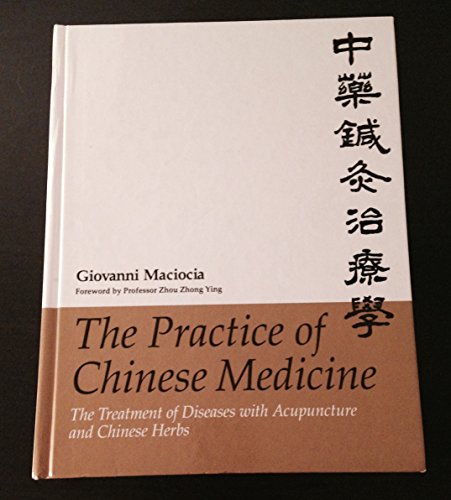
The Practice of Chinese Medicine: The Treatment of Diseases with Acupuncture and Chinese Herbs
Maciocia’s The Practice of Chinese Medicine, 3rd Edition <strong>describes how to apply TCM theory to the diagnosis and treatment of disorders and conditions frequently encountered in practice</strong
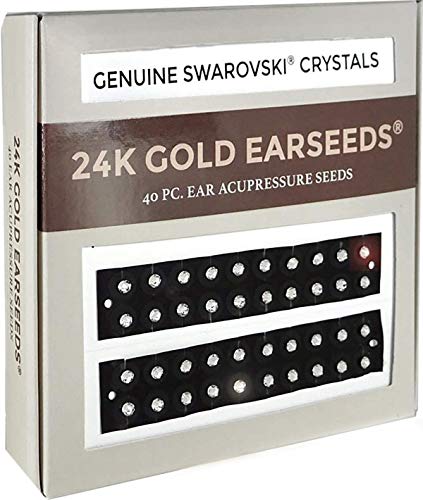
Ear Seeds: 24K Gold EarSeeds Acupressure Kit - 40 Pieces - Ear Seeds with Bonus Free Chart - Clear Latex-Free Tape - Auriculotherapy Pellets for Balance & Wellness
PROMOTE WELLNESS AND BALANCE: Stimulate the pressure points in your ear and enjoy the immense health benefits of traditional Chinese ear acupressure with the guidance of our bonus charts for Shen Men,
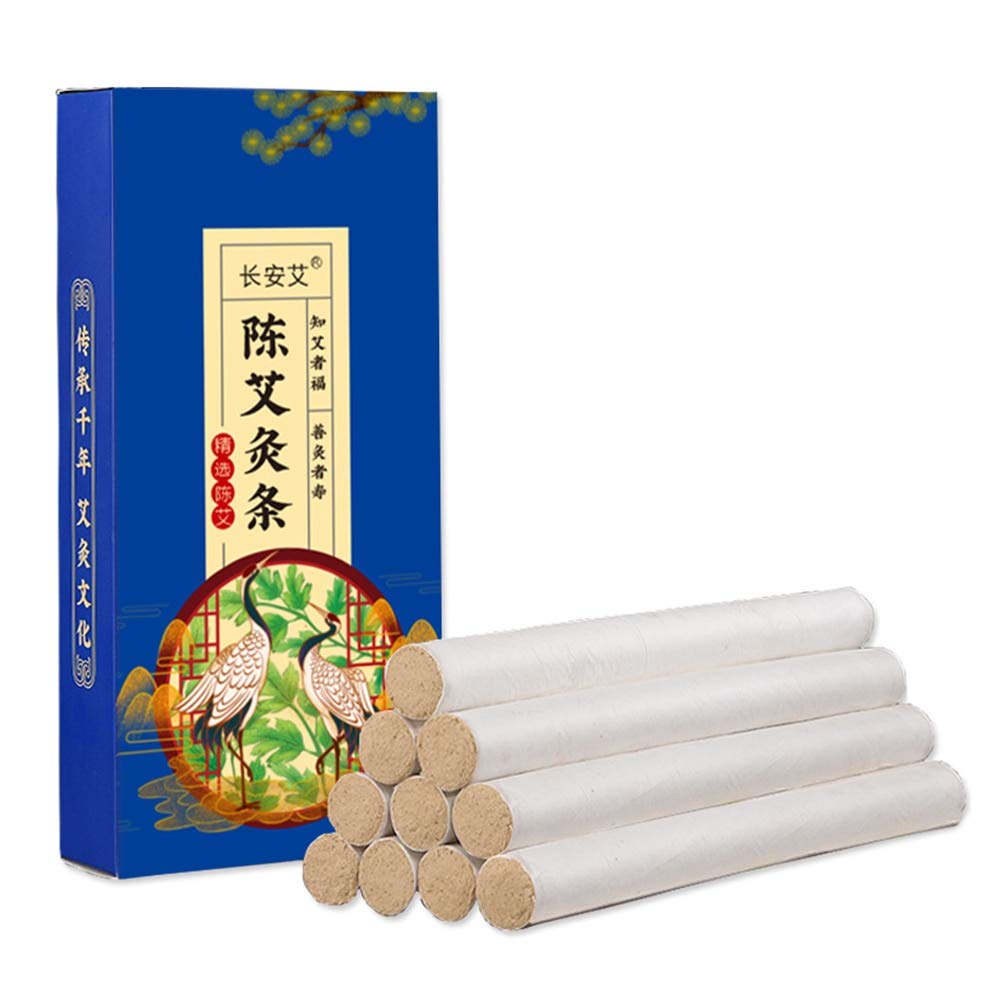
Moxibustion Sticks 10pcs 7 Years 45:1 Long Golden Moxa Chinese Acupuncture Point Warming Therapy Massage
Buy Moxibustion Sticks 10pcs 7 Years 45:1 Long Golden Moxa Chinese Acupuncture Point Warming Therapy Massage on Amazon.com ✓ FREE SHIPPING on qualified orders
Health Disclaimer
This content is for informational purposes only and does not constitute medical advice. Always consult a qualified healthcare provider before starting, stopping, or changing any supplement or medication regimen.