

Obesity (Weight Loss) and Acupuncture
Acupuncture is a traditional healing modality increasingly explored as an adjunct for weight management. Why the interest? Obesity is a complex, relapsing condition influenced by appetite regulation, stress, inflammation, metabolism, and behavior. Proposed mechanisms suggest acupuncture may help on several of these fronts. Research indicates acupuncture can modulate the gut–brain axis and appetite signals (including leptin, ghrelin, and insulin), influence autonomic balance and the hypothalamic centers that govern hunger and satiety, reduce stress via the HPA axis and vagal pathways, and dampen low-grade inflammation linked to weight gain. Auricular (ear) acupuncture and acupressure are thought to act partly through the auricular branch of the vagus nerve with signals converging in the brainstem’s nucleus tractus solitarius and onward to appetite circuits, potentially curbing cravings. Body acupuncture and electroacupuncture may more directly affect hypothalamic peptides (like POMC/NPY), adipokines, insulin sensitivity, and inflammatory mediators, with electroacupuncture offering a stronger, more standardized stimulus in trials. What do clinical studies show? Multiple randomized trials and systematic reviews suggest modest short-term benefits. Typical pooled effects range from roughly 1–3 kg of additional weight loss and about 0.5–1.0 kg/m^2 reduction in BMI over 4–12 weeks compared with control conditions, with somewhat larger effects when acupuncture is combined with diet, exercise, and behavioral programs. Methodological challenges remain: small samples, variable point prescriptions, short follow-up, sham controls that may be physiologically active, and publication bias. Long-term maintenance beyond a few months is not well established, and more rigorous, longer-duration trials are needed. In practice, acupuncture for weight management is usually integrated with lifestyle measures. Common body points include ST36 (Zusanli), SP6 (Sanyinjiao), ST25 (Tianshu), CV6
Updated September 8, 2026This content is for informational purposes only and does not constitute medical advice. Always consult a qualified healthcare provider before starting, stopping, or changing any supplement or medication regimen.
Overlapping Treatments
Auricular acupuncture/acupressure (ear seeds)
Moderate EvidenceExtends and reinforces acupuncture stimulation between clinic sessions; feasible self-care method.
May reduce cravings, appetite, and waist circumference; small additional weight/BMI reductions in short-term studies.
Technique and point selection vary; some sham protocols may be partially active, reducing observed differences.
Electroacupuncture
Moderate EvidenceProvides standardized, adjustable stimulation intensity; enhances endorphin and autonomic effects seen with manual needling.
Several RCTs suggest slightly larger short-term weight/BMI improvements and favorable changes in leptin/insulin markers.
Contraindicated with pacemakers/implantable devices; requires trained practitioners and monitoring.
Acupressure/self-acupressure
Emerging ResearchHome-based continuity of care aligned with point protocols used in clinic.
May modestly improve appetite control and waist measures; accessible support for behavior change.
Effects appear smaller than needling; technique consistency and adherence affect outcomes.
Dietary counseling and structured physical activity
Strong EvidenceCreates a therapeutic context where acupuncture’s stress/appetite modulation can support adherence.
Core interventions with strong evidence for clinically meaningful weight loss and cardiometabolic risk reduction.
Requires ongoing support; outcomes vary with intensity and personalization.
Behavioral therapy (e.g., CBT) and mindfulness-based approaches
Moderate EvidenceSynergizes with acupuncture’s anxiolytic and autonomic effects to reduce emotional eating.
Improves self-regulation, binge/emotional eating, and weight maintenance.
Access and adherence can limit impact; best integrated in multidisciplinary care.
Sleep optimization
Moderate EvidenceSupports autonomic balance and cortisol regulation that acupuncture also targets.
Better sleep is linked with improved appetite hormones and weight outcomes.
Requires behavioral change; effects may be indirect.
Anti-obesity pharmacotherapy (e.g., GLP-1 receptor agonists, combination agents)
Strong EvidenceCan be co-managed; acupuncture may help with stress, nausea, or constipation to support adherence.
Produces substantial, guideline-supported weight loss and cardiometabolic benefits.
Medication-specific risks; combination with acupuncture is promising but evidence is limited.
Traditional Chinese Medicine (TCM) herbal formulas (integrative care)
Emerging ResearchAligns with pattern-based TCM strategies (e.g., resolving dampness/phlegm, supporting Spleen).
Some trials suggest small additional benefits on weight and metabolic markers.
Quality control and herb–drug interaction considerations; requires qualified supervision.
Medical Perspectives
Two Ways of Seeing Health

Western
scientific · clinical
Western medicine applies science, technology, and clinical experience to treat symptoms through testing, diagnosis, and targeted intervention.
Surgeons · Pharmaceuticals · Clinical trials · Diagnostics 
Eastern
traditional · alternative
Eastern medicine focuses on treating the body naturally by applying traditional knowledge practiced for thousands of years, emphasizing balance and whole-person wellness.
Acupuncture · Herbal medicine · Yoga · Meditation
Gold Bamboo presents both perspectives side-by-side so you can make informed decisions. We don't advocate for one over the other — your health choices are yours.
Two Ways of Seeing Health
Western
scientific · clinical
Western medicine applies science, technology, and clinical experience to treat symptoms through testing, diagnosis, and targeted intervention.
Eastern
traditional · alternative
Eastern medicine focuses on treating the body naturally by applying traditional knowledge practiced for thousands of years, emphasizing balance and whole-person wellness.
Gold Bamboo presents both perspectives side-by-side so you can make informed decisions. We don't advocate for one over the other — your health choices are yours.
Western Perspective
From a western clinical viewpoint, acupuncture may offer adjunctive, modest short-term benefits for weight loss by influencing neuroendocrine appetite signaling, autonomic balance, gastrointestinal motility, and systemic inflammation. Auricular techniques likely engage vagal afferents and brainstem pathways that modulate craving and satiety, while body and electroacupuncture appear to modulate hypothalamic circuits, adipokines (leptin), gut peptides (ghrelin), insulin sensitivity, and inflammatory mediators.
Key Insights
- Systematic reviews and RCTs report small-to-moderate short-term reductions in weight and BMI, often larger when combined with diet/exercise.
- Evidence suggests changes in leptin, ghrelin, insulin resistance indices, and inflammatory markers, though findings are heterogeneous.
- Auricular approaches may particularly target appetite/craving via auriculo-vagal pathways; electroacupuncture may enhance and standardize stimulus intensity.
- Methodological limitations include small samples, variable protocols, active sham controls, and limited long-term follow-up.
- Acupuncture appears safe with low rates of minor adverse events when performed by qualified practitioners.
Treatments
- Manual body acupuncture using standardized or individualized point sets
- Auricular acupuncture or acupressure (ear seeds)
- Electroacupuncture adjunct to body acupuncture
- Integration with lifestyle/behavioral programs and, when indicated, pharmacotherapy or bariatric care
Deep Dive
From a western biomedical perspective, acupuncture’s relationship to obesity centers on modulation of neuroendocrine and autonomic systems that ... From a western biomedical perspective, acupuncture’s relationship to obesity centers on modulation of neuroendocrine and autonomic systems that drive energy intake and, to a lesser extent, expenditure. Animal and human studies suggest needling influences hypothalamic pathways (POMC/NPY/AgRP networks) and adipokine signaling (notably leptin), while also affecting gut peptides such as ghrelin and possibly peptide YY. Auricular methods appear to engage the auricular branch of the vagus nerve, projecting to the nucleus tractus solitarius and onward to hypothalamic appetite centers, which may help dampen cravings and enhance satiety cues. Body acupuncture and electroacupuncture can shift sympathovagal balance toward parasympathetic tone, reduce stress responses along the HPA axis, and may improve gastric motility—mechanisms that can indirectly support healthier eating patterns. On a systemic level, acupuncture has been linked to reduced low-grade inflammation (e.g., CRP, TNF-α) and improved insulin sensitivity in small studies. Clinically, randomized controlled trials and systematic reviews indicate modest short-term effects—commonly 1–3 kilograms of additional weight loss and about 0.5–1.0 kg/m^2 in BMI over 4–12 weeks—particularly when acupuncture is integrated with evidence-based lifestyle programs. Electroacupuncture may offer a small incremental benefit, and ear acupressure can extend between-session stimulation. However, the literature is constrained by small sample sizes, heterogeneity in point selection and dosing, active sham controls that may dilute observed differences, and relatively brief follow-up windows. Safety outcomes are favorable, with most adverse events being minor and transient. In practice, acupuncture is best positioned as an adjunct to comprehensive obesity care that prioritizes dietary quality, physical activity, behavioral therapy, sleep optimization, and, when indicated, pharmacotherapy or bariatric surgery. Research gaps include standardized protocols, long-term maintenance data, comparative effectiveness versus other adjunctive therapies, and identification of phenotypes (e.g., high stress reactivity, binge-eating features) most likely to benefit.
Sources
- Cho SH et al. Meta-analysis on acupuncture for obesity (Int J Obes, 2009)
- Zhang R et al. Systematic review and meta-analysis of acupuncture for simple obesity (Medicine, 2019)
- Kim SY et al. RCT of auricular acupuncture for weight parameters (Acupunct Med, 2013)
- Reviews on acupuncture effects on leptin/ghrelin and insulin sensitivity (Front Endocrinol, 2021)
- NCCIH. Acupuncture: In Depth (2023)
- AACE/ACE Clinical Practice Guidelines for Obesity (2022)
- ASMBS/IFSO Indications for Metabolic and Bariatric Surgery (2022)
Eastern Perspective
Traditional Chinese Medicine (TCM) views obesity as an imbalance often involving Spleen Qi deficiency with dampness/phlegm accumulation, Stomach heat, and Liver Qi stagnation leading to disordered appetite and fluid metabolism. Acupuncture harmonizes the Spleen and Stomach, transforms dampness, soothes the Liver, and calms the Shen, aiming to restore appropriate hunger/satiety and metabolic harmony. Auricular points regulate ‘mouth’ and ‘hunger’ impulses and settle the spirit; body points support digestion, fluid transport, and Qi dynamics.
Key Insights
- Pattern (zheng) differentiation guides point selection; common patterns include damp-phlegm and Spleen Qi deficiency.
- Auricular therapy is used to reduce cravings and regulate appetite; Shenmen is emphasized for calming and reducing stress-eating.
- Body points such as ST36, SP6, ST25, CV6, CV12, and LI4 support digestion, Qi movement, and damp transformation; electroacupuncture may reinforce these effects.
- Dietary therapy, qi gong/tai chi, and, in some cases, classical herbal formulas complement acupuncture to address root and branch.
Treatments
- Body acupuncture: ST36 (Zusanli), SP6 (Sanyinjiao), ST25 (Tianshu), CV6 (Qihai), CV12 (Zhongwan), LI4 (Hegu)
- Auricular points: Shenmen, Hunger, Stomach, Endocrine, Mouth
- Adjuncts: moxibustion, cupping (pattern-dependent)
- Lifestyle: TCM dietary therapy, qigong/tai chi; individualized herbal support when appropriate
Deep Dive
Within Traditional Chinese Medicine (TCM), obesity is interpreted as a manifestation of internal disharmony, commonly characterized by Spleen Qi... Within Traditional Chinese Medicine (TCM), obesity is interpreted as a manifestation of internal disharmony, commonly characterized by Spleen Qi deficiency with accumulation of dampness and phlegm, potentially complicated by Stomach heat and Liver Qi stagnation. These patterns reflect impaired transformation and transportation of fluids and grains, leading to turbidity, heaviness, and disordered appetite. Treatment aims to correct root imbalances while addressing symptoms: harmonizing the Spleen and Stomach to improve assimilation, transforming dampness and resolving phlegm to lighten the body, soothing the Liver to ease constraint and emotional eating, and calming the Shen to stabilize cravings. Acupuncture protocols are tailored to the pattern presentation. Frequently used body points include ST36 (supporting Spleen/Stomach and overall Qi), SP6 (tonifying Spleen and resolving damp), ST25 and CV12 (regulating intestines and upper GI), CV6 (supporting Qi and fluid movement), and LI4 (moving Qi). Auricular points such as Shenmen, Hunger, Stomach, Endocrine, and Mouth are selected to reduce cravings, settle the spirit, and harmonize endocrine function. Electroacupuncture may be applied to reinforce regulation of appetite and damp transformation. Adjunctive therapies—moxibustion for deficiency/cold patterns, cupping for stagnation, TCM dietary therapy emphasizing warm, easy-to-digest foods that dispel dampness, and gentle movement (qigong or tai chi)—are integrated to sustain change. While these approaches predate modern endocrinology, contemporary findings on autonomic and hormonal shifts offer a bridge between traditions. In integrative settings, practitioners coordinate with nutritionists and medical teams so that acupuncture’s regulation of appetite, stress, and digestion can support adherence to lifestyle and medical plans. Consistent with TCM’s emphasis on individualized care, realistic goals focus on gradual change, improved satiety and energy, and reduction of damp-related symptoms, with periodic reevaluation of the pattern as weight and habits evolve.
Sources
- Huangdi Neijing (Yellow Emperor’s Inner Canon) – foundational TCM physiology and pathology
- WHO Standard Acupuncture Point Locations (Western Pacific Region)
- Modern TCM texts on pattern differentiation for obesity and damp-phlegm syndromes
- Integrative reviews linking TCM concepts with neuroendocrine findings
Evidence Ratings
Acupuncture produces modest short-term reductions in body weight and BMI compared with control conditions.
Cho SH et al., International Journal of Obesity (2009) meta-analysis; Zhang R et al., Medicine (2019) systematic review
Adding acupuncture to diet and exercise yields greater weight loss than lifestyle change alone in some trials.
Systematic reviews of adjunctive acupuncture in obesity management (Medicine, 2019; Acupunct Med, 2013–2018 RCTs)
Electroacupuncture may enhance effects on weight/BMI and metabolic markers relative to manual acupuncture.
Small RCTs and subgroup analyses summarized in recent reviews (Front Endocrinol, 2021)
Auricular acupuncture/acupressure can reduce appetite/cravings and modestly affect waist and BMI.
Kim SY et al., Acupuncture in Medicine (2013) RCT; pooled analyses of auricular protocols in obesity
Acupuncture may modulate leptin, ghrelin, and insulin resistance indices in people with overweight/obesity.
Physiologic studies and small clinical trials summarized in endocrine-focused reviews (Front Endocrinol, 2021)
Acupuncture has a favorable safety profile with mainly minor, transient adverse events when delivered by trained practitioners.
NCCIH, Acupuncture: In Depth (2023); safety reviews across multiple indications
Long-term maintenance of weight loss with acupuncture beyond a few months remains uncertain.
Systematic reviews noting short follow-up and heterogeneity (Medicine, 2019; narrative reviews)
Sources
- Cho SH, Lee JS, Thabane L, Lee J. Acupuncture for obesity: meta-analysis. International Journal of Obesity. 2009.
- Zhang R, et al. Acupuncture for simple obesity: a systematic review and meta-analysis. Medicine (Baltimore). 2019.
- Kim SY, et al. Auricular acupuncture for weight management: randomized controlled trial. Acupuncture in Medicine. 2013.
- Frontiers in Endocrinology. Review on acupuncture and appetite hormones (leptin/ghrelin/insulin). 2021.
- NCCIH. Acupuncture: In Depth. National Institutes of Health. 2023.
- American Association of Clinical Endocrinology (AACE) Clinical Practice Guidelines for Obesity. 2022.
- ASMBS/IFSO. Indications for metabolic and bariatric surgery. 2022.
- WHO Standard Acupuncture Point Locations in the Western Pacific Region.
- Huangdi Neijing (Yellow Emperor’s Inner Canon) – TCM foundational text.
- Narrative and systematic reviews on auricular vagus pathways and appetite regulation (various, 2018–2023).
Related Topics
Recommended Products
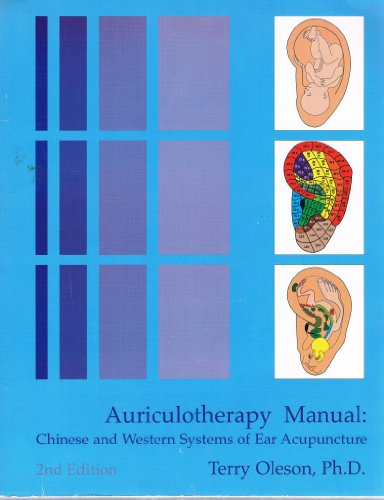
Auriculotherapy Manual: Chinese and Western Systems of Ear Acupuncture
Both new and experienced practitioners of Auriculotherapy have found this comprehensive manual to be <strong>one of the most clinically useful texts on ear acupuncture. This handbook combines the best

ZeroDiet weight loss Auricular Acupressure Magnets by ZeroDiet
ZeroDiet Plus is a magnetic earring ... of acupuncture and auriculotherapy to help you lose weight safely and naturally by <strong>keeps appetite in check by increasing the levels of Serotonin</strong
Anatomical Worldwide Human Acupuncture Laminated Chart: Amazon.com: Industrial & Scientific
Anatomical Worldwide Human Acupuncture Laminated Chart: Amazon.com: Industrial & Scientific
Health Disclaimer
This content is for informational purposes only and does not constitute medical advice. Always consult a qualified healthcare provider before starting, stopping, or changing any supplement or medication regimen.