

Parkinson’s Disease and Acupuncture
Parkinson’s disease (PD) is a progressive neurological condition marked by motor symptoms (tremor, rigidity, slowness, balance problems) and a wide range of non‑motor symptoms (sleep disruption, constipation, pain, mood and cognitive changes, autonomic dysfunction). Acupuncture is a traditional East Asian therapy that stimulates specific body points—most often with thin needles—to influence pain, neuromodulation, and autonomic balance. Interest in acupuncture for PD centers on whether it can complement standard care to ease symptoms and improve quality of life. Biologically, preclinical studies suggest acupuncture may influence dopaminergic pathways, modulate basal ganglia–cortical circuits, and reduce neuroinflammation and oxidative stress. Animal models of PD (e.g., MPTP/6‑OHDA) report neuroprotective signals and behavioral improvements, and human imaging shows brain network modulation during needling. However, mechanistic findings from animals do not automatically translate to clinical benefit in humans. Clinical evidence is mixed. Systematic reviews and small randomized trials report that acupuncture added to usual PD medications may modestly improve overall PD rating scales, gait parameters, or specific non‑motor symptoms such as sleep, pain, and constipation. Yet when compared with sham acupuncture, benefits for motor outcomes are inconsistent, and study quality varies (small samples, heterogenous protocols, risk of bias). For quality of life, some trials show improvement, while others find no significant difference from sham. Overall, evidence is emerging and suggests possible adjunctive value, particularly for non‑motor symptoms, but definitive conclusions are limited by methodological constraints. Safety is generally favorable. Common adverse events include transient soreness, bruising, or lightheadedness; serious complications are rare. PD‑specific precautions include higher fall risk and autonomic instability (orthostatic hypotension) that can make syn
Updated September 8, 2026This content is for informational purposes only and does not constitute medical advice. Always consult a qualified healthcare provider before starting, stopping, or changing any supplement or medication regimen.
Overlapping Treatments
Electroacupuncture (EA)
Emerging ResearchA recognized variant that provides controlled electrical stimulation through needles, potentially enhancing and standardizing stimulus intensity within acupuncture practice.
Small trials suggest improvements in rigidity, gait parameters, and constipation; possible benefits for pain and sleep have been reported.
Use caution or avoid near implanted devices (e.g., deep‑brain stimulators) due to potential interference; coordinate with the neurology/neurosurgery team.
Scalp acupuncture
Emerging ResearchTechnique focusing on somatotopic scalp zones corresponding to cortical regions, commonly used for motor disorders within acupuncture practice.
Some studies report improved motor function or gait/balance, though sham‑controlled evidence is limited.
Training‑dependent technique; effects may vary. Monitor for scalp bleeding in patients on anticoagulants.
Auricular (ear) acupuncture
Emerging ResearchUses ear points to influence autonomic and pain pathways; widely used within acupuncture systems and NADA protocols.
May support sleep, anxiety, and pain symptoms; PD‑specific data are limited.
Rare cartilage infection if asepsis is inadequate; avoid indwelling ear seeds if skin is fragile.
Body acupuncture (manual needling at common points such as GB20, LI4, ST36, SP6, LR3, GV20)
Moderate EvidenceCore method of acupuncture, with point prescriptions tailored to individual patterns and symptoms.
Some RCTs and observational studies suggest modest improvements in UPDRS scores and non‑motor symptoms when added to medication; sham‑controlled benefits remain uncertain.
Heterogenous protocols; individual responses vary.
Moxibustion (heat therapy on or near acupuncture points)
Traditional UseTraditional adjunct that applies herbal heat (often mugwort) to acupuncture points to enhance stimulation and warm meridians.
Used traditionally for stiffness, cold sensations, and fatigue; limited PD‑specific clinical data.
Burn risk and smoke exposure; avoid in sensory neuropathy or at sites with reduced sensation.
Medical Perspectives
Two Ways of Seeing Health

Western
scientific · clinical
Western medicine applies science, technology, and clinical experience to treat symptoms through testing, diagnosis, and targeted intervention.
Surgeons · Pharmaceuticals · Clinical trials · Diagnostics 
Eastern
traditional · alternative
Eastern medicine focuses on treating the body naturally by applying traditional knowledge practiced for thousands of years, emphasizing balance and whole-person wellness.
Acupuncture · Herbal medicine · Yoga · Meditation
Gold Bamboo presents both perspectives side-by-side so you can make informed decisions. We don't advocate for one over the other — your health choices are yours.
Two Ways of Seeing Health
Western
scientific · clinical
Western medicine applies science, technology, and clinical experience to treat symptoms through testing, diagnosis, and targeted intervention.
Eastern
traditional · alternative
Eastern medicine focuses on treating the body naturally by applying traditional knowledge practiced for thousands of years, emphasizing balance and whole-person wellness.
Gold Bamboo presents both perspectives side-by-side so you can make informed decisions. We don't advocate for one over the other — your health choices are yours.
Western Perspective
Western medicine views acupuncture for Parkinson’s disease as a potential adjunct to standard therapies. Biological plausibility comes from preclinical findings—dopaminergic preservation, neuroinflammation reduction, and network modulation—as well as human neuroimaging showing changes in motor and limbic circuits during needling. Clinically, meta‑analyses suggest modest benefits when acupuncture is added to medication, particularly for non‑motor symptoms (sleep, pain, constipation), but sham‑controlled trials show inconsistent results for motor outcomes. Methodological limitations—small samples, high heterogeneity, risk of bias, and challenges creating inert shams—temper confidence. Acupuncture appears generally safe with minor adverse events; PD‑specific precautions include fall and bleeding risks, autonomic instability, and careful coordination around deep‑brain stimulation (DBS) devices.
Key Insights
- Adjunctive acupuncture may produce small improvements in overall PD rating scales, with greater consistency for non‑motor symptoms than for core motor signs.
- Sham‑controlled trials often show little or no difference for motor outcomes, highlighting placebo and expectancy effects and/or active physiological effects of sham.
- Preclinical models support anti‑inflammatory and neuroprotective mechanisms, but translation to long‑term human clinical benefit remains unproven.
- Safety profile is favorable; serious adverse events are rare when performed by trained practitioners using sterile technique.
Treatments
- Levodopa/carbidopa and other dopaminergic medications
- Deep‑brain stimulation (DBS) for medication‑refractory motor complications
- Physical therapy and exercise programs for gait/balance
- Cognitive-behavioral and sleep therapies for insomnia/anxiety
- Bowel regimen for constipation (fiber, osmotic agents)
Deep Dive
From a western clinical standpoint, acupuncture for Parkinson’s disease (PD) is best understood as a potential adjunct to standard treatments ra... From a western clinical standpoint, acupuncture for Parkinson’s disease (PD) is best understood as a potential adjunct to standard treatments rather than a replacement. The biological rationale is plausible: animal studies indicate that needling can modulate neuroinflammation, oxidative stress, and survival of dopaminergic neurons in MPTP and 6‑OHDA models. Human neuroimaging also shows that acupuncture can influence activity in motor and limbic networks, hinting at circuit‑level effects relevant to PD’s motor and non‑motor manifestations. Yet translation remains the critical hurdle. Systematic reviews aggregating small randomized trials suggest that when acupuncture is added to pharmacotherapy, patients may experience modest improvements in Unified Parkinson’s Disease Rating Scale (UPDRS) scores and quality‑of‑life measures, particularly when non‑motor symptoms such as sleep disturbance, pain, or constipation are targeted. However, when trials include rigorous sham controls, benefits for cardinal motor signs are variable and often not statistically superior to sham—underscoring the challenges of blinding in acupuncture research and the possibility that sham procedures are physiologically active. Heterogeneity in point selection, frequency, duration, and use of electroacupuncture further complicates synthesis and reduces confidence in pooled effect sizes. Safety data are relatively reassuring. Large prospective surveys of acupuncture in general populations document mostly minor adverse events, and PD‑focused studies report low complication rates. Nonetheless, PD patients merit extra caution: orthostatic hypotension and gait instability increase syncope and fall risk after needling; anticoagulants elevate bruising risk; and electroacupuncture should be coordinated or avoided in those with implanted deep‑brain stimulation (DBS) due to potential device interference. Practically, scheduling sessions during stable “on” periods and maintaining communication between acupuncturists and neurology teams can mitigate risks. The bottom line: acupuncture may help selected PD symptoms and quality of life for some individuals, but more rigorous, adequately powered, sham‑controlled trials with standardized protocols and long‑term follow‑up are needed to define who benefits, by how much, and for how long.
Sources
- Kalia LV, Lang AE. Parkinson’s disease. Lancet. 2015.
- Lee MS et al. Acupuncture for Parkinson’s disease: systematic review. Mov Disord. 2008.
- Zhou J et al. The effectiveness of acupuncture for Parkinson’s disease: overview of systematic reviews. Complement Ther Med. 2015.
- NCCIH. Acupuncture: In Depth. Updated 2022.
- MacPherson H et al. Adverse events in acupuncture: prospective surveys. 2001–2004.
Eastern Perspective
Traditional Chinese Medicine (TCM) frames Parkinsonian syndromes under patterns such as internal Wind from Liver–Kidney deficiency, Phlegm, and Blood stasis disrupting the channels that govern movement and spirit (Shen). Acupuncture aims to “extinguish Wind,” nourish Liver–Kidney, move Qi and Blood, and calm the mind, with body and scalp acupuncture commonly combined. Point selection is individualized based on predominant patterns (e.g., tremor, rigidity, insomnia, constipation). Modern TCM integrates electroacupuncture and scalp techniques to target motor cortex and basal ganglia pathways while honoring classical principles.
Key Insights
- Pattern differentiation guides treatment; motor symptoms are often linked to internal Wind with underlying deficiency and stasis.
- Scalp and body point combinations (e.g., GV20, GB20, LI4, ST36, LR3, SP6) are used to harmonize channels related to movement and spirit.
- Adjunctive methods such as moxibustion may be selected for cold or deficiency patterns; acupressure supports self‑care for sleep and constipation.
- Integration with movement arts (Tai Chi, Qigong) and, when appropriate, classical herbal formulas, is common in comprehensive care.
Treatments
- Body acupuncture with pattern‑specific points
- Scalp acupuncture for motor areas
- Electroacupuncture within modern TCM practice
- Moxibustion for cold/deficiency patterns
- Acupressure and movement therapies (Tai Chi/Qigong) as adjuncts
Deep Dive
In Traditional Chinese Medicine (TCM), Parkinsonian presentations are interpreted through the lens of internal Wind arising from Liver–Kidney de... In Traditional Chinese Medicine (TCM), Parkinsonian presentations are interpreted through the lens of internal Wind arising from Liver–Kidney deficiency, complicated by Phlegm and Blood stasis that obstruct the channels controlling movement and spirit (Shen). Acupuncture seeks to extinguish Wind, nourish deficiency, move Qi and Blood, and calm the mind. Practically, this often involves combining scalp acupuncture—mapping to motor cortex—with body points such as GB20, GV20, LI4, ST36, LR3, and SP6. When cold or deficiency patterns predominate, moxibustion provides warming support; for constipation and sleep disturbance, point selections are adapted to harmonize the Spleen–Stomach and soothe the Heart and Liver. Modern TCM integrates electroacupuncture to strengthen stimulation while preserving classical principles of pattern differentiation. From this perspective, care is individualized and goal‑oriented: reducing tremor and rigidity, easing pain, improving sleep, and enhancing emotional balance. Benefits are expected to emerge cumulatively over repeated sessions as the body’s regulatory systems rebalance. Collaboration with western neurology is encouraged to maintain medication stability and ensure device safety (e.g., with DBS). While TCM texts and clinical experience support acupuncture’s role in movement disorders, contemporary research is acknowledged to be evolving. Practitioners often track meaningful change with patient‑centered outcomes—steadier gait, better sleep, less constipation, less pain, greater ease in daily tasks—while recognizing that acupuncture complements, rather than replaces, dopaminergic therapy and other biomedical treatments. This integrative stance honors both traditions: using acupuncture to address pattern‑level disharmonies and symptom clusters in PD, while partnering with conventional care to optimize safety and function over time.
Sources
- WHO. Acupuncture: Review and Analysis of Reports on Controlled Clinical Trials. 2002.
- Cheng X. Chinese Acupuncture and Moxibustion (Textbook).
- Frontiers in Aging Neuroscience. Reviews on acupuncture mechanisms and PD (2017–2021).
Evidence Ratings
Adjunctive acupuncture may modestly improve overall PD rating scales compared with medication alone, though effects are heterogeneous.
Zhou J et al. Overview of systematic reviews. Complement Ther Med. 2015.
Sham‑controlled trials show inconsistent benefits of acupuncture on core motor symptoms in PD.
Lee MS et al. Systematic review of RCTs. Mov Disord. 2008.
Acupuncture may help non‑motor symptoms such as sleep disturbance, pain, and constipation in PD, with small trials suggesting benefit.
Frontiers in Neurology/Aging Neuroscience reviews on acupuncture for PD non‑motor symptoms, 2017–2021.
Preclinical models demonstrate neuroprotective and anti‑inflammatory effects of acupuncture in toxin‑induced PD models.
Frontiers in Neuroscience/Aging Neuroscience reviews of animal studies, 2017–2021.
Acupuncture is generally safe; most adverse events are minor and transient; serious complications are rare with trained practitioners.
NCCIH Acupuncture: In Depth (2022); MacPherson H et al. prospective safety surveys.
Electrical stimulation near implanted DBS devices may pose interference risk; coordination with the DBS team is advised.
Medtronic DBS Therapy Important Safety Information; device manufacturer guidance.
Sources
- Kalia LV, Lang AE. Parkinson’s disease. Lancet. 2015.
- Lee MS, et al. Acupuncture for Parkinson’s disease: a systematic review of randomized clinical trials. Movement Disorders. 2008.
- Zhou J, Peng W, Xu M, Li W, Liu Z. The effectiveness of acupuncture for Parkinson’s disease: an overview of systematic reviews. Complementary Therapies in Medicine. 2015.
- NCCIH. Acupuncture: In Depth. Updated 2022.
- MacPherson H, et al. The safety of acupuncture: prospective surveys in routine practice (UK). 2001–2004.
- Witt CM, et al. Safety of acupuncture: large prospective observational studies (Germany). 2009.
- Medtronic. Deep Brain Stimulation Therapy: Important Safety Information (device manual/guidance).
- Frontiers in Aging Neuroscience/Frontiers in Neurology. Reviews on acupuncture mechanisms and PD non‑motor symptoms (2017–2021).
Related Topics
Recommended Products
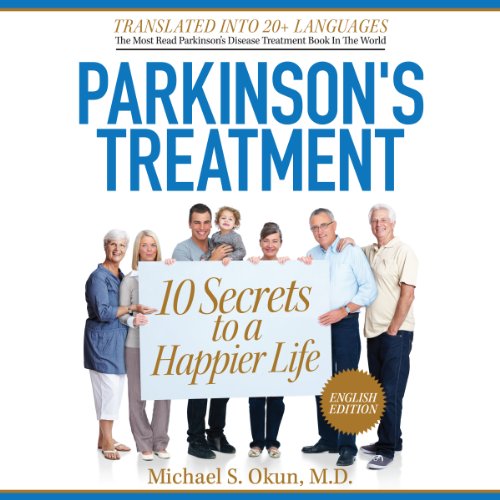
Parkinson's Treatment: 10 Secrets to a Happier Life: English Edition: Okun MD, Michael S
Okun has truly helped thousands of Parkinson’s disease patients and families discover the core values necessary to achieve happiness despite living with a chronic disease. ... The Amazon Book Review B
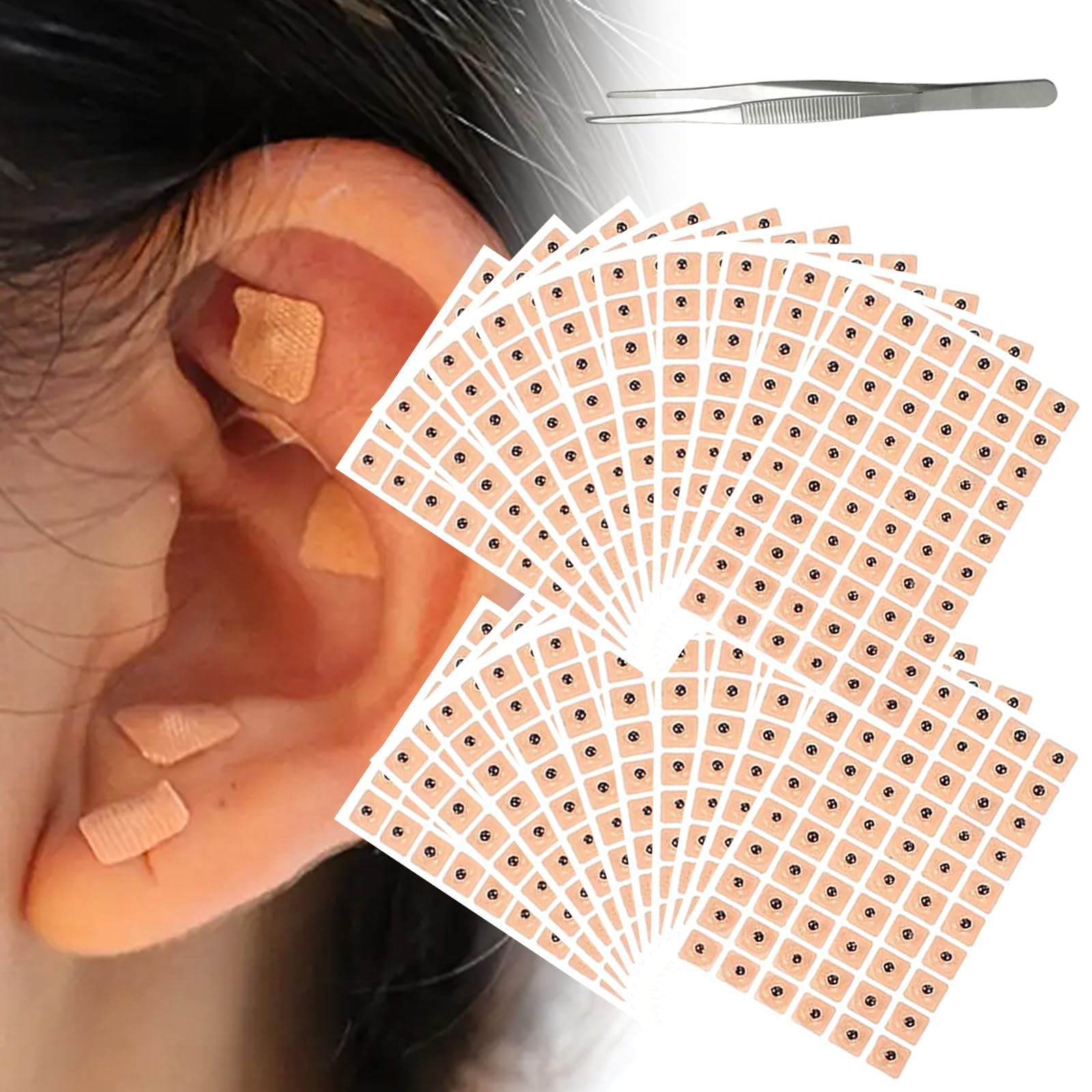
1200Pcs Ear Seeds Acupuncture Kit, Auricular Sticker Kit with Ears Seed, Acupuncture Pen, Acupressure Ear Chart, Tweezers
PACKAGE INCLUDE: <strong>1200 ear acupuncture Seeds, 1 retractable copper probe, 1 stainless steel starlight probe, 1 tweezers and ear acupuncture point chart</strong>

ProsourceFit Acupressure Mat and Pillow Set for Back/ ...
Amazon.com: ProsourceFit Acupressure Pillow Relief Relaxation
Health Disclaimer
This content is for informational purposes only and does not constitute medical advice. Always consult a qualified healthcare provider before starting, stopping, or changing any supplement or medication regimen.