

Parkinson's disease
Also known as: Parkinson's Disease
Overview
Parkinson's disease (PD) is a chronic, progressive neurodegenerative condition that primarily affects movement, while also influencing mood, sleep, cognition, digestion, and autonomic function. It is classically associated with tremor, slowness of movement (bradykinesia), muscular rigidity, and postural instability, but many people experience non-motor symptoms years before the hallmark motor signs become apparent. These may include constipation, reduced sense of smell, REM sleep behavior disorder, depression, anxiety, and fatigue. Because of this broad clinical picture, Parkinson's disease is increasingly understood as a multisystem disorder, not solely a movement condition.
At a biological level, Parkinson's disease is linked to the gradual loss of dopamine-producing neurons in the substantia nigra, a region of the midbrain involved in coordinating movement. Another key feature is the accumulation of abnormal alpha-synuclein protein aggregates, often described as Lewy bodies and Lewy neurites. Research suggests that Parkinson's disease develops through a combination of genetic susceptibility, aging-related changes, environmental exposures, mitochondrial dysfunction, oxidative stress, inflammation, and altered protein handling. In most cases, no single cause is identified, though a minority of cases are associated with known genetic variants.
Parkinson's disease becomes more common with age, and global prevalence has risen substantially as populations live longer. It affects millions of people worldwide and is one of the fastest-growing neurological disorders in terms of disability and societal burden. While symptoms and progression vary widely, the condition can influence mobility, speech, swallowing, work capacity, social participation, and quality of life. For many individuals and families, Parkinson's disease is not only a neurological diagnosis but also a long-term caregiving and rehabilitation challenge.
Although there is currently no cure, many supportive strategies can meaningfully improve day-to-day function and reduce symptom burden. Conventional care often centers on medications, rehabilitation, and, in selected cases, neuromodulation procedures. Complementary and traditional approaches are also commonly explored for symptom support, especially for balance, sleep, stiffness, stress, and overall well-being. Because Parkinson's disease is complex and highly individualized, assessment and care planning are typically most effective when guided by qualified healthcare professionals, including neurology and rehabilitation specialists.
Compare Treatment Options
Parkinson disease (PD) is a chronic, progressive neurodegenerative condition best known for affecting movement, including slowness (bradykinesia), tremor, stiffness, and balance changes, but it also commonly involves sleep disturbance, constipation, mood symptoms, fatigue, pain, and cognitive changes. In western medicine, PD is largely understood as a disorder involving loss of dopamine-producing neurons and broader network dysfunction in the brain. In eastern medicine, symptoms may be interpreted through patterns involving internal wind, deficiency, impaired circulation, or disrupted mind-body regulation. These frameworks differ, but both often aim to improve day-to-day function and quality of life. Treatment options vary because Parkinson disease is highly individualized. Some people mainly struggle with tremor, others with stiffness, gait freezing, medication wearing-off, sleep disruption, or non-motor symptoms. Stage of disease, age, work and exercise goals, swallowing status, fall risk, and willingness to accept medication or procedural risks all affect the tradeoffs. Research support is strongest for dopaminergic medication, exercise-based rehabilitation, and in selected cases deep brain stimulation, while acupuncture, tai chi, qigong, and related approaches have more variable but sometimes supportive evidence for symptom relief, balance, or quality of life.
View treatment comparison (6 options)Medical Perspectives
Two Ways of Seeing Health

Western
scientific · clinical
Western medicine applies science, technology, and clinical experience to treat symptoms through testing, diagnosis, and targeted intervention.

Eastern
traditional · alternative
Eastern medicine focuses on treating the body naturally by applying traditional knowledge practiced for thousands of years, emphasizing balance and whole-person wellness.
Gold Bamboo presents both perspectives side-by-side so you can make informed decisions. We don't advocate for one over the other — your health choices are yours.
Western Medicine Perspective
Western Medicine Perspective
In conventional medicine, Parkinson's disease is diagnosed clinically based on history, neurological examination, and the presence of bradykinesia plus either tremor, rigidity, or both, while also considering features that support or argue against the diagnosis. There is no single definitive blood test for typical Parkinson's disease. Imaging such as DaTscan may sometimes help clarify uncertain cases, but it does not by itself establish the full diagnosis. Clinicians also distinguish Parkinson's disease from atypical parkinsonian syndromes, medication-induced parkinsonism, essential tremor, vascular parkinsonism, and other neurologic conditions that can resemble it.
Conventional management focuses on improving symptoms, preserving function, and addressing complications over time. The main pharmacologic approach is to enhance dopaminergic signaling, most notably with levodopa, often considered the most effective medication for motor symptoms. Other commonly used drug classes include dopamine agonists, MAO-B inhibitors, COMT inhibitors, amantadine, and selected agents for tremor or non-motor symptoms. As the disease progresses, many patients develop motor fluctuations or dyskinesias, leading to more individualized treatment strategies. Deep brain stimulation (DBS) and other device-aided therapies may be considered in selected patients when medication response becomes difficult to manage.
Western care increasingly emphasizes multidisciplinary treatment. Studies indicate that physical therapy, occupational therapy, speech-language therapy, structured exercise, fall prevention, swallowing assessment, nutrition support, sleep evaluation, and mental health care are central parts of evidence-informed management. Non-motor symptoms such as constipation, depression, psychosis, cognitive changes, orthostatic hypotension, and sleep disorders often contribute as much to disability as motor symptoms and are actively evaluated in modern Parkinson's care. Ongoing research is exploring biomarkers, gene-targeted therapies, alpha-synuclein-directed treatments, neuroprotective strategies, and personalized disease-modifying approaches, though these remain areas of active investigation rather than established cures.
Eastern & Traditional Perspective
Eastern and Traditional Medicine Perspective
In Traditional Chinese Medicine (TCM), Parkinson-like presentations are not defined by dopamine loss but are instead interpreted through patterns such as internal wind, liver and kidney deficiency, qi and blood deficiency, phlegm obstruction, or blood stasis. Tremor, stiffness, gait instability, insomnia, constipation, and emotional disturbance may be viewed as manifestations of imbalance within interconnected organ systems and meridians. Traditional practitioners often evaluate the individual's broader constitutional pattern rather than treating Parkinson's disease as a single uniform entity.
Traditional East Asian approaches have historically used acupuncture, herbal formulas, tui na, qigong, and tai chi to address symptoms associated with tremor, rigidity, balance problems, sleep disturbance, and general vitality. Research suggests that some movement-based practices, especially tai chi and qigong, may support balance, mobility, and fall confidence in some people with Parkinson's disease, though study quality varies. Acupuncture has also been studied for motor and non-motor symptoms, but findings remain mixed and are often limited by small sample sizes, heterogeneity, and methodological concerns.
In Ayurveda, Parkinson-like syndromes are often discussed in relation to kampavata, a condition associated with aggravated vata dosha affecting movement and nervous system function. Ayurvedic interpretations may consider tremor, slowness, constipation, sleep disruption, and weakness as signs of systemic imbalance. Traditional management has included herbal preparations, dietary frameworks, body therapies, oil-based treatments, breathing practices, and lifestyle regulation. From a modern evidence standpoint, these approaches remain promising but incompletely studied, and quality control, herb-drug interactions, and individualized assessment are important considerations.
Across naturopathic and integrative frameworks, Parkinson's disease is often approached through supportive goals such as maintaining function, reducing stress, promoting sleep quality, supporting digestion, and improving resilience. These systems generally place strong emphasis on whole-person care. However, because Parkinson's disease can involve complex medication timing, swallowing difficulties, cognitive change, and fall risk, complementary approaches are best considered in coordination with qualified healthcare professionals to help ensure safety and compatibility with conventional neurological care.
Related Topics
Constipation
Constipation — condition topic in the Gold Bamboo health ontology.
Acupuncture
Acupuncture — modality topic in the Gold Bamboo health ontology.
Deep brain stimulation
Deep brain stimulation — treatment topic in the Gold Bamboo health ontology.
Depression
Depression — condition topic in the Gold Bamboo health ontology.
Levodopa
Levodopa — medication topic in the Gold Bamboo health ontology.
How They Relate
Constipation & Parkinson's disease
Constipation and Parkinson’s disease (PD) are closely connected. Constipation is one of the most common non‑motor symptoms of PD and, notably, often begins years before tremor, slowness, or stiffne...
Parkinson’s Disease & Acupuncture
Parkinson’s disease (PD) is a progressive neurological condition marked by motor symptoms (tremor, rigidity, slowness, balance problems) and a wide range of non‑motor symptoms (sleep disruption, co...
Parkinson’s disease & Deep brain stimulation (DBS)
Deep brain stimulation (DBS) is a surgical therapy used to manage motor symptoms of Parkinson’s disease (PD). Thin electrodes are implanted into specific deep brain targets—most commonly the subtha...
Parkinson's Disease & Depression
Parkinson’s disease (PD) and depression frequently co-occur and influence each other’s course, symptoms, and treatment choices. Depression is among the most common non-motor symptoms of PD, affecti...
Parkinson's disease & Levodopa
Parkinson’s disease (PD) is a progressive neurodegenerative disorder characterized by loss of dopaminergic neurons in the substantia nigra and dysfunction of basal ganglia circuits that coordinate ...
Supplements & Products
Recommended Products
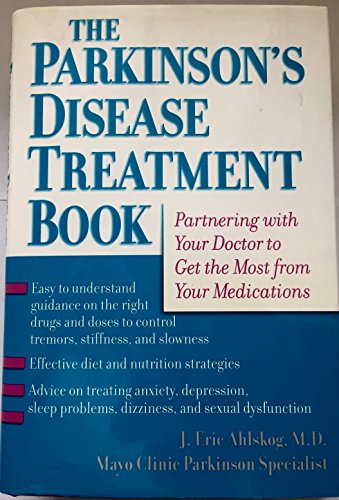
The New Parkinson's Disease Treatment Book: Partnering with Your Doctor To Get the Most from Your Medications
<strong>The fundamental guide to the most effective treatments for Parkinson's Disease</strong>, from a Mayo Clinic doctor with thirty years of clinical and research experience. In this second ed
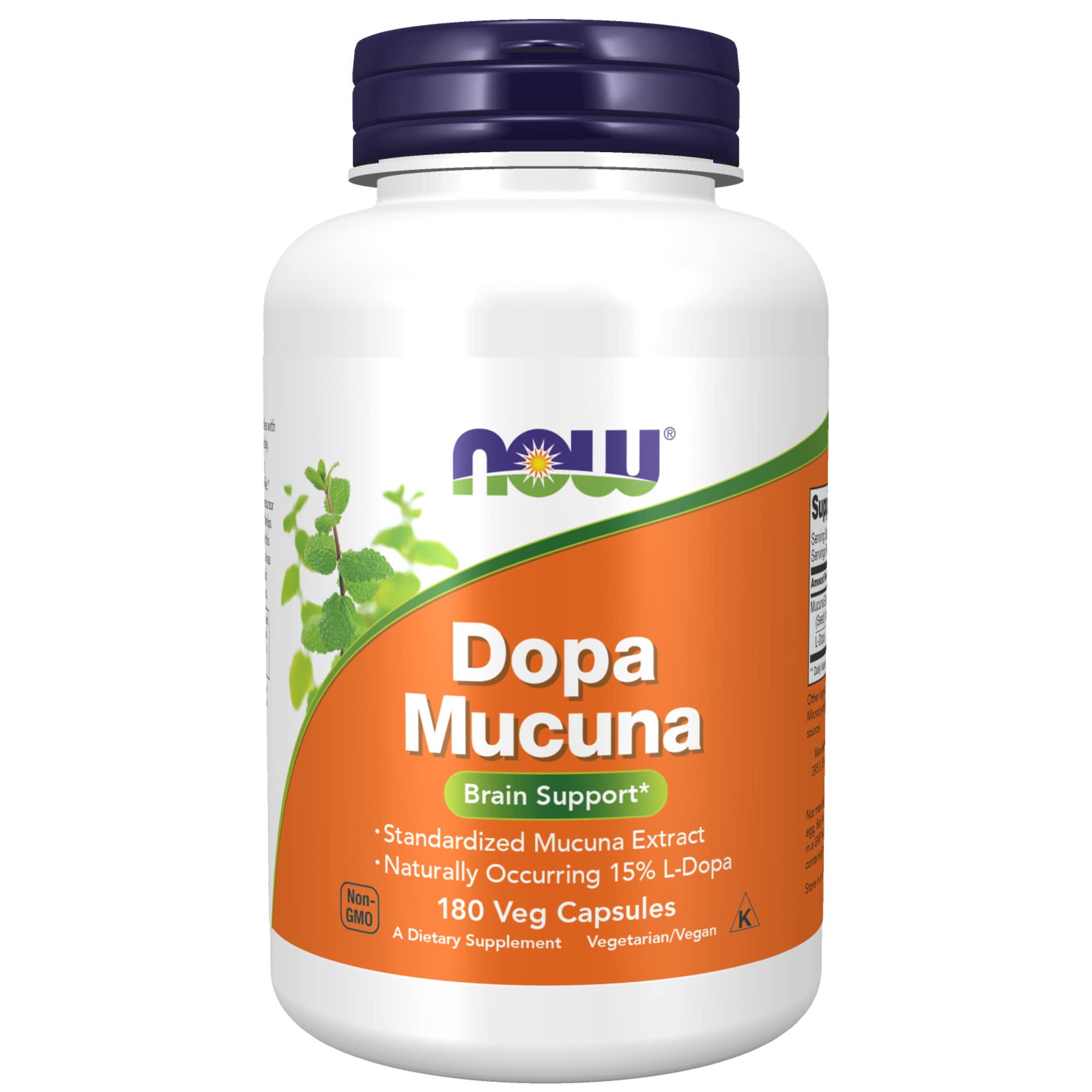
NOW Foods Supplements, DOPA Mucuna, Standardized Mucuna Extract with Naturally Occurring 15% L-Dopa, 180 Veg Capsules
Amazon.com: NOW Foods Supplements, DOPA Mucuna, Standardized Mucuna Extract with Naturally Occurring 15% L-Dopa, 180 Veg Capsules

Tai Chi for Beginners-8 Lessons : Dr Paul Lam, Dr Paul Lam: Movies & TV
Dr. Paul Lam ... Tai chi DVD for beginners and seniors + Tai chi fit workouts. Qi gong, Balance, Strength, Stretching, Cardio, Breathing & more.
Evidence & Sources
Promising research with growing clinical support from multiple studies
- National Institute of Neurological Disorders and Stroke (NINDS)
- National Institute on Aging (NIA)
- Parkinson's Foundation
- World Health Organization (WHO)
- The Lancet Neurology
- Movement Disorders
- Nature Reviews Neurology
- American Academy of Neurology (AAN)
- Cochrane Database of Systematic Reviews
- National Center for Complementary and Integrative Health (NCCIH)
This content is for informational purposes only and does not constitute medical advice. Always consult a qualified healthcare provider before starting, stopping, or changing any supplement or medication regimen.