

Deep brain stimulation
Also known as: DBS, Deep brain stimulation (DBS)
Overview
Deep brain stimulation (DBS) is a neurosurgical treatment in which thin electrodes are implanted into specific brain regions and connected to a pulse generator, usually placed under the skin of the chest. The system delivers controlled electrical impulses that modulate abnormal neural circuit activity. Rather than destroying brain tissue, DBS is generally considered an adjustable and, in many cases, reversible form of brain circuit intervention. It is most widely associated with movement disorders such as Parkinson disease, essential tremor, and dystonia, and it is also used in selected cases of epilepsy and certain psychiatric conditions.
DBS emerged from decades of research into the brain networks involved in tremor, rigidity, movement initiation, mood, and compulsive behavior. Its significance lies in the fact that many neurologic and psychiatric disorders involve dysfunctional signaling in identifiable neural pathways. By targeting nodes within these circuits—such as the subthalamic nucleus, globus pallidus interna, thalamus, or anterior nucleus of the thalamus—DBS can reduce symptoms in appropriately selected patients when medications or other therapies are insufficient, poorly tolerated, or associated with diminishing benefit over time.
The treatment process typically includes multidisciplinary assessment, detailed imaging, surgical planning, implantation, device programming, and long-term follow-up. Outcomes can vary based on diagnosis, symptom profile, target selection, and individual biology. Research suggests DBS can substantially improve tremor, motor fluctuations, dyskinesia, and quality of life in some populations, but it is not a cure for the underlying disease. Risks include surgical complications, infection, bleeding, hardware malfunction, stimulation-related side effects, and neuropsychiatric changes. Because of this, patient selection and careful postoperative management are central to its use.
DBS is often discussed as part of a broader shift toward neuromodulation—therapies that alter nerve activity rather than relying solely on drugs or irreversible surgery. In public and clinical discourse, it occupies a distinctive place: highly specialized, technologically advanced, and strongly evidence-based in some conditions, while still investigational or evolving in others. Consultation with qualified neurology, neurosurgery, and mental health professionals is essential when considering how DBS fits into an individual care plan.
Medical Perspectives
Two Ways of Seeing Health

Western
scientific · clinical
Western medicine applies science, technology, and clinical experience to treat symptoms through testing, diagnosis, and targeted intervention.

Eastern
traditional · alternative
Eastern medicine focuses on treating the body naturally by applying traditional knowledge practiced for thousands of years, emphasizing balance and whole-person wellness.
Gold Bamboo presents both perspectives side-by-side so you can make informed decisions. We don't advocate for one over the other — your health choices are yours.
Western Medicine Perspective
Western Medicine Perspective
From a conventional medicine standpoint, DBS is understood as a circuit-based intervention. Modern neurology and psychiatry increasingly conceptualize disorders such as Parkinson disease, essential tremor, dystonia, epilepsy, obsessive-compulsive disorder, and some forms of depression as involving dysregulated activity within distributed brain networks. DBS aims to alter this activity through continuous or patterned electrical stimulation. Although its exact mechanisms are still being studied, it appears to influence abnormal firing patterns, oscillations, synchronization, and neurotransmitter release within targeted pathways.
In current clinical practice, the strongest established indications are certain movement disorders, particularly advanced Parkinson disease, medication-refractory essential tremor, and selected dystonias. There is also recognized use in drug-resistant epilepsy and obsessive-compulsive disorder under specific regulatory or specialty-center frameworks. Evaluation commonly includes diagnosis confirmation, symptom characterization, review of prior treatments, cognitive and psychiatric assessment, imaging, and discussion of realistic goals. Studies indicate DBS may improve motor symptoms and reduce medication burden in some Parkinson disease patients, but benefit is often symptom-specific; for example, tremor may respond better than balance impairment or dementia-related issues.
Conventional medicine also emphasizes the procedural and long-term management aspects. Implantation is only one phase; postoperative programming can require multiple visits to balance symptom control against side effects such as speech changes, paresthesias, gait difficulty, mood changes, or cognitive effects. Battery replacement or device maintenance may also be necessary. In this framework, DBS is viewed not as a standalone cure but as one component of chronic disease management delivered by a multidisciplinary team. Patients are generally counseled to discuss expected benefits, alternatives, and risks with their treating specialists.
Eastern & Traditional Perspective
Eastern and Traditional Medicine Perspective
In Traditional Chinese Medicine (TCM) and related East Asian medical systems, conditions that may lead to consideration of DBS—such as tremor, rigidity, seizures, or disturbances of mood and behavior—are not typically framed in terms of implanted neurostimulation devices. Instead, they are understood through patterns involving internal wind, phlegm, blood stasis, Liver imbalance, Kidney deficiency, or disturbance of the Shen. A traditional practitioner may interpret tremor and involuntary movement as manifestations of wind stirring internally, while chronic neurologic weakness may be viewed through deficiency patterns. The treatment goal in these systems is generally to restore functional balance rather than directly target a discrete brain nucleus.
From this perspective, DBS would usually be regarded as a modern biomedical intervention that addresses severe or refractory symptoms at the level of the nervous system, while traditional therapies may be used in a broader supportive framework. Acupuncture, herbal medicine, breathing practices, bodywork, and diet-based approaches have traditionally been used for symptom patterns associated with movement disorders, seizures, or emotional dysregulation. Research into integrative care is still developing, and the quality of evidence varies widely by condition and modality.
In Ayurveda, comparable symptom clusters may be discussed in relation to disturbances in Vata dosha, especially where there is tremor, irregular movement, nervous system instability, or degenerative change. Traditional Ayurvedic interpretation tends to focus on systemic imbalance, vitality, digestion, tissue nourishment, and mind-body regulation. Naturopathic and other holistic traditions may similarly emphasize the terrain of overall health, stress physiology, sleep, inflammation, and resilience. These systems do not historically include DBS itself, but they may offer conceptual models for understanding the person’s broader symptom pattern and quality of life.
A balanced integrative view recognizes that DBS is a product of modern neurosurgery and neuroengineering, while traditional systems offer different explanatory frameworks and supportive care traditions. Because implanted devices involve surgical, neurologic, and programming considerations, any complementary approach is best considered in communication with the patient’s medical team.
Related Topics
Parkinson's disease
Parkinson's disease — condition topic in the Gold Bamboo health ontology.
How They Relate
Parkinson’s disease & Deep brain stimulation (DBS)
Deep brain stimulation (DBS) is a surgical therapy used to manage motor symptoms of Parkinson’s disease (PD). Thin electrodes are implanted into specific deep brain targets—most commonly the subtha...
Supplements & Products
Recommended Products

DBS A Patient Guide to Deep Brain Stimulation: Farris PA-C, Sierra M., Giroux MD, Monique L.
DBS A Patient Guide to Deep Brain Stimulation by DBS experts Sierra Farris, PAC and Monique Giroux, MD <strong>distill a high tech brain surgery into understandable terms for every reader</strong>.

Liftware Steady Starter Kit for Hand Tremor : Toys & Games
Steady is <strong>designed to counteract tremors and shaky hands that may be related to conditions like Parkinson's disease or essential tremor</strong>. The Liftware Steady Starter Kit includes
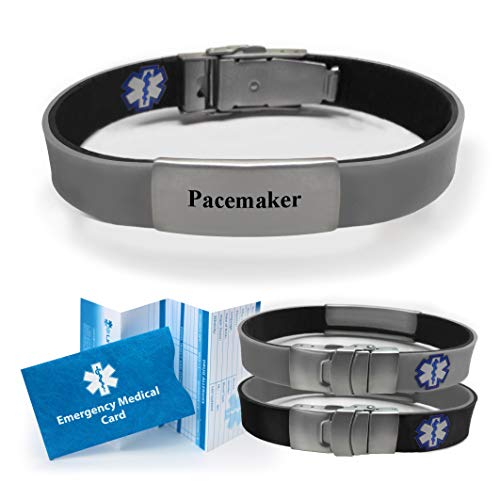
"IMPLANTED DEFIBRILLATOR" Sport/Slim Reversible Medical Alert ID Bracelet for Men and Women
This item: "IMPLANTED DEFIBRILLATOR" Sport/Slim Reversible Medical Alert ID Bracelet for Men and Women
Evidence & Sources
Supported by multiple clinical trials and systematic reviews
- New England Journal of Medicine
- The Lancet Neurology
- Movement Disorder Society
- American Academy of Neurology
- National Institute of Neurological Disorders and Stroke (NINDS)
- National Institute for Health and Care Excellence (NICE)
- U.S. Food and Drug Administration (FDA)
- Nature Reviews Neurology
- Epilepsia
- NCCIH
This content is for informational purposes only and does not constitute medical advice. Always consult a qualified healthcare provider before starting, stopping, or changing any supplement or medication regimen.