

Parkinson's disease and Levodopa
Parkinson’s disease (PD) is a progressive neurodegenerative disorder characterized by loss of dopaminergic neurons in the substantia nigra and dysfunction of basal ganglia circuits that coordinate movement. The resulting dopamine deficit produces the cardinal motor features—bradykinesia, rigidity, rest tremor, and postural instability—and contributes to a range of non‑motor symptoms such as constipation, sleep disturbances, mood changes, and cognitive issues. Because dopaminergic signaling is central to the pathophysiology, dopamine replacement is a cornerstone of care. Levodopa (L‑DOPA) is the most effective symptomatic therapy for PD motor symptoms. As a precursor of dopamine that crosses the blood–brain barrier, levodopa is converted to dopamine in the brain. It is almost always paired with a peripheral dopa decarboxylase inhibitor (carbidopa or benserazide) to reduce peripheral conversion, improving brain delivery and limiting nausea and hypotension. Immediate‑release formulations often improve slowness and stiffness within days to weeks, with some patients noticing benefit within an hour of a dose; tremor response is variable. Non‑motor symptoms may also improve indirectly (e.g., sleep fragmentation related to nighttime rigidity), though many non‑motor features require additional strategies. Clinical use spans immediate‑release, orally disintegrating, and extended‑release capsules, as well as intestinal gel infusion via a pump for advanced disease. On‑demand inhaled levodopa can shorten OFF episodes. Adjuncts that extend levodopa’s effect include COMT inhibitors (entacapone, opicapone) and MAO‑B inhibitors (rasagiline, safinamide). Realistically, levodopa can markedly improve function and quality of life, often restoring independence in daily activities, though its effect may fluctuate over time as PD progresses. Common short‑term adverse effects include nausea, dizziness or orthostatic hypotension, drowsiness, and occasionally confusion or hallucinations—尤其
Updated September 8, 2026This content is for informational purposes only and does not constitute medical advice. Always consult a qualified healthcare provider before starting, stopping, or changing any supplement or medication regimen.
Shared Risk Factors
Disease duration and severity
Strong EvidenceMore advanced PD and longer disease duration increase motor fluctuations and dyskinesias with chronic levodopa, reflecting progressive nigrostriatal loss and pharmacodynamic variability.
Younger age at PD onset
Moderate EvidenceEarlier‑onset PD is associated with a higher lifetime risk of levodopa‑induced dyskinesias and motor fluctuations.
Dietary protein and amino acid competition
Moderate EvidenceLarge neutral amino acids compete with levodopa for intestinal and blood–brain barrier transport, blunting response when protein intake is high around dosing.
Gastrointestinal factors (constipation, H. pylori, SIBO)
Moderate EvidenceGI hypomotility in PD and gastric Helicobacter pylori or small intestinal bacterial overgrowth can impair levodopa absorption and increase response variability.
Genetic and metabolic variability (e.g., COMT polymorphisms, B‑vitamin status)
Emerging ResearchCOMT activity and methylation status influence levodopa metabolism and homocysteine; low B12/folate/B6 may raise neuropathy risk with chronic therapy.
Concomitant medications
Strong EvidenceAntidopaminergic drugs (e.g., some antipsychotics, metoclopramide) worsen PD symptoms and blunt levodopa; iron supplements chelate levodopa and reduce absorption; nonselective MAO inhibitors pose hypertensive risk.
Overlapping Treatments
Carbidopa/Benserazide (peripheral dopa decarboxylase inhibitors)
Strong EvidenceEnhance tolerability of dopaminergic therapy, enabling adequate symptom control.
Reduce peripheral conversion of levodopa, increasing central availability and minimizing nausea/hypotension.
Standard of care; monitor for orthostatic hypotension; benserazide availability varies by region.
COMT inhibitors (Entacapone, Opicapone, Tolcapone)
Strong EvidenceReduce OFF time and smooth motor fluctuations in advanced PD.
Prolong levodopa’s half‑life and effect by inhibiting peripheral (and with tolcapone, central) metabolism.
Tolcapone requires liver monitoring due to rare hepatotoxicity; entacapone may cause diarrhea; opicapone is once‑daily.
MAO‑B inhibitors (Rasagiline, Selegiline, Safinamide)
Moderate EvidenceModest symptomatic benefit and reduction in OFF time when added to levodopa.
Decrease central dopamine breakdown, complementing levodopa’s effect.
Potential interactions with serotonergic agents; insomnia with selegiline; monitor for hypertension with tyramine‑rich foods is minimal at selective doses.
Amantadine (including extended‑release)
Moderate EvidenceReduces levodopa‑induced dyskinesias and may provide mild antiparkinsonian benefit.
Mitigates a key long‑term complication of levodopa therapy (dyskinesia).
May cause hallucinations, livedo reticularis, leg edema; adjust for renal function.
Levodopa–carbidopa intestinal gel (LCIG)
Strong EvidenceSubstantially reduces OFF time and dyskinesia burden in advanced PD.
Provides continuous jejunal delivery, stabilizing levodopa plasma levels.
Requires PEG‑J tube; device‑related complications and infections possible; specialty care needed.
On‑demand therapies (Inhaled levodopa; subcutaneous apomorphine)
Moderate EvidenceRapid relief of sudden OFF episodes, improving function and confidence.
Bridges gaps in oral levodopa effect; apomorphine bypasses GI tract.
Inhaled levodopa may cause cough; apomorphine requires antiemetic pretreatment in some regions and monitoring.
Deep Brain Stimulation (DBS; STN/GPi)
Strong EvidenceImproves motor symptoms and fluctuations, reducing OFF time and dyskinesia.
Allows levodopa dose reduction in many patients, easing medication‑related complications.
Surgical risks; neuropsychiatric screening required; best for levodopa‑responsive symptoms.
Exercise and physiotherapy (including Tai Chi)
Moderate EvidenceImprove gait, balance, and quality of life; may reduce falls.
Optimize functional benefit gained during ON periods; may help smooth perceived fluctuations.
Requires consistent practice and individualized programs; adjunctive, not a medication substitute.
Medical Perspectives
Two Ways of Seeing Health

Western
scientific · clinical
Western medicine applies science, technology, and clinical experience to treat symptoms through testing, diagnosis, and targeted intervention.
Surgeons · Pharmaceuticals · Clinical trials · Diagnostics 
Eastern
traditional · alternative
Eastern medicine focuses on treating the body naturally by applying traditional knowledge practiced for thousands of years, emphasizing balance and whole-person wellness.
Acupuncture · Herbal medicine · Yoga · Meditation
Gold Bamboo presents both perspectives side-by-side so you can make informed decisions. We don't advocate for one over the other — your health choices are yours.
Two Ways of Seeing Health
Western
scientific · clinical
Western medicine applies science, technology, and clinical experience to treat symptoms through testing, diagnosis, and targeted intervention.
Eastern
traditional · alternative
Eastern medicine focuses on treating the body naturally by applying traditional knowledge practiced for thousands of years, emphasizing balance and whole-person wellness.
Gold Bamboo presents both perspectives side-by-side so you can make informed decisions. We don't advocate for one over the other — your health choices are yours.
Western Perspective
Western medicine views Parkinson’s disease as a dopamine‑deficient state due to degeneration of substantia nigra neurons, leading to disrupted basal ganglia circuits. Levodopa remains the most effective symptomatic treatment for motor features, particularly bradykinesia and rigidity. Over time, many patients experience motor fluctuations and dyskinesias, prompting adjunct therapies and advanced delivery methods to stabilize dopaminergic stimulation.
Key Insights
- Levodopa plus carbidopa is first‑line for many patients and provides the greatest improvement in motor symptoms and activities of daily living.
- Motor complications (wearing‑off, dyskinesia) relate to disease progression and pulsatile dopamine stimulation; strategies aim to smooth dopaminergic delivery.
- Adjuncts (COMT/MAO‑B inhibitors, amantadine) and device‑aided therapies (LCIG, DBS) reduce OFF time and dyskinesias in advanced disease.
- Diet, GI health, and drug interactions materially affect levodopa absorption and response.
Treatments
- Carbidopa/levodopa (IR, ER, ODT)
- COMT inhibitors (entacapone, opicapone)
- MAO‑B inhibitors (rasagiline, safinamide)
- Amantadine (for dyskinesia)
- LCIG, inhaled levodopa, DBS for advanced PD
Deep Dive
Parkinson’s disease arises from progressive dopaminergic neuron loss in the substantia nigra pars compacta with downstream abnormalities in basa... Parkinson’s disease arises from progressive dopaminergic neuron loss in the substantia nigra pars compacta with downstream abnormalities in basal ganglia circuitry. The defining physiological problem is insufficient striatal dopamine, which disrupts the balance between direct and indirect motor pathways, manifesting as bradykinesia, rigidity, tremor, and postural instability. Levodopa addresses this core deficit. As the metabolic precursor of dopamine, it traverses the blood–brain barrier and is decarboxylated to dopamine in the brain. Co‑administration with a peripheral dopa decarboxylase inhibitor (carbidopa or benserazide) limits peripheral conversion, improving central delivery and reducing nausea and hypotension. Clinically, levodopa produces the largest improvements in motor symptoms and activities of daily living. Immediate‑release formulations often take effect within an hour of a dose, with benefits evident over days to weeks as steady use is established. Extended‑release capsules and on‑demand inhaled levodopa help tailor timing. Over years, as presynaptic buffering capacity declines, patients commonly develop wearing‑off and on–off fluctuations, and some develop dyskinesias. These complications reflect both disease progression and the pulsatile nature of intermittent oral dosing. Evidence‑based strategies include fractionating doses, switching to extended‑release formulations, and adding COMT or MAO‑B inhibitors to prolong effect. Amantadine reduces dyskinesia. For refractory fluctuations, device‑aided therapies—levodopa–carbidopa intestinal gel (LCIG) or deep brain stimulation (DBS)—are effective. Adverse effects span nausea, orthostatic hypotension, somnolence, and hallucinations—more likely in older adults or those with cognitive vulnerability. Long‑term therapy can raise homocysteine via O‑methylation, with observational links to neuropathy; monitoring B‑vitamin status is reasonable. Drug and diet interactions are clinically meaningful: protein competes with levodopa for transport; iron reduces absorption; dopamine‑blocking agents worsen parkinsonism. Monitoring focuses on motor control (time in ON vs OFF), dyskinesia severity, blood pressure (standing and supine), neuropsychiatric effects, sleep, and treatment adherence. Shared decision‑making sets goals that evolve from maximizing function in early disease to minimizing fluctuations and maintaining safety and independence later. Referral to a movement‑disorders specialist is warranted for complex fluctuations, troublesome dyskinesias, psychosis, falls, or consideration of advanced therapies. Emerging approaches aim for more continuous dopaminergic delivery, including subcutaneous levodopa prodrugs and improved on‑demand options.
Sources
- NICE Guideline NG71: Parkinson’s disease in adults (2017, updates)
- PD MED Collaborative Group. Lancet. 2014;384:1196-1205.
- Olanow CW et al. Lancet Neurol. 2014;13:141-149. (LCIG RCT)
- Stowe R et al. Cochrane Database Syst Rev. 2010. (COMT inhibitors)
- Rascol O et al. Mov Disord. 2005; and ADAGIO NEJM 2009 (MAO‑B data)
- Pahwa R et al. JAMA Neurol. 2017. (Amantadine ER for dyskinesia)
- Ahlskog JE, Muenter MD. Mayo Clin Proc. 2001/2011 reviews on levodopa complications
Eastern Perspective
Traditional and integrative systems emphasize restoring functional balance and movement quality while supporting digestion, sleep, and mood. In Ayurveda, formulations containing Mucuna pruriens (natural L‑DOPA) have longstanding use for parkinsonian symptoms. Traditional Chinese Medicine (TCM) may frame PD as wind and deficiency patterns affecting Liver–Kidney systems, addressing tremor and stiffness with acupuncture and herbal strategies. Mind–body practices like Tai Chi and Qigong cultivate postural control and reduce fall risk. Integrative care coordinates these modalities with conventional levodopa therapy, monitoring for interactions.
Key Insights
- Mucuna pruriens can deliver levodopa‑like benefits; potency varies and can interact with prescribed levodopa.
- Acupuncture and Tai Chi may improve gait, balance, and quality of life, complementing medication effects.
- Digestive support (e.g., ginger for nausea, probiotic strategies for constipation) may improve tolerability and absorption of levodopa.
- Close coordination with neurology is essential to avoid duplicative dopaminergic exposure and manage adverse effects.
Treatments
- Mucuna pruriens (velvet bean) preparations
- Acupuncture for motor and non‑motor symptom relief
- Tai Chi/Qigong and yoga for balance and flexibility
- Herbal and nutritional support for GI function (individualized)
Deep Dive
Traditional frameworks view Parkinsonian symptoms as manifestations of disrupted internal balance. In Traditional Chinese Medicine, tremor and r... Traditional frameworks view Parkinsonian symptoms as manifestations of disrupted internal balance. In Traditional Chinese Medicine, tremor and rigidity are often attributed to internal wind with underlying deficiency (commonly of Liver and Kidney) and phlegm obstruction. Treatment pairs symptom relief with restoration of systemic harmony through acupuncture, tailored herbal formulas, and movement practices. Acupuncture protocols targeting tremor and gait seek to calm wind, move qi and blood, and support organ systems; although trial results are mixed, many patients report improvements in stiffness, sleep, and anxiety, which can enhance medication responsiveness. Tai Chi and Qigong cultivate postural control, weight shifting, and mindful movement, with randomized trials demonstrating gains in balance and functional mobility that complement levodopa’s motor benefits. In Ayurveda, Mucuna pruriens (velvet bean) preparations—rich in natural L‑DOPA—have been used for centuries to ease tremor and slowness. Modern studies indicate that standardized Mucuna can produce levodopa‑like motor improvements with a potentially faster onset in some formulations. However, potency varies across products, and combining such preparations with prescription levodopa may increase the risk of dyskinesias, nausea, or psychiatric effects; integrative clinicians therefore emphasize careful coordination with neurologists and preference for standardized, quality‑assured products when used. Digestive support is a shared priority, as PD‑related hypomotility and nausea can impair nutrition and medication absorption. Ginger‑based remedies, individualized dietary timing (e.g., lighter protein near medication doses), and probiotic strategies for constipation are commonly incorporated to improve tolerability and consistency of response. Integrative care also addresses mood, sleep, and caregiver burden. Mindfulness, yoga, and acupuncture can reduce anxiety and improve sleep quality, indirectly stabilizing day‑to‑day function. Practitioners remain alert to herb‑drug interactions—avoiding dopamine antagonists, exercising caution with serotonergic botanicals when MAO‑B inhibitors are used, and spacing minerals such as iron away from levodopa. The overarching aim aligns with western goals: improve safe mobility and quality of life while minimizing fluctuations and side effects. Regular reassessment ensures that traditional modalities augment, rather than complicate, the evolving levodopa regimen.
Sources
- Katzenschlager R et al. Mov Disord. 2004;19:1162–1168. (Mucuna vs. L‑dopa/benserazide)
- Li F et al. N Engl J Med. 2012;366:511–519. (Tai Chi in PD)
- Cheong JL et al. Cochrane Database Syst Rev. 2013/2017 updates. (Acupuncture in PD)
- Zhu M et al. Front Aging Neurosci. 2019. (Integrative approaches review)
Evidence Ratings
Levodopa combined with carbidopa provides the greatest motor symptom improvement in PD compared with other initial therapies.
PD MED Collaborative Group. Lancet. 2014;384:1196-1205.
Long‑term levodopa use is associated with motor fluctuations and dyskinesias, especially with advancing disease and younger onset.
Ahlskog JE. Mayo Clin Proc. 2011;86:1209–1214.
COMT inhibitors added to levodopa reduce OFF time in advanced PD.
Stowe R et al. Cochrane Database Syst Rev. 2010.
Amantadine reduces levodopa‑induced dyskinesia severity.
Pahwa R et al. JAMA Neurol. 2017;74:941–949.
Protein redistribution/timing can improve levodopa motor response in fluctuating patients.
Cereda E et al. Mov Disord. 2010;25:1645–1653.
Eradication of Helicobacter pylori can improve levodopa absorption and motor response in some patients.
Tan AH et al. Parkinsonism Relat Disord. 2015;21:139–143.
Levodopa–carbidopa intestinal gel reduces OFF time versus optimized oral therapy in advanced PD.
Olanow CW et al. Lancet Neurol. 2014;13:141–149.
Tai Chi improves balance and functional measures in PD and complements medication benefits.
Li F et al. N Engl J Med. 2012;366:511–519.
Sources
- NICE Guideline NG71: Parkinson’s disease in adults. 2017 (updated).
- PD MED Collaborative Group. Long-term effectiveness of dopamine agonists vs levodopa vs MAO-B inhibitors. Lancet. 2014;384:1196-1205.
- Olanow CW et al. Levodopa–carbidopa intestinal gel for advanced Parkinson’s disease. Lancet Neurol. 2014;13:141–149.
- Stowe R et al. Cochrane Review: Catechol-O-methyltransferase inhibitors in Parkinson’s disease. 2010.
- Pahwa R et al. Amantadine ER for levodopa-induced dyskinesia. JAMA Neurol. 2017;74:941–949.
- Ahlskog JE. The clinical pitfalls of levodopa therapy. Mayo Clin Proc. 2011;86:1209–1214.
- Li F et al. Tai Chi and postural stability in Parkinson’s disease. N Engl J Med. 2012;366:511–519.
- Tan AH et al. Helicobacter pylori eradication and levodopa response. Parkinsonism Relat Disord. 2015;21:139–143.
- Katzenschlager R et al. Mucuna pruriens vs L‑dopa/benserazide. Mov Disord. 2004;19:1162–1168.
- Nutt JG. Pharmacodynamics of levodopa in Parkinson’s disease. Ann Neurol. 2008;64(S2):S85–S93.
Related Topics
Topics
- Carbidopa
- Benserazide
- COMT inhibitors
- Entacapone
Recommended Products
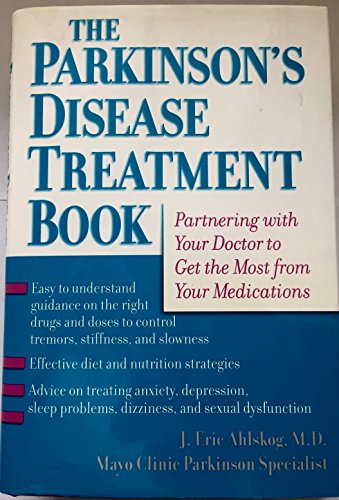
The New Parkinson's Disease Treatment Book: Partnering with Your Doctor To Get the Most from Your Medications
<strong>The fundamental guide to the most effective treatments for Parkinson's Disease</strong>, from a Mayo Clinic doctor with thirty years of clinical and research experience. In this second ed

Med-E-Lert Premium Locking Automatic Pill Dispenser ...
Amazon.com: Med-E-Lert Premium Locking Automatic Pill Dispenser 28 Slot Electronic Medication Organizer (Clear and Solid White Lids) : Health & Household
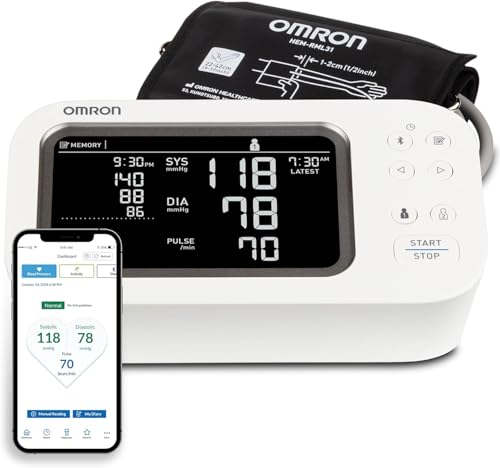
OMRON Platinum Blood Pressure Monitor for Home Use & Upper Arm Blood Pressure Cuff - #1 Doctor & Pharmacist Recommended Brand - Clinically Validated - AFib Detection - Connect App
CONFIDENCE IN EVERY READING: Monitor your heart health with the OMRON Platinum Upper Arm Blood Pressure Monitor's <strong>Advanced Accuracy with AFib Detection Technology</strong>; Store up to 10
Health Disclaimer
This content is for informational purposes only and does not constitute medical advice. Always consult a qualified healthcare provider before starting, stopping, or changing any supplement or medication regimen.