

Constipation and Parkinson's disease
Constipation and Parkinson’s disease (PD) are closely connected. Constipation is one of the most common non‑motor symptoms of PD and, notably, often begins years before tremor, slowness, or stiffness appear. Large cohort studies show that infrequent bowel movements can precede PD by a decade or more, and systematic reviews estimate that roughly half—sometimes more—of people with PD live with chronic constipation. This matters because constipation can impair quality of life, contribute to abdominal pain and bloating, and, at its worst, lead to impaction, urinary issues, or hospitalization. It can also interfere with the absorption and timing of Parkinson’s medications, adding to motor “off” periods and unpredictability. Multiple biological links explain the overlap. PD affects the gut’s nervous system (the enteric nervous system) as well as the brain. Alpha‑synuclein, the protein that misfolds in PD, is frequently found in intestinal nerves early in the disease course. Autonomic nervous system dysfunction slows colonic transit and reduces rectal sensation, while pelvic floor discoordination (dyssynergia) further impedes evacuation. The gut microbiome in PD often shifts away from short‑chain‑fatty‑acid–producing species toward more pro‑inflammatory profiles, which may worsen motility. Medications sometimes used in PD—especially anticholinergics—can compound constipation. Clinically, constipation serves as a potential prodromal marker of PD when it is otherwise unexplained and longstanding. Assessment may include Rome IV criteria, stool diaries with the Bristol Stool Form Scale, and tests of transit (radiopaque markers or scintigraphy), plus anorectal manometry with balloon expulsion if pelvic floor dysfunction is suspected. Because levodopa is absorbed in the small intestine, global gastrointestinal dysmotility (including delayed gastric emptying commonly seen in PD) and severe constipation can delay “on” time and reduce reliability of symptom control. Management,,
Updated September 8, 2026This content is for informational purposes only and does not constitute medical advice. Always consult a qualified healthcare provider before starting, stopping, or changing any supplement or medication regimen.
Shared Risk Factors
Aging
Strong EvidenceAdvancing age increases risk for both PD and chronic constipation via neurodegeneration, reduced colonic motility, multimorbidity, and polypharmacy.
Physical inactivity
Moderate EvidenceLower activity levels are linked to constipation and may relate to PD risk and progression; in PD, mobility limitations can further reduce bowel motility.
Low-fiber/low-fluid diet
Moderate EvidenceInsufficient fiber and hydration slow stool bulk and transit; dietary challenges in PD (dysphagia, reduced appetite) can reinforce low intake.
Medications with anticholinergic properties
Strong EvidenceAnticholinergics and other constipating drugs (opioids, some antidepressants) are more commonly used in older adults and some people with PD.
Diabetes and metabolic comorbidity
Moderate EvidenceDiabetes is associated with autonomic neuropathy and constipation; meta‑analyses suggest a modestly higher PD risk in diabetes.
Comorbidity Data
Prevalence
Constipation affects approximately 40–70% of individuals with PD depending on definitions; infrequent bowel movements may precede PD diagnosis by 10+ years.
Mechanistic Link
Alpha‑synuclein pathology within the enteric nervous system, vagal/ autonomic dysfunction, slowed colonic transit, pelvic floor dyssynergia, and gut microbiome dysbiosis collectively impair motility. Some PD medications (notably anticholinergics) exacerbate constipation.
Clinical Implications
Constipation reduces quality of life, increases risk of fecal impaction and hospitalization, and can delay or blunt levodopa absorption, worsening motor fluctuations. Chronic unexplained constipation may contribute to prodromal PD risk assessment.
Sources (4)
- Fasano A et al. Gastrointestinal dysfunction in Parkinson’s disease. Lancet Neurol. 2015.
- Abbott RD et al. Frequency of bowel movements and the future risk of Parkinson’s disease. Neurology. 2001.
- Postuma RB et al. MDS research criteria for prodromal Parkinson’s disease. Mov Disord. 2015.
- Pfeiffer RF. Non-motor symptoms in Parkinson’s disease: GI dysfunction. Parkinsonism Relat Disord. 2018.
Overlapping Treatments
Regular aerobic and resistance exercise
Moderate EvidenceImproves colonic transit and stool frequency; reduces constipation severity.
Supports motor function, balance, and non‑motor symptoms; may slow functional decline.
Tailor intensity to fall risk and cardiovascular status; supervised programs may be needed.
Dietary fiber (foods), adequate hydration, Mediterranean-style pattern
Moderate EvidenceIncreases stool bulk and softness; improves regularity.
Associated with better overall health and may support microbiome diversity relevant to PD.
Introduce fiber gradually to limit bloating; ensure swallowing safety in PD.
Probiotics and prebiotics
Emerging ResearchSome strains improve stool frequency and consistency in chronic constipation.
Small RCTs in PD suggest improved constipation and potential benefits on motor fluctuations via microbiome modulation.
Strain‑specific effects; monitor for gas/bloating; immunocompromised individuals require caution.
Abdominal massage and scheduled toileting (post‑meal routines, footstool)
Moderate EvidenceStimulates gastrocolic reflex, eases evacuation, improves satisfaction.
Routines can align with medication schedules to reduce “off” time variability.
Teach proper technique; avoid with acute abdomen or severe pain.
Pelvic floor physical therapy with biofeedback
Moderate EvidenceEffective for dyssynergic defecation, improving evacuation and symptoms.
Addresses pelvic floor discoordination that can be part of PD‑related autonomic dysfunction.
Requires patient participation and access to trained therapists; benefits greatest when dyssynergia is documented.
Medication review to reduce constipating agents (eg, anticholinergics, opioids)
Strong EvidenceLower anticholinergic burden often improves bowel function.
May lessen cognitive and autonomic side effects in PD while optimizing alternative motor therapies.
Changes should be clinician‑guided to avoid worsening motor symptoms or pain.
Modern prokinetic/secretagogue agents (eg, prucalopride, lubiprostone, linaclotide)
Moderate EvidenceIncrease stool frequency and decrease straining in chronic constipation.
By improving global GI motility, may reduce variability in levodopa response; small PD trials suggest benefit.
Monitor for diarrhea and electrolyte imbalance; consider cardiac history with certain agents.
Medical Perspectives
Two Ways of Seeing Health

Western
scientific · clinical
Western medicine applies science, technology, and clinical experience to treat symptoms through testing, diagnosis, and targeted intervention.
Surgeons · Pharmaceuticals · Clinical trials · Diagnostics 
Eastern
traditional · alternative
Eastern medicine focuses on treating the body naturally by applying traditional knowledge practiced for thousands of years, emphasizing balance and whole-person wellness.
Acupuncture · Herbal medicine · Yoga · Meditation
Gold Bamboo presents both perspectives side-by-side so you can make informed decisions. We don't advocate for one over the other — your health choices are yours.
Two Ways of Seeing Health
Western
scientific · clinical
Western medicine applies science, technology, and clinical experience to treat symptoms through testing, diagnosis, and targeted intervention.
Eastern
traditional · alternative
Eastern medicine focuses on treating the body naturally by applying traditional knowledge practiced for thousands of years, emphasizing balance and whole-person wellness.
Gold Bamboo presents both perspectives side-by-side so you can make informed decisions. We don't advocate for one over the other — your health choices are yours.
Western Perspective
Western medicine recognizes constipation as a prevalent, often prodromal non‑motor manifestation of Parkinson’s disease, arising from enteric and autonomic nervous system involvement, altered microbiota, and medication effects. Clinically, it is important because it worsens quality of life and can impair levodopa pharmacokinetics.
Key Insights
- Constipation commonly precedes PD diagnosis and affects up to two‑thirds of patients.
- Alpha‑synuclein pathology is found in enteric neurons early in PD; vagotomy studies support a gut–brain pathway.
- Global GI dysmotility in PD (including delayed gastric emptying) can delay or reduce levodopa absorption and “on” response.
- Microbiome alterations in PD correlate with motility changes and inflammation.
- Assessment uses Rome IV criteria, stool diaries, transit studies, and anorectal manometry when dyssynergia is suspected.
Treatments
- Lifestyle: fiber‑rich diet, hydration, exercise, timed toileting/footstool
- Osmotic laxatives (polyethylene glycol, lactulose)
- Stimulant laxatives (bisacodyl, senna) as adjuncts
- Secretagogues/prokinetics (lubiprostone, linaclotide, plecanatide, prucalopride)
- Pelvic floor biofeedback for dyssynergic defecation; medication review to limit anticholinergics
Deep Dive
From a western medical standpoint, constipation is a hallmark non‑motor feature of Parkinson’s disease (PD) with significant clinical consequenc... From a western medical standpoint, constipation is a hallmark non‑motor feature of Parkinson’s disease (PD) with significant clinical consequences. Epidemiologic studies demonstrate that infrequent bowel movements often precede motor signs of PD by many years, suggesting that gastrointestinal (GI) involvement is not merely a late complication but part of the disease biology. Pathology and imaging studies further support this view: alpha‑synuclein, the protein that aggregates in PD, is found in enteric neurons early in the disease, and population data indicating reduced PD risk after vagotomy point to the gut–brain axis as a plausible conduit for disease spread or signaling. Physiologically, PD impairs GI function along the entire tract. Autonomic dysfunction and enteric neuropathy slow colonic transit, diminish rectal sensation, and predispose to pelvic floor dyssynergia. Microbiome studies show decreased short‑chain‑fatty‑acid producers and shifts toward more pro‑inflammatory taxa that may worsen motility and mucosal signaling. Medications—especially anticholinergics used for tremor—can amplify constipation. Clinically, this matters because constipation reduces quality of life and can complicate PD management. Since levodopa is absorbed in the small intestine, delayed gastric emptying and sluggish intestinal transit can postpone or blunt “on” responses, increasing motor fluctuations. Evaluation begins with Rome IV criteria, stool diaries, and the Bristol Stool Form Scale. If symptoms are refractory or complex, objective testing with radiopaque marker or scintigraphic transit studies, and anorectal manometry with balloon expulsion, can identify slow‑transit constipation versus dyssynergic defecation. Management follows a stepwise pathway: lifestyle measures (fiber‑rich foods, hydration, regular physical activity, post‑meal toileting with a footstool) are foundational. Osmotic laxatives such as polyethylene glycol have robust evidence and are often first‑line, with stimulant laxatives used intermittently. In refractory cases, secretagogues (lubiprostone, linaclotide, plecanatide) or the prokinetic prucalopride can be effective, alongside pelvic floor biofeedback when dyssynergia is documented. Medication review to reduce anticholinergic burden is important. Red flags—new bleeding, weight loss, anemia, severe pain, vomiting, or acute inability to pass stool or gas—warrant urgent assessment. Coordinated care between neurology and gastroenterology helps align bowel regimens with dopaminergic therapy to stabilize symptom control.
Sources
- Fasano A et al. Lancet Neurol. 2015.
- American Gastroenterological Association/ACG guidelines for chronic constipation. 2023.
- Rao SSC et al. Gastroenterology. 2010.
- Ondo WG et al. Mov Disord. 2012.
- Scheperjans F et al. Mov Disord. 2015.
Eastern Perspective
Traditional systems view bowel regularity as central to systemic balance. In Traditional Chinese Medicine (TCM), PD aligns with patterns of internal wind (often from Liver/Kidney yin deficiency) and phlegm, while constipation reflects dryness, heat, or Qi stagnation in the Large Intestine. Ayurveda frames PD as Kampavata and constipation as Vata aggravation—both linked to dryness, depletion, and disordered nervous system regulation. Therapies aim to restore movement of Qi/Vata, nourish deficiencies, and moisten the intestines.
Key Insights
- TCM links tremor (“Chan Zheng”) and constipation (“Bian Mi”) through Spleen–Liver–Kidney disharmonies; strengthening Spleen Qi and nourishing Yin may calm wind and improve stooling.
- Acupuncture seeks to modulate autonomic tone and motility (eg, ST25, ST36, LI4, SJ6) and is supported by RCTs for functional constipation; PD‑specific data are limited.
- Herbal formulas such as Ma Zi Ren Wan address constipatory dryness and stagnation; evidence from functional constipation trials shows benefit.
- Ayurveda targets Vata with warm, unctuous foods, routines, gentle yoga/pranayama, and botanicals like Triphala for bowel regulation.
- Integrative approaches (probiotics, mind–body practices, abdominal massage) align with traditional strategies to support gut–brain balance.
Treatments
- Acupuncture (eg, ST25, ST36, LI11, SJ6; scalp points for tremor)
- TCM herbal formulas (Ma Zi Ren Wan for constipation; Tian Ma Gou Teng Yin or similar for tremor patterns)
- Ayurvedic Triphala, abhyanga (oil massage), gentle yoga and pranayama
- Dietary measures emphasizing warm, fiber‑rich, hydrating foods and regular mealtimes
Deep Dive
Traditional and integrative perspectives emphasize the centrality of gut rhythm to systemic balance and neurologic stability. In Traditional Chi... Traditional and integrative perspectives emphasize the centrality of gut rhythm to systemic balance and neurologic stability. In Traditional Chinese Medicine (TCM), Parkinsonian tremor is often attributed to internal wind arising from Liver and Kidney yin deficiency, sometimes compounded by phlegm and blood stasis. Constipation (Bian Mi) commonly reflects intestinal dryness, heat, or Qi stagnation of the Large Intestine. The coexistence of tremor and constipation is therefore interpreted as a combined pattern of depletion and obstruction: inadequate nourishment of the Liver–Kidney axis with impaired movement of Qi and fluids through the intestines. Treatment aims to both nourish and move—calming wind while moistening and unblocking the bowels. Acupuncture is used to modulate autonomic outflow and motility, with points such as ST25 (Tianshu), ST36 (Zusanli), LI4 (Hegu), and SJ6 (Zhigou) commonly selected for constipation, and GV20 (Baihui) or scalp techniques for tremor. Randomized trials support acupuncture’s benefit for functional constipation, although PD‑specific data remain limited. Herbal approaches tailor to pattern: Ma Zi Ren Wan is a classic formula that moistens the intestines for dry‑type constipation and has supportive evidence in functional constipation trials; formulas that nourish yin and extinguish wind (eg, Tian Ma Gou Teng Yin) may be considered for tremor patterns within comprehensive care. Ayurveda views both conditions through Vata aggravation—dryness, irregularity, and nervous system instability—and applies gentle, grounding measures: warm, unctuous diets with regular mealtimes; Triphala for bowel regulation; abhyanga (oil massage); and calming breath practices (pranayama) and yoga to harmonize gut–brain signaling. Integrative clinicians increasingly consider the microbiome as a bridge between these traditions and modern neuroscience. Probiotics and prebiotic‑rich foods align with TCM and Ayurvedic dietary principles and show early evidence for improving constipation in PD. Abdominal massage parallels manual therapies long used in traditional systems. While these modalities are generally low‑risk when practiced appropriately, evidence quality varies, and coordination with conventional care is essential—particularly to avoid herb–drug interactions and to align bowel routines with PD medication timing.
Sources
- Zhang T et al. Electroacupuncture for functional constipation: Ann Intern Med. 2016.
- Jiang J et al. Ma Zi Ren Wan for functional constipation: systematic review. J Altern Complement Med. 2019.
- Lao L et al. Acupuncture mechanisms and autonomic modulation. Auton Neurosci. 2013.
- Tillu G, Gupta S. Ayurveda in neurological disorders. Anc Sci Life. 2013.
Evidence Ratings
Constipation affects roughly 40–70% of people with Parkinson’s disease.
Fasano A et al. Gastrointestinal dysfunction in Parkinson’s disease. Lancet Neurol. 2015.
Infrequent bowel movements can precede PD diagnosis by a decade or more.
Abbott RD et al. Frequency of bowel movements and the future risk of Parkinson’s disease. Neurology. 2001.
Alpha‑synuclein pathology occurs in the enteric nervous system early in PD.
Braak H et al. Staging of brain pathology related to sporadic Parkinson’s disease. Neurobiol Aging. 2003.
Vagotomy is associated with a reduced risk of PD, supporting a gut–brain route.
Svensson E et al. Vagotomy and Parkinson disease: A matched-cohort study. JAMA Neurol. 2015.
Osmotic laxatives (eg, polyethylene glycol) are effective and safe for chronic constipation.
AGA/ACG Clinical Guideline: Pharmacological management of chronic idiopathic constipation. 2023.
Lubiprostone improves constipation in PD in small randomized trials.
Ondo WG et al. Placebo-controlled trial of lubiprostone for constipation in PD. Mov Disord. 2012.
Probiotics can improve constipation symptoms in PD.
Barichella M et al. Probiotics reduce constipation and bloating in PD: RCT. Parkinsonism Relat Disord. 2016.
Pelvic floor biofeedback benefits dyssynergic defecation, including in neurologic populations.
Rao SSC et al. Randomized controlled trial of biofeedback for dyssynergic defecation. Gastroenterology. 2010.
Sources
- Fasano A, Visanji NP, Liu LW, Lang AE, Pfeiffer RF. Gastrointestinal dysfunction in Parkinson’s disease. Lancet Neurol. 2015.
- Abbott RD, Petrovitch H, White LR, et al. Frequency of bowel movements and the future risk of Parkinson’s disease. Neurology. 2001.
- Postuma RB, Berg D, Stern M, et al. MDS research criteria for prodromal Parkinson’s disease. Mov Disord. 2015.
- Pfeiffer RF. Gastrointestinal dysfunction in Parkinson’s disease. Parkinsonism Relat Disord. 2018.
- Scheperjans F, Aho V, Pereira PA, et al. Gut microbiota are related to Parkinson’s disease and clinical phenotype. Mov Disord. 2015.
- Svensson E, Horváth-Puhó E, Thomsen RW, et al. Vagotomy and Parkinson disease: A matched-cohort study. JAMA Neurol. 2015.
- American Gastroenterological Association & American College of Gastroenterology Guideline: Pharmacological management of chronic idiopathic constipation. 2023.
- Rao SSC, Seaton K, Miller MJ, et al. Randomized controlled trial of biofeedback for dyssynergic defecation. Gastroenterology. 2010.
- Ondo WG, Kenney C, Sullivan K, et al. Lubiprostone for constipation in Parkinson’s disease: randomized, placebo-controlled trial. Mov Disord. 2012.
- Barichella M, Pacchetti C, Bolliri C, et al. Probiotics and fermented milk for constipation in Parkinson’s disease: randomized controlled trial. Parkinsonism Relat Disord. 2016.
- Braak H, Del Tredici K, Rüb U, et al. Staging of brain pathology related to sporadic Parkinson’s disease. Neurobiol Aging. 2003.
- Drossman DA, Hasler WL. Rome IV—functional GI disorders. Gastroenterology. 2016.
- Cersosimo MG, Benarroch EE. Central control of autonomic functions and constipation in Parkinson’s disease. Neurology. 2012.
- Hill-Burns EM, Debelius JW, Morton JT, et al. Parkinson’s disease and the microbiome. NPJ Parkinson’s Disease. 2017.
- Xue LJ, Yang XZ, Tong Q, et al. Fecal microbiota transplantation therapy for Parkinson’s disease: preliminary study. Front Neurol. 2020.
- Lao L, Zhang RX, Zhang G, et al. Acupuncture mechanisms in autonomic regulation. Auton Neurosci. 2013.
- Jiang J, Liu S, Wang Q, et al. Ma Zi Ren Wan for functional constipation: systematic review and meta-analysis. J Altern Complement Med. 2019.
Related Topics
Recommended Products

Parkinson's Disease: A Complete Guide for Patients and Families (A Johns Hopkins Press Health Book): William J. Weiner, Lisa M. Shulman, Anthony E. Lang
What is most important, is that both Parkinson's patients and their families have access to the most up-to-date treatment, including new drugs, surgery and other therapies (diet, speech therapy,
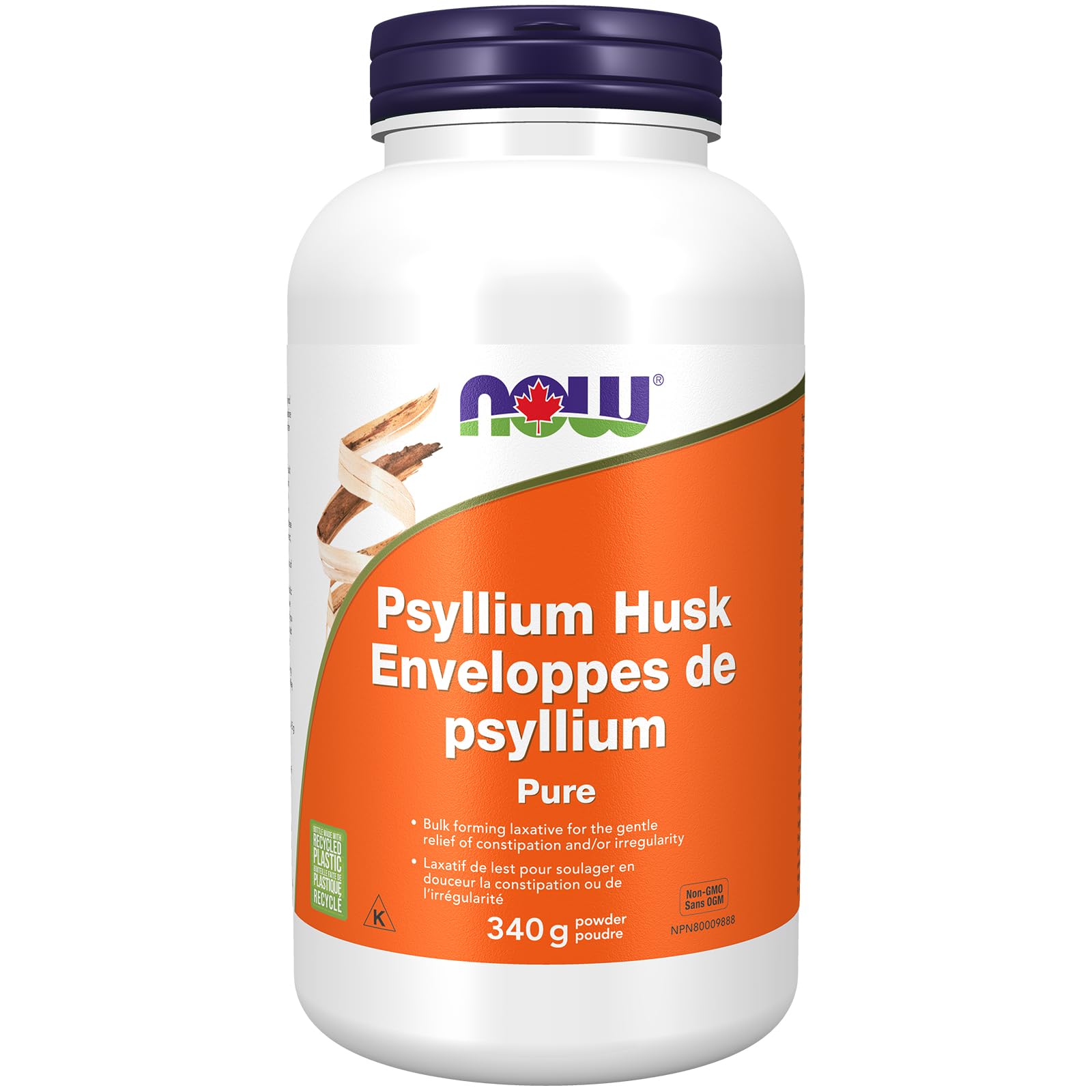
NOW Foods Supplements, Psyllium Husk Powder, Non-GMO Project Verified, Soluble Fiber, 12-Ounce
Amazon.com: NOW Foods Supplements, Psyllium Husk Powder, Non-GMO Project Verified, Soluble Fiber, 12-Ounce

Squatty Potty The Original Bathroom Toilet Stool, 7 Inch height, White
This 7” toilet stool is <strong>ready to support your feet and legs while you poop</strong>. It repositions your body to make pooping easier. There are no nuts, bolts or difficult instructions involve
Health Disclaimer
This content is for informational purposes only and does not constitute medical advice. Always consult a qualified healthcare provider before starting, stopping, or changing any supplement or medication regimen.