

Parkinson's Disease and Depression
Parkinson’s disease (PD) and depression frequently co-occur and influence each other’s course, symptoms, and treatment choices. Depression is among the most common non-motor symptoms of PD, affecting roughly one-third of individuals at some point. It can precede motor onset by years (prodromal phase) or emerge during disease progression, driven by shared neurobiological pathways and psychosocial stressors. Clinically, depression in PD worsens quality of life more than many motor symptoms, increases caregiver burden, and is associated with faster functional decline and greater healthcare use. Biologically, both conditions involve disturbances in monoaminergic systems: degeneration of dopaminergic (mesolimbic), serotonergic (raphe), and noradrenergic (locus coeruleus) pathways is central to PD and contributes to mood dysregulation. Neuroinflammation, altered stress-response (HPA axis), and network dysfunction between the basal ganglia and prefrontal-limbic circuits provide additional mechanistic overlaps. Alpha-synuclein pathology may also affect limbic regions early, aligning with prodromal affective symptoms. Management requires integrated screening and treatment. Validated tools such as the GDS-15, HADS, BDI-II, or MADRS can identify depressive symptoms in PD, but clinicians must interpret somatic items carefully due to overlap with PD motor features (fatigue, psychomotor slowing, sleep disturbance). Evidence supports standard antidepressants (SSRIs/SNRIs), certain dopaminergic agents (notably pramipexole), cognitive behavioral therapy (CBT), structured exercise, mindfulness-based approaches, and neuromodulation (rTMS; ECT for severe or refractory cases). Exercise and CBT have dual benefits on mood and motor function or quality of life, making them attractive first-line or adjunctive options. Safety nuances matter: combining SSRIs/SNRIs with MAO-B inhibitors (rasagiline, selegiline, safinamide) carries a low but real risk of serotonin syndrome; dopamine agonists,
Updated September 8, 2026This content is for informational purposes only and does not constitute medical advice. Always consult a qualified healthcare provider before starting, stopping, or changing any supplement or medication regimen.
Shared Risk Factors
Advancing age
Strong EvidenceIncreasing age is the strongest risk factor for PD and also raises risk for late-life depression via medical comorbidity, neurodegeneration, and social factors.
Genetic susceptibility (e.g., GBA, LRRK2 variants)
Moderate EvidenceCertain PD-associated variants are linked to higher rates of neuropsychiatric symptoms, including depression, though penetrance and expressivity vary.
Sleep disorders (insomnia, REM sleep behavior disorder)
Strong EvidenceSleep disruption contributes to mood dysregulation and is a prodromal feature of PD; RBD signals neurodegenerative progression.
Physical inactivity/sedentary behavior
Moderate EvidenceLower physical activity is associated with higher PD risk and worse outcomes; inactivity is a risk factor and perpetuating factor for depression.
Environmental exposures (e.g., pesticides)
Moderate EvidenceCertain pesticides increase PD risk; environmental toxicants may also contribute to depressive symptoms via neuroinflammatory/monoaminergic effects.
Systemic inflammation and HPA-axis dysregulation
Moderate EvidenceInflammation and stress-response abnormalities are implicated in both PD neurodegeneration and depression pathophysiology.
Vitamin D deficiency
Emerging ResearchLow vitamin D is common in PD and has been associated with depressive symptoms and reduced neuromuscular function.
Vascular/metabolic comorbidity (diabetes, metabolic syndrome)
Emerging ResearchVascular and metabolic disorders increase depression risk and have been associated with PD risk and faster progression in some studies.
Comorbidity Data
Prevalence
Meta-analyses suggest ~35% of people with PD experience clinically significant depression; point prevalence for major depression ~17% and for minor depression/dysthymia ~22%. Depression can precede PD diagnosis by years in a subset, and PD increases incident depression risk after diagnosis.
Mechanistic Link
Degeneration of mesolimbic dopamine pathways and serotonergic/noradrenergic nuclei, limbic alpha-synuclein pathology, basal ganglia–prefrontal circuit dysfunction, neuroinflammation, and HPA-axis dysregulation provide biological convergence.
Clinical Implications
Routinely screen for depression at PD diagnosis and follow-up; treat early to improve quality of life, adherence, and possibly motor rehabilitation outcomes. Consider drug–drug interactions (SSRIs/SNRIs with MAO-B inhibitors), orthostasis, cognitive effects, impulse-control disorders from dopamine agonists, and suicidality. Integrate exercise and psychotherapy to leverage overlapping benefits.
Sources (4)
- Reijnders JS et al. A systematic review of prevalence of depression in PD. Mov Disord. 2008;23(2):183-189. doi:10.1002/mds.21803
- Aarsland D et al. Depression in PD: epidemiology, mechanisms and management. Nat Rev Neurol. 2011;7(11): 573-584. doi:10.1038/nrneurol.2011.150
- Goodarzi Z et al. Management of depression in PD: a systematic review. Mov Disord. 2016;31(5): 714-724. doi:10.1002/mds.26673
- Schrag A et al. Premorbid depression and risk of PD: cohort evidence. Neurology. 2001/2009 (various).
Overlapping Treatments
Regular aerobic and progressive exercise (e.g., brisk walking, cycling, dance, tai chi)
Strong EvidenceImproves motor symptoms, balance, gait, and overall function; may slow functional decline and improve non-motor symptoms.
Reduces depressive symptoms and anxiety; enhances sleep and cognitive function.
Screen for falls and cardiovascular risk; start supervised programs; tailor intensity to fatigue and motor fluctuations.
Cognitive Behavioral Therapy (CBT)
Moderate EvidenceImproves coping with motor/non-motor symptoms and treatment adherence; enhances quality of life.
Effective for mild-to-moderate depression and as adjunct for severe depression.
Access and therapist expertise in PD-specific adaptations vary.
SSRIs (e.g., sertraline, citalopram, escitalopram)
Strong EvidenceGenerally motor-neutral; may improve anxiety/irritability that worsen motor fluctuations.
First-line pharmacotherapy for depression; effective across severities.
Monitor for hyponatremia, GI bleed risk, QTc (citalopram), tremor, and rare serotonin syndrome when combined with MAO-B inhibitors.
SNRIs (e.g., venlafaxine XR, duloxetine)
Strong EvidenceMay aid neuropathic pain and fatigue; typically motor-neutral.
Effective antidepressants; venlafaxine XR shown effective in PD depression RCTs.
Monitor BP (venlafaxine), nausea; watch for interactions with MAO-B inhibitors.
Tricyclic antidepressants (e.g., nortriptyline, desipramine)
Moderate EvidenceCan reduce pain and improve sleep; some evidence of superior efficacy in PD depression vs SSRIs in small trials.
Effective for depression, especially melancholic features.
Anticholinergic burden, orthostatic hypotension, arrhythmias; avoid in significant cognitive impairment or high fall risk.
Dopamine agonist (pramipexole)
Moderate EvidenceImproves motor symptoms and reduces “off” time.
Demonstrated antidepressant effects in PD; improves anhedonia and mood.
Impulse-control disorders, daytime sleepiness, hallucinations; caution in elderly or with psychosis history.
MAO-B inhibitors (rasagiline, selegiline, safinamide)
Emerging ResearchReduce motor fluctuations and “off” time.
Adjunctive mood benefits reported, especially with safinamide; may reduce apathy.
Potential serotonergic interactions with SSRIs/SNRIs; counsel on serotonin syndrome symptoms though risk is low at PD doses.
Repetitive transcranial magnetic stimulation (rTMS, left DLPFC)
Moderate EvidenceSome improvement in gait/freezing and fatigue in specific protocols; overall adjunctive benefits.
Effective for treatment-resistant depression; improves mood and cognition.
Rare seizure risk; metal implants and DBS require specialist planning.
Electroconvulsive therapy (ECT)
Strong EvidenceCan improve motor symptoms transiently and reduce severe off-periods.
Highly effective for severe or psychotic depression and suicidality.
Requires anesthesia; transient cognitive effects; coordinate with DBS teams to manage devices.
Mindfulness-based interventions (MBSR), meditation
Moderate EvidenceImproves stress reactivity and quality of life; may aid motor symptom coping.
Reduces depressive and anxiety symptoms; prevents relapse as adjunct.
Best as structured programs; practice adherence determines benefit.
Acupuncture (adjunctive)
Emerging ResearchSome studies suggest improvements in UPDRS scores and non-motor symptoms.
Adjunctive reductions in depressive symptoms reported in some RCTs.
Evidence heterogeneity and risk of bias; ensure sterile technique and qualified practitioners.
Medical Perspectives
Two Ways of Seeing Health

Western
scientific · clinical
Western medicine applies science, technology, and clinical experience to treat symptoms through testing, diagnosis, and targeted intervention.
Surgeons · Pharmaceuticals · Clinical trials · Diagnostics 
Eastern
traditional · alternative
Eastern medicine focuses on treating the body naturally by applying traditional knowledge practiced for thousands of years, emphasizing balance and whole-person wellness.
Acupuncture · Herbal medicine · Yoga · Meditation
Gold Bamboo presents both perspectives side-by-side so you can make informed decisions. We don't advocate for one over the other — your health choices are yours.
Two Ways of Seeing Health
Western
scientific · clinical
Western medicine applies science, technology, and clinical experience to treat symptoms through testing, diagnosis, and targeted intervention.
Eastern
traditional · alternative
Eastern medicine focuses on treating the body naturally by applying traditional knowledge practiced for thousands of years, emphasizing balance and whole-person wellness.
Gold Bamboo presents both perspectives side-by-side so you can make informed decisions. We don't advocate for one over the other — your health choices are yours.
Western Perspective
From a Western medical standpoint, depression in PD arises from overlapping neurobiology—degeneration of dopaminergic, serotonergic, and noradrenergic systems; limbic alpha-synuclein pathology; neuroinflammation; and dysregulated cortico-striatal-limbic circuits—plus psychosocial stressors. Depression can be prodromal, concurrent, or reactive. Integrated care emphasizes routine screening, stepped treatment (psychotherapy, exercise, pharmacotherapy), and attention to drug interactions and cognitive status.
Key Insights
- Depression affects ~1/3 of people with PD and can precede motor symptoms.
- Monoaminergic degeneration and limbic network dysfunction link PD pathology to mood dysregulation.
- Treating depression improves quality of life as much or more than optimizing motor symptoms.
- SSRIs/SNRIs, CBT, exercise, and pramipexole have supportive evidence; ECT and rTMS are options for refractory cases.
- Watch for serotonin syndrome risk with SSRIs/SNRIs plus MAO-B inhibitors, and for impulse-control disorders with dopamine agonists.
Treatments
- Screening with GDS-15/HADS/BDI-II; collaborative care models
- Exercise prescriptions (aerobic + balance/strength)
- CBT and mindfulness-based therapies
- SSRIs/SNRIs; TCAs in selected patients
- Pramipexole; MAO-B inhibitors (adjunct)
- rTMS for TRD; ECT for severe depression
Deep Dive
The PD–depression relationship is best understood through converging neurobiological and clinical evidence. PD pathology targets brainstem monoa... The PD–depression relationship is best understood through converging neurobiological and clinical evidence. PD pathology targets brainstem monoaminergic nuclei and mesocorticolimbic pathways early, diminishing dopamine (motivation, reward), serotonin (mood, anxiety, sleep), and norepinephrine (alertness, stress modulation). Alpha-synuclein deposition and network dysfunction within basal ganglia–prefrontal–limbic circuits disrupt cognitive and affective regulation, while neuroinflammation and HPA-axis dysregulation amplify these effects. This biology explains why depression frequently predates or accompanies PD and why anhedonia, apathy, and fatigue are prominent. Clinically, depression impairs quality of life more than tremor or rigidity, undermines rehabilitation adherence, and increases caregiver strain. Routine screening at diagnosis and follow-up is therefore essential, using brief tools (GDS-15, HADS) mindful of somatic item overlap. Treatment follows a stepped, personalized plan that prioritizes safety and dual-benefit strategies. Exercise prescriptions (aerobic plus balance/strength) and CBT offer robust mood benefits with favorable motor and cognitive effects. Pharmacologically, SSRIs and SNRIs are effective and generally motor-neutral; TCAs may be more potent in some cases but carry anticholinergic and cardiovascular risks. Dopaminergic agents, particularly pramipexole, can improve mood via mesolimbic mechanisms, though they require vigilance for impulse-control disorders and psychosis. For refractory illness, rTMS is a noninvasive option, and ECT remains the gold standard for severe, psychotic, or suicidal depression, with the added observation of transient motor improvement in PD. Across modalities, careful management of drug–drug interactions (notably SSRIs/SNRIs with MAO-B inhibitors) and comorbidities (orthostasis, cognitive impairment) is critical. The overarching goal is integrated care: align neurologic and psychiatric management, blend behavioral and pharmacologic therapies, and monitor outcomes iteratively to optimize both mood and motor function.
Sources
- Reijnders JS et al. Mov Disord. 2008;23:183-189. doi:10.1002/mds.21803
- Richard IH et al. Venlafaxine XR and paroxetine for depression in PD. Neurology. 2012;78:1229-1236. doi:10.1212/WNL.0b013e318250d50a
- Dobkin RD et al. CBT for depression in PD: RCT. Neurology. 2011;77:1003-1010. doi:10.1212/WNL.0b013e31822f03fb
- Seppi K et al. MDS EBM Update on PD treatments. Mov Disord. 2019;34:180-198. doi:10.1002/mds.27602
- AAN guideline update on nonmotor symptoms in PD (various)
Eastern Perspective
In Traditional East Asian Medicine, PD aligns with patterns such as “Liver Wind stirring internally” with underlying Liver–Kidney yin deficiency and phlegm; depression aligns with “Yu Zheng” (constraint) from Liver qi stagnation, phlegm-heat, or blood deficiency. These patterns can coexist, explaining tremor, rigidity, sleep disturbance, and low mood. Treatment seeks to calm wind, nourish Liver–Kidney, move qi, and harmonize the Shen (mind), integrating acupuncture, herbal formulas, and movement therapies (tai chi/qigong).
Key Insights
- Shared patterns (Liver–Kidney deficiency, qi stagnation, phlegm) can underlie both tremor and mood symptoms.
- Acupuncture and tai chi may improve motor function, balance, sleep, and depressive symptoms as adjuncts.
- Herbal formulas are tailored to pattern differentiation; careful integration with Western medications is essential.
Treatments
- Acupuncture points often used: GV20, EX-HN3 (Yintang), LR3, LI4, ST36, SP6, HT7, PC6; scalp acupuncture for motor cortex lines
- Formulas for PD patterns: Tian Ma Gou Teng Yin, Zhen Gan Xi Feng Tang (calm wind); for depression patterns: Xiao Yao San or Chai Hu Shu Gan San (soothe Liver qi), Ban Xia Hou Po Tang (resolve phlegm)
- Tai chi/qigong for balance, flexibility, and mood
Deep Dive
Traditional East Asian Medicine conceptualizes PD and depression as manifestations of interrelated imbalances. PD corresponds to internal Wind s... Traditional East Asian Medicine conceptualizes PD and depression as manifestations of interrelated imbalances. PD corresponds to internal Wind stirred by Liver–Kidney deficiency, often complicated by phlegm and blood stasis, producing tremor, rigidity, dizziness, and sleep disruption. Depression (“Yu Zheng”) reflects constraint of Liver qi with possible transformation into heat or phlegm, disturbing the Shen (mind) and leading to low mood, irritability, or anxiety. Because Liver governs sinews and emotions, and Kidney nourishes marrow/brain, deficiencies in these systems can simultaneously yield motor and affective symptoms. Therapeutically, the approach is to calm wind, nourish Liver–Kidney, move qi, and settle the Shen. Acupuncture protocols frequently include GV20 and Yintang to quiet the mind; LR3/LI4 to move Liver qi; ST36/SP6 to tonify qi and blood; and HT7/PC6 for anxiety and palpitations. Scalp acupuncture targeting motor lines may address tremor and rigidity directly. Movement therapies such as tai chi and qigong nourish qi, enhance balance and flexibility, and reduce stress reactivity, with clinical trials in PD demonstrating improved postural stability and secondary improvements in mood. Herbal formulas are pattern-specific: Tian Ma Gou Teng Yin or Zhen Gan Xi Feng Tang to calm wind and nourish yin in PD-predominant presentations; Xiao Yao San or Chai Hu Shu Gan San to relieve Liver qi stagnation in depression-predominant cases, with modifications for phlegm or heat. Evidence quality ranges from traditional to emerging. Randomized studies and meta-analyses suggest adjunctive benefits of acupuncture and tai chi on motor and depressive symptoms, though heterogeneity and risk of bias remain. Integration with Western care emphasizes safety: coordinate herbs with dopaminergic and serotonergic drugs to avoid interactions, use licensed practitioners, and monitor standardized outcomes (mood scales, UPDRS) to ensure objective benefit.
Sources
- Li F et al. Tai Chi and postural stability in PD. N Engl J Med. 2012;366:511-519. doi:10.1056/NEJMoa1107911
- Xie CL et al. Acupuncture for PD: systematic review/meta-analysis. Evid Based Complement Alternat Med. 2012;2012: 1-14. doi:10.1155/2012/195271
- Zhang ZJ et al. Xiao Yao San for depression: meta-analytic evidence (adjunct). J Altern Complement Med. 2012/2019
- Cochrane reviews on acupuncture for depression and PD (various years): evidence low-to-moderate quality
Evidence Ratings
Approximately one-third of people with Parkinson’s disease experience clinically significant depression.
Reijnders JS et al. Mov Disord. 2008;23:183-189. doi:10.1002/mds.21803
Depressive symptoms can precede PD diagnosis by several years (prodromal phase).
Aarsland D et al. Nat Rev Neurol. 2011;7:573-584. doi:10.1038/nrneurol.2011.150
SSRIs and SNRIs are effective and generally safe for treating depression in PD.
Richard IH et al. Neurology. 2012;78:1229-1236. doi:10.1212/WNL.0b013e318250d50a
Pramipexole improves depressive symptoms in PD.
Barone P et al. Pramipexole and depression outcomes in PD (meta-analyses/reviews).
Exercise reduces depressive symptoms and improves quality of life in PD.
Cochrane and multiple RCTs summarized in Seppi K et al. Mov Disord. 2019;34:180-198.
rTMS over left DLPFC is effective for treatment-resistant depression and shows benefit in PD populations.
Meta-analyses of rTMS in depression; PD subgroup studies (various).
Combining SSRIs/SNRIs with MAO-B inhibitors carries a low but possible risk of serotonin syndrome.
Rasagiline/selegiline prescribing information; observational safety series (Panisset M et al., 2014).
ECT is highly effective for severe depression and may transiently improve motor symptoms in PD.
Kellner CH et al. and multiple case series/controlled studies on ECT in PD.
Sources
- Reijnders JSAM, Ehrt U, Weber WEJ, Aarsland D, Leentjens AFG. A systematic review of prevalence studies of depression in Parkinson’s disease. Mov Disord. 2008;23(2):183-189. doi:10.1002/mds.21803
- Aarsland D, Marsh L, Schrag A. Neuropsychiatric symptoms in Parkinson’s disease. Nat Rev Neurol. 2009/2011;7(5/11): 284–294/573–584. doi:10.1038/nrneurol.2011.150
- Richard IH et al. A randomized, double-blind, placebo-controlled trial of antidepressants in Parkinson disease (paroxetine and venlafaxine XR). Neurology. 2012;78:1229-1236. doi:10.1212/WNL.0b013e318250d50a
- Dobkin RD et al. Cognitive-behavioral therapy for depression in Parkinson’s disease: a randomized, controlled trial. Neurology. 2011;77:1003-1010. doi:10.1212/WNL.0b013e31822f03fb
- Seppi K et al. The Movement Disorder Society Evidence-Based Medicine Review Update: Treatments for the motor symptoms of PD and selected non-motor symptoms. Mov Disord. 2019;34:180-198. doi:10.1002/mds.27602
- Li F et al. Tai Chi and postural stability in Parkinson’s disease. N Engl J Med. 2012;366:511-519. doi:10.1056/NEJMoa1107911
- Panisset M et al. Serotonin toxicity association with rasagiline: critical review of cases. Drug Saf. 2014;37(9):707-719. doi:10.1007/s40264-014-0200-7
- Cattaneo C et al. Safinamide and non-motor symptoms including mood in PD: post-hoc analyses. CNS Spectr. 2017;22(S1):26–34. doi:10.1017/S1092852917000798
- Kellner CH et al. ECT in Parkinson’s disease: efficacy for depression and motor symptoms. J ECT. Multiple reports/reviews.
Related Topics
Recommended Products
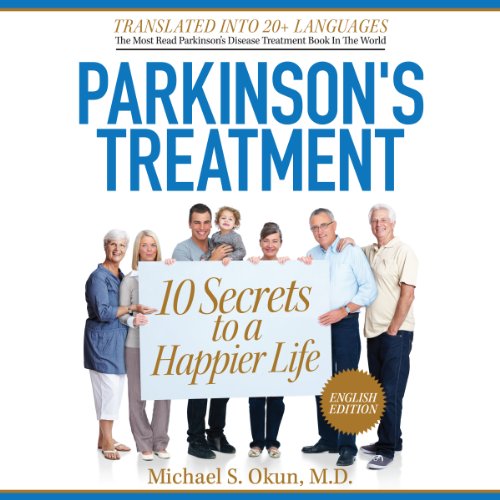
Parkinson's Treatment: 10 Secrets to a Happier Life: English Edition: Okun MD, Michael S
Okun has truly helped thousands of Parkinson’s disease patients and families discover the core values necessary to achieve happiness despite living with a chronic disease. ... The Amazon Book Review B

Carex Day-Light Classic Plus Sunlight Therapy Lamp - 10000 LUX Therapy Lamp at 12 Inches, LED Bright White Light with Adjustable Height and Brightness Levels for Mood, White
Optimal 10,000 LUX Light Therapy at 12 Inches: <strong>Experience the recommended 10,000 LUX of glare-free white light</strong> with the Carex Day-Light Classic Plus Sunlight Therapy Lamp.

THERABAND Resistance Band Handles, Soft Handles Pair, Accessories for Elastic Resistance Bands & Tubes, Exercise Equipment for Home Gym, Overhead Strength Training, & Stretching, Use with Door Anchor
<strong>THERABAND Elastic Resistance Bands and Tubing Overdoor Accessories Kit, with Assist Strap, Soft Grip Handles, and Door Anchor for Overhead Shoulder Rehab, At-Home Physical Therapy, Upper Body
Health Disclaimer
This content is for informational purposes only and does not constitute medical advice. Always consult a qualified healthcare provider before starting, stopping, or changing any supplement or medication regimen.