

Seasonal Affective Disorder (SAD) and Acupuncture
Seasonal Affective Disorder (SAD) is a recurrent depressive pattern tied to seasonal light changes, most often emerging in late fall and winter with symptoms like low mood, low energy, hypersomnia, carbohydrate cravings, and social withdrawal. Established treatments include bright light therapy (first-line for many), cognitive behavioral therapy adapted for SAD (CBT-SAD), and antidepressants such as SSRIs or bupropion XL. Interest in acupuncture as an adjunct or alternative has grown, particularly for people seeking non-pharmacologic options or added support for sleep and stress. How might acupuncture help? Several plausible mechanisms overlap with known SAD biology. Research suggests acupuncture can modulate central neurotransmitters implicated in depression, including serotonin and dopamine, and influence brain networks related to mood regulation. Pilot and mechanistic studies indicate effects on melatonin secretion and circadian regulation—core issues in SAD. Acupuncture may also help rebalance the stress response (hypothalamic-pituitary-adrenal axis) and reduce inflammatory signaling, both of which are linked to depressive symptoms. Improvements in sleep architecture and insomnia—common in mood disorders—have also been reported and could indirectly lift daytime mood and energy. What does the clinical evidence say? Direct evidence for acupuncture specifically in SAD is limited. A small number of pilot and observational studies suggest benefit, but high-quality randomized trials in SAD populations are sparse. More robust data exist for major depressive disorder: systematic reviews and at least one large pragmatic trial show modest symptom reductions with acupuncture, especially as an adjunct to usual care. Studies in insomnia report improved sleep and increased nocturnal melatonin after acupuncture, which may be relevant to SAD’s circadian features. Safety data indicate acupuncture is generally well-tolerated when delivered by trained practitioners; most adverse
Updated September 8, 2026This content is for informational purposes only and does not constitute medical advice. Always consult a qualified healthcare provider before starting, stopping, or changing any supplement or medication regimen.
Medical Perspectives
Two Ways of Seeing Health

Western
scientific · clinical
Western medicine applies science, technology, and clinical experience to treat symptoms through testing, diagnosis, and targeted intervention.
Surgeons · Pharmaceuticals · Clinical trials · Diagnostics 
Eastern
traditional · alternative
Eastern medicine focuses on treating the body naturally by applying traditional knowledge practiced for thousands of years, emphasizing balance and whole-person wellness.
Acupuncture · Herbal medicine · Yoga · Meditation
Gold Bamboo presents both perspectives side-by-side so you can make informed decisions. We don't advocate for one over the other — your health choices are yours.
Two Ways of Seeing Health
Western
scientific · clinical
Western medicine applies science, technology, and clinical experience to treat symptoms through testing, diagnosis, and targeted intervention.
Eastern
traditional · alternative
Eastern medicine focuses on treating the body naturally by applying traditional knowledge practiced for thousands of years, emphasizing balance and whole-person wellness.
Gold Bamboo presents both perspectives side-by-side so you can make informed decisions. We don't advocate for one over the other — your health choices are yours.
Western Perspective
Western medicine recognizes SAD as a subtype of depressive disorder with pathophysiology tied to reduced photic input, circadian phase delay, melatonin timing, and serotonergic function. Acupuncture is considered a complementary modality with modest evidence for depressive symptoms broadly, but little SAD-specific randomized data. Clinicians may consider it as an adjunct to first-line treatments when patients prefer integrative care, have partial response, or experience medication side effects.
Key Insights
- Bright light therapy has strong evidence for acute symptom relief in SAD and is considered first-line.
- CBT-SAD is effective acutely and shows superior recurrence prevention over light therapy at 1-year follow-up.
- Antidepressants (e.g., SSRIs; bupropion XL for prevention) are options when symptoms are moderate-to-severe or recurrent.
- Acupuncture shows modest benefits for depression in general and may improve sleep and stress physiology; SAD-specific trials remain limited.
- Safety of acupuncture is generally favorable; serious adverse events are rare with qualified practitioners.
Treatments
- Bright light therapy (morning exposure)
- CBT-SAD (behavioral activation, cognitive work, relapse prevention)
- Antidepressants (SSRIs; bupropion XL for prevention)
- Exercise/behavioral activation
- Acupuncture as adjunct in integrative plans
Deep Dive
From a western clinical standpoint, Seasonal Affective Disorder reflects an interplay between reduced winter light exposure and vulnerabilities ... From a western clinical standpoint, Seasonal Affective Disorder reflects an interplay between reduced winter light exposure and vulnerabilities in circadian timing, melatonin regulation, and serotonergic signaling. Bright light therapy directly targets the photic-circadian pathway and remains a first-line option, while CBT-SAD builds durable skills around behavioral activation and cognitive restructuring tailored to seasonality. Pharmacotherapies, including SSRIs and bupropion XL, are helpful for moderate-to-severe presentations or prevention in recurrent cases. Where does acupuncture fit? The most direct evidence for acupuncture in mood disorders comes from trials in major depression, where symptom improvements are typically modest and strongest when acupuncture augments usual care. SAD-specific randomized evidence is sparse, leaving clinical decisions to be guided by plausibility, patient preference, and comorbid targets such as sleep and stress. Mechanistic studies suggest acupuncture can influence neurotransmitters (serotonin, dopamine), temper HPA-axis overactivity, reduce inflammatory signaling, and improve sleep quality—domains relevant to SAD biology. Small human studies report increased nocturnal melatonin after acupuncture and better insomnia symptoms, which could help correct circadian misalignment. In practice, clinicians might consider acupuncture as an adjunct when first-line SAD treatments are insufficient, poorly tolerated, or when patients desire integrative approaches. Monitoring with standardized mood and sleep scales can help gauge response over several weeks. If symptoms remain function-limiting, it is reasonable to combine or escalate evidence-based care (e.g., add morning light therapy, initiate CBT-SAD, or discuss antidepressants). Safety is generally favorable, with mostly minor adverse effects when performed by qualified practitioners; caution is warranted with bleeding risks, pregnancy, or implanted electrical devices if electroacupuncture is used. Ultimately, acupuncture may provide incremental benefit, especially for sleep and stress domains, but should be integrated thoughtfully alongside therapies with the strongest evidence base for SAD.
Sources
- Golden RN et al. Am J Psychiatry. 2005;162:656-662.
- Rohan KJ et al. Am J Psychiatry. 2015;172:862-869.
- Lam RW et al. CANMAT guidelines. 2016/2019 updates.
- Cochrane Database Syst Rev. 2018: Acupuncture for depression.
- MacPherson H et al. PLoS Med. 2013: ACUDep trial.
Eastern Perspective
Traditional Chinese Medicine (TCM) often interprets winter-onset low mood, lethargy, oversleeping, and increased appetite as patterns such as liver qi stagnation with spleen qi deficiency, or kidney yang deficiency aggravated by seasonal cold and reduced yang qi. Treatment principles include coursing the liver, strengthening spleen qi, warming and tonifying kidney yang, and calming the shen (spirit). Acupuncture aims to restore balance in qi and blood flow, harmonize the zang-fu, and support seasonal adaptation.
Key Insights
- Seasonal darkness is seen as an external environmental influence that can aggravate internal patterns (e.g., yang deficiency).
- Point selections commonly target mood regulation and vitality (e.g., DU20, HT7, LR3, ST36, SP6, PC6), adjusted to presentation.
- Moxibustion and warming techniques may be emphasized in winter or in yang deficiency patterns.
- Auricular acupuncture and gentle qigong/breath practices may support mood, sleep, and stress resilience.
- Herbal formulas are sometimes considered, tailored to pattern (e.g., for liver qi stagnation), with careful safety oversight.
Treatments
- Body acupuncture and electroacupuncture for mood and sleep
- Moxibustion in cold/yang-deficient patterns
- Auricular acupuncture
- Qigong/mindfulness breathing
- Pattern-guided herbal support (evidence variable)
Deep Dive
Traditional Chinese Medicine frames SAD-like presentations within seasonal dynamics: winter’s diminished yang and constrained movement can aggra... Traditional Chinese Medicine frames SAD-like presentations within seasonal dynamics: winter’s diminished yang and constrained movement can aggravate internal disharmonies such as liver qi stagnation, spleen qi deficiency, or kidney yang deficiency. Symptoms—low mood, lethargy, hypersomnia, increased appetite—map onto patterns of constrained qi, dampness, and yang depletion. Treatment aims to restore harmonious flow and seasonal adaptability: course the liver to ease stagnation, strengthen spleen to transform dampness and support energy, warm kidney yang to counter cold, and calm the shen to stabilize mood and sleep. Acupuncture selections often include DU20 to uplift and clear the mind; LR3 and PC6 to regulate liver qi and soothe the chest; HT7 and SP6 to calm the shen and consolidate sleep; ST36 to tonify qi and resilience. In colder months or in yang-deficient patterns, moxibustion provides warming support. Auricular acupuncture and gentle qigong or mindful breathing may assist regulation of stress and sleep. From an integrative lens, these approaches align with observed physiological shifts: improved autonomic balance, modulation of neurochemistry, and normalization of sleep-wake rhythms. While modern randomized evidence specifically for SAD is limited, TCM’s long clinical tradition for seasonal mood disturbance supports individualized, pattern-based care. Practitioners emphasize collaboration with conventional treatments where appropriate—encouraging morning outdoor light exposure, movement practices, and, when needed, psychotherapy or pharmacotherapy. The shared goal is to help patients transition through seasonal change with steadier mood, restorative sleep, and sufficient vital energy, while closely monitoring for persistent or severe depressive symptoms that warrant additional biomedical intervention.
Sources
- Maciocia G. The Foundations of Chinese Medicine. 2nd ed.
- Cheng X. Chinese Acupuncture and Moxibustion. 3rd ed.
- Cao H et al. Complement Ther Med. 2009: acupuncture for insomnia review.
- Spence DW et al. J Neuropsychiatry Clin Neurosci. 2004: melatonin & sleep.
Evidence Ratings
Bright light therapy improves acute depressive symptoms in SAD versus placebo/sham.
Golden RN et al. Am J Psychiatry. 2005;162:656-662.
CBT-SAD is effective acutely and may reduce next-winter recurrence more than light therapy.
Rohan KJ et al. Am J Psychiatry. 2015;172:862-869.
Acupuncture reduces depressive symptoms in major depression compared with usual care/sham, though effects are modest and evidence quality varies.
Cochrane Database Syst Rev. 2018: Acupuncture for depression; MacPherson H et al. PLoS Med. 2013.
Direct SAD-specific randomized evidence for acupuncture is limited; conclusions are preliminary.
Narrative across depression and insomnia reviews; absence of SAD-targeted RCTs in major reviews (Cochrane 2018; CANMAT SAD guidance).
Acupuncture may increase nocturnal melatonin and improve sleep parameters in insomnia.
Spence DW et al. J Neuropsychiatry Clin Neurosci. 2004; Cao H et al. Complement Ther Med. 2009.
Acupuncture can modulate stress pathways (HPA axis) and inflammatory cytokines in preclinical/early clinical studies.
Eshkevari L et al. Endocrinology. 2013; Zhang R et al. Auton Neurosci. 2014.
Acupuncture is generally safe with low rates of serious adverse events when performed by trained practitioners.
White A. Acupunct Med. 2004; MacPherson H, Thomas K. BMJ. 2001.
Sources
- Golden RN, Gaynes BN, Ekstrom RD, et al. The efficacy of light therapy in the treatment of mood disorders: A meta-analysis. Am J Psychiatry. 2005;162(4):656-662.
- Rohan KJ, Meyerhoff J, Ho S-Y, et al. Randomized trial of CBT vs light therapy for SAD. Am J Psychiatry. 2015;172(9):862-869.
- Lam RW, McIntosh D, Wang J, et al. Canadian Network for Mood and Anxiety Treatments (CANMAT) Guidelines—SAD. (2016/2019 updates).
- Cochrane Database Syst Rev. 2018. Acupuncture for depression: Systematic review and meta-analysis.
- MacPherson H, Richmond S, Bland M, et al. Acupuncture and counselling for depression in primary care (ACUDep): RCT. PLoS Med. 2013;10(9):e1001518.
- Spence DW, Kayumov L, Chen A, et al. Acupuncture increases nocturnal melatonin secretion and reduces insomnia and anxiety. J Neuropsychiatry Clin Neurosci. 2004;16(1):19-28.
- Eshkevari L, Egan R, Phillips D, et al. Acupuncture blocks stress-induced increases in HPA axis hormones in rats. Endocrinology. 2013;154(7):2542-2551.
- Zhang R, Lao L, Ren K, Berman BM. Mechanisms of acupuncture–anti-inflammatory effects. Auton Neurosci. 2014;157(1-2):29-41.
- Cao H, Pan X, Li H, Liu J. Acupuncture for insomnia: a systematic review and meta-analysis. Complement Ther Med. 2009;17(6):396-403.
- White A. A cumulative review of the range and incidence of significant adverse events associated with acupuncture. Acupunct Med. 2004;22(3):122-133.
- Rosenthal NE, Sack DA, Gillin JC, et al. Seasonal affective disorder: A description of the syndrome. Arch Gen Psychiatry. 1984;41(1):72-80.
Related Topics
Recommended Products
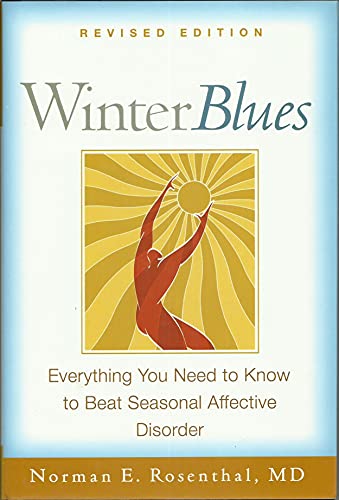
Winter Blues: Everything You Need to Know to Beat Seasonal Affective Disorder
Copyright © 2013 Norman E. Rosenthal All rights reserved. ISBN: 978-1-60918-185-7 · Cover, Praise for Winter Blues, Title Page, Copyright Page, Preface, Introduction, Part I Seasonal Syndromes, ONE Di

Carex Day-Light Classic Plus Sunlight Therapy Lamp - 10000 LUX Therapy Lamp at 12 Inches, LED Bright White Light with Adjustable Height and Brightness Levels for Mood, White
Optimal 10,000 LUX Light Therapy at 12 Inches: <strong>Experience the recommended 10,000 LUX of glare-free white light</strong> with the Carex Day-Light Classic Plus Sunlight Therapy Lamp.

Life Extension Melatonin, 300 mcg, Gentle Sleep Support, Healthy circadian Rhythms, Cellular Defense, Gluten-Free, Non-GMO, Vegetarian, 100 Capsules
... Melatonin is a hormone produced ... This 300 mcg sleep supplement <strong>promotes healthy sleep-wake patterns, promotes falling asleep, and encourages the duration and quality of your sleep</stro
Health Disclaimer
This content is for informational purposes only and does not constitute medical advice. Always consult a qualified healthcare provider before starting, stopping, or changing any supplement or medication regimen.