

Weight Loss and Acupuncture
Acupuncture is increasingly explored as a complementary approach to weight loss. From a biological perspective, several plausible mechanisms have been proposed. Needling specific body and ear points may influence appetite and satiety signals (ghrelin, leptin), cravings and reward pathways, autonomic balance and stress hormones (sympathetic–parasympathetic tone, cortisol), gastric motility and digestion, and inflammatory mediators implicated in adiposity. Early research also suggests acupuncture may affect the gut–brain axis, potentially shifting gut microbiota and vagal signaling. Clinically, commonly used points for weight management include body points such as ST36 (Zusanli), ST25 (Tianshu), CV12 (Zhongwan), SP6 (Sanyinjiao), LI4 (Hegu), and ST40 (Fenglong), and auricular points such as Hunger, Shenmen, Stomach, and Endocrine. Techniques vary—manual body acupuncture, auricular acupuncture/ear seeds, and electroacupuncture (EA)—with EA sometimes used to enhance neuromodulatory effects. What does the evidence show? Systematic reviews and randomized trials suggest acupuncture can produce modest, short‑term additional weight loss compared with lifestyle advice alone, and may reduce waist circumference and appetite ratings. Compared with sham controls, effects are smaller and less consistent; several higher‑quality trials show little or no difference beyond placebo-like controls, while others show small benefits. Effect sizes in meta‑analyses typically range from about 1–3 kg of additional loss over 8–12 weeks, with substantial heterogeneity and frequent risks of bias (inadequate blinding, small samples, short follow‑up). Evidence appears stronger for acupuncture as an adjunct to diet and physical activity than as a stand‑alone therapy. Long‑term maintenance data remain limited. In practice, acupuncture is most often used as part of a comprehensive plan that includes nutrition, movement, sleep optimization, and stress management. Treatment protocols in studies often,
Updated September 8, 2026This content is for informational purposes only and does not constitute medical advice. Always consult a qualified healthcare provider before starting, stopping, or changing any supplement or medication regimen.
Overlapping Treatments
Auricular acupuncture (ear points/ear seeds)
Emerging ResearchCore acupuncture micro-system targeting autonomic balance and limbic circuits via auricular branches of the vagus and trigeminal nerves
May reduce appetite, cravings, and waist circumference in the short term; often used to support adherence to dietary changes
Skin irritation from seeds/tape; evidence mixed in higher-quality sham-controlled trials
Body acupuncture (manual needling at ST36, ST25, CV12, SP6, LI4, ST40)
Moderate EvidenceTraditional body-point protocols aimed at regulating digestive function and systemic homeostasis
May modestly enhance short-term weight and BMI reduction and improve digestive comfort and satiety signals
Effects vary by protocol intensity and patient factors; high heterogeneity across studies
Electroacupuncture (EA)
Emerging ResearchAdds low-frequency electrical stimulation to needles, enhancing neuromodulation
Preliminary data suggest impacts on leptin/ghrelin balance, insulin sensitivity, and visceral fat markers
Avoid or use caution with pacemakers/implanted devices and seizure disorders; practitioner training important
Acupressure/ear seeds for self-care
Emerging ResearchNon-needle technique aligned with acupuncture point theory to extend effects between sessions
May help cue mindful eating and reduce stress-driven snacking between treatments
Evidence base smaller than for needling; proper instruction needed to avoid skin irritation
Moxibustion (with acupuncture)
Traditional UseTraditional heat therapy at or near acupuncture points, often used to tonify yang and support digestion
Used traditionally to improve digestive warmth and motility; limited modern data for weight outcomes
Heat/skin burn risk if misapplied; smoke-sensitive individuals may need smokeless options
Mind–body stress reduction integrated with acupuncture
Moderate EvidenceAcupuncture sessions often incorporate relaxation and autonomic downshifting
Stress reduction can indirectly support appetite regulation, sleep quality, and adherence to nutrition plans
Benefits are indirect and depend on concurrent lifestyle measures
Medical Perspectives
Two Ways of Seeing Health

Western
scientific · clinical
Western medicine applies science, technology, and clinical experience to treat symptoms through testing, diagnosis, and targeted intervention.
Surgeons · Pharmaceuticals · Clinical trials · Diagnostics 
Eastern
traditional · alternative
Eastern medicine focuses on treating the body naturally by applying traditional knowledge practiced for thousands of years, emphasizing balance and whole-person wellness.
Acupuncture · Herbal medicine · Yoga · Meditation
Gold Bamboo presents both perspectives side-by-side so you can make informed decisions. We don't advocate for one over the other — your health choices are yours.
Two Ways of Seeing Health
Western
scientific · clinical
Western medicine applies science, technology, and clinical experience to treat symptoms through testing, diagnosis, and targeted intervention.
Eastern
traditional · alternative
Eastern medicine focuses on treating the body naturally by applying traditional knowledge practiced for thousands of years, emphasizing balance and whole-person wellness.
Gold Bamboo presents both perspectives side-by-side so you can make informed decisions. We don't advocate for one over the other — your health choices are yours.
Western Perspective
Western medicine views acupuncture as a complementary tool that may modulate neurohormonal pathways relevant to appetite, stress, and gastrointestinal function. Clinical trials and meta-analyses suggest modest additional short-term weight loss when combined with lifestyle interventions, with inconsistent benefits over rigorous sham controls. Acupuncture is generally positioned as an adjunct rather than a primary obesity treatment.
Key Insights
- Pooled data often show small to moderate short-term reductions in body weight and waist circumference versus minimal care or diet advice alone, but with high heterogeneity and risk of bias.
- Sham-controlled trials narrow the effect size, indicating that nonspecific factors (expectancy, therapist interaction) likely contribute to outcomes.
- Biological plausibility is supported by studies showing changes in ghrelin, leptin, inflammatory markers, and heart-rate variability after acupuncture or EA.
- Durability of effects beyond 3–6 months is uncertain; maintenance strategies require further study.
- Safety is favorable with trained practitioners; adverse events are usually minor and transient.
Treatments
- Manual body acupuncture targeting gastrointestinal and autonomic points
- Auricular acupuncture (with or without ear seeds)
- Electroacupuncture as an augmentation
- Combination with evidence-based weight management: nutrition therapy, physical activity, behavioral therapy; and when appropriate, pharmacotherapy or bariatric care
Deep Dive
From a western clinical perspective, acupuncture for weight loss sits within the broader context of multidisciplinary obesity care. Randomized t... From a western clinical perspective, acupuncture for weight loss sits within the broader context of multidisciplinary obesity care. Randomized trials and meta-analyses generally find that adding acupuncture to lifestyle advice produces small to moderate short-term improvements in weight, BMI, and waist circumference compared with minimal care. However, when trials use rigorous sham controls—nonpenetrating needles or needling at non-acupuncture points—the incremental benefit narrows, and some studies find no significant differences. This suggests that expectations, therapeutic alliance, and other nonspecific factors contribute meaningfully to outcomes. Still, several biological pathways offer plausibility: neuroendocrine changes (leptin, ghrelin), altered reward and craving circuitry, modulation of autonomic balance (increased vagal tone), and effects on gastric motility and low-grade inflammation. Early data also point to gut–brain axis influences, including shifts in microbiota. In practice, acupuncture is best considered an adjunct to evidence-based weight management rather than a stand-alone treatment. Protocols in trials commonly involve 1–3 sessions per week over 6–12 weeks, using body points (for gastrointestinal and autonomic regulation) and auricular points (for appetite/cravings). Electroacupuncture is sometimes used to strengthen neuromodulatory effects. The most realistic outcome in the short term is modest additional loss—on the order of a few kilograms—particularly among individuals who also engage in dietary change, physical activity, and behavioral support. Long-term maintenance and relapse prevention require ongoing lifestyle strategies; high-quality data on sustained effects after treatment stops are limited. Safety is favorable under trained, licensed practitioners: adverse effects are typically mild and transient (bruising, soreness, lightheadedness), with rare serious complications. Caution is warranted with bleeding risks, implanted electrical devices (for electroacupuncture), pregnancy-specific point restrictions, and coordination with clinicians when appetite changes could interact with glucose-lowering or blood pressure medications. Research gaps include larger, rigorously blinded RCTs; standardized, mechanistically informed protocols; long-term follow-up; and better identification of who benefits most (e.g., people with stress-eating phenotypes or sleep disturbance).
Sources
- Cho SH, Whang WW. Acupuncture for weight reduction in overweight/obese people. Cochrane Database Syst Rev. 2009;CD005552.
- Yoo JH et al. Acupuncture in Medicine. 2013;31:209–214 (auricular acupuncture RCT).
- Zhang Q, Yue J, Lu Y. Medicine (Baltimore). 2019;98:e14118 (meta-analysis of acupuncture for simple obesity).
- Frontiers in Endocrinology. 2021; Review on acupuncture’s metabolic and hormonal effects.
- MacPherson H et al. Acupuncture safety: large prospective surveys and reviews (e.g., Am J Med. 2001;110:481–485).
Eastern Perspective
In East Asian medicine, weight gain and difficulty losing weight are understood through pattern diagnoses such as Spleen qi deficiency with dampness/phlegm accumulation, Liver qi stagnation driving stress eating, Stomach heat, or Kidney yang deficiency affecting metabolic warmth. Acupuncture aims to restore harmony of qi and fluids, transform dampness, regulate the middle burner, and calm shen to reduce cravings and promote steady habits.
Key Insights
- Point selections often combine digestive regulators (ST36, ST25, CV12) with dampness-transforming points (ST40, SP9) and stress-modulating points (LR3, Shenmen).
- Auricular protocols target Hunger, Stomach, Endocrine, and Shenmen to influence appetite and stress resilience.
- Moxibustion may be added for cold-damp patterns to support digestive fire and metabolism.
- Dietary therapy (warm, cooked, low-damp foods) and movement practices (qigong, tai chi) are commonly integrated.
- Treatment is individualized by pattern, with progress tracked by appetite regularity, energy, stool quality, edema, and mood.
Treatments
- Body acupuncture by pattern (e.g., ST36, ST25, CV12, SP6, ST40, LR3)
- Auricular acupuncture/ear seeds (Hunger, Shenmen, Stomach, Endocrine)
- Adjunctive moxibustion for cold-damp presentations
- Qigong or tai chi to harmonize qi and reduce stress
Deep Dive
Traditional East Asian medicine approaches excess weight through individualized pattern diagnosis rather than a single disease label. Difficulty... Traditional East Asian medicine approaches excess weight through individualized pattern diagnosis rather than a single disease label. Difficulty losing weight is often framed as dampness and phlegm accumulation due to Spleen qi deficiency (weakened digestive transformation and transport), sometimes compounded by Liver qi stagnation that drives emotional eating or by Stomach heat that inflames appetite, or by Kidney yang deficiency that cools metabolic fire. Treatment seeks to harmonize the middle burner, transform dampness, regulate qi, and calm shen. Body acupuncture points such as ST36 (strengthens Spleen and stomach), ST25 and CV12 (regulate intestines and stomach), SP6 and ST40 (resolve damp and phlegm), and LR3 (soothe Liver qi) are paired with auricular points Hunger, Shenmen, Stomach, and Endocrine to temper cravings and support stress resilience. When cold-damp predominates, moxibustion warms and mobilizes transformation; when heat signs are present, clearing strategies are emphasized. This framework aligns with several modern observations: patterns associated with Spleen deficiency and dampness echo contemporary concepts of impaired motility, low-grade inflammation, and fluid retention, while Liver qi stagnation parallels stress-related eating and dysregulated autonomic tone. Electroacupuncture may be chosen to reinforce regulation of internal networks, consistent with its observed effects on hormonal signaling and vagal activity. Treatment plans typically integrate dietary therapy (favoring warm, cooked, low-damp foods and regular mealtimes), gentle movement such as qigong or tai chi to circulate qi and reduce stress, and self-care with acupressure or ear seeds to sustain benefits between visits. Progress is measured not only by the scale but also by appetite regularity, energy, stool quality, edema, sleep, and mood—all markers of restored harmony. While traditional use provides a strong foundation, contemporary practitioners increasingly combine classical patterning with modern outcome tracking to align with patient goals and emerging research.
Sources
- WHO. Acupuncture: Review and analysis of reports on controlled clinical trials (2002).
- Deadman P, Al-Khafaji M. A Manual of Acupuncture. Journal of Chinese Medicine Publications.
- Frontiers in Pharmacology. 2022; Review on acupuncture, gut microbiota, and obesity.
- Chen J, Traditional Chinese Medicine pattern discussions in obesity and metabolic syndrome (texts and reviews).
Evidence Ratings
Acupuncture added to lifestyle measures yields modest short-term additional weight loss versus minimal care alone.
Zhang Q, Yue J, Lu Y. Medicine (Baltimore). 2019;98:e14118 (meta-analysis).
Compared with sham acupuncture, benefits for body weight are smaller and often non-significant in higher-quality RCTs.
Cho SH, Whang WW. Cochrane Database Syst Rev. 2009;CD005552.
Auricular acupuncture can reduce appetite and waist circumference over 6–8 weeks in some trials.
Yoo JH et al. Acupunct Med. 2013;31:209–214 (auricular acupuncture RCT).
Electroacupuncture may modulate leptin and ghrelin and improve insulin sensitivity, supporting biological plausibility.
Frontiers in Endocrinology. 2021; Review on endocrine/metabolic effects of acupuncture.
Acupuncture is generally safe; adverse events are usually minor (bruising, soreness, lightheadedness) and serious events are rare with trained practitioners.
White A et al. Am J Med. 2001;110:481–485; MacPherson H et al. large safety surveys and reviews.
Acupuncture may influence the gut–brain axis and microbiota composition in obesity models.
Frontiers in Pharmacology. 2022; Review on acupuncture and gut microbiota in obesity.
Stress and sleep improvements associated with acupuncture may indirectly support weight management adherence.
Systematic reviews on acupuncture for anxiety/insomnia (e.g., Sleep Med Rev; mixed-quality evidence).
Sources
- Cho SH, Whang WW. Acupuncture for weight reduction in overweight/obese people. Cochrane Database Syst Rev. 2009;CD005552.
- Yoo JH, Kim J, Lee Y. Effect of auricular acupuncture on weight loss: randomized trial. Acupunct Med. 2013;31:209–214.
- Zhang Q, Yue J, Lu Y. Acupuncture for simple obesity: a meta-analysis. Medicine (Baltimore). 2019;98:e14118.
- Frontiers in Endocrinology. 2021. Review: Endocrine and metabolic effects of acupuncture.
- Frontiers in Pharmacology. 2022. Review: Acupuncture, gut microbiota, and obesity.
- White A, Hayhoe S, Hart A, Ernst E. Adverse events following acupuncture: prospective survey. Am J Med. 2001;110:481–485.
- WHO. Acupuncture: Review and analysis of reports on controlled clinical trials. 2002.
- Deadman P, Al‑Khafaji M. A Manual of Acupuncture. Journal of Chinese Medicine Publications.
Related Topics
Topics
- Obesity
- Overweight
- Auricular acupuncture
- Electroacupuncture
Recommended Products
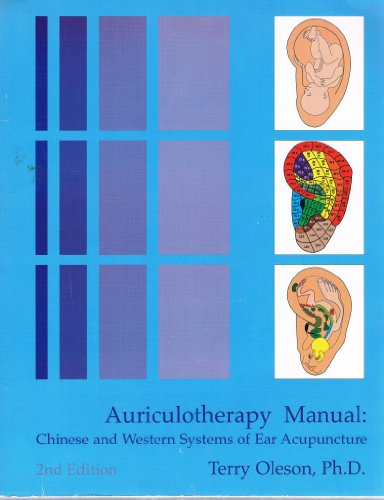
Auriculotherapy Manual: Chinese and Western Systems of Ear Acupuncture
Both new and experienced practitioners of Auriculotherapy have found this comprehensive manual to be <strong>one of the most clinically useful texts on ear acupuncture. This handbook combines the best
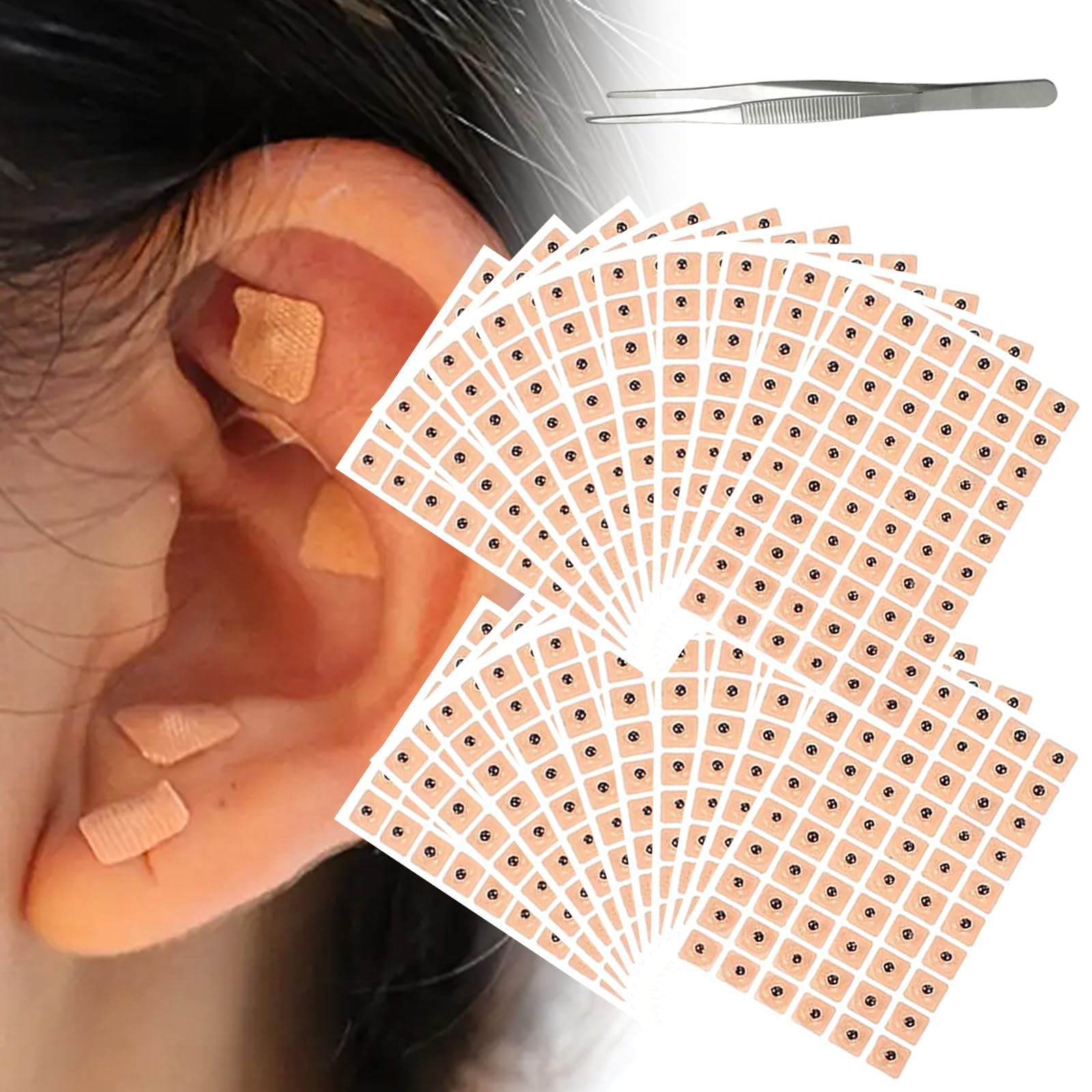
1200Pcs Ear Seeds Acupuncture Kit, Auricular Sticker Kit with Ears Seed, Acupuncture Pen, Acupressure Ear Chart, Tweezers
PACKAGE INCLUDE: <strong>1200 ear acupuncture Seeds, 1 retractable copper probe, 1 stainless steel starlight probe, 1 tweezers and ear acupuncture point chart</strong>

AUVON Dual Channel TENS Unit Muscle Stimulator Machine with 20 Modes, 2" and 2"x4" TENS Unit Electrode Pads
Independent Mode Control: You can set separate modes and intensities for channel A and channel B. For example, you could choose Acupuncture mode in channel A with an intensity level of 5 for your shou
Health Disclaimer
This content is for informational purposes only and does not constitute medical advice. Always consult a qualified healthcare provider before starting, stopping, or changing any supplement or medication regimen.