

Tinnitus
Overview
Tinnitus refers to the perception of sound without an external acoustic source. People commonly describe it as ringing, but it may also sound like buzzing, hissing, clicking, roaring, or pulsations. It is not a disease itself; rather, it is a symptom or clinical phenomenon that can arise from many different underlying factors, including hearing loss, noise exposure, ear disorders, medication effects, vascular issues, temporomandibular dysfunction, and stress-related amplification of auditory perception. Tinnitus may be subjective (heard only by the affected person, which is most common) or objective (rare, sometimes linked to vascular or muscular causes and occasionally detectable by an examiner).
Tinnitus is highly prevalent worldwide. Epidemiologic studies suggest that a substantial proportion of adults experience it at some point, with a smaller but important subset reporting chronic, bothersome, or sleep-disrupting symptoms. Its impact often extends beyond hearing alone. Research indicates associations with insomnia, anxiety, depression, concentration difficulties, irritability, and reduced quality of life. For some individuals, the loudness of tinnitus is less disabling than the degree of distress and hypervigilance it provokes, which helps explain why emotional and neurologic factors are central to modern understanding of the condition.
From a biologic standpoint, tinnitus is increasingly understood as involving both the auditory system and broader brain networks that process attention, salience, memory, and emotion. Hearing loss is one of the most common contributors; when auditory input from the ear is reduced, central auditory pathways may undergo maladaptive neuroplastic changes that are perceived as phantom sound. At the same time, stress and autonomic arousal can heighten awareness of tinnitus, creating a cycle in which the sound becomes more intrusive and distressing.
Because tinnitus is a broad clinical syndrome rather than a single disease entity, evaluation typically focuses on identifying possible causes, clarifying whether it is pulsatile or non-pulsatile, and determining whether it is accompanied by warning signs such as sudden hearing changes, unilateral symptoms, vertigo, neurologic deficits, or significant vascular features. In both conventional and traditional systems, tinnitus is often approached as a multifactorial condition requiring individualized assessment. Anyone experiencing new, persistent, unilateral, pulsatile, or suddenly worsening tinnitus would generally benefit from evaluation by a qualified healthcare professional.
Compare Treatment Options
Tinnitus is the perception of sound without an external source. People often describe it as ringing, buzzing, hissing, clicking, or roaring; in some cases it is pulsatile, meaning it seems to beat in time with the heartbeat. Tinnitus is not a single disease but a symptom with many possible contributors, including hearing loss, noise exposure, earwax blockage, certain medications, jaw dysfunction, stress, sleep disruption, and less commonly vascular or neurologic conditions. Because the causes and triggers vary, treatment approaches also vary widely. In modern Western care, management often focuses on identifying reversible causes, protecting hearing, and reducing the distress associated with the sound through approaches such as hearing aids, sound therapy, and cognitive behavioral therapy. Eastern and integrative approaches may frame tinnitus in terms of systemic imbalance, stress regulation, muscle tension, or energetic patterns, and commonly include acupuncture, auricular acupuncture, and mind-body practices. Research suggests that some options help reduce tinnitus burden or distress more reliably than they eliminate the sound itself, so matching the treatment to the person’s symptoms, goals, and tolerance for risk is especially important.
View treatment comparison (6 options)Medical Perspectives
Two Ways of Seeing Health

Western
scientific · clinical
Western medicine applies science, technology, and clinical experience to treat symptoms through testing, diagnosis, and targeted intervention.

Eastern
traditional · alternative
Eastern medicine focuses on treating the body naturally by applying traditional knowledge practiced for thousands of years, emphasizing balance and whole-person wellness.
Gold Bamboo presents both perspectives side-by-side so you can make informed decisions. We don't advocate for one over the other — your health choices are yours.
Western Medicine Perspective
Western Medicine Perspective
In conventional medicine, tinnitus is viewed primarily as a symptom with diverse etiologies rather than a standalone diagnosis. Common contributors include age-related hearing loss, occupational or recreational noise exposure, earwax impaction, otitis media, otosclerosis, Ménière disease, temporomandibular joint dysfunction, head or neck trauma, and medication-related ototoxicity. Pulsatile tinnitus receives particular attention because it can reflect vascular causes such as venous abnormalities, arteriovenous malformations, carotid disease, glomus tumors, or intracranial pressure disorders. Clinical assessment often includes a detailed history, hearing evaluation, and—when indicated—targeted imaging or specialty referral.
Current research supports the idea that tinnitus often reflects altered activity within central auditory pathways along with involvement of limbic and attentional networks. This helps explain why symptom burden does not always correlate with measured hearing thresholds or perceived loudness. Conventional management therefore often emphasizes diagnostic clarification, identification of reversible contributors, hearing assessment, and symptom-focused supportive care. Clinical guidelines highlight the role of audiologic evaluation, especially for persistent or bothersome tinnitus, and note that education and counseling can reduce distress even when the sound itself remains present.
Among nonpharmacologic approaches, studies indicate the strongest support for cognitive behavioral therapy (CBT) in reducing tinnitus-related distress and improving quality of life. Sound therapy, hearing aids, tinnitus retraining approaches, mindfulness-based strategies, and sleep-focused interventions are also used, though evidence quality varies. No medication has emerged as a universally effective treatment for idiopathic tinnitus itself, although conventional care may address associated insomnia, anxiety, depression, or underlying ear disease when present. Professional societies generally caution against overstating the benefits of supplements or devices where evidence remains limited or inconsistent.
Red-flag features in conventional medicine include unilateral tinnitus, pulsatile tinnitus, sudden sensorineural hearing loss, vestibular symptoms, asymmetric hearing loss, focal neurologic findings, and significant head/neck injury history. These patterns may warrant more urgent investigation. Overall, the western model treats tinnitus as a condition at the intersection of otology, audiology, neurology, and behavioral health, with growing recognition that effective care often depends on both physiologic and psychological dimensions.
Eastern & Traditional Perspective
Eastern / Traditional Medicine Perspective
In Traditional Chinese Medicine (TCM), tinnitus is not understood as a single disorder but as a manifestation of underlying pattern imbalance. Classical frameworks commonly associate tinnitus with systems involving the Kidney, Liver, Gallbladder, and Heart, as well as disturbances of Qi, Blood, Yin, Yang, and phlegm-fire. For example, sudden loud tinnitus may traditionally be linked to Liver Yang rising, Liver fire, or phlegm-heat, while chronic low-volume tinnitus has often been associated with Kidney essence deficiency or age-related depletion. TCM assessment typically considers the sound quality, onset, triggers, accompanying dizziness, irritability, fatigue, sleep changes, tongue findings, and pulse characteristics to differentiate patterns.
Traditional East Asian approaches have historically included acupuncture, herbal medicine, moxibustion, dietary regulation, and stress-modulating practices. Contemporary research on acupuncture for tinnitus is mixed: some trials and reviews suggest possible benefit for symptom severity or quality of life, while overall evidence remains limited by heterogeneity, small sample sizes, and challenges in blinding. As a result, acupuncture is often regarded as an area of ongoing investigation rather than settled evidence in tinnitus care.
In Ayurveda, tinnitus is often discussed under concepts such as Karnanada and is frequently interpreted through the lens of Vata imbalance, especially when symptoms are described as ringing, emptiness, dryness, nervous system sensitivity, or sleep disruption. Broader Ayurvedic assessment may also consider digestive function, stress, aging, constitution, and coexisting symptoms such as dizziness or headache. Traditional approaches may include herbal formulations, oil-based therapies, sensory calming practices, and lifestyle balancing aimed at reducing aggravating patterns, though modern clinical evidence for these methods in tinnitus remains relatively sparse.
In naturopathic and integrative medicine, tinnitus is commonly approached as a multifactorial issue involving hearing health, inflammation, circulation, musculoskeletal contributors, medication review, sleep, and stress physiology. Integrative frameworks often emphasize individualized assessment and supportive therapies, but the research base for many traditional or natural interventions remains emerging rather than definitive. Across eastern and traditional systems, tinnitus is generally viewed less as an isolated ear symptom and more as a signal of broader systemic imbalance, with strong attention to the roles of stress, constitution, aging, and whole-person pattern recognition.
Related Topics
Acupuncture
Acupuncture — modality topic in the Gold Bamboo health ontology.
How They Relate
Tinnitus & Acupuncture
Tinnitus—the perception of sound without an external source—is common and often linked to hearing loss, noise exposure, and stress. It arises from changes along the auditory pathway (from the cochl...
Supplements & Products
Recommended Products
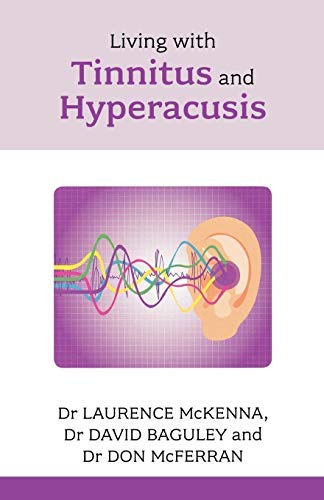
Living with Tinnitus and Hyperacusis: McKenna, Laurence, Baguley, David, McFerran, Don
by Laurence McKenna (Author), David Baguley (Author), Don McFerran (Author) & 0 more · Tinnitus can be a terrible affliction, both for the individual, and also for friends and family. Hyperacusis,

Adaptive Sound Technologies LectroFan Classic White Noise Machine - Compact Sleep Sound Machine for Bedroom, Travel, Study & More - 20 Non-Looping Fan & White Noise Variations
LectroFan Classic: This compact sleep sound machine from Adaptive Sound Technologies offers 20 non-looping (non-repeating) sounds, including fan sounds and white noise, to foster a tranquil sleep envi
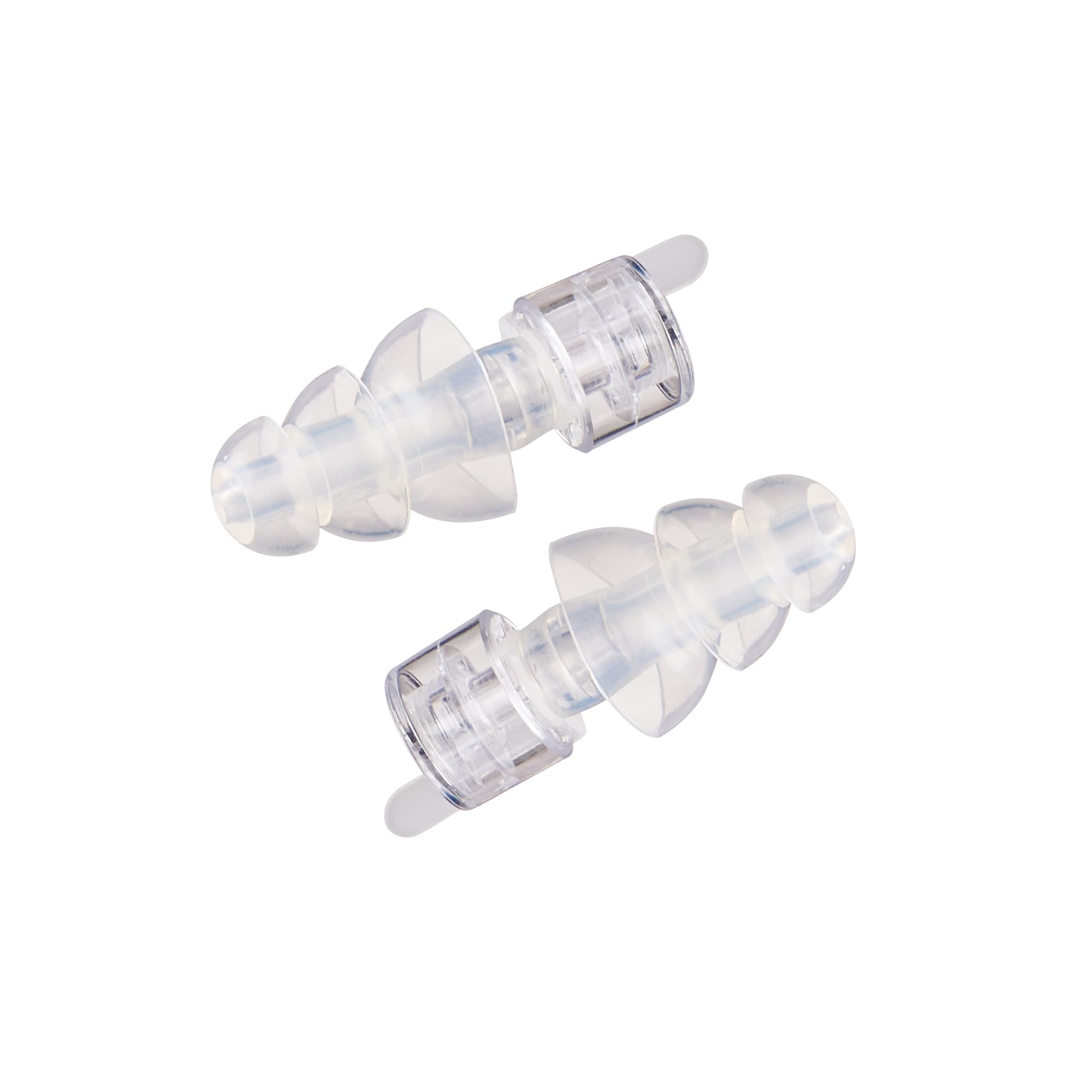
Etymotic ER20XS ETY Earplugs - Standard Size, Clear - High-Fidelity Hearing Protection - Up to 20 dB Sound Reduction - Reusable - Includes Neck Cord & Carrying Case
CLEAR, HIGH-DEFINITION SOUND QUALITY - ER20XS utilizes a proprietary tuned resonator and acoustic resistor to replicate the natural response of the ear canal, preserving the richness and clarity of so
Evidence & Sources
Promising research with growing clinical support from multiple studies
- American Academy of Otolaryngology–Head and Neck Surgery Foundation Clinical Practice Guideline: Tinnitus
- National Institute on Deafness and Other Communication Disorders (NIDCD)
- National Center for Complementary and Integrative Health (NCCIH)
- The Lancet
- JAMA Otolaryngology–Head & Neck Surgery
- Cochrane Database of Systematic Reviews
- Hearing Research
- World Health Organization (WHO)
This content is for informational purposes only and does not constitute medical advice. Always consult a qualified healthcare provider before starting, stopping, or changing any supplement or medication regimen.