

Dry Eye Syndrome and Acupuncture
Dry eye syndrome (also called dry eye disease) is a common ocular surface disorder caused by inadequate tear production (aqueous-deficient dry eye) and/or excessive evaporation from meibomian gland dysfunction. Symptoms include burning, grittiness, fluctuating vision, light sensitivity, and eye fatigue. Clinicians assess severity with symptom scales such as the Ocular Surface Disease Index (OSDI) and objective tests like Schirmer (tear volume), fluorescein tear breakup time (TBUT; tear stability), and corneal/conjunctival staining. Standard care—artificial tears, eyelid hygiene, warm compresses, anti-inflammatory drops (cyclosporine or lifitegrast), and sometimes punctal occlusion—can help, but benefits may be incomplete or short-lived, and some patients are intolerant of preservatives or still symptomatic. This has led to interest in adjunctive options such as acupuncture. From a Traditional Chinese Medicine (TCM) perspective, dry eye often reflects Liver–Kidney Yin deficiency, Blood deficiency, or Wind-Heat affecting the eyes. Treatments commonly combine local points around the orbit (for example Taiyang/EX-HN5, SJ23, GB14, ST2) with distal points to nourish Yin/Blood and move Qi (such as LI4, ST36, SP6, LR3, GB20). Modern physiological hypotheses suggest acupuncture may enhance basal and reflex tear secretion via trigeminal–autonomic pathways, modulate neurogenic inflammation (e.g., substance P, CGRP, VIP), dampen ocular surface cytokine activity, and improve periocular blood flow—mechanisms that plausibly target both evaporation and inflammation. Clinical research includes multiple small-to-moderate randomized controlled trials and several systematic reviews. Common outcomes are OSDI or similar symptom scales, TBUT, Schirmer, and ocular surface staining. Across studies, acupuncture—especially when combined with standard therapy—often shows greater symptom relief and modest improvements in TBUT and Schirmer compared with artificial tears alone. However, sham‑ac
Updated September 8, 2026This content is for informational purposes only and does not constitute medical advice. Always consult a qualified healthcare provider before starting, stopping, or changing any supplement or medication regimen.
Medical Perspectives
Two Ways of Seeing Health

Western
scientific · clinical
Western medicine applies science, technology, and clinical experience to treat symptoms through testing, diagnosis, and targeted intervention.
Surgeons · Pharmaceuticals · Clinical trials · Diagnostics 
Eastern
traditional · alternative
Eastern medicine focuses on treating the body naturally by applying traditional knowledge practiced for thousands of years, emphasizing balance and whole-person wellness.
Acupuncture · Herbal medicine · Yoga · Meditation
Gold Bamboo presents both perspectives side-by-side so you can make informed decisions. We don't advocate for one over the other — your health choices are yours.
Two Ways of Seeing Health
Western
scientific · clinical
Western medicine applies science, technology, and clinical experience to treat symptoms through testing, diagnosis, and targeted intervention.
Eastern
traditional · alternative
Eastern medicine focuses on treating the body naturally by applying traditional knowledge practiced for thousands of years, emphasizing balance and whole-person wellness.
Gold Bamboo presents both perspectives side-by-side so you can make informed decisions. We don't advocate for one over the other — your health choices are yours.
Western Perspective
Western medicine views dry eye as a multifactorial disease of the tear film and ocular surface, with tear film instability, hyperosmolarity, inflammation, and neurosensory abnormalities. Acupuncture is considered a non-pharmacologic adjunct that may influence autonomic and inflammatory pathways relevant to tear production and ocular surface comfort. Evidence suggests benefit for symptoms and some tear metrics, particularly as add-on therapy, though blinding and heterogeneity limit certainty.
Key Insights
- Dry eye diagnosis and monitoring rely on patient-reported outcomes (e.g., OSDI) and objective measures (Schirmer, TBUT, corneal staining).
- Inflammation and neurosensory dysfunction are central to pathophysiology; treatments that modulate these may reduce symptoms.
- Randomized trials suggest acupuncture can improve symptoms and tear metrics vs. usual care, with more mixed results vs. sham controls.
- Add-on acupuncture to artificial tears or anti-inflammatory drops often yields larger effects than monotherapy.
- Safety of acupuncture is generally favorable when performed by licensed practitioners using sterile technique; periocular needling requires extra caution.
Treatments
- Artificial tears/lubricant gels (preservative-free preferred when frequent use)
- Eyelid hygiene and warm compresses for meibomian gland dysfunction
- Topical anti-inflammatory therapy (e.g., cyclosporine, lifitegrast)
- Punctal occlusion in selected cases
- Adjunctive acupuncture in refractory or symptomatic patients
Deep Dive
From a western clinical lens, dry eye syndrome is a multifactorial disease marked by tear film instability, hyperosmolarity, low-grade inflammat... From a western clinical lens, dry eye syndrome is a multifactorial disease marked by tear film instability, hyperosmolarity, low-grade inflammation, and, in many patients, neurosensory abnormalities that amplify dryness and pain. Clinicians quantify symptom burden with instruments like the OSDI and measure tear function with Schirmer testing, fluorescein tear breakup time (TBUT), and ocular surface staining. First-line management emphasizes risk-factor modification (screen breaks, humidification, medication review) and topical lubrication. For inflammatory phenotypes, cyclosporine or lifitegrast can reduce surface cytokine activity, while lid hygiene and warm compresses address meibomian gland dysfunction. Yet many patients remain symptomatic, prompting exploration of adjunctive modalities such as acupuncture. In controlled trials, acupuncture has been compared with artificial tears, sham procedures, and combined regimens. Outcomes commonly include OSDI, TBUT, Schirmer, and staining scores. Meta-analyses generally report that acupuncture, particularly as an add-on to standard care, can yield clinically meaningful improvements in symptoms and modest gains in TBUT and Schirmer. However, results versus sham acupuncture are mixed, reflecting challenges in blinding and the possibility that nonspecific effects (attention, expectation, sensory stimulation) contribute to benefit. Heterogeneity in point selection, treatment frequency, and patient phenotypes limits pooling and downgrades certainty to low-to-moderate. Physiologically, plausible mechanisms include modulation of trigeminal–autonomic reflexes that enhance lacrimal secretion, reduction of neurogenic inflammation, and improved periocular circulation—pathways congruent with contemporary understanding of ocular surface disease. Safety profiles from large surveys suggest acupuncture is generally safe when provided by licensed practitioners using sterile technique; around the eyes, precise training and conservative depth are essential. In practice, acupuncture may be considered as an adjunct for patients with persistent symptoms despite conventional therapy, with expectations set for gradual improvement over weeks and the understanding that response is variable and long-term durability remains under study.
Sources
- TFOS DEWS II Definition/Diagnostic Methodology. Ocul Surf. 2017.
- American Academy of Ophthalmology. Preferred Practice Pattern: Dry Eye Syndrome. 2023.
- Kim TH, Kang JW, et al. Sham-controlled RCT of acupuncture for dry eye. Evid Based Complement Alternat Med. 2012.
- Zhao L, et al. Acupuncture for dry eye disease: systematic review and meta-analysis. Medicine (Baltimore). 2019.
- Liu L, et al. Acupuncture for dry eye: systematic review and meta-analysis. Frontiers in Medicine. 2022.
Eastern Perspective
Traditional Chinese Medicine attributes eye dryness and irritation to disharmonies such as Liver–Kidney Yin deficiency, Blood deficiency failing to nourish the eyes, or Wind-Heat disturbing the ocular surface. Treatment aims to restore the flow of Qi and Blood to the eyes, nourish Yin, and clear Heat. Acupuncture uses a combination of local and distal points, sometimes with moxibustion or gentle electrostimulation, and may be combined with herbal formulas tailored to pattern diagnosis.
Key Insights
- The Liver ‘opens to the eyes’; nourishing Liver–Kidney Yin and Blood is believed to moisten the ocular surface.
- Local eye-area points move Qi/Blood around the orbit; distal points regulate systemic Yin–Yang and calm Wind-Heat.
- Pattern differentiation (e.g., Yin deficiency vs. Wind-Heat) guides point selection and adjunctive diet/lifestyle advice.
- Clinical reports in East Asia support acupuncture as a primary or adjunctive therapy for dry eye; modern studies provide converging but still limited evidence.
- Integration with gentle eye exercises, rest from screens, and stress reduction aligns with TCM lifestyle principles.
Treatments
- Acupuncture point groupings: Taiyang (EX-HN5), SJ23, GB14, ST2; distal LI4, ST36, SP6, LR3, GB20
- Electroacupuncture at low frequency for selected points
- Moxibustion for cold-deficiency patterns (away from the eyes)
- Herbal support individualized to pattern (e.g., formulas to nourish Yin/Blood)
- Acupressure/eye massage and rest strategies
Deep Dive
In Traditional Chinese Medicine, the eyes are closely linked to the Liver and Kidney systems, which govern the nourishment of Yin and Blood. Dry... In Traditional Chinese Medicine, the eyes are closely linked to the Liver and Kidney systems, which govern the nourishment of Yin and Blood. Dryness, burning, and visual fatigue may signal Liver–Kidney Yin deficiency; redness and irritation can indicate Wind-Heat disturbing the eyes; and dull ache or blurring may reflect Blood deficiency failing to moisten and "brighten" vision. Treatment seeks to restore harmony by moving Qi and Blood to the ocular region, enriching Yin, and clearing excessive Heat. Acupuncture plans often blend local and distal points. Around the eyes, Taiyang (EX-HN5), SJ23, GB14, and ST2 are chosen to invigorate local circulation and relieve discomfort. Distal points such as LI4 and LR3 harmonize Liver Qi, ST36 and SP6 nourish Qi, Blood, and Yin, and GB20 calms internal Wind. Some practitioners incorporate gentle electroacupuncture to reinforce effects or moxibustion for cold-deficiency patterns (never applied near the eye). When appropriate, customized herbal formulas and lifestyle guidance—adequate rest, mindful screen use, hydration, and stress reduction—support the treatment principle. Modern research offers converging support for these traditional concepts. By stimulating specific points, acupuncture appears to influence autonomic outflow and neuroimmune signaling, which could translate into enhanced tear secretion and reduced ocular surface inflammation. Clinical studies, while varied in quality, often show symptom relief and functional tear improvements, especially when acupuncture complements standard ophthalmic care. TCM practitioners emphasize careful pattern differentiation to select points and adjuncts tailored to the individual, regular re-evaluation based on response, and collaboration with ophthalmologists for comprehensive care. This integrative stance respects both the ancient framework of TCM and the contemporary metrics of eye health, aiming for steady, realistic improvements rather than instant resolution.
Sources
- WHO. Benchmarks for Training in Acupuncture. 2010.
- NCCIH. Acupuncture: In Depth. Updated 2022.
- Classical TCM ophthalmology texts referencing Liver–Kidney Yin and eye function.
Evidence Ratings
Acupuncture plus standard dry eye therapy improves symptoms more than standard therapy alone.
Liu L, et al. Frontiers in Medicine. 2022. Systematic review/meta-analysis.
Benefits over sham acupuncture are inconsistent, indicating possible nonspecific and contextual effects.
Kim TH, Kang JW, et al. Evid Based Complement Alternat Med. 2012. Sham-controlled RCT; mixed findings across trials.
Acupuncture is generally safe when performed by trained practitioners; serious adverse events are rare.
MacPherson H, et al. Acupunct Med. 2011. Large prospective safety surveys.
Dry eye involves tear film instability, hyperosmolarity, and inflammation.
TFOS DEWS II. Ocul Surf. 2017. Global consensus reports.
Acupuncture may modulate autonomic activity and neurogenic inflammation relevant to tear secretion.
NCCIH. Acupuncture: In Depth. 2022; physiological studies cited therein.
Periocular needling requires caution due to rare but serious risks (e.g., ocular injury) if improperly performed.
WHO. Benchmarks for Training in Acupuncture. 2010; case reports summarized in safety reviews.
Sources
- TFOS DEWS II. Definition and Diagnostic Methodology Reports. Ocular Surface. 2017.
- American Academy of Ophthalmology. Preferred Practice Pattern: Dry Eye Syndrome. 2023.
- NCCIH. Acupuncture: In Depth. Updated 2022.
- MacPherson H, et al. The safety of acupuncture: prospective surveys and reviews. Acupunct Med. 2011.
- Kim TH, Kang JW, et al. Acupuncture for dry eye: randomized, sham-controlled trial. Evid Based Complement Alternat Med. 2012.
- Zhao L, et al. Acupuncture for dry eye disease: systematic review and meta-analysis. Medicine (Baltimore). 2019.
- Liu L, et al. Acupuncture for dry eye: systematic review and meta-analysis. Frontiers in Medicine. 2022.
Related Topics
Recommended Products
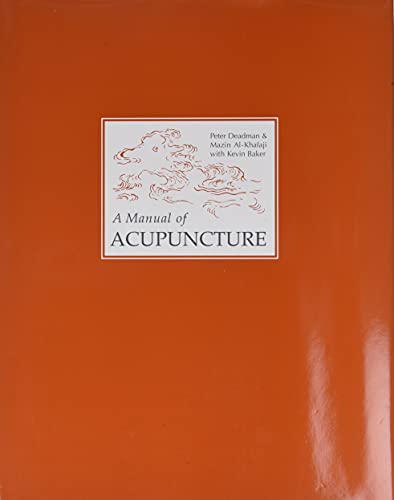
A Manual of Acupuncture
A Manual of Acupuncture, published by Journal of Chinese Medicine Publications, is just such a book. Painstakingly researched over many years by Peter Deadman, editor-in-chief of The Journal of Chines

Bruder Moist Heat Eye Compress | Microwave Activated | Fast Acting and Effective Relief for Dry Eye and Other Eye Irritation
The Bruder Moist Heat Eye Compress <strong>refreshes, rejuvenates and relieves dryness simply, naturally and conveniently</strong>. Just place the compress in a clean microwave for 20-30 seconds, then
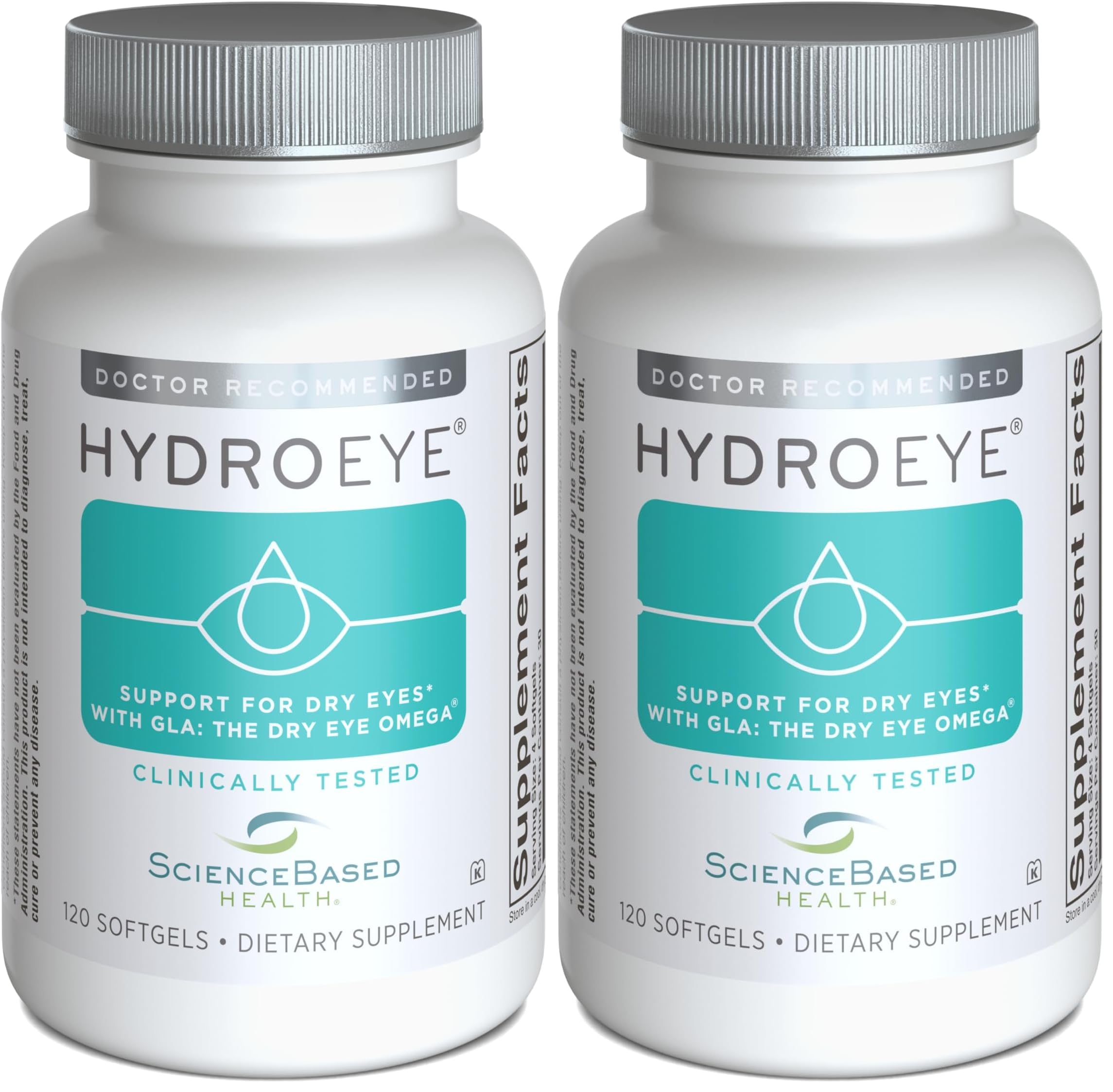
ScienceBased Health HydroEye Dry Eye Supplement – Clinically Tested Formula with GLA & Omega-3 – Supports a Healthy Tear Film for Lasting Eye Comfort – 120 Softgels : Everything Else
Buy ScienceBased Health HydroEye Dry Eye Supplement – Clinically Tested Formula with GLA & Omega-3 – Supports a Healthy Tear Film for Lasting Eye Comfort – 120 Softgels on Amazon.com ✓ FREE SHIPPI
Health Disclaimer
This content is for informational purposes only and does not constitute medical advice. Always consult a qualified healthcare provider before starting, stopping, or changing any supplement or medication regimen.