

Gout
Overview
Gout is a common inflammatory arthritis caused by the deposition of monosodium urate crystals in joints and surrounding tissues. It develops when blood uric acid levels become elevated enough for crystals to form, most often affecting the big toe, but it may also involve the ankles, knees, midfoot, wrists, fingers, and elbows. A gout flare is typically marked by sudden, intense pain, redness, warmth, swelling, and marked tenderness, often beginning overnight. Over time, recurrent inflammation may lead to chronic gout, visible urate deposits called tophi, joint damage, and kidney-related complications in some individuals.
Gout has become increasingly recognized as both a joint disease and a metabolic condition. Research links it with hyperuricemia, kidney dysfunction, obesity, insulin resistance, hypertension, cardiovascular disease, and dietary patterns that influence uric acid production or excretion. Not everyone with elevated uric acid develops gout, but sustained hyperuricemia is the major biological driver. Genetic factors, sex, age, alcohol intake, certain medications, and comorbidities all influence risk. The condition is more common in men, though incidence rises in women after menopause.
From a public health perspective, gout is one of the most prevalent forms of inflammatory arthritis worldwide. Its burden extends beyond acute pain: recurrent attacks may impair mobility, disrupt sleep, reduce quality of life, and overlap with other chronic illnesses. In addition, some people experience delays in diagnosis because gout can mimic infection, injury, or other arthritic disorders. In advanced cases, untreated urate deposition may affect joints for years before obvious tophi or erosive changes become apparent.
Modern understanding emphasizes that gout is usually a manageable but chronic disorder of urate imbalance and inflammation. Conventional medicine focuses on confirming the diagnosis, treating acute inflammation, lowering uric acid when appropriate, and monitoring long-term complications. Traditional systems of medicine often frame gout through patterns of stagnation, heat, toxicity, impaired digestion, or metabolic excess, and may use broader constitutional approaches. Across both perspectives, evaluation by a qualified healthcare professional is important, particularly because severe joint pain and swelling can have multiple causes, including infection, which requires prompt medical assessment.
Compare Treatment Options
Gout is a form of inflammatory arthritis caused by deposition of monosodium urate crystals in and around joints. It usually develops when uric acid levels in the blood remain high enough for crystals to form, although not everyone with elevated uric acid develops symptoms. Flares often begin suddenly, with intense pain, swelling, warmth, and redness, classically in the big toe, but the ankle, knee, midfoot, wrist, and elbow can also be involved. Over time, some people develop more frequent attacks, tophi, joint damage, or uric-acid kidney stones. Treatment options vary because gout has two related but distinct clinical problems: the acute inflammatory flare and the long-term urate burden that drives recurrence. Western care often separates these into fast symptom control during attacks and urate-lowering therapy for prevention. Eastern and integrative approaches may focus more on dietary patterns, inflammation regulation, fluid balance, pain relief, and constitution-based care. The best-fit option often depends on attack severity, frequency, kidney function, medication tolerance, coexisting conditions, and how quickly symptom relief is needed.
View treatment comparison (7 options)Medical Perspectives
Two Ways of Seeing Health

Western
scientific · clinical
Western medicine applies science, technology, and clinical experience to treat symptoms through testing, diagnosis, and targeted intervention.

Eastern
traditional · alternative
Eastern medicine focuses on treating the body naturally by applying traditional knowledge practiced for thousands of years, emphasizing balance and whole-person wellness.
Gold Bamboo presents both perspectives side-by-side so you can make informed decisions. We don't advocate for one over the other — your health choices are yours.
Western Medicine Perspective
Western Medicine Perspective
In conventional medicine, gout is understood as a disease of urate crystal deposition driven by hyperuricemia. Uric acid is the end product of purine metabolism, and elevated levels may result from increased production, decreased kidney excretion, or both. Diagnosis is often based on a combination of clinical pattern, blood testing, imaging, and, when needed, joint fluid analysis to identify urate crystals. Clinicians also consider related conditions such as chronic kidney disease, metabolic syndrome, cardiovascular risk factors, and medication use, including diuretics, which may contribute to elevated uric acid levels.
Acute gout flares are typically approached as episodes of intense inflammatory arthritis. Conventional care generally aims to reduce inflammation and pain while distinguishing gout from septic arthritis and other urgent conditions. Long-term management often centers on urate-lowering strategies in people with recurrent flares, tophi, erosive disease, kidney stones, or persistent hyperuricemia in specific clinical contexts. Monitoring serum urate, kidney function, flare frequency, and structural joint changes is an important part of ongoing care. Research supports a treat-to-target framework in many patients, with the goal of lowering urate sufficiently to reduce crystal burden over time.
Western research also examines lifestyle and dietary associations, though these are now viewed as only part of the picture rather than the sole cause. Alcohol, high-purine foods, fructose-rich beverages, obesity, and some medications are linked with higher risk, while weight management, hydration, and dietary pattern changes may influence uric acid levels in some individuals. Even so, many experts note that gout is strongly shaped by genetics, renal urate handling, and comorbidity burden, making it more complex than a simple dietary disorder.
A key point in evidence-based care is that gout is both highly treatable and frequently undertreated. Studies indicate that adherence challenges, inconsistent urate monitoring, and misconceptions about the disease can contribute to recurrent attacks and long-term complications. Because painful swollen joints can reflect several different diagnoses, including infection or other crystal arthropathies, formal assessment by a healthcare provider remains important.
Eastern & Traditional Perspective
Eastern and Traditional Medicine Perspective
In Traditional Chinese Medicine (TCM), gout-like presentations are often interpreted within the broader category of painful obstruction syndromes (Bi syndrome), especially patterns involving damp-heat, phlegm, blood stasis, or the accumulation of pathogenic factors in the channels and joints. Sudden red, hot, swollen joints may be viewed as a manifestation of heat and dampness obstructing circulation, while recurrent or chronic cases may be associated with underlying deficiencies involving the Spleen, Kidney, or Liver systems. Traditional approaches may include herbal formulas, acupuncture, moxibustion, and dietary pattern modification aimed at restoring balance and improving the movement of qi and blood.
In Ayurveda, gout is often compared with Vatarakta, a disorder classically associated with aggravated Vata interacting with vitiated Rakta (blood), sometimes in the setting of metabolic excess, impaired digestion, or accumulation of toxins described as ama. Symptoms such as severe joint pain, burning, swelling, and redness are interpreted through doshic imbalance and disturbed tissue metabolism. Ayurvedic management has traditionally included individualized herbal preparations, external therapies, cleansing approaches in selected contexts, and food/lifestyle measures designed to reduce inflammatory burden and improve metabolic balance.
In naturopathic and integrative traditions, gout is frequently viewed through a combination of inflammatory, dietary, renal, and metabolic lenses. These systems may emphasize constitution, digestion, detoxification, and whole-body balance, while also acknowledging modern findings on uric acid metabolism. Botanicals, anti-inflammatory dietary frameworks, hydration practices, and mind-body approaches are commonly discussed in integrative settings, though the quality of evidence varies considerably by modality.
The evidence base for traditional approaches to gout is mixed and still developing. Some studies suggest possible benefits of certain herbal medicines or acupuncture for symptom relief or uric acid modulation, but methodological quality is uneven, formulas are not standardized, and safety considerations—such as herb-drug interactions, contamination, and kidney effects—remain important. For that reason, traditional therapies are best understood as complementary frameworks that may inform supportive care discussions rather than replacements for diagnostic evaluation, especially during severe flares or when infection has not been excluded.
Related Topics
Acupuncture
Acupuncture — modality topic in the Gold Bamboo health ontology.
How They Relate
Gout & Acupuncture
Gout is a form of inflammatory arthritis caused by deposition of monosodium urate crystals in joints due to sustained elevations in serum uric acid. Flares present with sudden, severe joint pain, r...
Gout & Kidney Disease
Gout and chronic kidney disease (CKD) are tightly linked in a bidirectional relationship. Reduced kidney function impairs renal urate excretion, raising serum urate and predisposing to hyperuricemi...
Supplements & Products
Recommended Products

Gout and You: The Ultimate Gout Diet & Cookbook: Koulouris, Spiro
by Spiro Koulouris (Author) See ... book Gout and You: The Ultimate Gout Diet and Cookbook will <strong>point you to the right direction when it comes to gout dieting</strong>....

Life Extension Tart Cherry with CherryPURE®, anthocyanins, oxidative Stress, Muscle Recovery, Exercise Support, Muscle Comfort, Vegetarian, Gluten-Free, Non-GMO, 60 Capsules
Buy Life Extension Tart Cherry with CherryPURE®, anthocyanins, oxidative Stress, Muscle Recovery, Exercise Support, Muscle Comfort, Vegetarian, Gluten-Free, Non-GMO, 60 Capsules on Amazon.com ✓ FREE S
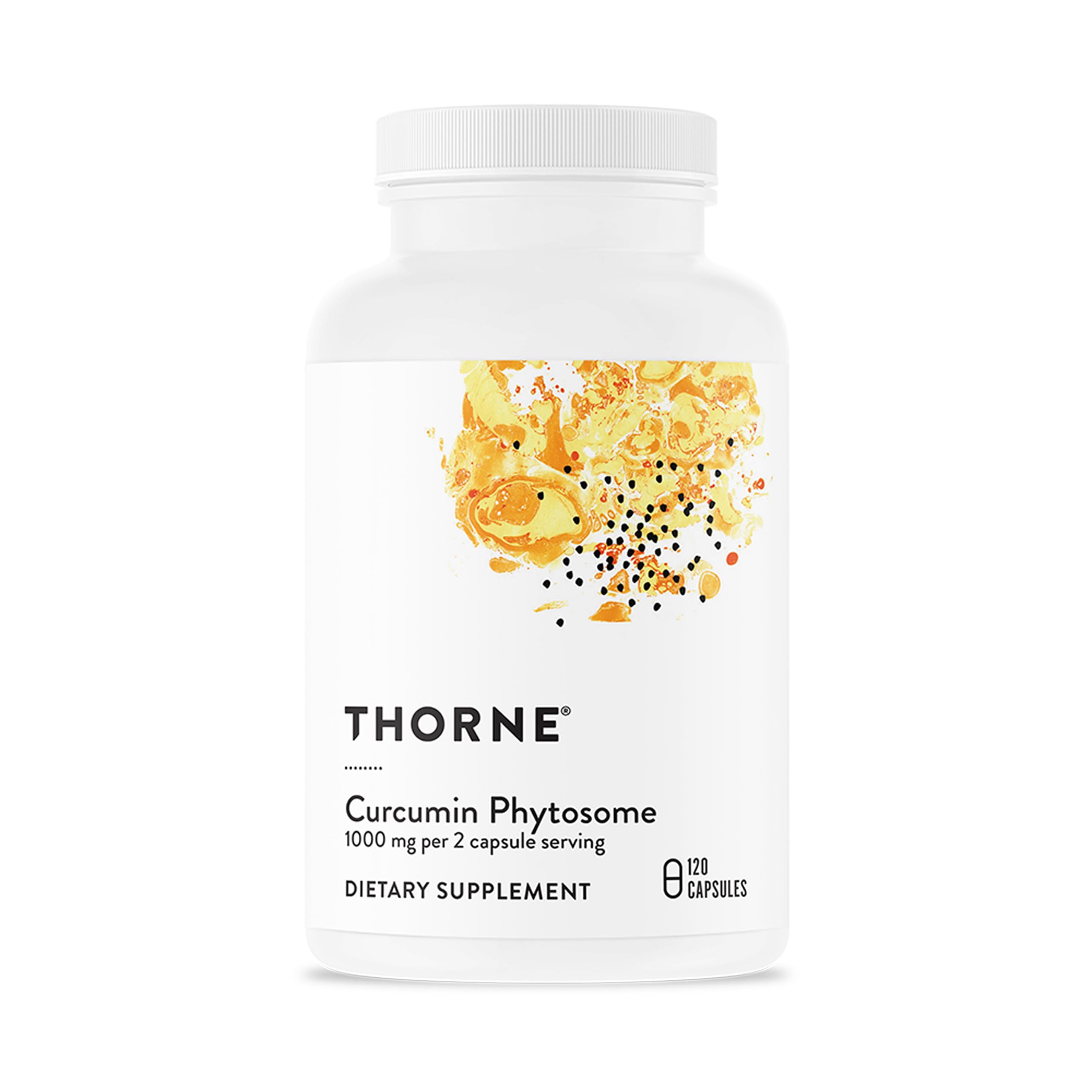
THORNE - Curcumin Phytosome 1000 mg (Meriva) - Clinically Studied, High Absorption - Supports Healthy Inflammatory Response in Joints, Muscles, GI Tract, Liver, Brain & Nerves* - 30 Servings
THORNE - Curcumin Phytosome 500 mg (Meriva) - Sustained Release, Clinically Studied - <strong>Supports Healthy Inflammatory Response in Joints, Muscles, GI Tract, Liver, Brain & Nerves</strong>* -
Evidence & Sources
Supported by multiple clinical trials and systematic reviews
- American College of Rheumatology Guideline for the Management of Gout
- Annals of the Rheumatic Diseases
- New England Journal of Medicine
- Nature Reviews Rheumatology
- National Institute of Arthritis and Musculoskeletal and Skin Diseases (NIAMS)
- National Center for Complementary and Integrative Health (NCCIH)
- European League Against Rheumatism (EULAR) Recommendations
- The Lancet
This content is for informational purposes only and does not constitute medical advice. Always consult a qualified healthcare provider before starting, stopping, or changing any supplement or medication regimen.