

Gout and Kidney Disease
Gout and chronic kidney disease (CKD) are tightly linked in a bidirectional relationship. Reduced kidney function impairs renal urate excretion, raising serum urate and predisposing to hyperuricemia and gout flares. Conversely, gout and hyperuricemia are associated with faster CKD progression in observational studies, via crystal deposition (intra-renal monosodium urate and uric acid stones), systemic and renal inflammation (NLRP3 inflammasome activation, endothelial dysfunction), oxidative stress, and renin–angiotensin–aldosterone system activation. Certain shared risk factors—metabolic syndrome, hypertension, diuretic use, high purine/alcohol/fructose intake, obesity, older age, and male sex—further couple the conditions. Clinically, gout is far more common in CKD than in the general population, and patients with gout experience more CKD, nephrolithiasis, and acute kidney injury episodes. Management must be integrated. NSAIDs, a mainstay for gout flares, are nephrotoxic and generally avoided or minimized in CKD; low-dose colchicine, systemic or intra-articular glucocorticoids, and IL‑1 inhibitors become preferred options with dose or interval adjustments. For long-term urate lowering, allopurinol is first-line even in CKD when started low and carefully titrated; febuxostat is an alternative with cardiovascular caution. However, large randomized trials have not shown that urate-lowering therapy slows CKD progression in patients without gout indications, so current kidney guidelines advise against using it solely to preserve eGFR. In contrast, SGLT2 inhibitors—now core therapy for diabetic and many non-diabetic CKD—lower serum urate and are associated with fewer gout events. Lifestyle is a powerful area of overlap. A DASH-style, plant-forward, lower-sodium pattern modestly reduces urate and supports blood pressure and kidney health. Weight loss, limiting beer/spirits and fructose-sweetened drinks, emphasizing low-fat dairy, hydration, and managing sleep apnea can减
Updated September 8, 2026This content is for informational purposes only and does not constitute medical advice. Always consult a qualified healthcare provider before starting, stopping, or changing any supplement or medication regimen.
Shared Risk Factors
Reduced renal urate excretion (hyperuricemia)
Moderate EvidenceDeclining GFR and tubular dysfunction lower urate clearance, raising serum urate; hyperuricemia is associated with CKD development/progression, though causality remains debated.
Metabolic syndrome/insulin resistance
Strong EvidenceCentral adiposity, hypertension, dyslipidemia, and insulin resistance increase urate production and reduce renal urate excretion; they independently drive CKD.
Hypertension
Strong EvidenceElevated blood pressure both causes and results from renal disease; thiazide/loop diuretics used to treat it can raise urate.
Obesity
Strong EvidenceAdiposity increases urate production, inflammation, and CKD risk via hemodynamic and metabolic pathways.
Alcohol (beer, spirits)
Moderate EvidencePurines in beer and ethanol metabolism increase urate; heavy use worsens hypertension and CKD risk.
Fructose-sweetened beverages
Moderate EvidenceFructose metabolism increases urate production and may promote renal hemodynamic stress.
Diuretic therapy (thiazides/loops)
Strong EvidenceCompetes with urate for tubular transport, raising serum urate; volume depletion can precipitate kidney injury.
Male sex and older age
Strong EvidenceHigher baseline urate and CKD prevalence increase with age; postmenopausal risk rises as estrogen’s uricosuric effect wanes.
Genetic variants (e.g., SLC2A9, ABCG2)
Emerging ResearchVariants affect urate transport and are associated with gout and eGFR differences across populations.
Lead and other nephrotoxins
Moderate EvidenceChronic lead exposure causes nephropathy and hyperuricemia (saturnine gout).
Sleep apnea/intermittent hypoxia
Emerging ResearchPromotes oxidative stress, hypertension, and urate generation.
Comorbidity Data
Prevalence
Gout prevalence is several-fold higher in CKD, commonly reported around 10–15% in stage 3–5 CKD vs ~3–4% in the general population. Conversely, patients with gout have higher incidence of CKD and faster eGFR decline than non-gout comparators (hazard ratios ~1.3–1.6 in population cohorts). Uric acid nephrolithiasis is more frequent in gout and can contribute to CKD via obstruction or recurrent AKI.
Mechanistic Link
CKD reduces renal urate excretion, causing hyperuricemia and crystal formation. Monosodium urate crystals and uric acid stones can deposit in the kidney and urinary tract, triggering NLRP3 inflammasome activation, interstitial inflammation, endothelial dysfunction, oxidative stress, and RAAS activation—mechanisms that may accelerate CKD. Medications (e.g., diuretics, calcineurin inhibitors) and shared cardiometabolic risk further interconnect the diseases.
Clinical Implications
Screen for CKD in gout (eGFR, albuminuria) and for gout/hyperuricemia in CKD. Avoid or minimize NSAIDs in CKD; prefer low-dose colchicine, glucocorticoids, or IL‑1 blockade for flares. Use allopurinol first-line for urate lowering even in CKD with low starting dose and titration; febuxostat if intolerant, with cardiovascular caution. Do not start urate-lowering solely to slow CKD absent gout or stones. Prioritize SGLT2 inhibitors when indicated for CKD/diabetes; choose losartan for hypertension if appropriate due to uricosuric effect. Prevent uric acid stones with hydration and urine alkalinization.
Sources (4)
- KDIGO 2024 CKD Guideline
- Stamp & Dalbeth. Nat Rev Nephrol 2017
- ARIC/NHANES cohort analyses on gout–CKD comorbidity
- AUA/EAU Guidelines on Urolithiasis 2014–2023
Overlapping Treatments
SGLT2 inhibitors (e.g., dapagliflozin, empagliflozin)
Strong EvidenceLower serum urate and associated with fewer gout events in large cohorts; may reduce flare risk.
Slow CKD progression and reduce albuminuria and kidney failure risk.
Genital mycotic infections; volume depletion risk; follow eGFR initiation thresholds per label.
Weight loss and physical activity
Moderate EvidenceReduces serum urate and flare frequency; improves response to urate-lowering therapy.
Improves BP, glycemia, and CKD risk/progression.
Avoid rapid purine-restricted crash diets that can transiently raise urate.
DASH-style, plant-forward diet; limit beer/spirits and fructose-sweetened beverages
Moderate EvidenceModestly lowers serum urate; fewer flares; low-fat dairy is urate-lowering.
Lowers BP and supports kidney health; reduces sodium load.
Purine-rich plant foods (e.g., legumes) are generally acceptable; focus on overall pattern.
Losartan for hypertension
Moderate EvidenceUnique uricosuric ARB; lowers serum urate modestly.
ARB benefits for CKD with albuminuria (BP and proteinuria reduction).
Monitor potassium/creatinine; contraindicated in pregnancy; not all ARBs are uricosuric.
Hydration and urine alkalinization (potassium citrate) for uric acid stone formers
Moderate EvidencePrevents uric acid nephrolithiasis and recurrent flares triggered by stones.
Prevents obstructive nephropathy and preserves kidney function.
Monitor potassium in CKD; target urine pH ~6.0–6.5; individualize in heart failure.
Allopurinol (xanthine oxidase inhibitor) when indicated for gout or uric acid stones
Strong EvidenceFirst-line urate-lowering to reach target serum urate and prevent flares/tophi; reduces uric acid stone recurrence.
No proven benefit for slowing CKD progression; safe in CKD with careful dosing; may help prevent uric acid stones that threaten kidneys.
Start low (≤100 mg/day; lower in advanced CKD) and titrate; screen HLA‑B*58:01 in high-risk ancestries; watch for AHS.
Medical Perspectives
Two Ways of Seeing Health

Western
scientific · clinical
Western medicine applies science, technology, and clinical experience to treat symptoms through testing, diagnosis, and targeted intervention.
Surgeons · Pharmaceuticals · Clinical trials · Diagnostics 
Eastern
traditional · alternative
Eastern medicine focuses on treating the body naturally by applying traditional knowledge practiced for thousands of years, emphasizing balance and whole-person wellness.
Acupuncture · Herbal medicine · Yoga · Meditation
Gold Bamboo presents both perspectives side-by-side so you can make informed decisions. We don't advocate for one over the other — your health choices are yours.
Two Ways of Seeing Health
Western
scientific · clinical
Western medicine applies science, technology, and clinical experience to treat symptoms through testing, diagnosis, and targeted intervention.
Eastern
traditional · alternative
Eastern medicine focuses on treating the body naturally by applying traditional knowledge practiced for thousands of years, emphasizing balance and whole-person wellness.
Gold Bamboo presents both perspectives side-by-side so you can make informed decisions. We don't advocate for one over the other — your health choices are yours.
Western Perspective
Western medicine views gout–CKD as a bidirectional, risk-amplifying pair driven by impaired renal urate excretion, cardiometabolic comorbidity, and inflammatory/vascular injury pathways. Management emphasizes kidney-safe gout flare control, treat-to-target urate lowering for gout indications, and guideline-directed CKD therapy (notably SGLT2 inhibitors, RAAS blockade).
Key Insights
- CKD markedly increases hyperuricemia and gout risk; gout is linked to incident CKD and faster decline in eGFR in cohorts.
- Urate-lowering therapy has not slowed CKD progression in randomized trials of asymptomatic hyperuricemia; therefore, use ULT for gout (or uric acid stones), not solely to preserve eGFR.
- NSAIDs pose nephrotoxicity; prefer colchicine (low-dose), glucocorticoids, or IL‑1 inhibitors for flares in CKD.
- SGLT2 inhibitors are kidney-protective and lower urate; losartan offers uricosuric BP control where appropriate.
- Allopurinol is first-line ULT even in CKD with cautious up-titration; febuxostat is effective but has cardiovascular safety considerations.
Treatments
- Low-dose colchicine or glucocorticoids for flares; avoid or limit NSAIDs in CKD
- Treat-to-target urate lowering with allopurinol; febuxostat if intolerant
- SGLT2 inhibitors for CKD with or without diabetes per indications
- RAAS blockade (ACEi/ARB), consider losartan for uricosuric effect
- Lifestyle: DASH-style diet, weight loss, hydration, limit alcohol/fructose
- Stone prevention with urine alkalinization for uric acid nephrolithiasis
Deep Dive
From a western standpoint, gout and CKD form a reinforcing loop. As GFR falls, renal urate clearance declines and hyperuricemia ensues, predispo... From a western standpoint, gout and CKD form a reinforcing loop. As GFR falls, renal urate clearance declines and hyperuricemia ensues, predisposing to crystal formation and gout flares. Epidemiologic data consistently show greater gout prevalence in CKD and higher CKD incidence among patients with gout; however, randomized trials indicate that pharmacologically lowering urate in patients without gout indications does not slow CKD progression. Thus, guidelines counsel using urate-lowering therapy primarily to meet gout-specific goals (target serum urate to prevent flares/tophi, prevent uric acid stones), not as a kidney-protection strategy. Management of flares shifts in CKD: NSAIDs are minimized or avoided due to nephrotoxicity; instead, low-dose colchicine (with renal dosing), systemic or intra-articular glucocorticoids, or IL‑1 inhibitors are used. For chronic control, allopurinol remains first-line even in CKD if initiated at low dose and titrated to urate targets; febuxostat is effective but carries cardiovascular safety caveats. Kidney-directed therapy complements gout care: SGLT2 inhibitors slow CKD progression and lower urate, and losartan provides uricosuric blood pressure control when appropriate. Lifestyle measures—DASH-style eating with reduced sodium, weight reduction, limiting beer/spirits and fructose-sweetened beverages, increasing low-fat dairy, and maintaining hydration—benefit both conditions. In uric acid stone formers, urine alkalinization and hydration reduce stone recurrence and protect kidney function. Routine screening for albuminuria/eGFR in gout and for hyperuricemia/gout in CKD enables proactive, integrated care.
Sources
- KDIGO 2024 CKD Guideline
- FitzGerald et al. 2020 ACR Gout Guideline
- Badve et al. NEJM 2020 (CKD-FIX)
- Doria et al. NEJM 2020 (PERL)
- Fralick et al. BMJ 2020 (SGLT2i and gout)
- Juraschek et al. JAMA Intern Med 2016 (DASH lowers urate)
- FAST trial. Lancet 2020; CARES. NEJM 2018
Eastern Perspective
Traditional Chinese Medicine (TCM) frames gout as a damp-heat Bi pattern with phlegm and blood stasis, often underpinned by spleen dampness and kidney deficiency (Shen). CKD reflects kidney essence/Qi deficiency with dampness and blood stasis. The shared pathogenesis suggests clearing damp-heat, moving stasis, and supporting kidney and spleen functions while protecting Zheng (upright) Qi.
Key Insights
- Dietary moderation (reducing alcohol, rich/greasy foods) and weight management are emphasized to transform dampness and heat.
- Herbal formulas such as Simiao San/Er Miao San variants are traditionally used to clear damp-heat and may lower urate in small studies; evidence is limited and heterogeneous.
- Acupuncture and moxibustion can be used for pain relief and anti-inflammatory modulation in gout flares; evidence is emerging and adjunctive.
- Herb safety is paramount in CKD: avoid nephrotoxic ingredients (e.g., aristolochic acid–containing herbs); dosing must be individualized and monitored.
Treatments
- Pattern-directed formulas (e.g., Simiao San modifications with Cang Zhu, Huang Bai, Niu Xi, Yi Yi Ren) under qualified supervision
- Diuretic and heat-clearing herbs (e.g., Che Qian Zi/Plantago seed) used cautiously with renal monitoring
- Acupuncture for pain/inflammation control during flares; adjunctive for sleep and stress
- Dietary therapy: warm, simple foods; limit alcohol/sugar; adequate hydration
Deep Dive
In TCM, gout is often classified as damp-heat Bi obstructing the channels and joints, arising from spleen dysfunction in fluid transformation wi... In TCM, gout is often classified as damp-heat Bi obstructing the channels and joints, arising from spleen dysfunction in fluid transformation with secondary phlegm and stasis; recurrent flares may reflect underlying kidney deficiency failing to govern water and marrow. CKD represents a chronic depletion of kidney essence/Qi with lingering dampness and blood stasis in the kidneys’ network vessels. This shared terrain suggests a combined strategy: clear damp-heat during acute arthritic episodes (e.g., Simiao San/Er Miao San modifications) to relieve swelling and pain, move blood and resolve stasis to protect channels and collaterals, and tonify kidney and spleen in remission to sustain fluid metabolism and prevent recurrence. Diet and lifestyle are foundational—light, warm, low-grease meals; avoidance of alcohol and excessive sweets (which generate damp-heat); steady weight reduction; adequate rest and stress regulation. Acupuncture can provide analgesia and anti-inflammatory modulation during flares and support sleep and mood in chronic disease. Because CKD alters drug handling, herbal prescriptions must be individualized, started at conservative doses, and monitored for renal function and electrolytes; known nephrotoxic substances (e.g., aristolochic acid–containing herbs) should be strictly avoided. Evidence for TCM approaches is growing but remains limited by small trials and heterogeneity; they are best used as adjuncts to biomedical care, coordinated among qualified practitioners to ensure safety and integration with urate-lowering and kidney-protective therapies.
Sources
- Front Pharmacol 2020 reviews on TCM for hyperuricemia/gout
- Evid Based Complement Alternat Med reviews on gout/CKD
- WHO and regulatory advisories on aristolochic acid nephrotoxicity
Evidence Ratings
CKD increases risk of hyperuricemia and gout via reduced renal urate excretion.
KDIGO 2024; Nat Rev Nephrol 2017 review
Gout/hyperuricemia are associated with higher incidence and progression of CKD in observational studies.
Cohort meta-analyses and NHANES/ARIC analyses
Urate-lowering therapy does not slow CKD progression in asymptomatic hyperuricemia.
NEJM 2020 CKD-FIX and PERL trials; KDIGO 2024 recommendation
SGLT2 inhibitors lower serum urate and reduce gout events.
BMJ 2020 comparative cohorts; RCT secondary analyses show urate reductions
Losartan lowers serum urate modestly while treating hypertension/proteinuria.
Pharmacology and hypertension trials; ACR notes uricosuric effect
NSAIDs increase risk of kidney injury, especially in CKD.
Nephrology safety literature; KDIGO supportive care guidance
DASH-style diet modestly reduces serum urate.
JAMA Intern Med 2016 randomized feeding study
Selected TCM herbal formulas may reduce urate and gout symptoms.
Small RCTs/observational studies summarized in Front Pharmacol 2020; heterogeneity and quality limitations
Sources
- KDIGO 2024 Clinical Practice Guideline for the Evaluation and Management of Chronic Kidney Disease
- FitzGerald JD et al. 2020 American College of Rheumatology Guideline for the Management of Gout
- Badve SV et al. Effects of Allopurinol on the Progression of CKD (CKD-FIX). N Engl J Med. 2020
- Doria A et al. Allopurinol and Kidney Function Decline in Type 1 Diabetes (PERL). N Engl J Med. 2020
- Fralick M et al. Sodium–glucose cotransporter 2 inhibitors and risk of gout. BMJ. 2020
- Juraschek SP et al. Effects of the DASH Diet on Serum Uric Acid. JAMA Intern Med. 2016
- Stamp LK, Dalbeth N. Gout and chronic kidney disease: complexities. Nat Rev Nephrol. 2017
- FAST Trial. Febuxostat vs allopurinol cardiovascular safety. Lancet. 2020
- CARES Trial. Febuxostat and cardiovascular outcomes. N Engl J Med. 2018
- AUA Medical Management of Kidney Stones Guideline. 2014 (updates referenced by EAU 2023)
- Frontiers in Pharmacology 2020 reviews on TCM/herbal therapies for hyperuricemia/gout
- WHO/regulatory advisories on aristolochic acid nephrotoxicity
Related Topics
Recommended Products

The DASH Diet Action Plan: Proven to Boost Weight Loss and Improve Health (A DASH Diet Book): Heller, Marla
Unlike any diet before it, DASH, which stands for Dietary Approaches to Stop Hypertension, came out of groundbreaking NIH-funded research. Now, Marla Heller, MS, RD, who was trained by one of the prim
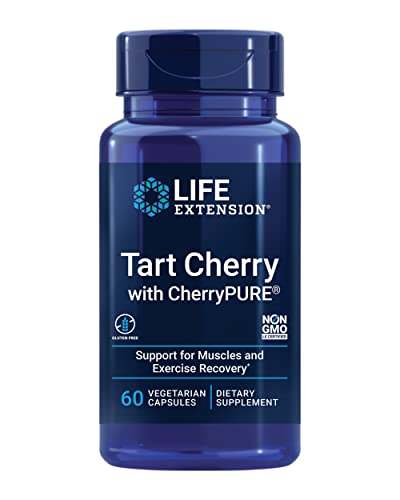
Life Extension Tart Cherry with CherryPURE®, anthocyanins, oxidative Stress, Muscle Recovery, Exercise Support, Muscle Comfort, Vegetarian, Gluten-Free, Non-GMO, 60 Capsules
Buy Life Extension Tart Cherry with CherryPURE®, anthocyanins, oxidative Stress, Muscle Recovery, Exercise Support, Muscle Comfort, Vegetarian, Gluten-Free, Non-GMO, 60 Capsules on Amazon.com ✓ FREE S
Health Disclaimer
This content is for informational purposes only and does not constitute medical advice. Always consult a qualified healthcare provider before starting, stopping, or changing any supplement or medication regimen.