Early-stage research, mostly preclinical or preliminary human studies
Herbal Detox Programs for Vitality: Evidence, Safe Protocols, and What Works
A practical, evidence‑aware guide to herbal detox programs for vitality—what works, safe protocols, dosing, and how to avoid risks.
·12 min read
This content is for informational purposes only and does not constitute medical advice. Always consult a qualified healthcare provider before starting, stopping, or changing any supplement or medication regimen.
If you’re exploring herbal detox programs to boost vitality, you’re likely aiming for more steady energy, clearer digestion, and a sense of “lightness” without harsh cleanses. Herbal detox programs, when thoughtfully designed, focus on supporting the body’s own elimination systems—liver, kidneys, lymph, gastrointestinal (GI) tract—rather than “flushing out toxins” overnight. Research suggests certain herbs can support bile flow, antioxidant defenses, and digestive regularity, though the overall evidence for sweeping “detox” claims is mixed. This guide reviews what works, what’s overhyped, and how to build a safe, vitality‑focused plan.
What Are Herbal Detox Programs Aiming For?
Vitality‑focused herbal detox programs are short, structured protocols (typically 2–6 weeks) that combine targeted herbs with lifestyle supports to:
Enhance energy and mental clarity (by improving sleep, nutrient absorption, and steady blood sugar)
Support liver and bile function (to aid fat digestion and normal detoxification pathways)
Improve GI motility and regularity (reducing bloating and constipation)
Encourage mild diuresis and lymphatic circulation (addressing fluid retention and stagnation)
Realistic timeframes and measurable outcomes
3–7 days: easier bowel movements, less bloating/gas, more stable appetite
2–4 weeks: steadier daytime energy, improved stool form (Bristol 3–4), less reflux/dyspepsia, modest waist discomfort reduction
4–8 weeks: sustained energy improvements, sleep quality gains, possible shifts in routine lab markers if supervised (e.g., small reductions in ALT/AST for some individuals)
Trackable metrics you can use
Daily energy rating (0–10), post‑meal bloating scale, bowel frequency/form, caffeine reliance, and sleep duration/quality
What the Research Says About Herbal Detox Programs
The term “detox” is loosely used in marketing; the body already detoxifies via liver Phase I–III pathways, kidneys, GI elimination, lungs, and skin. Herbs may support these processes indirectly. Evidence varies by herb:
Liver support and bile flow: Moderate evidence for milk thistle and artichoke leaf on liver enzymes and dyspepsia; emerging evidence for turmeric/curcumin and schisandra on liver-related outcomes. Mechanisms include antioxidant activity (raising glutathione), Nrf2 activation, modulation of CYP450 enzymes, and increased bile flow.
Digestive function: Ginger and artichoke leaf have clinical support for dyspepsia and motility; dandelion is traditionally used as a bitter to support digestion with limited clinical trials.
Lymphatic/diuretic support: Nettle leaf and dandelion leaf are mild diuretics (traditional use; limited trials). Burdock is traditionally used for skin/lymph with emerging evidence.
“Heavy metal detox”: Strong claims are common, but human clinical evidence is limited. Some small studies suggest spirulina and cilantro may influence biomarkers in specific exposures; broader, routine use for “detox” lacks strong evidence.
Key limitations
Many trials are small, short‑term, or use combination formulas that make it hard to identify the active component.
Biomarker improvements don’t always translate to noticeable vitality gains for every person.
Potency and quality vary widely across supplements.
Bottom line on evidence strength
Strong: None for broad “detox” outcomes
Moderate: Specific digestive and liver‑enzyme endpoints for a few herbs (e.g., milk thistle, artichoke, ginger)
Emerging: Schisandra, turmeric/curcumin, nettle, burdock, cilantro for detox‑related outcomes
Traditional: Dandelion, burdock, nettle for bile/lymph/diuretic support
Herbal Detox Programs: High‑Value Herbs and Formulas
Below are commonly used herbs with typical dosing ranges for adults. Always start low and assess tolerance.
Liver and bile support
Milk thistle (Silybum marianum) — Active constituents: silymarin (silibinin). Mechanisms: antioxidant, Nrf2 activation, membrane stabilizing. Typical dose: 140 mg standardized to 70–80% silymarin, 2–3 times daily (280–420 mg/day). Research suggests modest improvements in liver enzymes in some populations. Learn more: Milk Thistle.
Artichoke leaf (Cynara scolymus) — Active: cynarin, chlorogenic acids. Mechanism: choleretic (bile flow), digestive support. Dose: 320–640 mg extract, 2–3 times daily. Studies indicate benefit for functional dyspepsia and bloating.
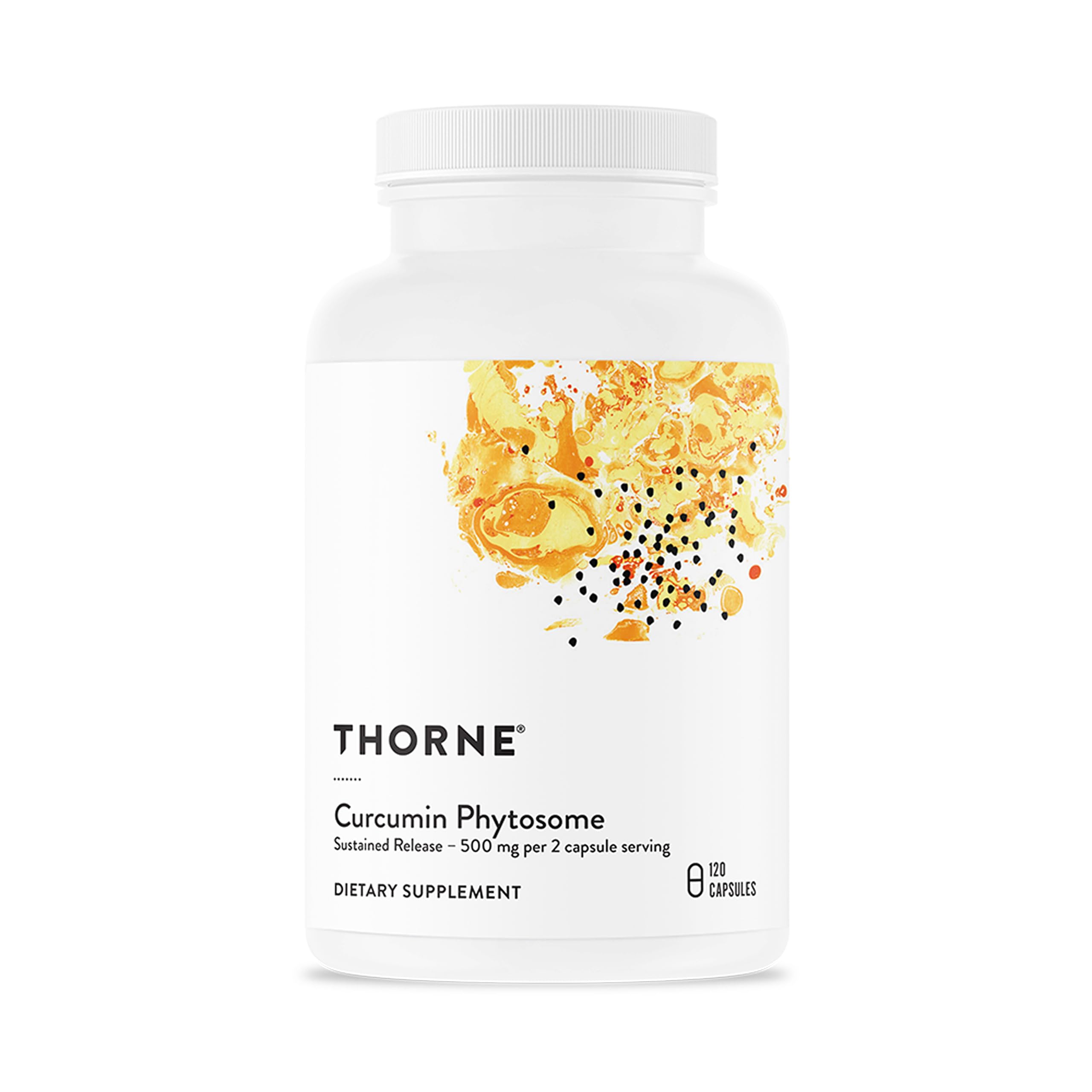
Turmeric/Curcumin (Curcuma longa) — Active: curcuminoids; inhibits NF‑kB, supports bile flow. Dose: 500–1000 mg/day curcuminoids with absorption enhancer (e.g., piperine) or phytosome forms. Emerging evidence in non‑alcoholic fatty liver and systemic inflammation.
Schisandra (Schisandra chinensis) — Actives: lignans (schisandrin). Mechanisms: antioxidant, possible upregulation of glutathione and Phase I–II enzymes. Dose: 500–1500 mg/day extract or 1.5–3 g berries as tea/decoction. Traditionally used in Chinese medicine to “secure qi” and support liver resilience.
Digestive motility and gut elimination
Ginger (Zingiber officinale) — Actives: gingerols, shogaols. Mechanisms: prokinetic, antiemetic, carminative. Dose: 1–2 g/day dried powder or standardized extract; fresh infusions also useful. Studies indicate benefit for nausea and functional dyspepsia.
Dandelion root/leaf (Taraxacum officinale) — Actives: sesquiterpene lactones, inulin. Mechanisms: bitter tonic (root), mild diuretic (leaf). Dose: tea (2–8 g/day dried root), or tincture 3–5 mL up to 3 times daily. Traditional evidence is stronger than clinical.
Psyllium (Plantago ovata) — Not an herb for the liver, but a fiber adjunct that binds bile acids and supports regularity. Dose: 5–10 g/day with plenty of water. Evidence supports improved stool form and LDL reduction.
Lymph, kidneys, and general resilience
Nettle leaf (Urtica dioica) — Actives: flavonoids, minerals. Mechanisms: mild diuretic, anti‑inflammatory. Dose: tea 2–3 cups/day or 300–600 mg extract 2–3 times daily. Traditional with emerging modern support.
Burdock root (Arctium lappa) — Actives: inulin, lignans. Mechanisms: traditional lymphatic and skin support; prebiotic effects. Dose: 2–6 g/day dried root or 2–4 mL tincture up to 3 times daily.
Astragalus (Astragalus membranaceus) — Active: astragalosides, polysaccharides. Mechanisms: adaptogenic, immunomodulatory; traditionally used to build “qi” and resilience. Dose: 500–1000 mg extract 1–2 times daily or 9–30 g in decoction under practitioner guidance. Considered more for immune/energy support than detox per se.
Heavy metal/antioxidant adjuncts (use caution with claims)
Cilantro (Coriandrum sativum) — Culinary herb widely promoted for “chelating” heavy metals; human evidence is limited and mixed. Reasonable as food; concentrated supplements should be used cautiously.
Spirulina (Arthrospira) — Algae with antioxidant properties; small trials in specific exposures (e.g., arsenic) suggest possible benefit when combined with nutrients like zinc. Quality and contamination control are critical. Read more: Spirulina.
Example herb combinations for targeted goals
Liver‑bile support (2–6 weeks): Milk thistle + artichoke leaf + turmeric/curcumin; consider adding schisandra if tolerated.
GI motility and gas reduction (2–4 weeks): Ginger + artichoke + dandelion root; pair with psyllium fiber and hydration.
Lymph and mild diuresis (2–3 weeks): Nettle leaf tea + burdock root; add gentle movement and breathwork.
Expected effects
Short term (days): more regular stools, reduced post‑meal bloating, mild increase in urination with nettle/dandelion leaf.
Medium term (weeks): steadier daytime energy, reduced reliance on caffeine, improved digestion; in some, small improvements in liver enzyme labs when supervised.
Eastern and Western perspectives
Western herbalism emphasizes bitters for digestion and antioxidants for liver resilience.
Traditional Chinese Medicine (TCM) uses patterns: supporting the Liver and Spleen systems, harmonizing qi, and using formulas like schisandra‑based combinations to “secure essence” and support vitality. For TCM context, see: Chinese Herbs: A Practical, Evidence‑Based Guide.
Safety and Contraindications
Herb–drug interactions and cautions
Anticoagulants/antiplatelets (e.g., warfarin, clopidogrel): Turmeric/curcumin and ginger may increase bleeding risk; monitor and seek medical advice.
Hepatic enzyme modulation: Schisandra and milk thistle can affect CYP450 enzymes; check with a pharmacist if you take narrow‑therapeutic‑index drugs.
Diuretics and antihypertensives: Dandelion and nettle may add to diuretic effects; monitor blood pressure and electrolytes.
Hypoglycemics: Astragalus and berberine (if considered) can lower glucose; coordinate with your clinician. Learn about this compound’s role here: Berberine.
Gallstones/biliary obstruction: Bitter and choleretic herbs (artichoke, dandelion, turmeric) may aggravate symptoms—avoid unless cleared by a clinician.
Gastroesophageal reflux or peptic ulcers: Strong bitters and ginger/turmeric may worsen upper GI burning in some people.
Allergies: Dandelion and burdock are in the Asteraceae family—avoid if you have ragweed/aster allergies.
Populations needing extra caution or avoidance
Pregnancy and breastfeeding: Limited safety data for many detox‑focused herbs—generally avoid concentrated extracts unless prescribed.
Autoimmune disease or organ transplant: Immunomodulators like astragalus may not be appropriate—discuss with your specialist.
Significant liver or kidney disease: Work only under medical supervision; self‑directed detox is not advised.
Children: Avoid concentrated detox herbs without pediatric guidance.
Common adverse reactions and warning signs
GI upset (nausea, cramping), loose stools with bitters/fiber uptitration
Headache or fatigue from inadequate hydration or caffeine withdrawal
Rash or itching (possible allergy)
Stop and seek medical care if you develop jaundice, dark urine, pale stools, severe right‑upper‑quadrant pain, unexplained bruising/bleeding, persistent vomiting, or marked swelling.
Monitoring during a program
Track symptoms daily and adjust dosing slowly (every 3–4 days).
Consider baseline and 4–8 week follow‑up labs if you have a history of liver/kidney issues or take multiple medications.
Program Options and Practical Considerations
DIY vs practitioner‑guided vs commercial kits
DIY: Build a simple 2–4 week protocol with 2–3 well‑matched herbs plus fiber. Pros: cost‑effective, customizable. Cons: requires research and self‑monitoring.
Practitioner‑guided: Ideal if you have chronic conditions, multiple meds, or unclear symptoms. Pros: personalized formulas, objective monitoring. Cons: higher cost.
These mentions are options, not endorsements; choose products that fit your needs and discuss with a clinician if you use medications.
Practical Takeaways
Start simple: choose 2–3 herbs that match your goals (e.g., milk thistle + artichoke + ginger for digestion/energy) and track daily metrics.
Expect gentle, incremental benefits over 2–6 weeks—not dramatic “flushes.”
Quality and dosing matter as much as the herb choice; standardized extracts and third‑party testing help.
Pair herbs with sleep, movement, hydration, and fiber for the biggest gains in vitality.
Seek medical guidance if you have chronic conditions, take multiple medications, or notice warning signs.
Brief Disclaimer
This information is for educational purposes and should not replace professional medical advice. Always consult a qualified healthcare provider before starting any herbal detox program, especially if you have medical conditions, are pregnant or breastfeeding, or take prescription medications.
This content is for informational purposes only and does not constitute medical advice. Always consult a qualified healthcare provider before starting, stopping, or changing any supplement or medication regimen.
Detox Herbs for Liver Health: An Evidence‑Based Guide to Milk Thistle, Turmeric, Dandelion & More. If you’re looking into detox herbs for liver health, you’re probably hoping for safe, natural ways to support one of your body’s hardest‑working organs. Research suggests some herbs may modestly aid liver function—mainly by supporting bile flow, combating oxidative stress, or improving metabolic mar
Nutrition and Herbal Guide for Wellness: Evidence‑Based Foods, Vitamins, and Herbal Remedies. If you’re looking for a single, trustworthy nutrition and herbal guide for wellness, you’re not alone. Many people want a practical plan that blends research‑backed nutrition with time‑tested herbal support—without hype. This guide outlines core diet principles, essential vitamins and minerals, and
Detoxification Therapy. Detox Therapy, Detoxification Protocol, Cleansing Therapy. ## Overview
**Detoxification therapy** is a broad wellness term used to describe natural or integrative practices intended to support the body’s normal elimination and metabolic processes. In popular use, it may refer to short-term “cleanses,” fasting-style programs, sauna or sweating protocols, he
Liver Cleanse. liver detox, hepatic cleanse. ## Overview
**“Liver cleanse”** is a broad popular term used to describe diets, supplements, juices, fasting protocols, herbal formulas, or multi-step wellness programs that claim to **support detoxification, improve liver function, or “flush” accumulated toxins** from the body. These protocols are
Herbs That Boost Stamina: An Evidence‑Based Guide to Natural Energy and Endurance. If you’re looking for herbs that boost stamina, you’re probably juggling long days, tough workouts, or simply wanting steadier energy without a crash. The right plants can support endurance, but they work best when paired with training, sleep, and smart nutrition. Below, we explain what “stamina” re
Detox Diet. Detox cleanse diet, Cleanse diet, Body cleanse diet. ## Overview
**Detox diets** are a broad and loosely defined category of eating plans marketed as ways to "cleanse," "reset," or support the body’s natural elimination of waste products. They often emphasize short-term food restriction, increased fluid intake, juices or smoothies, avoidance of alcoho