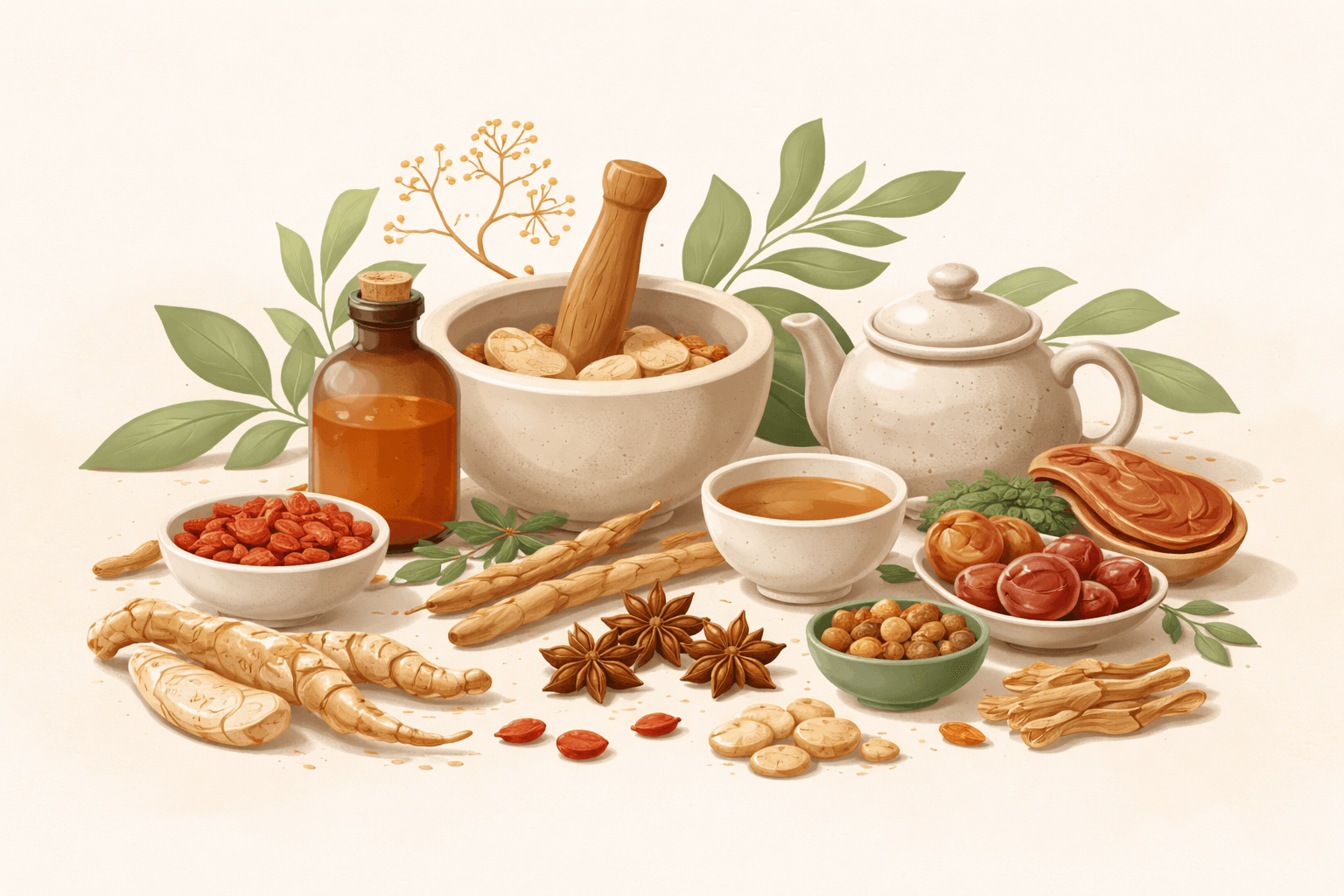
Curious about Chinese herbs? Learn TCM basics, common herbs, evidence, dosing forms, safety, sourcing, and when to see a practitioner.
·13 min read
This content is for informational purposes only and does not constitute medical advice. Always consult a qualified healthcare provider before starting, stopping, or changing any supplement or medication regimen.
If you’re curious about Chinese herbs—what they are, how they’re used, and what modern research actually says—you’re not alone. Chinese herbs are a central pillar of Traditional Chinese Medicine (TCM) and are increasingly used alongside conventional care. This guide explains the TCM perspective, highlights commonly used herbs, reviews the science, and offers practical safety and sourcing tips. Throughout, we classify the strength of evidence so you can make informed decisions.
What are Chinese herbs? — TCM theory, terminology, and goals
Whole system context: In TCM, health reflects dynamic balance among Qi (vital energy), Blood, Yin, and Yang within organ networks (zang-fu). Illness is seen as a pattern of imbalance rather than a single diagnosis.
Pattern differentiation (bian zheng): Practitioners assess signs like tongue appearance, pulse qualities, temperature, sleep, digestion, and emotions to identify patterns (e.g., “Spleen Qi deficiency,” “Liver Qi stagnation,” “Kidney Yin deficiency”). Herbs are matched to patterns, not just symptoms.
Formulas over single herbs: Most therapies combine multiple Chinese herbs into formulas with synergistic roles: monarch (chief), minister (deputy), assistant, and envoy (guide). This is intended to amplify benefits and minimize side effects.
Therapeutic goals: Move and nourish Blood, tonify Qi, warm Yang, enrich Yin, clear Heat, transform Phlegm/Dampness, release the Exterior (early colds), and harmonize the middle (digestion). The aim is to restore resilience, not just mute symptoms.
Common TCM terms you’ll see:
Tonify (bu): Strengthen Qi, Blood, Yin, or Yang
Disperse/Move (xing/san): Unblock stagnation of Qi or Blood
This systems lens differs from Western diagnostics. Both can coexist: research may study a single compound’s mechanism, while a clinician selects a tailored formula based on pattern and constitution.
Common Chinese herbs and traditional uses
Below are widely used Chinese herbs, with English name, pinyin, Latin binomial, and traditional actions. Traditional use reflects historical practice and classical texts rather than modern clinical trials.
Ginseng (Ren Shen; Panax ginseng): Traditionally used to strongly tonify Yuan Qi (core vitality), support fatigue, poor appetite, and recovery after illness.
Astragalus (Huang Qi; Astragalus membranaceus): Tonifies Qi, supports “defensive Qi” (immune), and helps spontaneous sweating; used in formulas to reduce frequent colds.
Dong quai/Angelica (Dang Gui; Angelica sinensis): Nourishes and moves Blood; commonly used for menstrual irregularity and postpartum support.
Licorice (Gan Cao; Glycyrrhiza uralensis): Tonifies Qi, moistens Lungs, eases spasms; “harmonizes” formulas to reduce harshness of other herbs.
Reishi mushroom (Ling Zhi; Ganoderma lucidum): Calms spirit (shen), supports Qi and Lung; traditionally for sleep, stress, and vitality.
Skullcap root (Huang Qin; Scutellaria baicalensis): Clears heat, dries dampness; used for inflammatory or infectious heat patterns, especially in the upper body and GI tract.
Cinnamon twig/bark (Gui Zhi/Rou Gui; Cinnamomum cassia): Warms channels (twig) and Yang (bark); used for cold intolerance, poor circulation.
Cordyceps (Dong Chong Xia Cao; Ophiocordyceps sinensis, often C. militaris in supplements): Tonifies Lung and Kidney; traditionally for endurance and recovery.
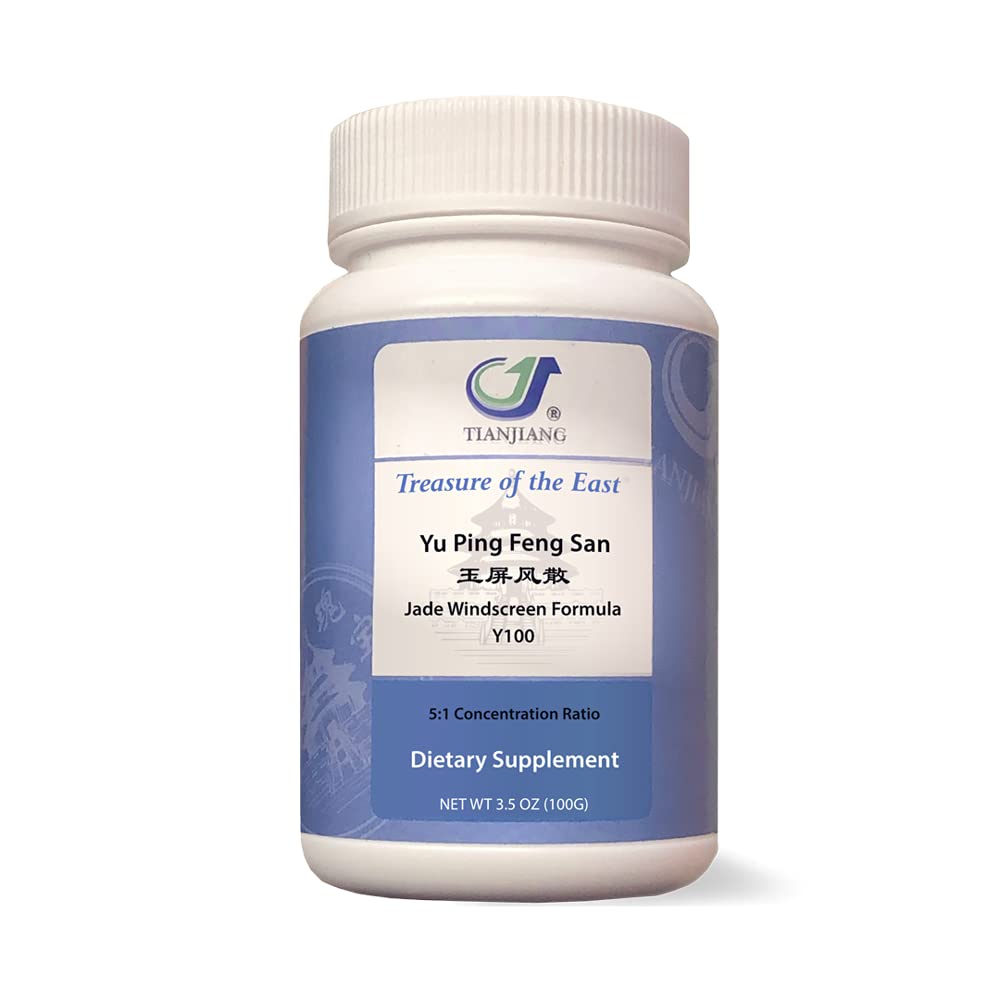
Remember: In clinical practice these are typically combined into formulas like Si Jun Zi Tang (Four Gentlemen) for Qi deficiency, Si Wu Tang for Blood deficiency, Xiao Yao San for stress-related digestive and menstrual symptoms, and Yu Ping Feng San (Jade Windscreen) for recurrent colds.
Forms, preparation, and typical dosing
Chinese herbs come in several preparations. Dosing varies by herb, extraction strength, body size, and pattern. The ranges below are general educational estimates; work with a qualified practitioner for personalized dosing.
Decoctions (tang): Raw herbs simmered 20–60 minutes, then strained. Typical daily dose of combined herbs: 100–200 mL, 1–2 times daily. Single-herb amounts in formulas often range 3–15 g/day depending on role and potency.
Granules/instant powders: Spray-dried extracts of decoctions. Commonly dosed 3–6 g/day of combined formula granules, divided, adjusted for extract strength (often 5:1 to 10:1).
Pills/tablets (wan): “Patent” formulas in ready-made form. Convenience is high, but doses are smaller per pill; multiple pills, 2–3 times daily, are typical per label.
Tinctures/liquid extracts: Alcohol or glycerin extracts. Commonly 2–4 mL, 2–3 times daily for single herbs; follow product extraction ratio and guidance.
Powders (san): Ground raw herb powder mixed with water or honey pills. Doses vary widely (often 1–3 g, 2–3 times daily) depending on herb.
Topicals: Liniments (e.g., Dit Da Jow), plasters, ointments for musculoskeletal complaints or skin issues; used locally per product instructions.
Special handling notes
Some herbs must be professionally processed (pao zhi) to reduce toxicity or change action—e.g., processed aconite (Fu Zi). Do not attempt to process toxic herbs at home.
Taste and temperature are part of TCM strategy: warming herbs for cold patterns, cooling herbs for heat patterns.
What the Research Says — evidence summaries for commonly studied herbs
Research on Chinese herbs ranges from cell and animal studies to randomized controlled trials (RCTs) and meta-analyses. Much of TCM is still best categorized as “emerging to moderate” evidence by Western standards. Below are snapshots of the current state; evidence levels are our synthesis of the literature.
Evidence level: Moderate for fatigue and cognitive performance in the short term; emerging for blood glucose support.
What studies indicate: Multiple RCTs show modest improvements in fatigue and aspects of cognition with standardized extracts (often 200–400 mg/day, 5–7% ginsenosides) over weeks. Meta-analyses suggest small reductions in fasting glucose and postprandial glucose in type 2 diabetes when used adjunctively, though heterogeneity is high.
Mechanisms: Ginsenosides may modulate the HPA axis, support nitric oxide signaling, influence neurotransmission, and improve insulin sensitivity.
Astragalus (Astragalus membranaceus; Huang Qi)
Evidence level: Emerging to moderate for immune support and kidney function in specific settings.
What studies indicate: Some RCTs and observational studies suggest fewer upper respiratory infections with formulas containing astragalus (e.g., Yu Ping Feng San). In chronic kidney disease, small trials of astragalus-based formulas report improvements in proteinuria and inflammatory markers; larger, high-quality trials are needed.
Mechanisms: Polysaccharides and saponins appear to modulate innate and adaptive immune responses and oxidative stress.
Dong quai (Angelica sinensis; Dang Gui)
Evidence level: Emerging for dysmenorrhea and menopausal symptoms, often in combination formulas; limited evidence for isolated extract.
What studies indicate: Trials of formulas containing dang gui (e.g., Dang Gui Shao Yao San, Si Wu Tang) report symptom improvements in painful periods and perimenopausal complaints; attribution to dang gui alone is uncertain.
Mechanisms: Ferulic acid and ligustilide may affect vasodilation, smooth muscle tone, and prostaglandin pathways.
Licorice (Glycyrrhiza uralensis; Gan Cao)
Evidence level: Moderate for gastric discomfort with deglycyrrhizinated licorice (DGL); emerging for cough and anti-inflammatory effects in formulas.
What studies indicate: DGL preparations have shown benefit in functional dyspepsia and gastric ulcer support. TCM blends with licorice are commonly studied for cough, with mixed but promising signals.
Mechanisms: Glycyrrhizin inhibits 11β-HSD2, increasing cortisol’s mineralocorticoid activity (relevant for side effects). Flavonoids have mucosal-soothing and anti-inflammatory effects.
Reishi (Ganoderma lucidum; Ling Zhi)
Evidence level: Emerging to moderate for quality of life and immune modulation in cancer supportive care; emerging for sleep and anxiety.
What studies indicate: Small RCTs and meta-analyses suggest improvements in fatigue and well-being in people undergoing cancer treatment; no evidence it treats cancer. Early trials show mild improvements in sleep and anxiety scores.
Mechanisms: Beta-glucans and triterpenes modulate cytokines and natural killer cell activity; may influence GABAergic tone.
Evidence level: Emerging for inflammatory conditions and GI symptoms (often in combination formulas).
What studies indicate: Preparations containing baicalin/baicalein show anti-inflammatory effects in preclinical models; limited human trials suggest benefit in diarrhea-predominant IBS when combined with other herbs.
Mechanisms: Inhibition of NF-κB and COX-2; antioxidant effects.
Goji berry (Lycium barbarum; Gou Qi Zi)
Evidence level: Emerging for antioxidant capacity, well-being, and visual function.
What studies indicate: Small RCTs show improvements in self-reported well-being and macular pigment density; studies are short and often industry-funded.
Mechanisms: Polysaccharides may support retinal health and mitochondrial resilience.
Schisandra (Schisandra chinensis; Wu Wei Zi)
Evidence level: Emerging for stress resilience and mild insomnia.
What studies indicate: Small human studies and traditional use suggest benefits in stress-related fatigue; more rigorous trials are needed.
Mechanisms: Lignans (schisandrin) exhibit adaptogenic, hepatoprotective, and potential CYP-modulating effects.
Cordyceps (Ophiocordyceps/Cordyceps spp.)
Evidence level: Emerging for exercise performance and recovery.
What studies indicate: Mixed RCT results; some show modest VO2 max or time-to-exhaustion improvements with C. militaris extracts over 3–8 weeks.
Mechanisms: Cordycepin and polysaccharides may enhance ATP production and oxygen utilization.
Rhubarb (Rheum palmatum/officinale; Da Huang)
Evidence level: Strong for short-term constipation relief (anthraquinone class effect); emerging for certain critical care settings (studied in China within formulas).
What studies indicate: Senna- and rhubarb-type anthraquinones reliably increase bowel movements short term; long-term use is not advised due to tolerance and electrolyte concerns.
Mechanisms: Stimulates colonic motility and water secretion.
Ginger (Zingiber officinale; Sheng Jiang)
Evidence level: Moderate for nausea (pregnancy, postoperative, motion sickness) and mild dyspepsia.
What studies indicate: Multiple meta-analyses show ginger reduces nausea severity versus placebo.
Mechanisms: Gingerols/shogaols may antagonize 5-HT3 receptors and support gastric motility.
Cinnamon (Cinnamomum cassia; Gui Zhi/Rou Gui)
Evidence level: Emerging to moderate for modest reductions in fasting glucose and HbA1c in type 2 diabetes; heterogeneity across species and doses.
What studies indicate: Meta-analyses show small improvements; cassia cinnamon is higher in coumarin, which has hepatotoxic potential at high intakes.
Mechanisms: May enhance insulin receptor signaling and glucose uptake.
Formulas worth noting
Yu Ping Feng San (Jade Windscreen): Emerging to moderate evidence for reducing frequency of common colds in select groups.
Xiao Yao San (Free and Easy Wanderer): Emerging evidence for stress-related dyspepsia and mood-related somatic symptoms.
Sho-saiko-to (Xiao Chai Hu Tang): Mixed evidence for chronic hepatitis support; important safety notes below regarding lung toxicity with certain drug combinations.
Safety, side effects, and interactions
Safety varies by herb, dose, duration, and individual health status. Combining Chinese herbs with medications or supplements requires caution.
General safety principles
Work with a qualified practitioner if you have chronic conditions, take prescription drugs, are pregnant or breastfeeding, are immunocompromised, or are considering multi-herb formulas.
Start low, go slow, and monitor for changes in blood pressure, glucose, bleeding/bruising, sleep, GI function, and mood.
Herb-specific cautions and interactions
Licorice (Gan Cao): High-dose or long-term glycyrrhizin can cause sodium retention, hypertension, edema, and low potassium (pseudoaldosteronism). Interacts with diuretics, digoxin, corticosteroids, and antihypertensives. DGL has less mineralocorticoid activity but still use caution.
Ginseng (Ren Shen): May lower blood glucose; monitor if on insulin or oral hypoglycemics. Mixed data on interaction with warfarin; check INR if combined. May cause insomnia or agitation at high doses.
Reishi (Ling Zhi): Possible antiplatelet effects; use caution with anticoagulants/antiplatelets and around surgery. Rare liver enzyme elevations reported; avoid if you have active liver disease unless supervised.
Skullcap (Huang Qin): Case reports of hepatotoxicity often involve combination products; ensure correct species (S. baicalensis) and quality. Potential interactions via UGT/CYP modulation are theoretical but warrant caution with narrow-therapeutic-index drugs.
Dong quai (Dang Gui): Mild blood-thinning effect; caution with warfarin or antiplatelets. Photosensitivity possible. Traditionally avoided in pregnancy due to emmenagogue action.
Astragalus (Huang Qi): Generally well tolerated; theoretical concern in autoimmune conditions due to immune stimulation—discuss with your clinician if you have autoimmune disease or are on immunosuppressants.
Rhubarb (Da Huang): Short-term use only for constipation. Can cause cramping, electrolyte disturbances, and dependence if overused. Avoid in bowel obstruction or inflammatory bowel flares.
Cinnamon (Cassia): Coumarin content can stress the liver at high intakes; people with liver disease should use low-coumarin varieties and moderate dosing.
Bupleurum-containing formulas (e.g., Sho-saiko-to): Rare but serious interstitial pneumonitis reported when combined with interferon therapy; avoid this combination.
Ephedra (Ma Huang): Historically used to release exterior and relieve wheezing; ephedra-containing dietary supplements are banned in the U.S. due to cardiovascular risks (hypertension, stroke). Do not use stimulant combinations (e.g., with caffeine).
Aconite (Fu Zi): Highly toxic when unprocessed; only use professionally processed products under expert supervision.
Supplement and food interactions to keep in mind
Bleeding risk: Combining reishi, dong quai, ginger (high dose), or garlic/fish oil with anticoagulants/antiplatelets may increase bleeding tendency. See Herb–Drug Interactions.
Glycemic effects: Ginseng, cinnamon, and berberine-containing formulas (e.g., Coptis/Huang Lian) can lower glucose and may potentiate diabetes medications.
Electrolytes and blood pressure: Licorice can raise blood pressure and lower potassium; caution with diuretics and ACE inhibitors.
CYP and UGT enzymes: Schisandra and skullcap may influence drug metabolism; use caution with narrow-index drugs (e.g., tacrolimus, certain chemotherapies) and coordinate with your care team.
Populations requiring extra caution
Pregnancy and breastfeeding: Avoid emmenagogue and purgative herbs (e.g., high-dose dong quai, rhubarb). Many formulas lack safety data in pregnancy—consult a practitioner. See Pregnancy and Herbs.
Children and older adults: Start at lower doses and monitor closely.
Surgery: Stop herbs with bleeding or sedative effects 1–2 weeks before procedures unless your surgical team advises otherwise.
How to choose quality herbs and reputable suppliers
Quality varies widely. Look for transparent sourcing and testing:
Identity and species verification: Latin binomial (e.g., Panax ginseng), plant part (root/leaf), and correct pinyin name. DNA barcoding or HPTLC fingerprinting helps prevent adulteration.
Contaminant testing: Request or look for Certificates of Analysis (COAs) showing heavy metals (lead, arsenic, cadmium, mercury), pesticides, microbes, and aflatoxins below allowable limits.
Active marker reporting: Standardized markers (e.g., ≥5% ginsenosides in ginseng, beta-glucans in mushrooms) and extraction ratios (e.g., 10:1) should be disclosed.
Manufacturing standards: cGMP compliance; third-party certifications such as USP, NSF, or ISURA add confidence. See our guide to Supplement Quality.
Avoid species substitutions: Example—“fang ji” confusion led to aristolochic acid nephropathy when Aristolochia fangchi (Guang Fang Ji) was substituted for Stephania tetrandra (Han Fang Ji). Aristolochia species are nephrotoxic and carcinogenic.
Processing and handling: Prefer non–sulfur-fumigated herbs; fumigation can alter phytochemistry and leave residues. Proper drying and storage prevent mold.
Sustainability: Choose cultivated sources for at-risk species (e.g., wild ginseng) and suppliers engaged in fair trade and ecological harvesting.
Where to buy
Reputable TCM pharmacies and clinics that serve licensed practitioners often maintain higher standards.
Brands that publish COAs, disclose country of origin, and provide batch numbers and lot-specific testing are preferable.
Be cautious with marketplace listings lacking clear identity, testing, or customer support.
When to consult a licensed TCM practitioner and legal/regulatory considerations
When to seek expert help
You have a chronic or complex condition (autoimmune disease, cardiovascular disease, cancer, kidney or liver disease).
You take prescription medications with bleeding, glucose, blood pressure, or narrow therapeutic windows.
You’re pregnant, trying to conceive, or breastfeeding.
You’re considering multi-herb formulas for stress, digestive issues, menstrual symptoms, or fatigue and want precise pattern differentiation.
You tried self-directed herbs without benefit or experienced side effects.
Finding qualified practitioners
In many U.S. states, Licensed Acupuncturists (L.Ac.) or Doctors of Acupuncture and Oriental Medicine (DAOM) are trained in herbal medicine. National certification is offered by NCCAOM. Check your state board for scope and licensure.
In Canada, the U.K., Australia, and parts of the EU, registration systems vary; confirm credentials, training hours in herbology, and pharmacy standards.
Legal and regulatory landscape
United States: Under DSHEA (1994), most Chinese herbs are sold as dietary supplements. Manufacturers are responsible for safety and labeling but do not need pre-market approval. Claims are limited to structure–function (e.g., “supports immune health”) and must carry a disclaimer. Quality can vary—hence the importance of third-party testing.
China: Many Chinese herbal products are regulated as Traditional Chinese Medicines with pharmacopoeial standards and are integrated into hospitals; standards do not automatically translate to exported products.
European Union: Some products are registered under the Traditional Herbal Medicinal Products Directive (THMPD) based on long-standing use; others are sold as food supplements.
Always read labels: Look for directions, cautions, lot numbers, manufacturer contact, and testing disclosures.
How to use this information: practical takeaways
Clarify your goal: Are you seeking more energy, better sleep, menstrual comfort, or immune support? Different patterns call for different herbs.
Consider an herbal consultation: Pattern-based prescribing is a core strength of TCM and can increase the chance of benefit while reducing side effects.
If you self-experiment, choose one change at a time: Pick a quality, single-herb product with transparency and start at the low end of the dose range for 2–4 weeks while tracking symptoms.
Watch for interactions: If you take anticoagulants, diabetes medications, blood pressure drugs, or have liver/kidney disease, coordinate with your healthcare team before starting Chinese herbs.
Prioritize quality: Seek COAs, standardized markers, and contaminant testing; avoid products with unclear species identity or sourcing.
Respect form and function: Decoctions and granules offer customization; pills are convenient but may be underdosed. Topicals are for local issues.
Blend perspectives: Use herbs to support resilience while continuing evidence-based medical care. For integrative care topics, see Traditional Chinese Medicine Basics and Acupuncture.
Disclaimer
This guide is for educational purposes and does not replace personalized medical advice. Chinese herbs can interact with medications and may not be appropriate for everyone. Consult a qualified healthcare professional or licensed TCM practitioner before starting any new herbal regimen, especially if you have medical conditions, are pregnant or breastfeeding, or take prescription drugs.
This content is for informational purposes only and does not constitute medical advice. Always consult a qualified healthcare provider before starting, stopping, or changing any supplement or medication regimen.
Traditional Chinese Medicine (TCM) Practices: Acupuncture, Herbs, Cupping, Moxibustion, and the Evidence. Many people are curious about traditional Chinese medicine practices—what they are, how they work, and what the evidence says. If you’re weighing acupuncture, herbs, cupping, moxibustion, tui na, dietary therapy, or qigong, this guide walks through core principles, common uses, safety, and how to in
What Is Traditional Chinese Medicine? An Evidence-Based Overview. If you’re asking “what is traditional Chinese medicine,” you’re likely curious how this centuries‑old system fits alongside modern healthcare. Traditional Chinese Medicine (TCM) is a holistic framework that includes acupuncture, herbal medicine, cupping, moxibustion, tui na bodywork, and dietary the
Nutrition and Herbal Guide for Wellness: Evidence‑Based Foods, Vitamins, and Herbal Remedies. If you’re looking for a single, trustworthy nutrition and herbal guide for wellness, you’re not alone. Many people want a practical plan that blends research‑backed nutrition with time‑tested herbal support—without hype. This guide outlines core diet principles, essential vitamins and minerals, and
Herbalism. Herbal Medicine, Herblism, Herbs Therapy. ## Overview
**Herbalism** is the study and use of plants, plant extracts, and plant-derived preparations in efforts to support health, address symptoms, and promote healing. It is one of the oldest healing modalities in the world, with roots in **Traditional Chinese Medicine (TCM), Ayurveda, Greco-
Combining Eastern and Western Health Practices: An Evidence‑Based Guide to Integrative Care. If you’re curious about combining Eastern and Western health practices, you’re not alone. Many people want the diagnostic clarity of conventional medicine alongside the whole-person focus of Traditional Chinese Medicine (TCM), Ayurveda, yoga, mindfulness, and other mind–body tools. This guide walks
Curious if herbal medicine can help with sleep, stress, digestion, or energy? This guide explains what herbal medicine is, how it’s used across traditions, what the research says, how to choose qualit