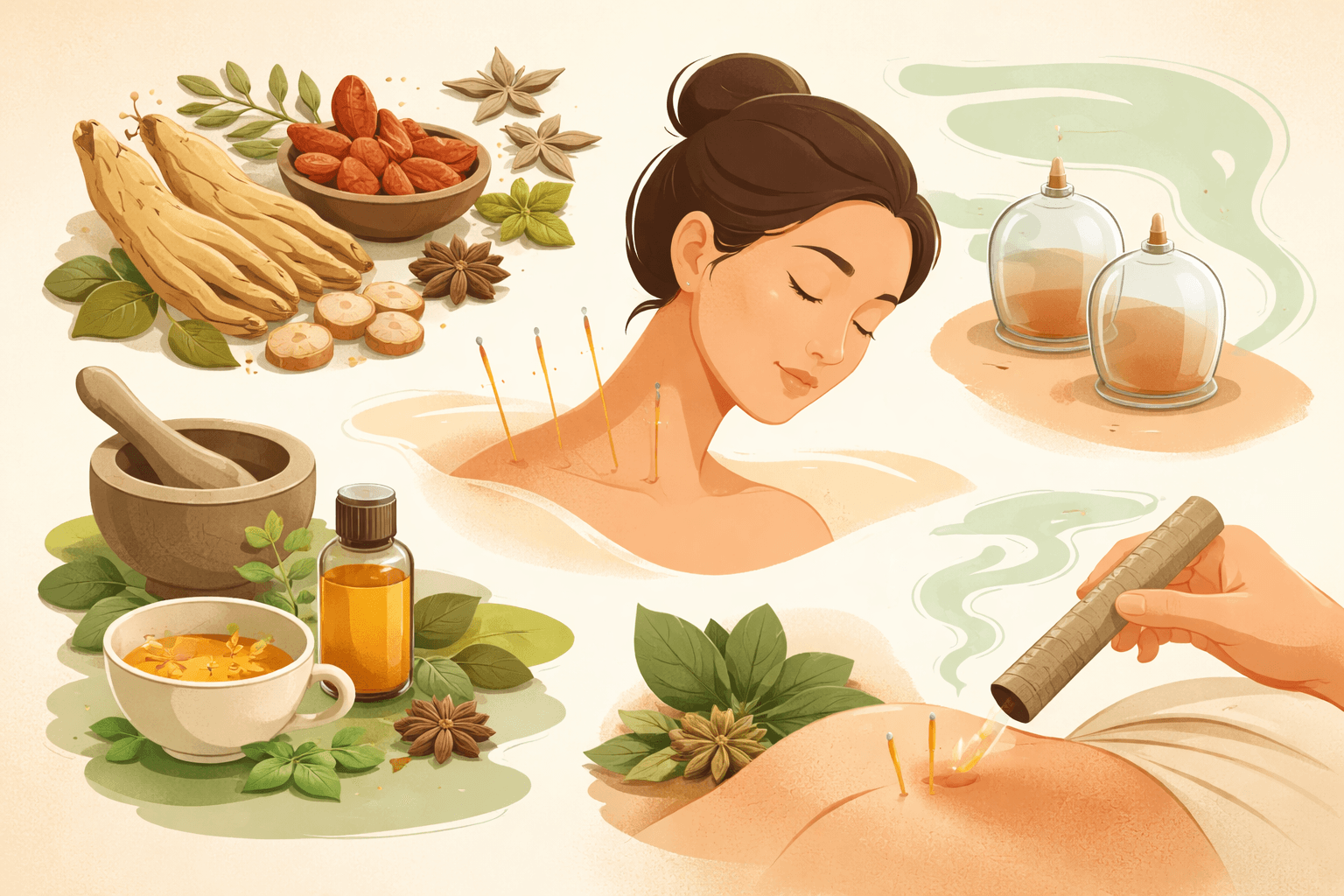
Traditional Chinese Medicine (TCM) Practices: Acupuncture, Herbs, Cupping, Moxibustion, and the Evidence
A clear, evidence-based guide to traditional Chinese medicine practices—uses, safety, and how to integrate acupuncture, herbs, cupping, moxa, tui na, qigong, and diet.
·12–14 min read
This content is for informational purposes only and does not constitute medical advice. Always consult a qualified healthcare provider before starting, stopping, or changing any supplement or medication regimen.
Many people are curious about traditional Chinese medicine practices—what they are, how they work, and what the evidence says. If you’re weighing acupuncture, herbs, cupping, moxibustion, tui na, dietary therapy, or qigong, this guide walks through core principles, common uses, safety, and how to integrate TCM with conventional care.
Traditional Chinese Medicine Practices: Core Principles
Traditional Chinese medicine (TCM) views health as dynamic balance. While modern biomedicine emphasizes organs, cells, and lab results, TCM emphasizes patterns in how your body functions as a whole. For a deeper dive into TCM’s roots and evolution, see our overview: What Is Traditional Chinese Medicine? An Evidence-Based Overview.
Qi: Often translated as “vital energy,” qi reflects the body’s functional capacity—breathing, digestion, circulation, immunity, and overall vitality. In practice, clinicians look for signs of qi deficiency (fatigue, shortness of breath) or stagnation (pain that’s fixed or stress-related tension).
Yin–Yang: Complementary forces that need to be balanced—yin (cooling, nourishing, restful) and yang (warming, activating, metabolic). Many symptoms are framed as relative excess/deficiency on this spectrum, guiding choices like warming vs. cooling herbs or techniques.
Five Elements: Wood, Fire, Earth, Metal, Water—symbolic categories that map to organ systems and cycles in nature. Practitioners use these correspondences to understand tendencies (e.g., stress “attacking” digestion) and to select formulas or point combinations.
Meridians (Channels): Pathways through which qi and blood circulate. Acupuncture points along meridians are stimulated to influence local and systemic function—e.g., relieving muscle tension or calming the nervous system.
Pattern Differentiation (Bian Zheng): Instead of a one-to-one match between a disease and a treatment, TCM classifies clusters of signs/symptoms (tongue, pulse, sleep, digestion, temperature, pain qualities) into patterns, then tailors therapies accordingly.
In short, TCM aims to restore balance—moving what’s stuck, tonifying what’s weak, clearing what’s excessive, and harmonizing organ systems—using a combination of modalities.
Major TCM Modalities and How They’re Used
Acupuncture
What it involves: Very fine, sterile needles placed at selected points on the body, retained ~15–30 minutes. Methods include manual stimulation and electroacupuncture.
Typical uses: Pain (back, neck, knee), headaches/migraines, stress and sleep issues, nausea, women’s health concerns, digestive complaints.
Mechanisms (research suggests): Modulation of the nervous system, endogenous opioid release, reduced inflammatory mediators, improved local circulation, and altered pain signaling pathways.
Chinese Herbal Medicine
What it involves: Individual herbs combined into formulas (often 6–15 ingredients) customized to the person’s pattern. Forms include decoctions (teas), powders, pills, and tinctures.
Typical uses: Digestive issues, menstrual irregularities, perimenopausal symptoms, fatigue, stress, sleep, skin conditions, colds/flus, and metabolic support. See our detailed guide: Chinese Herbs: A Practical, Evidence-Based Guide.
Examples: Classic formulas like Xiao Yao San (for stress-related digestive and menstrual symptoms) or Liu Wei Di Huang Wan (for yin-supporting needs). Single herbs include adaptogenic mushrooms like reishi—learn more here: Reishi Mushroom.
Safety note: Herb–drug interactions are possible (e.g., with anticoagulants), and product quality varies; choose reputable brands with third-party testing.
Moxibustion (Moxa)
What it involves: Burning the herb Artemisia argyi (mugwort) near or on the skin (often over acupuncture points) to provide warmth and stimulate circulation.
Typical uses: Warming cold/stagnant conditions (e.g., certain types of menstrual cramps or digestive sluggishness), joint pain made worse by cold/damp weather. Some protocols use moxa at UB67 for breech presentation late in pregnancy (evidence discussed below).
At‑home option: Some people use practitioner-recommended moxa sticks between clinic visits for gentle warmth—only with training and safety precautions to avoid burns and smoke exposure.
Cupping
What it involves: Glass, silicone, or plastic cups create negative pressure on the skin to lift tissues. Can be stationary or sliding along muscles.
Typical uses: Myofascial pain, stiffness, exercise recovery, and sometimes for respiratory complaints.
Mechanisms (emerging evidence): Increased local blood flow, mechanical effects on fascia/trigger points, potential neuromodulation of pain.
Tui Na (Therapeutic Bodywork)
What it involves: A spectrum of hands-on techniques—pressing, kneading, rolling, traction—often along meridians and specific points. Gua sha (instrument-assisted scraping) is sometimes included.
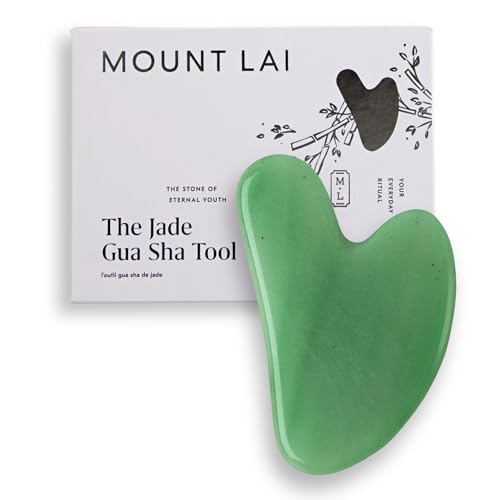
At‑home support: A smooth gua sha tool can be used for light self-massage on tight areas; avoid aggressive scraping and open skin, and stop if you experience pain or dizziness.
What it involves: Food selection and preparation tailored to a person’s pattern (e.g., warming soups and cooked grains for “cold” digestion; simple, non-greasy meals for “damp” patterns).
Typical uses: Chronic digestive issues, low energy, recovery from illness, metabolic balance, and seasonal support.
Practical themes: Emphasis on warm, cooked foods when digestion is weak; regular mealtimes; mindful eating; and seasonal/locally appropriate foods.
Qigong (and Tai Chi)
What it involves: Gentle, coordinated movements, breathing, and focused attention. Tai chi is a related, more choreographed form.
Typical uses: Stress reduction, balance and fall prevention, joint mobility, and general vitality.
Mechanisms (studies indicate): Improved parasympathetic tone, reduced stress hormones, better proprioception and balance, and mood benefits.
Getting started: Many people find a structured qigong video course helpful for consistency; choose beginner-friendly programs and progress gradually.
Evidence quality varies by modality and condition. Here’s a high-level summary with evidence levels noted.
Acupuncture
Chronic musculoskeletal pain (e.g., back, neck, knee osteoarthritis): strong evidence from large meta-analyses showing clinically meaningful benefits compared with usual care/sham.
Headaches/migraine prevention: moderate evidence for reduced frequency/severity vs. standard care alone.
Postoperative and chemotherapy-induced nausea/vomiting (PC6 point): strong evidence for nausea reduction as an adjunct.
Depression, anxiety, insomnia: emerging to moderate evidence; studies show benefit, but heterogeneity and blinding challenges remain.
Chinese Herbal Medicine
Respiratory infections, functional GI disorders, dysmenorrhea, menopausal symptoms: moderate but mixed evidence; some RCTs show benefit for specific formulas, yet variability in product quality, dosing, and pattern-based selection limits generalizability.
Safety: key limitation is quality control and herb–drug interactions; see “Safety” below.
Moxibustion
Breech presentation: moderate evidence (including Cochrane review) suggests moxa at UB67 around weeks 32–36 may increase cephalic version rates vs. usual care; protocols differ and should be coordinated with obstetric care.
Pain and osteoarthritis: emerging to moderate evidence of benefit for pain scores, often combined with acupuncture.
Cupping
Neck and shoulder pain, low back pain, myofascial pain: emerging to moderate evidence for short-term pain relief; blinding is difficult and studies vary in quality.
Tui Na (and Gua Sha)
Low back/neck pain: emerging to moderate evidence, similar to massage/manual therapy literature; technique standardization varies.
Pediatric applications: emerging evidence; should be performed by trained practitioners.
Qigong/Tai Chi
Balance/fall prevention in older adults: moderate evidence for improved balance and reduced fall risk with regular practice.
Stress, anxiety, depression, quality of life: moderate evidence of small-to-moderate improvements.
Cardiometabolic markers: emerging to moderate evidence for blood pressure and glucose improvements with consistent practice.
Dietary Therapy (TCM-style)
Direct RCT evidence is limited; benefits likely track with general nutrition science (e.g., whole, minimally processed foods, adequate protein/fiber, regular meals). TCM’s pattern-guided choices may aid adherence and symptom management; evidence level: emerging.
Benefits and Limitations
Benefits: Emphasis on whole-person care, nonpharmacologic options for pain and stress, potential synergy with conventional treatment, and supportive lifestyle tools like qigong and diet.
Limitations: Variable study quality, difficulty blinding touch/needle therapies, heterogeneity in herbal products, and need for individualized pattern matching (which complicates large RCT designs).
Safety Considerations and Herb–Drug Interactions
Acupuncture: Generally safe with licensed practitioners; minor bruising or soreness is common. Rare but serious risks include infection or pneumothorax when performed improperly.
Moxibustion: Risk of burns and smoke inhalation; avoid in neuropathy or reduced sensation and in patients with respiratory sensitivity unless using smokeless moxa in a ventilated space.
Cupping: Temporary marks/bruising and occasional skin irritation; avoid over varicose veins, open wounds, or in bleeding disorders/anticoagulant use without medical clearance.
Tui Na/Gua Sha: May cause petechiae (“sha”) or soreness; avoid over broken skin, acute injuries, or in people with bleeding disorders.
Herbs: Interactions with anticoagulants, antiplatelets, antihypertensives, diabetes medications, and CNS-active drugs are possible. Quality concerns include adulteration, heavy metals, or substitution. Avoid products containing aristolochic acids; ephedra (Ma Huang) is restricted/banned in many countries.
Pregnancy: Certain acupuncture points and herbs are contraindicated. Always inform practitioners if pregnant or trying to conceive.
Product Quality and How to Choose
Look for brands that use third-party testing (e.g., USP, NSF, or independent labs) and provide certificates of analysis for identity, purity, and contaminants.
United States: Most states license acupuncturists (L.Ac.) with national board exams through NCCAOM; some physicians and other clinicians also offer acupuncture with varying training. Herbal practice standards differ by state.
Supplements: In the U.S., herbs are regulated as dietary supplements (DSHEA), not as drugs; manufacturers are responsible for safety and labeling but premarket approval isn’t required.
Elsewhere: Training and regulation vary internationally; check local boards and professional associations.
Patient Experience and Treatment Planning
The TCM Intake and Diagnosis
History: Symptoms, sleep, stress, digestion, appetite, temperature tolerance, menstrual history, and lifestyle.
Observation: Tongue body/color/coating; skin and demeanor.
Pulse: Qualities at three positions on each wrist (depth, strength, quality) that correspond to organ systems.
Pattern differentiation: The practitioner synthesizes findings into a working pattern (e.g., “Liver qi stagnation with Spleen deficiency”) that guides point selection and formulas.
Individualized Care Plans
Frequency: Commonly 1–2 acupuncture sessions weekly for 3–6 weeks, then taper based on response. Herbs may be taken daily for several weeks, with formula adjustments at follow-up.
Duration: Acute issues may respond in 2–6 visits; chronic conditions often require 6–12+ visits plus home practices.
Modalities: A typical plan might combine acupuncture, cupping or moxa as needed, a customized herbal formula, and qigong/dietary guidance.
Costs: Vary by region and practitioner. Some insurance plans cover acupuncture for specific diagnoses; herbs and additional therapies are often out-of-pocket.
Outcomes: Many patients report improved pain, sleep, stress, and digestion. Track changes in pain scores, function, and quality of life every 2–4 weeks to assess progress.
Integrating TCM with Conventional Care: Practical Guidance
Red flags: Seek urgent medical care for chest pain, shortness of breath, severe or worsening abdominal pain, high fever, neurological deficits (stroke signs), uncontrolled bleeding, or new severe headache. TCM is complementary—not a substitute for emergency care.
Special populations: Pregnancy, anticoagulation therapy, implanted devices, severe autoimmune disease, cancer therapy, organ transplant, and significant liver/kidney disease require coordinated care and cautious use of herbs and heat therapies.
Medication timing: Separate herbs/supplements from prescription medications by at least 2–3 hours when possible; monitor for changes in blood pressure, glucose, or anticoagulation as advised by your clinician.
Simple TCM-based self-care
Gentle qigong or tai chi 10–20 minutes most days to support balance, breathing, and stress resilience.
Acupressure: PC6 (inner forearm, for nausea/motion sensitivity) and LI4 (hand web space, for head/neck tension); avoid LI4 during pregnancy unless cleared by your clinician.
Food as therapy: Warm, cooked meals if digestion is sluggish; broths, congee, lightly seasoned vegetables, and adequate protein; minimize ultra-processed foods and excessive cold/raw foods if they worsen bloating.
Heat for cold-stiff pain: A simple heating pad or supervised moxa can be comforting; always protect skin and limit session time.
Practical Takeaways
Traditional Chinese medicine practices can complement conventional care for pain, stress, sleep, digestive concerns, and healthy aging. Evidence is strongest for acupuncture in chronic pain and for PC6 acupressure/acupuncture in nausea.
Herbal medicine shows promise for several conditions but requires attention to product quality and potential interactions. Consider starting with practitioner-guided classical formulas and brands that publish third‑party testing. If you’re curious about adaptogenic mushrooms, review our evidence primer before choosing a product: Mushroom Immunology: How Beta‑Glucans Train—and Tame—the Immune System.
Hands-on therapies (cupping, tui na, gua sha) and movement practices (qigong/tai chi) can relieve tension and support balance with relatively low risk when done properly.
Thoughtful tools can support consistency: some people use moxa sticks between sessions, a gua sha tool for gentle self-massage, or a guided qigong video course to build a sustainable routine. Choose quality products, learn correct technique, and consult your practitioner when in doubt.
Communicate openly with your healthcare team, especially about herbs and supplements, pregnancy plans, bleeding risk, implants, or serious medical conditions.
Disclaimer
This article is for educational purposes and should not replace personalized medical advice. Always consult qualified healthcare professionals before starting or stopping any treatment, especially if you are pregnant, nursing, have chronic medical conditions, or take prescription medications.
This content is for informational purposes only and does not constitute medical advice. Always consult a qualified healthcare provider before starting, stopping, or changing any supplement or medication regimen.
What Is Traditional Chinese Medicine? An Evidence-Based Overview. If you’re asking “what is traditional Chinese medicine,” you’re likely curious how this centuries‑old system fits alongside modern healthcare. Traditional Chinese Medicine (TCM) is a holistic framework that includes acupuncture, herbal medicine, cupping, moxibustion, tui na bodywork, and dietary the
If you’re curious about Chinese herbs—what they are, how they’re used, and what modern research actually says—you’re not alone. Chinese herbs are a central pillar of Traditional Chinese Medicine (TCM)
Traditional Chinese Medicine. . ## Traditional Chinese Medicine (TCM): Overview
**Traditional Chinese Medicine (TCM)** is a broad medical system that developed over thousands of years in China and East Asia. Rather than focusing only on isolated symptoms or organ pathology, TCM traditionally interprets health as a dynamic state o
Traditional Chinese Medicine Diet. TCM diet, Chinese medicine diet, Traditional Chinese dietary therapy. ## Overview
**Traditional Chinese Medicine (TCM) diet** is a food framework rooted in the broader principles of Traditional Chinese Medicine, a medical system that developed over centuries in China and East Asia. Rather than focusing only on calories, macronutrients, or isolated nutrients, TCM diet
If you’re curious about alternative medicine—what it includes, whether it works, and how to use it safely—you’re not alone. Alternative medicine spans traditions like acupuncture, Ayurveda, and herbal
Eastern Approaches to Mental Wellness: TCM, Ayurveda, Mind‑Body Practices, and Evidence‑Based Strategies. If you’re exploring eastern approaches to mental wellness, you might be wondering how traditions like Traditional Chinese Medicine (TCM), Ayurveda, mindfulness, qigong, and yoga can help with stress, anxiety, mood, and clarity—especially alongside therapy or medication. Research suggests many of the