Alternative Medicine Explained: Types, Evidence, Safety & Choosing Care
A clear guide to alternative medicine: types, evidence by condition, safety, interactions, and how to choose a qualified practitioner.
·12 min read
This content is for informational purposes only and does not constitute medical advice. Always consult a qualified healthcare provider before starting, stopping, or changing any supplement or medication regimen.
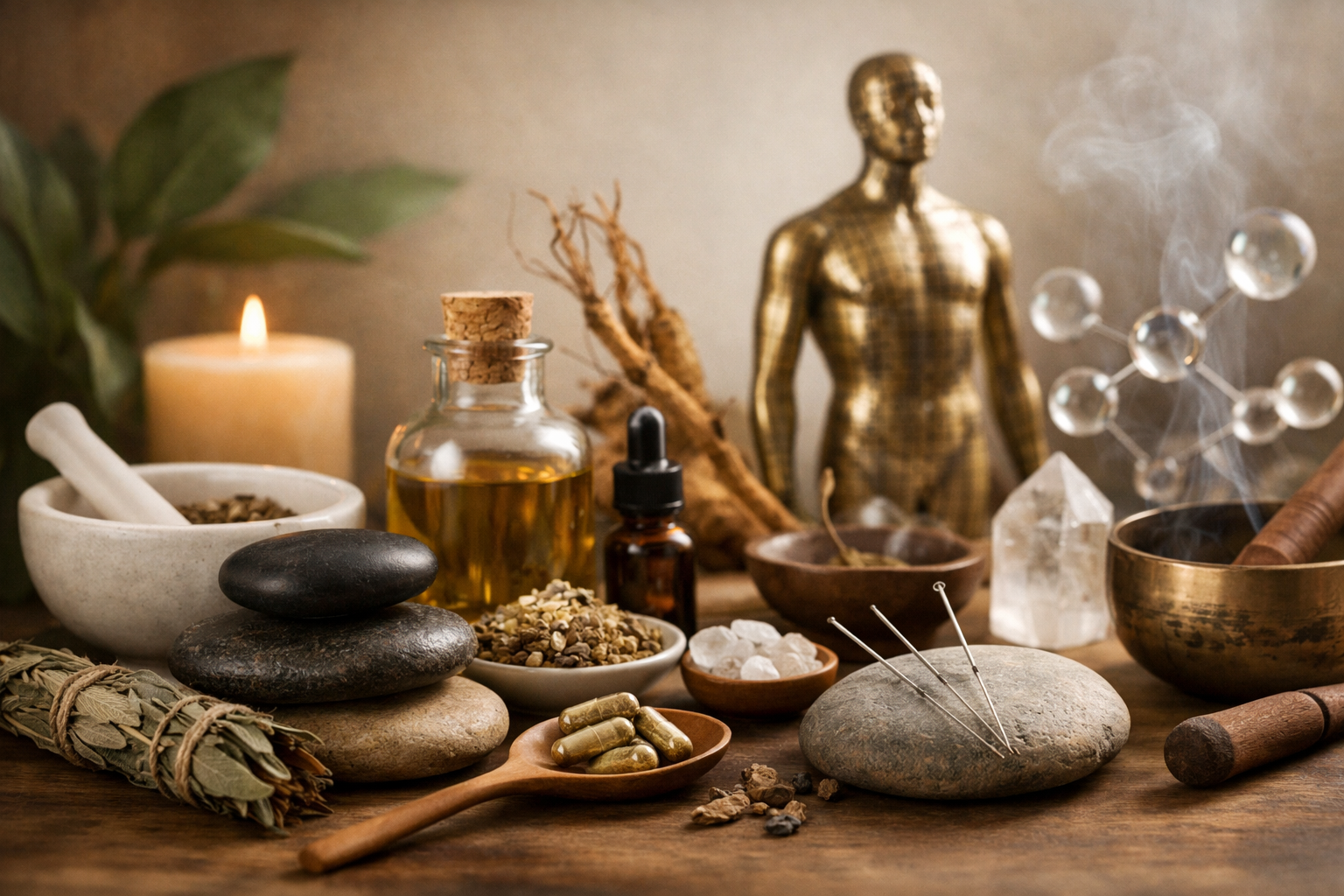
If you’re curious about alternative medicine—what it includes, whether it works, and how to use it safely—you’re not alone. Alternative medicine spans traditions like acupuncture, Ayurveda, and herbal remedies. Research suggests some approaches can help specific conditions, while others have little evidence. This guide clarifies key types, evidence, safety, and how to choose care wisely.
What is alternative medicine?
“Alternative medicine” refers to health practices used in place of conventional (western/biomedical) care. You may also see:
Complementary medicine: used alongside conventional care (for example, acupuncture while also taking prescribed medications)
Integrative medicine: a coordinated approach that blends conventional and complementary therapies, guided by evidence and safety
Traditional medicine: long-standing systems such as Traditional Chinese Medicine (TCM) and Ayurveda
In modern practice, many people don’t fully replace conventional care. Instead, they choose complementary or integrative approaches—often for chronic pain, stress, sleep, or digestive issues—while still seeing their primary clinician. Throughout this article, we’ll use “alternative medicine” as the umbrella term and point out when approaches are best considered complementary or integrative.
Common types and traditions
Traditional Chinese Medicine (TCM)
Core ideas: health reflects a dynamic balance of forces (often described as yin-yang) and the flow of qi. Diagnosis is pattern-based rather than single-disease labels.
Modalities: acupuncture, Chinese herbal formulas, tai chi/qigong (movement and breath), cupping, moxibustion, dietary therapy.
Proposed mechanisms: acupuncture may modulate pain pathways, endogenous opioids, and local blood flow; tai chi improves balance, strength, and autonomic regulation.
Ayurveda
Core ideas: balance among three constitutional types (doshas: vata, pitta, kapha). Emphasizes daily routines, diet, herbs, yoga, meditation, and detoxification practices (panchakarma).
Modalities: personalized diet and lifestyle, herbal preparations, yoga/meditation, massage and oil therapies.
Considerations: some traditional formulations (especially those using metals/minerals) have been found to contain heavy metals; choose products with quality verification.
Naturopathy
Philosophy: “Vis medicatrix naturae” (the healing power of nature), prevention-first, treating the whole person.
Modalities: nutrition and lifestyle, botanical medicine, hydrotherapy, mind-body practices; some practitioners use homeopathy or physical medicine techniques.
Scope: varies by region. In some U.S. states/provinces, licensed naturopathic doctors (ND/NMD) have regulated scopes of practice; in others, anyone may use the title “naturopath.”
Acupuncture
What it is: insertion of very thin, sterile needles at specific points; often part of TCM but also practiced in medical/acupuncture-only models.
Evidence highlights: moderate-quality evidence supports benefits for several chronic pain conditions and headache prevention. Effects are typically modest but clinically meaningful for some.
Safety: generally safe when performed by trained, licensed practitioners using single-use sterile needles.
Herbal medicine (botanical medicine)
What it is: using plant parts/extracts for health goals. Examples include turmeric, ginger, St. John’s wort, ginkgo, and peppermint oil.
Evidence: varies by herb and condition—from strong for a few uses to little or no evidence for others. Interactions with prescription drugs can be significant.
Homeopathy
What it is: remedies prepared by serial dilution and succussion (shaking), based on “like cures like.” Many products are diluted beyond a single molecule of the original substance.
Evidence: high-quality reviews generally find no robust benefit over placebo for most conditions. Safety concerns are mainly indirect (delaying effective care) and from rare manufacturing issues.
Energy therapies
What they are: practices like Reiki, therapeutic touch, external qigong. They aim to influence the body’s energy field.
Evidence: emerging/limited for outcomes like relaxation and perceived stress reduction; mechanisms are not established in biomedicine.
Note: Body-based and mind-body therapies such as massage, tai chi, yoga, and mindfulness are often grouped with complementary and integrative health and have varying degrees of supportive evidence.
What the Research Says about alternative medicine
Evidence strength differs widely. Below are representative areas where research is stronger, moderate, emerging, or traditional. “Strong” denotes multiple randomized controlled trials (RCTs)/meta-analyses; “moderate” signals limited RCTs or consistent observational data; “emerging” reflects preliminary/early trials or animal studies; “traditional” indicates historical use without modern clinical confirmation.
Chronic low back pain, neck pain, knee osteoarthritis, shoulder pain, and general chronic pain: moderate evidence for modest benefit compared with usual care; small but real effects vs. sham needles in some analyses (moderate)
Tension-type headache and migraine prevention: moderate evidence for reduced frequency/severity (moderate)
Postoperative and chemotherapy-induced nausea/vomiting (acupressure at P6 point): moderate evidence (moderate)
Smoking cessation, weight loss, fertility: mixed or insufficient evidence (emerging)
Herbal medicine (selected examples)
St. John’s wort for mild-to-moderate depression: comparable efficacy to some antidepressants in meta-analyses but with heterogeneity and major interaction risks (moderate)
Peppermint oil (enteric-coated) for irritable bowel syndrome: improves global symptoms and abdominal pain (moderate)
Ginger for pregnancy-related and postoperative nausea: benefits over placebo in several trials (moderate)
Turmeric/curcumin for osteoarthritis pain: small-to-moderate improvements in pain/function in some RCTs; bioavailability varies (emerging to moderate)
Saw palmetto for benign prostatic hyperplasia: large trials show no meaningful benefit (doesn’t help)
Echinacea for prevention or treatment of common cold: inconsistent findings; small effects at best (emerging)
Ginkgo for cognitive impairment/dementia: mixed evidence; if any benefit, likely small (emerging)
Traditional Chinese Medicine and Ayurveda (systems)
Tai chi for balance/fall prevention and knee osteoarthritis: improves balance and may reduce falls; modest pain/function benefits (moderate)
Yoga for chronic low back pain and anxiety: improves pain/function and reduces anxiety symptoms (moderate)
Multi-herb TCM/Ayurvedic formulas: some condition-specific trials exist, but product variability and quality concerns limit generalization (emerging)
Naturopathy (system-level outcomes)
Multimodal naturopathic care for cardiovascular risk and musculoskeletal pain has shown benefits in small-to-moderate RCTs and pragmatic trials, often driven by lifestyle counseling components (emerging to moderate depending on the program)
Homeopathy
Across conditions: high-quality reviews generally show no consistent effect beyond placebo (doesn’t help). Individual positive trials exist but often lack replication or have high risk of bias.
Energy therapies (Reiki, therapeutic touch, external qigong)
Anxiety, perceived stress, and well-being: some small studies suggest short-term improvements (emerging)
What this means for you: alternative medicine is not one thing. Some modalities (acupuncture for certain pain conditions; peppermint oil for IBS; ginger for nausea; tai chi/yoga for function and stress) have supportive evidence, while others (homeopathy for most conditions; saw palmetto for BPH) do not. Benefit is often modest and works best as part of a broader integrative plan that includes conventional care when needed.
Safety, risks, and interactions
“Natural” does not automatically mean “safe.” Key risks to consider when using alternative medicine include:
Herb–drug and supplement–drug interactions
St. John’s wort: induces liver enzymes (CYP3A4) and P-glycoprotein, reducing levels/effectiveness of many drugs (e.g., oral contraceptives, transplant medications, anticoagulants, some antidepressants, HIV medications).
Ginkgo: may increase bleeding risk with anticoagulants/antiplatelets; seizure risk reported with certain extracts.
Ginseng: can affect blood sugar and interact with warfarin and some antidepressants.
Kava: linked to rare but serious liver toxicity; additive sedation with CNS depressants.
Valerian: additive sedation with benzodiazepines, opioids, and alcohol.
Turmeric/curcumin: theoretical increased bleeding risk with anticoagulants; may affect gallbladder disease.
Magnesium, calcium, iron, and zinc: can reduce absorption of certain antibiotics and levothyroxine if taken together—separate by several hours.
Cannabidiol (CBD): can raise levels of drugs metabolized by CYP3A4/CYP2C19 (e.g., some SSRIs, antiepileptics); drowsiness with other sedatives.
Always tell your clinician and pharmacist about all supplements and herbs. Use a single pharmacy when possible so interaction checks are comprehensive.
Product quality and contamination
Supplements in many countries are regulated more like foods than drugs; they are not pre-approved for safety/efficacy. Independent testing has found variability in potency and occasional adulteration (for example, weight-loss or sexual-enhancement products spiked with pharmaceuticals).
Some Ayurvedic and TCM products have tested positive for heavy metals (lead, mercury, arsenic) in certain surveys. Choose brands that provide third-party testing and certificates of analysis.
Aristolochic acid–containing herbs (e.g., Aristolochia species) have caused severe kidney injury and cancers; avoid entirely.
Procedure-related risks
Acupuncture: rare complications include infection or pneumothorax (collapsed lung), mainly when performed by inadequately trained practitioners. Ensure sterile, single-use needles and licensed care.
Cupping/moxibustion: can cause burns or skin irritation.
Organ-specific concerns
Liver: herbal and dietary supplements are a recognized cause of drug-induced liver injury. Higher risk with multi-ingredient products, bodybuilding/weight-loss supplements, concentrated green tea extracts, and kava.
Pregnancy/breastfeeding and pediatrics: safety data for many herbs are limited; avoid unless benefits are clear and discussed with a clinician.
Surgery: stop blood-thinning supplements (e.g., ginkgo, garlic, high-dose fish oil) in advance as advised by your surgical team.
How to evaluate and choose a practitioner
Look for training, licensure, and a collaborative mindset.
Credentials and training
Acupuncture/TCM: Licensed Acupuncturist (LAc); certification from NCCAOM in the U.S.; clean-needle technique required.
Naturopathy: Naturopathic Doctor (ND or NMD) from an accredited 4-year program and state/provincial license where available; distinguish from “traditional naturopath” (unregulated title in many places).
Ayurveda: No uniform U.S. licensure; look for reputable training, professional membership (e.g., NAMA), and willingness to coordinate with your medical team.
Homeopathy: Voluntary certifications (e.g., CCH from the Council for Homeopathic Certification); verify general medical credentials when relevant (MD/DO/ND).
Integrative physicians: MD/DO with additional training; some hold board certification in Integrative Medicine (ABOIM).
Red flags
Promises of a cure for serious diseases or one therapy that “treats everything.”
Advice to stop lifesaving medications or avoid vaccines without clear, evidence-based rationale.
Pressure to purchase expensive, proprietary supplements or long treatment packages.
Refusal to coordinate with your conventional healthcare team or provide clear pricing and informed consent.
Reliance on unvalidated diagnostic tests (e.g., live blood analysis for multiple conditions).
Questions to ask
What evidence supports this therapy for my specific condition and goals?
What are the risks, side effects, and known interactions with my medications?
What will a typical course of care cost, and how will we measure progress?
How many sessions or how long before we expect to see benefits?
How will you coordinate with my primary clinician?
Regulation, quality control, and verifying products
Supplements (U.S.): Regulated under DSHEA; manufacturers are responsible for safety and labeling. Look for third-party seals such as USP Verified, NSF, or ConsumerLab. Ask brands for Certificates of Analysis (COAs) confirming identity, potency, and purity.
Homeopathy (U.S.): Historically recognized via the Homeopathic Pharmacopoeia; current FDA oversight is risk-based, with warnings against products making unsupported claims, especially for serious conditions.
Herbal medicines (EU/Canada/Australia): Systems exist for “traditional use” registration (EU), Natural Product Numbers (Canada), and TGA listings (Australia). Look for these identifiers.
Practitioners: Verify licensure with state/provincial boards. For acupuncturists, confirm NCCAOM certification (where relevant) and clean-needle training. For NDs, verify graduation from an accredited program and current license.
Reporting problems: Report adverse events to regulators (e.g., FDA MedWatch in the U.S.) and to manufacturers.
Helpful internal resources:
Complementary therapies overview (/therapies)
Herbal supplements guide (/supplements)
Supplement safety and interactions (/supplements/interactions)
Acupuncture basics (/therapies/acupuncture)
Traditional Chinese Medicine (/traditions/tcm)
Ayurveda (/traditions/ayurveda)
Find a practitioner (/care/find-practitioner)
Practical next steps and resources
Clarify your goals: pain reduction, better sleep, improved digestion, stress relief, or overall well-being.
Start with low-risk, evidence-supported options:
Tai chi or yoga for balance, mobility, stress, and low back pain (moderate evidence)
Acupuncture trial for chronic musculoskeletal pain or migraine prevention (moderate evidence)
Ginger for nausea and peppermint oil for IBS symptoms (moderate evidence)
Coordinate with your clinician: share your plan and full list of supplements/therapies.
Trial thoughtfully: change one thing at a time, track outcomes (pain scores, sleep, digestion), and reassess after a defined period (e.g., 4–8 weeks for acupuncture; 2–4 weeks for an herb unless otherwise advised).
Prioritize quality: choose products with third-party testing; avoid multi-ingredient blends with proprietary amounts when possible.
Budget and access: consider costs, frequency of visits, and insurance coverage for services like acupuncture or chiropractic.
Know when to seek medical care urgently: new severe chest pain, trouble breathing, neurological symptoms (weakness, confusion, severe headache), high fever, blood in stool/urine, or worsening depression with suicidal thoughts—seek immediate conventional care.
Reliable external resources:
National Center for Complementary and Integrative Health (NCCIH)
NIH Office of Dietary Supplements (ODS)
Cochrane Reviews (evidence summaries)
Memorial Sloan Kettering “About Herbs” database
U.S. Pharmacopeia (USP) Verified Products
FAQ
Is alternative medicine evidence-based? Some therapies are supported by clinical trials (e.g., acupuncture for certain pain conditions, peppermint oil for IBS), while others have little to no proven benefit (e.g., homeopathy for most conditions). Evidence quality varies by therapy and condition.
Can I combine alternative medicine with my prescriptions? Often yes, but interactions are common with some herbs and supplements. Always review with your clinician or pharmacist.
Are “natural” products always safe? No. Natural products can interact with drugs, be contaminated, or harm the liver or kidneys. Choose quality-verified products and professional guidance.
How long should I try a therapy before deciding if it helps? Set a trial window with measurable goals—often 4–8 sessions for acupuncture; 2–8 weeks for many supplements. Stop if no benefit or side effects occur.
Are energy therapies like Reiki safe? Generally low risk and may reduce perceived stress, but robust medical benefits are unproven. Use as a complement, not a replacement, for necessary medical care.
Will insurance cover alternative medicine? Some plans cover acupuncture, chiropractic, and physical therapy; coverage for naturopathy or massage varies. Check your benefits.
How do I report a bad reaction? In the U.S., report to FDA MedWatch and inform your clinician and the product manufacturer.
What the Research Says (summary)
Strong: Mind–body practices like mindfulness-based stress reduction show benefits for chronic pain, anxiety, and depression in multiple trials; coverage varies.
Moderate: Acupuncture for several chronic pain conditions and headache prevention; tai chi for balance; yoga for low back pain; peppermint oil for IBS; ginger for nausea; St. John’s wort for mild-to-moderate depression (with significant interaction cautions).
Emerging: Many TCM/Ayurvedic multi-herb formulas, curcumin for osteoarthritis, energy therapies, naturopathic multimodal care.
Doesn’t help (based on current evidence): Homeopathy for most conditions; saw palmetto for BPH prevention/treatment.
Disclaimer
This article is for educational purposes and should not replace personalized medical advice. Always consult a qualified healthcare professional before starting, stopping, or combining therapies, especially if you have chronic conditions, are pregnant or breastfeeding, or take prescription medications.
This content is for informational purposes only and does not constitute medical advice. Always consult a qualified healthcare provider before starting, stopping, or changing any supplement or medication regimen.
If you’re curious about ayurvedic medicine—what it is, how it works, where it helps, and where evidence is limited—this guide brings together both traditional teachings and modern research. Ayurvedic
Traditional Chinese Medicine (TCM) Practices: Acupuncture, Herbs, Cupping, Moxibustion, and the Evidence. Many people are curious about traditional Chinese medicine practices—what they are, how they work, and what the evidence says. If you’re weighing acupuncture, herbs, cupping, moxibustion, tui na, dietary therapy, or qigong, this guide walks through core principles, common uses, safety, and how to in
What Is Holistic Medicine? A Clear Guide to Principles, Therapies & Evidence. If you’ve ever wondered what is holistic medicine and whether it could help you feel better, you’re not alone. Many people are looking for care that treats the whole person—not just a symptom or a lab result. This guide explains what holistic medicine is, how it works, what the research says, and pr
Eastern vs Western Medicine: Key Differences in Philosophy, Diagnosis, Evidence, and When to Use Each. If you’ve ever wondered how to choose between acupuncture and ibuprofen, or herbs and prescription drugs, you’re already asking the core question behind eastern vs western medicine. People seek clarity on which system works best, when to use each, and how to combine them safely. This guide compares
Combining Eastern and Western Health Practices: An Evidence‑Based Guide to Integrative Care. If you’re curious about combining Eastern and Western health practices, you’re not alone. Many people want the diagnostic clarity of conventional medicine alongside the whole-person focus of Traditional Chinese Medicine (TCM), Ayurveda, yoga, mindfulness, and other mind–body tools. This guide walks
What Is Traditional Chinese Medicine? An Evidence-Based Overview. If you’re asking “what is traditional Chinese medicine,” you’re likely curious how this centuries‑old system fits alongside modern healthcare. Traditional Chinese Medicine (TCM) is a holistic framework that includes acupuncture, herbal medicine, cupping, moxibustion, tui na bodywork, and dietary the