Herbal Medicine Guide: Uses, Evidence, Safety & How to Choose
A balanced guide to herbal medicine: uses, evidence, dosing, safety, and how to choose quality products—blending tradition with research.
·12 min read
This content is for informational purposes only and does not constitute medical advice. Always consult a qualified healthcare provider before starting, stopping, or changing any supplement or medication regimen.
Curious if herbal medicine can help with sleep, stress, digestion, or energy? This guide explains what herbal medicine is, how it’s used across traditions, what the research says, how to choose quality products, and when to talk to a professional. We take a balanced view of both traditional wisdom and modern science so you can make informed choices.
What is herbal medicine? A definition and brief history
Herbal medicine refers to the use of plants (and sometimes fungi, resins, and seaweeds) to support health and address illness. It includes familiar kitchen herbs and concentrated extracts used as supplements. In many cultures, herbal medicine is the oldest form of healthcare.
Ancient Sumerian tablets recorded plant remedies over 4,000 years ago; Egyptian, Greek, and Roman texts followed.
Ayurveda in India (dating back more than 2,000 years) and Traditional Chinese Medicine (TCM) developed detailed systems of diagnosis and complex multi-herb formulas.
Indigenous traditions worldwide (from Traditional African Medicine to Native American practices) contributed rich plant knowledge adapted to local ecosystems.
Modern pharmacology grew out of herbal medicine: aspirin originated from willow bark (salicin), digoxin from foxglove, and the antimalarial artemisinin from sweet wormwood (Artemisia annua)—work that earned Tu Youyou the 2015 Nobel Prize in Physiology or Medicine.
Today, herbal medicine spans home kitchen teas to rigorously standardized extracts used alongside conventional care. While some herbs have strong clinical evidence, others are supported mainly by traditional use or emerging research.
How herbal medicine is used today: TCM, Ayurveda, and Western herbalism
Different traditions view health through distinct lenses, yet often converge on practical remedies.
Traditional Chinese Medicine (TCM): Uses pattern diagnosis (e.g., heat/cold, deficiency/excess) and aims to harmonize qi (vital energy) and organ systems. Herbal formulas—often 4–12 herbs—balance principal and supporting ingredients. Example: Si Jun Zi Tang (Four Gentlemen) to support digestion and qi. Herbs may be prescribed as decoctions, granules, or pills.
Ayurveda: Frames health through the balance of three doshas (Vata, Pitta, Kapha). Herbs are chosen by qualities (e.g., heating, cooling), tastes, and actions (rasayana/tonic, dipana-agni/digestive). Formulas like Triphala (three fruits) are used for bowel regularity and overall resilience.
Western clinical herbalism: Emphasizes “herbal actions” (e.g., carminative for gas, vulnerary for wound-healing) and organ support, informed by botany, pharmacognosy, and growing clinical research. European bodies like Germany’s Commission E and ESCOP have published monographs guiding therapeutic uses and dosing.
In integrative care, herbs may complement pharmaceuticals—for example, ginger for nausea during pregnancy or peppermint oil for irritable bowel syndrome (IBS). Coordination with healthcare providers is essential to avoid interactions.
Common herbs and their traditional uses
Below are frequently used herbs with a blend of traditional context, modern research, typical forms, and evidence level. Always confirm dosing and suitability with a qualified professional.
Traditional: Ayurvedic and TCM warming spice for joints, digestion, and skin.
Modern focus: Curcumin, a key compound, modulates inflammatory pathways (e.g., NF-κB) and antioxidant defenses.
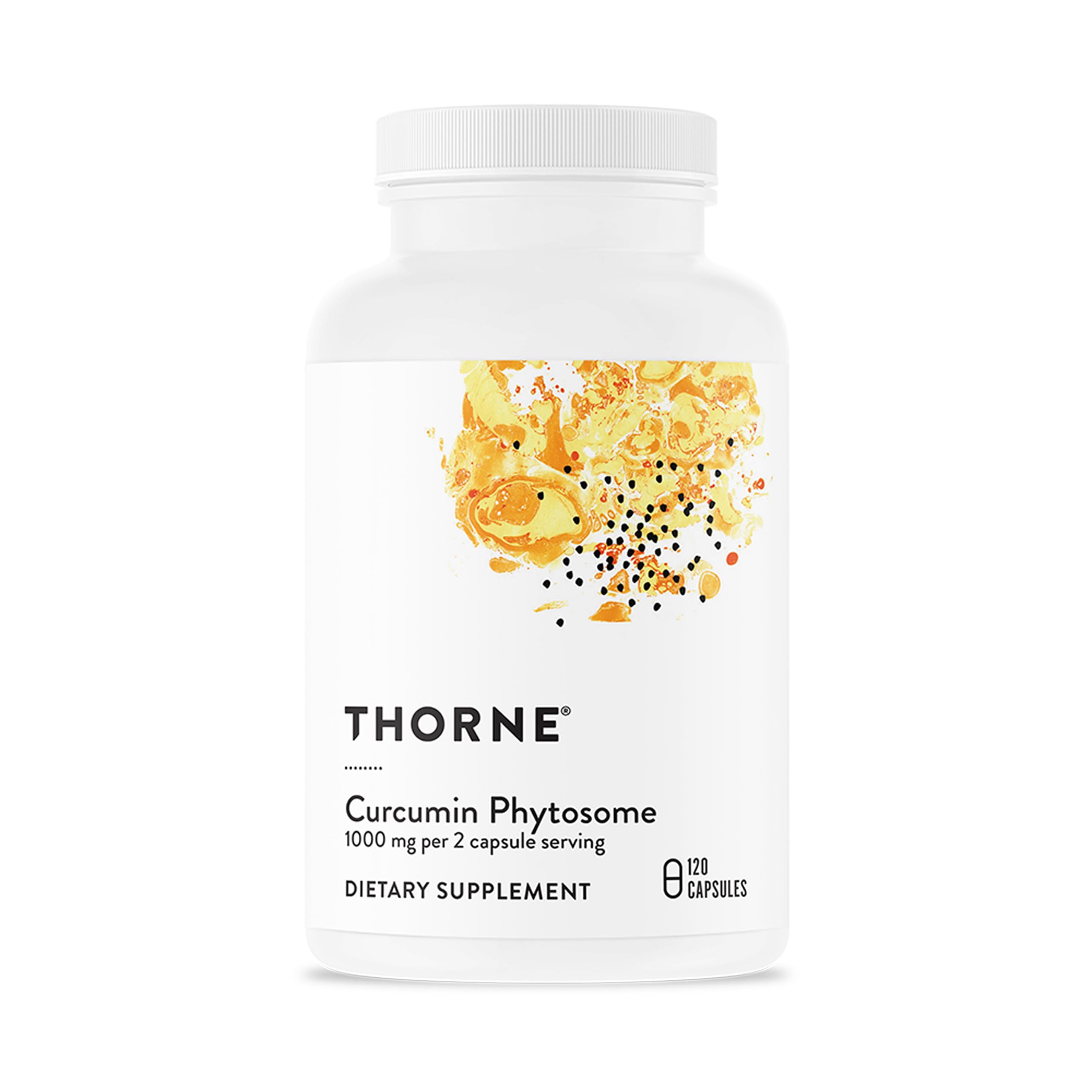
Evidence: Studies indicate benefits for osteoarthritis pain and function with standardized curcumin extracts; effects on inflammatory markers are reported. Bioavailability is a challenge; formulations with piperine or phospholipids enhance absorption. Evidence level: moderate to strong (multiple RCTs and meta-analyses for osteoarthritis; variable for other conditions).
Common forms: Capsules of standardized curcumin; culinary turmeric with black pepper and fat for absorption.
Ginseng (Panax ginseng; American ginseng Panax quinquefolius)
Traditional: Qi/energy tonic in TCM; adaptogen supporting resilience to stress.
Modern focus: Ginsenosides may influence HPA-axis stress responses, nitric oxide pathways, and glucose metabolism.
Evidence: Research suggests modest improvements in fatigue and cognitive performance in some studies; American ginseng shows potential for postprandial glucose control. Evidence level: moderate (mixed RCTs; quality varies).
Common forms: Standardized extracts (often 3–5% ginsenosides), teas, decoctions.
Echinacea (Echinacea purpurea/angustifolia)
Traditional: Native American use for infections and wound support.
Modern focus: Immunomodulation via polysaccharides and alkamides.
Evidence: Meta-analyses show mixed effects for preventing or shortening common colds; product variability is high. Evidence level: emerging to moderate.
Common forms: Tinctures, capsules, pressed-juice extracts.
St. John’s wort (Hypericum perforatum)
Traditional: Mood support and wound healing.
Modern focus: Hyperforin and hypericin modulate neurotransmitters; notable induction of CYP3A4 and P-glycoprotein affects drug metabolism.
Evidence: Multiple RCTs and meta-analyses indicate efficacy comparable to SSRIs for mild-to-moderate depression; not appropriate for severe depression or bipolar disorder. Major drug–herb interactions are common. Evidence level: strong for mild-to-moderate depression; strong for interaction risk.
Common forms: Standardized extracts (0.3% hypericin or quantified hyperforin).
Valerian (Valeriana officinalis)
Traditional: Calming/sedative for sleep difficulties.
Modern focus: Compounds may modulate GABAergic signaling.
Evidence: Trials show inconsistent effects on sleep latency and quality; better results seen when used for 2+ weeks rather than acutely. Evidence level: moderate (mixed RCTs).
Common forms: Tinctures, capsules, teas (earthy taste), often combined with hops or lemon balm.
Ginger (Zingiber officinale)
Traditional: Digestive and warming circulatory aid in Ayurveda and TCM.
Modern focus: 5-HT3 antagonism in the gut and prokinetic effects.
Evidence: Research suggests benefit for nausea (pregnancy, postoperative, motion) and dyspepsia; effects on osteoarthritis pain are modest. Evidence level: strong for nausea relief; moderate for pain.
Common forms: Tea, capsules, candied ginger, fresh culinary use.
Garlic (Allium sativum)
Traditional: Cardiovascular and immune support.
Modern focus: Organosulfur compounds (allicin) may modestly lower blood pressure and lipids.
Evidence: Meta-analyses report small reductions in blood pressure and LDL cholesterol; effects vary by preparation (aged extracts vs. powders). Evidence level: moderate to strong.
Common forms: Raw/culinary, aged garlic extract capsules, powders.
Peppermint (Mentha x piperita)
Traditional: Carminative for gas and spasms.
Modern focus: Menthol relaxes intestinal smooth muscle via calcium channel effects.
Evidence: Enteric-coated peppermint oil may improve global IBS symptoms and abdominal pain. Evidence level: moderate (several RCTs and meta-analyses).
Common forms: Enteric-coated capsules; tea for milder digestive comfort (may worsen reflux in some).
Ashwagandha (Withania somnifera)
Traditional: Ayurvedic rasayana (rejuvenative) for stress, sleep, and vitality.
Modern focus: Withanolides may modulate stress hormones and GABAergic pathways.
Evidence: Emerging to moderate evidence for stress/anxiety reduction and sleep support; dosage and extract standardization matter. Evidence level: emerging to moderate.
Common forms: Root extracts standardized to withanolides; powders in warm milk or ghee in traditional use.
Milk thistle (Silybum marianum)
Traditional: Liver support.
Modern focus: Silymarin complex has antioxidant and membrane-stabilizing actions.
Evidence: Mixed results for liver enzyme reduction in various liver conditions; more robust trials needed. Evidence level: emerging to moderate.
Common forms: Standardized extracts; teas are less potent.
Ginkgo (Ginkgo biloba)
Traditional: Circulatory and cognitive support in East Asian medicine.
Modern focus: Flavone glycosides and terpene lactones support microcirculation and antioxidant status.
Evidence: Mixed findings for cognitive impairment and tinnitus; some standardized extracts (e.g., EGb 761) show benefits in certain populations. May increase bleeding risk with anticoagulants. Evidence level: moderate.
Common forms: Standardized extracts; avoid raw seeds (toxic).
These are examples, not a complete list. Suitability and dosing depend on the individual, product quality, and the condition addressed.
What the research says: evidence, trials, and limitations
Herbal research has grown substantially, but translating tradition into modern evidence has challenges.
Standardization: Plants vary by species, part used, harvest season, and processing. Standardized extracts (e.g., curcumin 95%, ginkgo 24/6%) aim for consistent active constituents, yet whole-herb synergy may be missed.
Study design: Many trials are small, short, and heterogenous in dose and formulation. Placebo effects can be strong for symptoms like pain or anxiety. Publication bias may inflate positive findings.
Mechanisms: Some pathways are well-characterized—curcumin’s NF-κB inhibition; St. John’s wort’s effect on reuptake of serotonin, dopamine, and norepinephrine; peppermint oil’s smooth-muscle relaxation; ginger’s antiemetic action via serotonin receptors. Others remain speculative.
Regulation: In the U.S., most herbal products are regulated as dietary supplements (DSHEA), not drugs. Manufacturers must follow good manufacturing practices (GMP) but do not need premarket approval for efficacy. Europe often applies stricter monographs and traditional-use registrations.
Where evidence is strongest
Strong: St. John’s wort for mild-to-moderate depression; ginger for pregnancy-related nausea; curcumin for osteoarthritis pain (selected standardized extracts); enteric-coated peppermint oil for IBS symptom relief.
Moderate: Ginseng for fatigue/cognition; garlic for modest lipid and blood pressure changes; valerian for sleep (mixed but plausible); ginkgo for certain cognitive endpoints with specific extracts.
Emerging: Ashwagandha for stress/sleep; echinacea for colds; milk thistle for liver support in some contexts.
Limitations to keep in mind
The “right herb, wrong product” problem: Negative trials sometimes use low-dose or poorly absorbed forms.
Interactions and safety: Potent pharmacology cuts both ways—benefits and risks. St. John’s wort interactions are a prime example.
Individual variability: Genetics, microbiome, diet, and concurrent medications influence responses.
Preparation, dosing, and forms
Different preparations extract different compounds and affect potency.
Teas/infusions: Good for aromatic leaves and flowers (e.g., chamomile, peppermint). Typical steep: 1–2 teaspoons dried herb per cup, 5–10 minutes.
Decoctions: Simmer tougher roots/barks (e.g., ginger, licorice) for 10–30 minutes to extract constituents.
Tinctures: Alcohol–water extracts (e.g., 1:5 in 40–60% alcohol). Convenient, shelf-stable, and extract both water- and alcohol-soluble compounds.
Fluid extracts and glycerites: More concentrated liquids; glycerites are alcohol-free.
Capsules/tablets: Standardized dry extracts deliver measured doses; check the label for extract ratio and standardization.
Powders: Whole-herb or extracts mixed with food/drink (e.g., ashwagandha powder); potency varies.
Topicals: Creams, salves, or liniments for localized issues (e.g., arnica gel for bruises—do not apply to broken skin).
Essential oils: Highly concentrated; for aromatherapy or diluted topical use. Internal use requires expert guidance due to toxicity risks.
Practical dosing tips
Start low, go slow—especially if you’re sensitive, older, pregnant, or on medications.
Take with food if you experience stomach upset (exceptions apply; follow label).
Time-to-benefit varies: some effects are acute (ginger for nausea), others need weeks (turmeric for joints).
Bioavailability matters: pair curcumin with black pepper (piperine) and fat; choose enteric-coated peppermint oil for IBS; use aged garlic extracts for odor reduction and consistency.
Safety, interactions, and contraindications
Herbs are biologically active. Respect their power—especially in pregnancy, with children, and when taking prescription drugs. This list is not exhaustive; consult a professional for your situation.
Key interaction and safety examples
St. John’s wort: Induces CYP3A4, CYP2C19, and P-glycoprotein, reducing effectiveness of oral contraceptives, immunosuppressants, some HIV meds, anticoagulants, and others. Photosensitivity can occur.
Ginkgo: May increase bleeding risk with warfarin, DOACs, or antiplatelets; hold before surgery when advised.
Licorice (Glycyrrhiza glabra): Glycyrrhizin can raise blood pressure, lower potassium, and interact with diuretics and corticosteroids. Deglycyrrhizinated licorice (DGL) lacks this effect but is used mainly for reflux.
Kava (Piper methysticum): Risk of liver toxicity; avoid unless supervised and using quality-assured extracts.
Ephedra (Ma huang): Banned in many countries due to cardiovascular events.
Ginger: Generally safe; high doses may increase bleeding tendency and worsen reflux.
Valerian: Sedation; caution with alcohol, benzodiazepines, or other sedatives.
Ashwagandha: Case reports of thyroid stimulation and rare liver injury; avoid with hyperthyroidism unless monitored.
Special populations
Pregnancy: Limited safety data for many herbs. Generally avoid uterine-stimulating or poorly studied herbs. Ginger for nausea has supportive evidence at modest doses; always confirm with your prenatal provider.
Breastfeeding: Compounds can transfer to milk; seek individualized guidance.
Children: Dosing is weight-based; avoid strong essential oils and potent laxatives. Use gentle, well-studied herbs when appropriate and supervised.
Older adults and polypharmacy: Higher interaction risk; prioritize medication reconciliation and monitoring.
General safety practices
Disclose all herbs and supplements to your healthcare team.
Use single-ingredient products when starting, so you can attribute effects accurately.
Stop nonessential herbs 1–2 weeks before surgery unless advised otherwise.
Watch for allergy signs: rash, itching, swelling, trouble breathing—seek immediate care for severe reactions.
How to choose quality herbal products: labels, certifications, and sourcing
Not all products are equal. Quality determines both efficacy and safety.
What to look for on labels
Latin binomial (e.g., Curcuma longa), common name, and plant part (root, leaf, flower).
Extraction details: ratio (e.g., 10:1), solvent (water/alcohol), and standardization (e.g., 95% curcuminoids).
Dose per serving and servings per container; avoid vague “proprietary blends” without amounts.
Manufacturer contact, lot number, and expiration date.
Independent quality marks
Third-party testing: USP Verified, NSF Certified, or ConsumerLab-tested products provide extra assurance.
GMP certification: Indicates adherence to Good Manufacturing Practices.
Sourcing and sustainability
Prefer reputable brands that publish Certificates of Analysis (COAs) for identity, potency, and contaminants (heavy metals, pesticides, microbes, adulterants).
Choose organically grown or responsibly wildcrafted herbs when feasible. For at-risk species (e.g., goldenseal), look for cultivated sources and CITES compliance.
Red flags
“Cures everything” or disease-treatment claims.
Lack of transparency on species/part used.
No testing for contaminants or no way to contact the company.
Storage and handling
Keep away from heat, light, and moisture; follow expiration dates.
Note that liquids and probiotics may have specific storage needs.
Integrating herbal medicine with conventional care
Herbal medicine can complement—but not replace—appropriate medical care. Integration works best with open communication and clear goals.
Coordinate with your clinician: Share a complete list of herbs and supplements at each visit. Ask about interactions and monitoring (e.g., liver enzymes when using certain herbs long term).
Track outcomes: Define what “better” means (pain scores, sleep duration, bowel habits) and reassess every 4–8 weeks.
Persistent, worsening, or red-flag symptoms (unintentional weight loss, bleeding, high fever, chest pain, neurologic deficits)
Finding qualified help
Clinical herbalists: Look for Registered Herbalists with the American Herbalists Guild [Find a Practitioner] (titles vary by country).
TCM practitioners: Licensed acupuncturists (L.Ac.) with herbal training.
Ayurvedic practitioners: Seek recognized training and affiliations.
Integrative/functional clinicians: MD/DO/ND/PA/NP with herbal competency.
Resources and further reading
NIH National Center for Complementary and Integrative Health (NCCIH) — evidence overviews.
WHO Monographs on Selected Medicinal Plants.
American Herbal Pharmacopoeia and Commission E monographs.
Natural Medicines database (subscription) for interaction checks.
PubMed for peer-reviewed studies.
Internal link suggestions
Understanding supplements and quality testing How to Read Supplement Labels
Safety first: Herb–Drug Interactions
Explore traditions: What Is Traditional Chinese Medicine? and Ayurveda Basics
Practical takeaways: how to use this information
Start with your goal: sleep, digestion, joint comfort, or stress. Choose one herb with plausible evidence and safety for your context.
Prioritize quality: standardized extracts or well-made traditional preparations with third-party testing.
Respect safety: check interactions, especially with antidepressants, blood thinners, transplant meds, chemotherapy, and hormonal contraceptives.
Be patient and methodical: give a reasonable trial (2–8 weeks depending on herb/condition), track outcomes, and adjust with guidance.
Integrate, don’t isolate: combine herbs with foundational lifestyle measures—nutrition, movement, sleep, and stress practices.
Disclaimer
This guide is for educational purposes and does not replace personalized medical advice. Herbs can interact with medications and underlying conditions. Consult a qualified healthcare professional before starting, stopping, or combining herbal products, especially if you are pregnant, breastfeeding, managing chronic illness, or giving herbs to children.
This content is for informational purposes only and does not constitute medical advice. Always consult a qualified healthcare provider before starting, stopping, or changing any supplement or medication regimen.
Herbal Remedies for Better Sleep: Evidence, Dosage, Safety, and How They Compare to Common Sleep Aids. If you’re struggling with falling asleep, staying asleep, or waking unrefreshed, you’re not alone. Many people explore herbal remedies for sleep improvement because they prefer gentle, plant‑based options or want to avoid next‑day grogginess from conventional sedatives. Research suggests several her
Herbs for Better Sleep Quality: An Evidence‑Based Guide to Options, Dosage & Safety. Many people ask whether herbs for better sleep quality can make a real difference without next‑day grogginess or dependence. Short answer: for mild to moderate sleep troubles—especially when stress or an overactive mind is involved—several herbs have research suggesting modest benefits. Results vary
Are Herbal Supplements Safe? Risks, Benefits, and How to Use Them Wisely. If you’ve ever wondered “are herbal supplements safe,” you’re not alone. Many people reach for herbs to support sleep, mood, immunity, or joint comfort, yet safety depends on multiple factors: the specific herb, dose, product quality, your health status, and any medications you take. This guide brid
Herbal Remedies for Sleep Disorders: Evidence‑Based Herbs, Dosage, Safety & How They Compare to Conventional Treatments. If you’re lying awake at 2 a.m., you may be wondering whether herbal remedies for sleep disorders can help you fall asleep faster, stay asleep longer, or wake feeling more restored. Research suggests certain herbs can modestly improve insomnia and anxiety‑related sleeplessness, while other sleep dis
If you’re exploring herbal supplements, you’re likely asking two big questions: Do they work, and how do I choose safe, high-quality options? This guide explains what herbal supplements are, what the
Herbal Remedies for Anxiety: Evidence-Based Options & How to Choose. If you’re exploring herbal remedies for anxiety, you likely want something natural that can take the edge off without heavy side effects. This guide walks through what “herbal remedies” actually are, how they may work, and what the research says about specific options like kava, ashwagandha, lavende