What Is Traditional Chinese Medicine? An Evidence-Based Overview
Curious what traditional Chinese medicine is? Learn TCM principles, modalities, evidence, safety, and how to find a qualified practitioner.
·11 min read
This content is for informational purposes only and does not constitute medical advice. Always consult a qualified healthcare provider before starting, stopping, or changing any supplement or medication regimen.
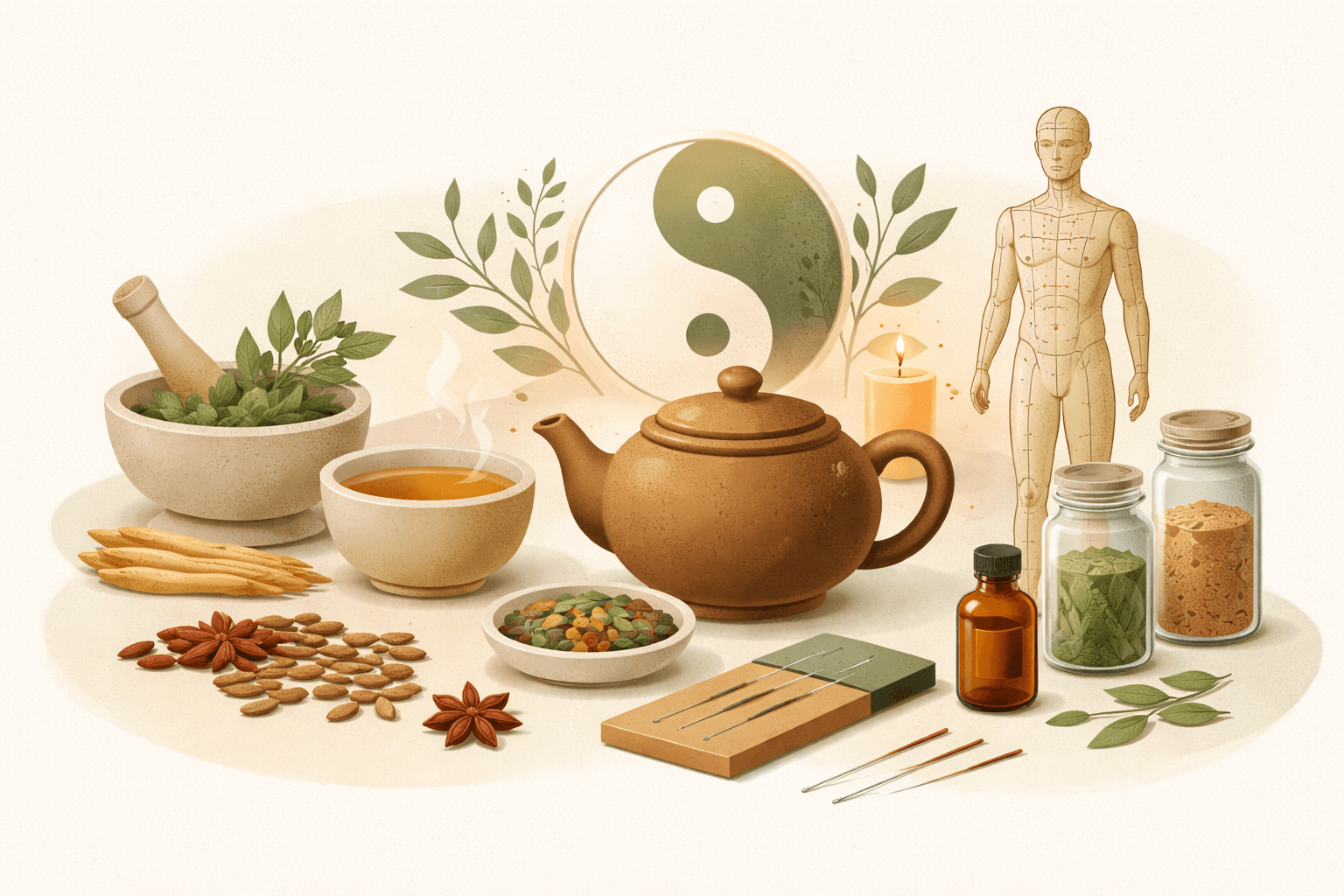
If you’re asking “what is traditional Chinese medicine,” you’re likely curious how this centuries‑old system fits alongside modern healthcare. Traditional Chinese Medicine (TCM) is a holistic framework that includes acupuncture, herbal medicine, cupping, moxibustion, tui na bodywork, and dietary therapy. It’s used worldwide for issues like chronic pain, stress, digestive concerns, and fertility support. Research suggests some modalities—especially acupuncture—have moderate evidence for certain conditions, while evidence for others is emerging or mainly traditional.
What Is Traditional Chinese Medicine (TCM)?
TCM is a healthcare system that developed over thousands of years in China, rooted in observation of the body, environment, and patterns of imbalance. It offers a diagnostic language (e.g., “heat,” “cold,” “deficiency,” “stagnation”) and treatments aimed at restoring balance rather than only suppressing symptoms. Today, TCM is practiced globally by licensed acupuncturists and integrative physicians, and it’s increasingly used alongside conventional care.
Non‑pharmacologic options for pain, stress, or sleep
Support during complex care (e.g., alongside physical therapy or oncology care)
Core Principles of TCM: Qi, Yin‑Yang, Meridians, and the Five Elements
Understanding these ideas can help bridge TCM with Western concepts:
Qi: Often translated as “vital energy,” qi describes the functional activity of organs and systems—how blood circulates, digestion proceeds, and immunity responds. From a modern lens, you might compare it to physiologic processes rather than a single measurable substance.
Yin and Yang: Complementary forces describing balance—rest/activity, cool/warm, nourishment/consumption. Health reflects dynamic balance; illness can reflect excess, deficiency, or stagnation.
Meridians (Channels): Pathways through which qi is said to flow. Acupuncture points live on these meridians. Biomedically, research suggests acupuncture can influence nerves, connective tissue, microcirculation, and brain networks that modulate pain and autonomic balance.
Five Elements (Wood, Fire, Earth, Metal, Water): A framework for understanding organ relationships, cycles, and how external factors (seasons, diet, emotions) influence health. Clinically, it guides pattern‑based diagnosis and individualized treatment plans.
Main TCM Modalities Explained
TCM is not a single therapy—it’s a toolkit. Here’s how the major modalities are used, what they aim to do, and what research says.
Acupuncture
What it is: Insertion of very thin, sterile needles at specific points to influence pain, stress, digestion, sleep, and more.
How it might work: Studies indicate acupuncture can stimulate A‑delta and C fibers, releasing endogenous opioids (endorphins), adenosine, and other neuromodulators; modulate descending pain‑inhibitory pathways; and shift autonomic tone toward parasympathetic (rest‑and‑digest) activity.
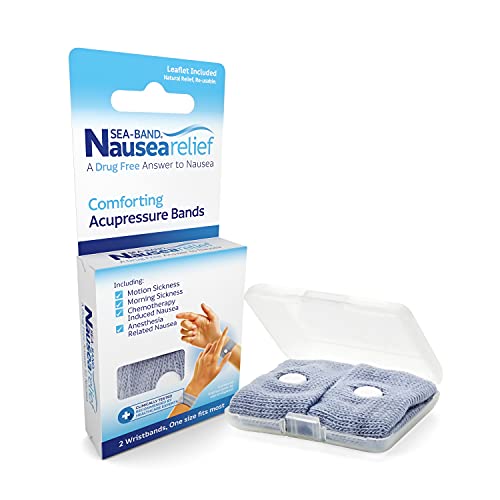
What the research says (evidence: moderate to strong depending on condition): Large analyses suggest acupuncture provides clinical benefit for chronic musculoskeletal pain, osteoarthritis of the knee, tension headache, and migraine prevention compared with usual care and sham. Effects are generally modest to moderate and appear durable for some conditions. For nausea (e.g., postoperative or pregnancy‑related), stimulating P6 (Neiguan) via acupuncture or acupressure shows benefit in several trials.
Safety: When performed by a licensed practitioner using single‑use sterile needles, serious adverse events are rare. Minor bruising or temporary soreness can occur.
What it is: Formulas combining multiple herbs tailored to a TCM pattern (e.g., “Qi deficiency with dampness”). Forms include decoctions (teas), granules, capsules, and topical preparations.
How it might work: Multi‑herb formulas can contain hundreds of compounds that act on digestive enzymes, inflammatory pathways (e.g., NF‑kB), and metabolic regulators (e.g., some berberine‑containing herbs activate AMPK). Synergy and dose balancing are central to traditional formulation.
What the research says (evidence: emerging to moderate, formula‑specific): Some randomized trials support certain formulas for functional GI symptoms, allergic rhinitis, or menopausal complaints, but results are mixed and many studies have risk‑of‑bias concerns. Systematic reviews often conclude “insufficient or low‑certainty evidence” due to small sample sizes, heterogeneity, and variable quality control.
Safety: Interactions and quality control are key issues. See the Safety section below and our guides to herbal medicine and Chinese herbs for details.
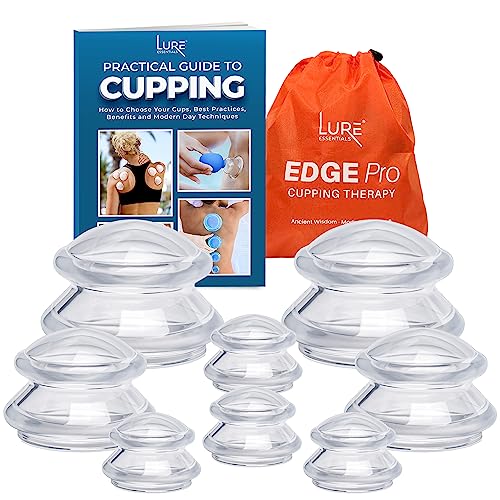
What it is: Suction cups placed on the skin to increase local circulation and relieve myofascial tension. Often leaves temporary circular marks.
Evidence (emerging): Small trials and reviews suggest short‑term relief for neck and low‑back pain and possible improved range of motion. Study quality varies; effects may be similar to massage or myofascial release.
Safety: Temporary bruising is common. Burns are possible with fire cupping if not done correctly.
What it is: Burning moxa (usually Artemisia vulgaris, or mugwort) near or on acupuncture points to provide gentle heat and move qi and blood.
Evidence (emerging to moderate, indication‑specific): Some trials suggest moxibustion may help with breech presentation when used at BL67 under professional guidance, but findings are mixed and study quality varies. For pain and digestive issues, evidence is preliminary.
Safety: Use in well‑ventilated spaces; avoid skin burns. Smokeless options exist.
Tui Na (Chinese Medical Massage)
What it is: Manual therapy involving rolling, kneading, stretching, and acupressure along channels and points.
Evidence (emerging to moderate): Some studies show benefits similar to other manual therapies for musculoskeletal pain and stiffness. Practitioner skill and patient preference matter.
Safety: Generally safe; temporary soreness can occur.
Dietary Therapy
What it is: Using food energetics (warming/cooling, moistening/drying) to support patterns, alongside conventional nutrition principles.
Evidence (emerging): Few rigorous trials isolate TCM dietary principles, but aligning diet with symptom patterns (e.g., lighter, cooked foods for weak digestion) is common in practice. Integrative clinicians often merge TCM dietary therapy with evidence‑based nutrition.
Safety: Ensure adequate nutrients; avoid unnecessary restriction. Seek guidance for chronic conditions, pregnancy, or special diets.
Women’s health: menstrual discomfort, menopausal symptoms, fertility support
Allergies and sinus issues
Fatigue and general wellness
Populations include athletes looking for recovery tools, older adults aiming to reduce medication burden, and individuals who prefer holistic or culturally familiar care.
Acupuncture (evidence: moderate to strong, condition‑dependent): Multiple randomized trials and meta‑analyses suggest modest to moderate benefits over sham and usual care for chronic pain, knee osteoarthritis, tension headaches, and migraine prevention. Benefits for postoperative and pregnancy‑related nausea via P6 stimulation are supported by several trials. Not all conditions show clear benefit; protocol quality varies.
Chinese herbal medicine (evidence: emerging to moderate, formula‑specific): Many studies originate from East Asia with varying quality control and blinding. Some formulas show promise for allergic rhinitis, functional GI disorders, or menopausal symptoms, but high‑quality, replicated RCTs remain limited. Standardization, herb authentication, and safety monitoring are ongoing challenges.
Cupping, moxibustion, and tui na (evidence: emerging): Trends point to short‑term relief for musculoskeletal pain and stiffness with cupping and tui na. Moxibustion research is mixed and indication‑specific. Larger, well‑controlled trials are needed.
Mechanisms: Research indicates acupuncture influences peripheral nerves, spinal modulation, endogenous opioid release, autonomic balance, and brain networks. Herbal formulas may act via multi‑target pathways affecting inflammation, metabolism, and the microbiome. These plausible mechanisms support clinical observations but don’t replace the need for rigorous trials.
How to interpret this: For some problems—especially chronic pain—acupuncture is supported by moderate to strong evidence. For herbs and other modalities, evidence is more mixed or emerging. Traditional use guides practice, but modern research is still catching up.
Safety, Interactions, and Regulation
All healthcare—conventional or traditional—has benefits and risks. In TCM, safety depends on practitioner training, clean technique, and quality sourcing.
Acupuncture safety: Minor bleeding, bruising, or transient dizziness can occur. Serious events (e.g., pneumothorax) are rare when performed by licensed practitioners using sterile, single‑use needles and proper depth/angle.
Herbal medicine safety and interactions:
Quality control: Risks include contamination (heavy metals, pesticides), adulteration, or substitution. Choose suppliers that use third‑party testing and follow cGMP standards.
Drug interactions: Examples include potential interactions with anticoagulants (e.g., danshen/Salvia miltiorrhiza or goji with warfarin), blood pressure or diuretic meds (e.g., licorice can raise blood pressure and lower potassium), and stimulants (e.g., ma huang/ephedra—now restricted or banned in many countries). Always disclose all herbs and supplements to your clinician.
Special populations: Pregnancy, breastfeeding, liver or kidney disease, autoimmune disorders, and children require extra caution and professional oversight.
Regulation:
United States: Most states license acupuncturists (L.Ac.) and recognize national board certification (NCCAOM). Some hold doctoral degrees (DACM/DAOM). The FDA regulates needles as medical devices and oversees herbs as dietary supplements (which do not require pre‑market approval for efficacy). Herbs are not FDA‑approved to diagnose, treat, or prevent disease.
Other regions: Titles and standards vary (e.g., “registered acupuncturist”). Verify local regulations and credentials.
Red flags—seek conventional medical care promptly for chest pain, severe shortness of breath, one‑sided weakness or facial droop, severe abdominal pain, high fever, or rapidly worsening symptoms.
How to Find and Evaluate a TCM Practitioner
Verify credentials: In the U.S., look for L.Ac. or DAOM/DACM and NCCAOM certification. In other countries, check national/regional registries.
Ask about training and scope: Years in practice, specialties (e.g., pain, fertility), and whether they prescribe herbs.
Herb sourcing and safety: Ask how they source herbs, whether products are third‑party tested, and how they screen for interactions.
Communication with your care team: Good practitioners welcome collaboration with your primary clinician, especially when you take medications or have chronic conditions.
What to expect at a visit: A 60–90 minute initial intake covering health history, medications, diet, sleep, stress, and TCM diagnostics (tongue/pulse). Treatment may include acupuncture, cupping, or tui na. For herbal therapy, you may receive a tailored formula. Many plans suggest weekly sessions for 4–6 weeks, then reassessment.
Costs and coverage: Insurance coverage for acupuncture is growing but varies by plan and indication; herbal products are typically out‑of‑pocket.
What is traditional Chinese medicine? A holistic system using acupuncture, herbal formulas, bodywork, heat therapy, cupping, and diet to restore balance based on pattern diagnosis.
Evidence snapshot: Acupuncture has moderate to strong evidence for several pain conditions and some types of nausea. Evidence for herbal formulas, cupping, moxibustion, and tui na is emerging to moderate, varying by condition and study quality.
Safety first: Choose licensed practitioners, ensure clean needling, and use verified herb suppliers. Disclose all medications and supplements to prevent interactions.
Integration works: TCM is often most helpful as part of a broader plan that includes conventional diagnosis, physical therapy, mental health support, and healthy lifestyle changes.
Individualized care: Expect treatments tailored to your pattern and goals; reassess if you don’t see movement after several sessions.
FAQs
Does acupuncture hurt? Most people feel a brief prick or dull ache followed by relaxation or heaviness at the point. Soreness can occur but usually resolves quickly.
Is TCM evidence‑based? Some aspects are—particularly acupuncture for certain pain conditions. For many herbal formulas and adjunct therapies, evidence is mixed or emerging. Traditional use provides guidance, but more high‑quality research is needed.
How long until I see results? For pain or stress, some notice change after 1–3 sessions; many plans reassess after 4–6. Chronic, complex issues may require longer.
Can I use TCM with my medications? Often yes, especially acupuncture. For herbs, always check for interactions with your clinician and TCM practitioner.
Is TCM safe in pregnancy? Acupuncture can be used with trained practitioners who avoid contraindicated points; certain herbs are contraindicated. Always consult your obstetric provider.
This article is for educational purposes only and is not a substitute for professional medical advice, diagnosis, or treatment. Always speak with a qualified healthcare provider about your specific health needs, medications, and the suitability of TCM therapies for you.
This content is for informational purposes only and does not constitute medical advice. Always consult a qualified healthcare provider before starting, stopping, or changing any supplement or medication regimen.
Traditional Chinese Medicine (TCM) Practices: Acupuncture, Herbs, Cupping, Moxibustion, and the Evidence. Many people are curious about traditional Chinese medicine practices—what they are, how they work, and what the evidence says. If you’re weighing acupuncture, herbs, cupping, moxibustion, tui na, dietary therapy, or qigong, this guide walks through core principles, common uses, safety, and how to in
Traditional Chinese Medicine. . ## Traditional Chinese Medicine (TCM): Overview
**Traditional Chinese Medicine (TCM)** is a broad medical system that developed over thousands of years in China and East Asia. Rather than focusing only on isolated symptoms or organ pathology, TCM traditionally interprets health as a dynamic state o
Traditional Chinese Medicine Diet. TCM diet, Chinese medicine diet, Traditional Chinese dietary therapy. ## Overview
**Traditional Chinese Medicine (TCM) diet** is a food framework rooted in the broader principles of Traditional Chinese Medicine, a medical system that developed over centuries in China and East Asia. Rather than focusing only on calories, macronutrients, or isolated nutrients, TCM diet
If you’re curious about Chinese herbs—what they are, how they’re used, and what modern research actually says—you’re not alone. Chinese herbs are a central pillar of Traditional Chinese Medicine (TCM)
Combining Eastern and Western Health Practices: An Evidence‑Based Guide to Integrative Care. If you’re curious about combining Eastern and Western health practices, you’re not alone. Many people want the diagnostic clarity of conventional medicine alongside the whole-person focus of Traditional Chinese Medicine (TCM), Ayurveda, yoga, mindfulness, and other mind–body tools. This guide walks
If you’re curious about alternative medicine—what it includes, whether it works, and how to use it safely—you’re not alone. Alternative medicine spans traditions like acupuncture, Ayurveda, and herbal