Combining Eastern and Western Health Practices: An Evidence‑Based Guide to Integrative Care
A practical, evidence‑based guide to combining Eastern and Western health practices—what works, safety must‑knows, and how to build a coordinated plan.
·10 min read
This content is for informational purposes only and does not constitute medical advice. Always consult a qualified healthcare provider before starting, stopping, or changing any supplement or medication regimen.
If you’re curious about combining Eastern and Western health practices, you’re not alone. Many people want the diagnostic clarity of conventional medicine alongside the whole-person focus of Traditional Chinese Medicine (TCM), Ayurveda, yoga, mindfulness, and other mind–body tools. This guide walks you through what each system brings, what research suggests about commonly paired therapies, how to keep safety front and center, and practical steps to build an integrative care plan.
Eastern and Western Health Paradigms: Complementary Strengths
Western biomedicine excels at identifying and treating disease using diagnostics (labs, imaging), pharmaceuticals, and surgery. Eastern systems such as TCM and Ayurveda emphasize pattern recognition, balance, prevention, and the interplay of mind, body, and environment. Both view health through different lenses—and when used thoughtfully, they can be synergistic.
Limitations: variable standardization, less high-quality clinical data for some modalities, potential safety concerns with certain botanicals if not sourced carefully
For a deeper dive on how these paradigms compare, see Eastern vs Western Medicine: Key Differences in Philosophy, Diagnosis, Evidence, and When to Use Each (/articles/eastern-vs-western-medicine-approaches) and What Is Traditional Chinese Medicine? An Evidence-Based Overview (/articles/what-is-traditional-chinese-medicine-evidence-based-overview).
How they combine in practice
Prevention and wellness: nutrition, movement, sleep, stress reduction (mindfulness, tai chi, yoga) layered with evidence-based screening tests and vaccinations
Chronic care: acupuncture, manual therapies, botanicals, and mind–body practices alongside medications, physical therapy, and behavioral health care
Acute treatment: conventional emergency and surgical care with adjunctive measures (e.g., acupressure for nausea, breathing exercises for anxiety) when safe
What the Research Says About Combining Modalities
Research on integrative approaches ranges from strong to emerging. Below are common pairings, typical use cases, and an evidence snapshot.
Pain and musculoskeletal conditions
Acupuncture with usual medical care
What studies indicate: Individual patient data meta-analyses show acupuncture provides clinically meaningful pain reductions vs. sham and usual care for chronic low back pain, neck pain, osteoarthritis, headache, and shoulder pain.
Evidence level: strong for several chronic pain conditions; moderate for others
Notes: Benefits often accumulate over a series (e.g., 6–12 sessions). Quality of needling technique and patient expectation may influence outcomes.
Yoga or tai chi with physical therapy/medications
What studies indicate: Guidelines support yoga or tai chi for chronic low back pain and knee osteoarthritis; tai chi can improve balance and reduce falls in older adults.
Evidence level: moderate
Notes: Start with gentle, instructor-led classes; modify for osteoporosis or joint instability.
Mental health and stress-related conditions
Mindfulness-based programs (e.g., MBSR) with psychotherapy/medications
What studies indicate: Meta-analyses show small-to-moderate improvements in anxiety, depression, and stress; mindfulness can support relapse prevention in recurrent depression.
Evidence level: moderate (strong for relapse prevention in recurrent depression when delivered as MBCT)
Notes: Consistent practice matters (10–20 minutes/day). Many people find a guided tool like a Meditation App Subscription helpful for building a routine.
Breathing practices (pranayama), yoga nidra, and biofeedback
What studies indicate: Improvements in autonomic balance (heart rate variability), perceived stress, and sleep quality; often used adjunctively.
Evidence level: emerging to moderate, depending on protocol
Nausea, postoperative recovery, and oncology supportive care
Acupuncture/acupressure with antiemetics
What studies indicate: Reduced chemotherapy-induced and postoperative nausea/vomiting when added to standard therapy.
Evidence level: moderate
Ginger as adjunct for nausea
What studies indicate: Modest reductions in pregnancy-related and postoperative nausea at standardized doses in some trials.
Evidence level: moderate
Safety note: May increase bleeding risk at high doses; discuss with your clinician, especially if you use anticoagulants.
Sleep and circadian issues
Cognitive behavioral therapy for insomnia (CBT‑I) with mindfulness or acupuncture
What studies indicate: CBT‑I remains first-line; mindfulness and acupuncture may further improve sleep latency and quality for some.
Evidence level: moderate for CBT‑I; emerging to moderate for adjuncts
Melatonin for jet lag or shift work
What studies indicate: Helps adjust circadian timing for jet lag; effects for chronic insomnia are smaller.
Evidence level: strong for jet lag; moderate for other sleep issues
Metabolic and cardiovascular health
Mediterranean-style diet and exercise with tai chi/qigong or yoga
What studies indicate: Improvements in blood pressure, glycemic control, and quality of life; mind–body practices may enhance adherence and stress resilience.
Evidence level: moderate
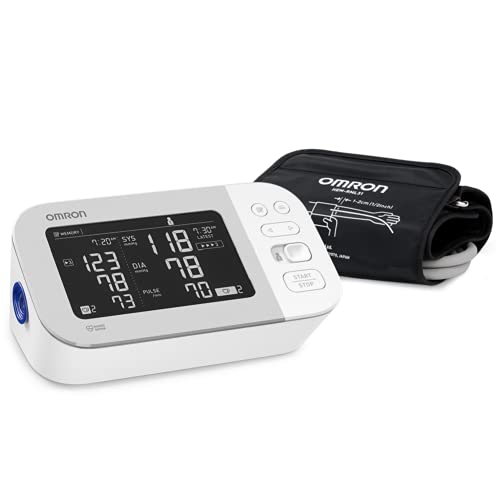
Practical tool: For home tracking, many people find a Home Blood Pressure Monitor helpful for seeing how lifestyle changes affect readings. This is informational, not a diagnostic device.
What studies indicate: Some randomized trials suggest modest improvements in osteoarthritis symptoms vs. placebo; formulations and bioavailability vary widely.
Evidence level: moderate
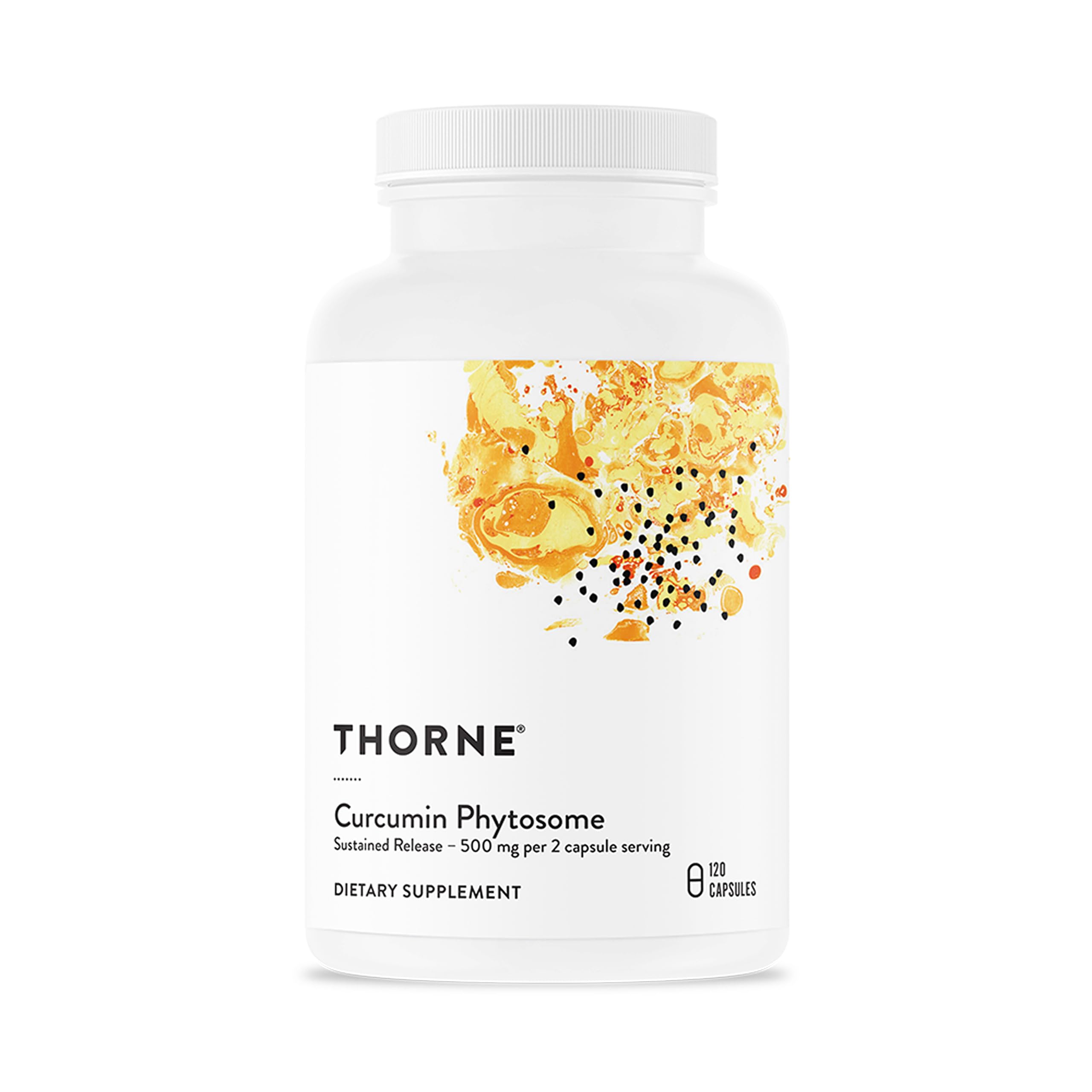
Practical note: Quality matters. Many people consider a Turmeric/Curcumin Supplement that is third‑party tested; discuss interactions and lab monitoring with your clinician.
Ashwagandha (Withania somnifera) for stress
What studies indicate: Emerging evidence points to small-to-moderate reductions in perceived stress and anxiety; dosing and extract standardization vary.
Evidence level: emerging to moderate
Safety: Possible interactions with thyroid conditions and sedatives; avoid in pregnancy unless advised by a clinician.
St. John’s wort for mild-to-moderate depression
What studies indicate: Comparable symptom reductions to some SSRIs in trials of mild-to-moderate depression; not appropriate for severe depression.
Evidence level: moderate to strong for mild-to-moderate depression; safety limits use
Safety: Potent drug interaction profile (induces CYP3A4 and others); can reduce effectiveness of many medications including contraceptives, anticoagulants, and antivirals. Must be supervised by a clinician.
What this means for practice
Start with modalities that have stronger evidence and lower risk.
Integrative combinations often work best when they align with your diagnosis, preferences, and capacity to practice (e.g., time for daily mindfulness or tai chi).
Limits of the Current Evidence
Heterogeneity: Protocols, practitioner skill, and product quality vary.
Blinding challenges: Especially for acupuncture and behavioral practices.
Short follow-up: Many trials last 8–12 weeks; long‑term adherence and safety data are sparse.
Population mismatch: Traditional systems tailor care to individual patterns (e.g., TCM patterns, Ayurvedic constitution), but trials often use one-size-fits-all protocols—potentially underestimating benefits for specific subgroups.
For help interpreting study quality and choosing safe options, see Alternative Medicine Explained: Types, Evidence, Safety & Choosing Care (/articles/alternative-medicine-explained-types-evidence-safety-choosing-care).
Safety, Risks, and Regulation When You Combine Systems
Combining eastern and western health practices can be safe and effective when done thoughtfully. Safety starts with full transparency—every clinician on your team should know all diagnoses, medications, and supplements.
Key safety considerations
Herb–drug interactions
St. John’s wort: lowers levels of many medications (CYP induction)
Ginkgo, garlic, ginseng: may increase bleeding risk with anticoagulants/antiplatelets
Kava: potential liver toxicity; avoid with hepatotoxic drugs
Grapefruit: inhibits CYP3A4, raising levels of certain medications (not an herb, but relevant)
Lithium: interacts with several botanicals and dehydration-prone practices (sauna, hot yoga)
Product quality and contamination
Choose supplements with third‑party testing (USP, NSF, ConsumerLab). Some traditional herbal products have been found to contain heavy metals or adulterants when not sourced carefully.
Standardization matters: Active constituents (e.g., curcuminoids in turmeric, withanolides in ashwagandha) and bioavailability enhancers (e.g., piperine) affect dose and effect.
Learn more in Chinese Herbs: A Practical, Evidence-Based Guide (/articles/chinese-herbs-guide).
Contraindications and special populations
Pregnancy/postpartum: Avoid certain herbs (e.g., high-dose ginger, ashwagandha in some cases) and specific acupuncture points; confirm safety with your obstetric provider.
Bleeding disorders/anticoagulants: Caution with needling, cupping, and herbs that affect clotting.
Implants/electrical devices: Avoid electroacupuncture or TENS over/near pacemakers.
Glaucoma, osteoporosis, or joint instability: Modify yoga inversions and high-load poses; avoid forceful spinal manipulation in osteoporosis.
Immunocompromised: Extra caution with infection risk from needling and non-sterile products.
Practitioner qualifications and regulation (U.S. context varies by state)
Acupuncturists: Typically L.Ac. with NCCAOM certification; state licensure required in most states.
Integrative MD/DO: Some hold ABOIM certification; check scope and board status.
Naturopathic doctors (ND/NMD): Licensed in select states; scope varies widely.
Herbalists/Ayurvedic practitioners: Often unlicensed; vet training, references, and safety practices.
Always verify licensure, malpractice coverage, and infection-control protocols.
Legal and ethical considerations
Informed consent for integrative plans; document risks, benefits, alternatives.
Avoid replacing effective conventional treatments for serious disease without close medical oversight.
Be mindful of conflicts of interest when a clinic sells products.
Protect privacy when coordinating care across teams.
Red flags that require immediate conventional medical care
Chest pain, severe shortness of breath, or one-sided weakness/facial droop
High fever with confusion, stiff neck, or rapidly worsening symptoms
Severe abdominal pain, black or bloody stools, or vomiting blood
Suicidal thoughts, hallucinations, or acute confusion
Signs of anaphylaxis (hives, swelling, wheezing) or sepsis (fever, fast heart rate, low blood pressure)
Practical, Patient-Centered Integration: How to Get Started
Combining Eastern and Western health practices works best within a coordinated, patient-centered plan.
Clarify your goals and baseline
Define 1–2 priority outcomes (e.g., “reduce migraine days,” “sleep through the night 5 times/week,” “walk 30 minutes pain‑free”).
Track baseline metrics (pain scale, PHQ‑9/GAD‑7 for mood, step count, blood pressure, A1c). Simple tools help; many people find a Home Blood Pressure Monitor useful for self‑tracking between visits.
Build a collaborative team
Core members may include a primary care clinician, relevant specialists, an acupuncturist, a physical therapist, a psychotherapist, and, when appropriate, an herbalist or Ayurvedic practitioner.
Seek practitioners open to collaboration and documentation. If you need help, see How to Find a Holistic Practitioner Near You: A Practical Guide to Modalities, Credentials, and What to Ask (/articles/find-a-holistic-practitioner-near-you).
Share a complete medication and supplement list
Bring product labels or photos. Include dose, brand, and schedule. Update this list at every visit.
Co-create a care plan
Prioritize options with stronger evidence and lower risk (e.g., acupuncture for low back pain, MBSR for stress/anxiety). Add or remove elements gradually to identify what helps.
Decide how many sessions and for how long before reassessment (e.g., 6–8 weeks for yoga + PT + medication adjustments for back pain).
Monitor outcomes and safety
Use validated scales and simple at‑home tracking. Document changes in sleep, pain, mood, function, and side effects. Note the exact supplement product to aid in quality/safety review.
Build routines: meal timing, movement snacks, sleep hygiene, and social support.
Insurance and access
Coverage for integrative services is variable. Some insurers and Medicare now cover acupuncture for chronic low back pain; many mind–body programs are available through community centers or telehealth.
Know when to pause or pivot
If a therapy causes side effects, conflicts with medications, or fails to move your key outcomes after a fair trial, reassess with your team.
Priority Research Gaps to Improve Safe Integration
Large, pragmatic trials of multi‑modal integrative care pathways versus usual care
Better standardization and third‑party verification for herbal products; head‑to‑head comparisons of formulations and doses
Trials that incorporate traditional diagnostic frameworks (e.g., TCM pattern differentiation, Ayurvedic doshas) to test personalized matches
Interaction studies: herb–drug, herb–herb, and herb–nutrient combinations
Long‑term safety registries and real‑world outcomes for acupuncture and mind–body programs
Practical Takeaways
Combining eastern and western health practices can pair the strengths of both systems—use conventional diagnostics and emergency care while leveraging mind–body tools, nutrition, movement, and select botanicals for prevention and chronic symptom relief.
Choose first-line options with stronger evidence and low risk (e.g., acupuncture for chronic pain, mindfulness for stress and mood, tai chi/yoga for balance and back pain).
Keep safety central: disclose all supplements, verify practitioner credentials, choose third‑party tested products, and watch for herb–drug interactions.
Make it measurable: set goals, track outcomes, and meet regularly with a coordinated team to adjust the plan.
This overview is educational and not a substitute for medical advice. For personalized guidance, consult your licensed healthcare professionals. If symptoms are severe or rapidly worsening, seek urgent medical care.
This content is for informational purposes only and does not constitute medical advice. Always consult a qualified healthcare provider before starting, stopping, or changing any supplement or medication regimen.
Eastern Approaches to Mental Wellness: TCM, Ayurveda, Mind‑Body Practices, and Evidence‑Based Strategies. If you’re exploring eastern approaches to mental wellness, you might be wondering how traditions like Traditional Chinese Medicine (TCM), Ayurveda, mindfulness, qigong, and yoga can help with stress, anxiety, mood, and clarity—especially alongside therapy or medication. Research suggests many of the
Eastern vs Western Medicine: Key Differences in Philosophy, Diagnosis, Evidence, and When to Use Each. If you’ve ever wondered how to choose between acupuncture and ibuprofen, or herbs and prescription drugs, you’re already asking the core question behind eastern vs western medicine. People seek clarity on which system works best, when to use each, and how to combine them safely. This guide compares
Integrative Medicine. Integrative Health, Integrated Medicine, Intergrative. ## Overview
**Integrative medicine** is a patient-centered approach to health care that combines **conventional medical care** with **evidence-informed complementary practices** such as nutrition counseling, mind-body medicine, acupuncture, yoga, meditation, massage, and selected botanical or tradi
Traditional Chinese Medicine (TCM) Practices: Acupuncture, Herbs, Cupping, Moxibustion, and the Evidence. Many people are curious about traditional Chinese medicine practices—what they are, how they work, and what the evidence says. If you’re weighing acupuncture, herbs, cupping, moxibustion, tui na, dietary therapy, or qigong, this guide walks through core principles, common uses, safety, and how to in
Eastern Wellness Practices for Relaxation: An Evidence‑Based Guide to Yoga, Meditation, Acupuncture, Ayurveda, Tai Chi & Qigong. If stress is running the show, you may be wondering which eastern wellness practices for relaxation are worth your time. Yoga, meditation, acupuncture, Ayurveda, tai chi, and qigong offer time‑tested ways to calm the nervous system. Research suggests many of these practices can reduce perceived stre
What Is Traditional Chinese Medicine? An Evidence-Based Overview. If you’re asking “what is traditional Chinese medicine,” you’re likely curious how this centuries‑old system fits alongside modern healthcare. Traditional Chinese Medicine (TCM) is a holistic framework that includes acupuncture, herbal medicine, cupping, moxibustion, tui na bodywork, and dietary the