

Integrative Medicine
Also known as: Integrative Health, Integrated Medicine, Intergrative
Overview
Integrative medicine is a patient-centered approach to health care that combines conventional medical care with evidence-informed complementary practices such as nutrition counseling, mind-body medicine, acupuncture, yoga, meditation, massage, and selected botanical or traditional therapies. Rather than treating alternative and conventional systems as mutually exclusive, integrative medicine aims to bring together the most appropriate tools from each, with attention to the whole person—including physical symptoms, mental health, lifestyle, social context, and, in some models, spiritual well-being. The field is often associated with prevention, resilience, quality of life, and support for people living with chronic or complex conditions.
In contemporary clinical settings, integrative medicine commonly appears in academic medical centers, cancer centers, pain clinics, primary care programs, and rehabilitation settings. Its growth reflects several broader trends: rising interest in non-pharmacologic symptom management, increased attention to chronic disease burden, concern about polypharmacy and opioid exposure, and public demand for more individualized, relationship-based care. Research suggests that many patients already use some form of complementary health practice alongside standard care, often for stress, pain, sleep disturbances, digestive concerns, and treatment-related symptoms.
A central principle of integrative medicine is that combining therapies is not the same as combining them uncritically. In established programs, therapies are typically selected based on safety, plausibility, patient preferences, cultural background, and the available evidence for a particular condition or symptom. Some interventions—such as mindfulness-based stress reduction for stress-related symptoms, acupuncture for certain pain conditions, and exercise or yoga for function and well-being—have been studied extensively. Others remain experimental, inconsistently supported, or rooted primarily in traditional use.
Because integrative medicine spans many modalities, its quality and rigor can vary considerably. Important issues include supplement-drug interactions, differences in practitioner training and licensure, variation in herbal product quality, and the need to avoid delaying diagnosis or treatment of serious disease. For these reasons, integrative care is generally framed as collaborative and coordinated, with appropriate communication among physicians, allied health professionals, and qualified complementary medicine practitioners.
Medical Perspectives
Two Ways of Seeing Health

Western
scientific · clinical
Western medicine applies science, technology, and clinical experience to treat symptoms through testing, diagnosis, and targeted intervention.

Eastern
traditional · alternative
Eastern medicine focuses on treating the body naturally by applying traditional knowledge practiced for thousands of years, emphasizing balance and whole-person wellness.
Gold Bamboo presents both perspectives side-by-side so you can make informed decisions. We don't advocate for one over the other — your health choices are yours.
Western Medicine Perspective
Western Medicine Perspective
From a conventional medicine standpoint, integrative medicine is best understood as an interdisciplinary model of care that incorporates complementary therapies when there is reasonable evidence of benefit and acceptable safety. Western clinicians often distinguish integrative medicine from alternative medicine: integrative care adds supportive modalities to standard treatment, whereas alternative care replaces standard treatment. Mainstream medical organizations and academic centers generally emphasize this distinction, especially in serious conditions such as cancer, cardiovascular disease, infections, and autoimmune disorders where delaying evidence-based treatment can carry significant risk.
In practice, western integrative medicine often focuses on symptom relief, functional improvement, and prevention. Common areas of application include chronic pain, anxiety, insomnia, fatigue, irritable bowel syndrome, headache disorders, survivorship care, and stress-related conditions. Interventions may include nutrition and lifestyle medicine, psychotherapy and behavioral medicine, physical activity, sleep optimization, mindfulness training, acupuncture, and selected manual therapies. Research indicates that some of these approaches may reduce symptom burden, improve coping, and enhance quality of life, particularly when integrated into standard care pathways rather than used in isolation.
Western evaluation of integrative medicine relies on clinical trials, systematic reviews, safety monitoring, and guideline development, though this can be challenging because many integrative interventions are individualized and difficult to standardize. Evidence is strongest for certain targeted uses of specific modalities, not for integrative medicine as a single uniform package. Conventional concerns commonly include heterogeneity of treatment protocols, placebo and expectation effects, publication bias, inconsistent regulatory oversight of supplements, and the potential for unverified claims. As a result, western medicine tends to support an evidence-stratified approach, where each therapy is assessed according to the condition being addressed, the magnitude of likely benefit, and possible harms.
Eastern & Traditional Perspective
Eastern/Traditional Medicine Perspective
Traditional medical systems such as Traditional Chinese Medicine (TCM) and Ayurveda have long approached healing through a whole-systems framework, making them natural partners in many integrative medicine models. In these traditions, health is often understood as a dynamic balance within the body and between the individual and the environment. Illness may be viewed not only as a localized pathology but also as a disturbance in broader patterns of function, energy, digestion, circulation, stress adaptation, or constitutional balance. This orientation aligns with integrative medicine’s interest in personalization, prevention, and addressing root contributors alongside symptoms.
In TCM, care may involve pattern differentiation and the use of acupuncture, moxibustion, tai chi, qigong, dietary therapy, and herbal formulas. These methods have traditionally been used to support pain management, emotional regulation, digestion, sleep, and recovery. In Ayurveda, clinicians may emphasize constitution, digestive strength, daily routines, breath practices, meditation, yoga, botanical preparations, and seasonal or lifestyle adjustments. Naturopathic and other traditional or holistic systems similarly focus on supporting the body's self-regulatory capacity through nutrition, stress reduction, physical medicine, and natural therapeutics.
From an eastern and traditional perspective, integrative medicine is often valued because it allows biomedical diagnosis and acute care to coexist with longstanding healing traditions that emphasize restoration of balance, patient participation, and therapeutic relationship. At the same time, traditional systems are not uniform, and their concepts do not always map neatly onto biomedical categories. Modern integrative programs therefore often translate traditional practices into symptom-based or functional goals that can be studied more easily in clinical research.
A recurring challenge is that traditional systems are complex, individualized, and context-dependent, while modern research often evaluates isolated techniques rather than the full traditional model. This means the evidence base may underrepresent how these systems are historically practiced. Even so, many traditional therapies are increasingly being examined through contemporary research methods, and some—especially acupuncture, meditation, yoga, and tai chi—have become common bridges between eastern traditions and conventional clinical care.
Supplements & Products
Recommended Products
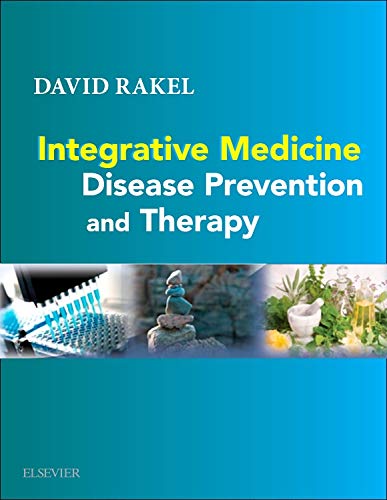
Integrative Medicine
Written by physicians who are experts ... Medicine, 5th Edition, <strong>uses a clinical, disease-oriented approach to safely and effectively incorporate alternative therapies into primary care practi

Nordic Naturals Ultimate Omega, Lemon Flavor - 90 Soft Gels - 1280 mg Omega-3 - High-Potency Omega-3 Fish Oil Supplement with EPA & DHA - Promotes Brain & Heart Health - Non-GMO - 45 Servings
Buy Nordic Naturals Ultimate Omega, Lemon Flavor - 90 Soft Gels - 1280 mg Omega-3 - High-Potency Omega-3 Fish Oil Supplement with EPA & DHA - Promotes Brain & Heart Health - Non-GMO - 45 Servi

Manduka PRO Yoga Mat – Premium 6mm Thick Mat, High Performance Grip, Ultra Dense Cushioning for Support and Stability in Yoga, Pilates, Gym and Any General Fitness
Amazon.com : Manduka PRO Yoga Mat – Premium 6mm Thick Mat, High Performance Grip, <strong>Ultra Dense Cushioning for Support and Stability in Yoga, Pilates, Gym and Any General Fitness</strong> : Spor
Evidence & Sources
Promising research with growing clinical support from multiple studies
- National Center for Complementary and Integrative Health (NCCIH)
- Academic Consortium for Integrative Medicine & Health
- JAMA
- BMJ
- Annals of Internal Medicine
- CA: A Cancer Journal for Clinicians
- Cochrane Reviews
- World Health Organization (WHO)
This content is for informational purposes only and does not constitute medical advice. Always consult a qualified healthcare provider before starting, stopping, or changing any supplement or medication regimen.