Eastern Approaches to Mental Wellness: TCM, Ayurveda, Mind‑Body Practices, and Evidence‑Based Strategies
A balanced guide to eastern approaches to mental wellness—TCM, Ayurveda, meditation, qigong, herbs—evidence, safety, and how to integrate with Western care.
·10 min read
This content is for informational purposes only and does not constitute medical advice. Always consult a qualified healthcare provider before starting, stopping, or changing any supplement or medication regimen.
If you’re exploring eastern approaches to mental wellness, you might be wondering how traditions like Traditional Chinese Medicine (TCM), Ayurveda, mindfulness, qigong, and yoga can help with stress, anxiety, mood, and clarity—especially alongside therapy or medication. Research suggests many of these practices can complement Western care by regulating the nervous system, improving sleep, and supporting emotional balance, while honoring centuries of lived experience.
Eastern approaches to mental wellness: core philosophies and frameworks
Eastern medical systems approach mental wellness holistically—mind and body are inseparable, and context (diet, season, relationships, environment) matters.
Buddhism (mindfulness, non‑attachment): Emotional suffering arises partly from clinging to thoughts, feelings, and outcomes. Mindfulness cultivates non‑judgmental awareness, compassion, and equanimity, which can reduce reactivity and rumination. Practices include breath awareness, loving‑kindness (metta), and insight (vipassana) meditation.
Taoism (balance, wu‑wei): Health comes from living in harmony with natural rhythms. Wu‑wei (effortless action) encourages responsive, not forced, effort. In TCM—rooted in Taoist principles—mental distress may reflect disrupted Qi (vital energy) flow or yin‑yang imbalance.
Ayurveda (dosha‑based mind–body types): Three doshas—Vata (air/space), Pitta (fire/water), Kapha (earth/water)—describe tendencies in body and mind. Imbalances can present as anxiety (aggravated Vata), irritability or burnout (excess Pitta), or lethargy and low mood (elevated Kapha). Routine, diet, breathwork, and herbs aim to restore balance.
Traditional Chinese Medicine (Qi, organ–emotion theory): Emotions are linked with organ systems—Liver (anger/frustration), Heart (joy/spirit), Spleen (worry/rumination), Lung (grief), Kidney (fear). Excess or stagnation in these systems can manifest as anxiety, insomnia, or mood swings. Interventions include acupuncture, acupressure, herbal formulas, qigong, tai chi, and food therapy.
These frameworks don’t replace diagnostic categories like anxiety disorders or depression; rather, they offer pattern‑based maps that can guide personalized, non‑pharmaceutical supports.
Signature practices and what they target
Meditation and mindfulness
Practices: Breath awareness, body scan, loving‑kindness, mantra, Zen, and mindfulness‑based programs.
Targets: Stress reduction, attention and cognitive flexibility, emotion regulation, relapse prevention for depression, and resilience after adversity.
Mechanisms proposed: Changes in brain networks (e.g., quieter default mode network), amygdala reactivity reduction, improved prefrontal control, and increased heart‑rate variability (HRV). For a deeper dive on brain changes, see Meditation and the Brain: What Neuroimaging Reveals About Stress and Mood (/articles/meditation-brain-neuroimaging-stress-mood).
Yoga and pranayama (yogic breathing)
Practices: Hatha, Iyengar, restorative/yin, yoga nidra, and breath practices like diaphragmatic breathing, box breathing, alternate‑nostril (nadi shodhana), and ujjayi.
Targets: Anxiety and stress, sleep, body awareness, trauma recovery (when trauma‑sensitive), and mood support.
Mechanisms proposed: Vagal activation and improved autonomic balance, reduced HPA‑axis hyperarousal, anti‑inflammatory effects from movement and breathing.
Qigong and tai chi
Practices: Slow, rhythmic movement with coordinated breathing and focused attention; standing meditation.
Targets: Stress relief, mood stabilization, sleep, and gentle exercise for those with pain or fatigue.
Mechanisms proposed: Autonomic regulation, improved proprioception, balance, and mindful movement that lowers sympathetic tone. For relaxation‑focused options across traditions, see Eastern Wellness Practices for Relaxation: An Evidence‑Based Guide to Yoga, Meditation, Acupuncture, Ayurveda, Tai Chi & Qigong (/articles/eastern-wellness-practices-for-relaxation).
Acupuncture and acupressure
Practices: Needling specific points, ear (auricular) protocols, and self‑acupressure.
Targets: Anxiety, insomnia, stress, and adjunctive support in depression management.
Mechanisms proposed: Modulation of limbic activity, endogenous opioid and endocannabinoid release, and autonomic recalibration. Evidence and use cases are summarized in Stress and Acupuncture (/relates/stress-and-acupuncture).
TCM: Suan Zao Ren (Ziziphus), He Huan Pi (Albizia), Gan Mai Da Zao Tang ("Nourish the Heart" formula), Xiao Yao San ("Free and Easy Wanderer").
Targets: Calming the mind (shen), supporting sleep, easing anxious tension, improving cognitive clarity.
Mechanisms proposed: GABAergic modulation, antioxidant and anti‑inflammatory effects, HPA‑axis buffering, serotonergic influence. For guidance on evidence, dosing, and safety, see Herbal Treatments for Anxiety Relief: Evidence‑Based Herbs, Dosage, and Safety (/articles/herbal-treatments-for-anxiety-relief-evidence-based-herbs-dosage-safety).
Mindfulness/meditation for anxiety, stress, depression — Evidence: strong to moderate. Multiple meta‑analyses of randomized trials report small‑to‑moderate improvements in anxiety, perceived stress, and depressive symptoms. Mechanisms likely include neuroplasticity in prefrontal‑limbic circuits and enhanced HRV. Limitations: Heterogeneous interventions and variable instructor quality.
Yoga (movement + breath) — Evidence: moderate. RCTs suggest benefits for anxiety and depressive symptoms, with stronger effects for stress and sleep quality. Mechanisms include vagal activation and reduced inflammatory signaling. Limitations: Style/intensity differences; not all trials control for exercise/social factors.
Pranayama/breathwork — Evidence: moderate to emerging. Controlled studies show reductions in state anxiety and improvements in HRV with slow breathing and alternate‑nostril techniques. Limitations: Many small studies; optimal dosing not standardized.
Qigong/tai chi — Evidence: moderate. Meta‑analyses indicate improvements in anxiety, mood, and sleep, especially in older adults or those with chronic conditions. Mechanisms: mindful movement plus autonomic regulation. Limitations: Variation in forms and training duration.
Acupuncture for anxiety/insomnia/depression adjunct — Evidence: moderate. Trials suggest benefit versus wait‑list/sham for anxiety and insomnia in some studies, and as an adjunct for depression; results mixed across conditions. Mechanisms may involve limbic modulation and endogenous opioids. Limitations: Blinding challenges; sham controls vary.
Ashwagandha and select adaptogens — Evidence: moderate (ashwagandha), emerging to moderate (bacopa, rhodiola). Several RCTs show reduced perceived stress and improved sleep with standardized ashwagandha extracts; bacopa shows cognitive benefits over months. Limitations: Product variability; long‑term safety less characterized. See Herbal Treatments for Anxiety Relief: Evidence‑Based Herbs, Dosage, and Safety (/articles/herbal-treatments-for-anxiety-relief-evidence-based-herbs-dosage-safety) for details.
TCM and Ayurvedic multi‑herb formulas — Evidence: emerging to moderate. Some small RCTs and observational studies suggest benefit (e.g., Xiao Yao San for mood and stress‑related dyspepsia; Suan Zao Ren formulas for sleep). Mechanisms are hypothesized (GABAergic tone, anti‑inflammatory effects), but high‑quality, large RCTs are limited.
How these practices may work biologically
Autonomic regulation: Slow breathing, mindful movement, and acupuncture increase parasympathetic (vagal) activity and HRV, reducing hyperarousal.
HPA‑axis modulation: Lower cortisol and more resilient stress responses appear with regular meditation, yoga, and adaptogens in some studies.
Neuroplasticity: Mindfulness and movement practices are linked to structural and functional brain changes supporting attention, emotion regulation, and self‑awareness.
Inflammation and oxidative stress: Yoga, tai chi, and certain herbs may downshift inflammatory cytokines and oxidative markers.
Gut–brain axis: Traditional diets and some botanicals can shift microbiota and metabolites; interest is growing in “psychobiotics” for mood modulation.
Placebo/context effects: Ritual, group belonging, and therapeutic alliance contribute meaningfully to outcomes.
Safety reporting: Adverse events are underreported in some trials, making risk assessment less precise.
Safety, contraindications, and integration with Western care
When to seek medical or psychiatric help
If you have suicidal thoughts, mania/hypomania, psychosis, severe depression, or panic interfering with daily life, seek prompt medical/psychiatric evaluation.
Mind‑body practices support care; they are not emergency treatments.
Practice‑specific cautions
Meditation: Long or intensive retreats can unearth difficult emotions; those with PTSD or bipolar spectrum should work with trauma‑informed or clinician‑guided programs. Start short and titrate.
Yoga/qigong/tai chi: Modify for joint issues, hypermobility, or orthostatic symptoms; avoid breath holds if you have cardiovascular or respiratory conditions unless cleared by a clinician.
Acupuncture: Rare risks include bruising, fainting, or infection. Choose licensed acupuncturists using sterile, single‑use needles.
Herbs and adaptogens: Interactions and contraindications are common. Examples include:
Ashwagandha: May potentiate sedatives; caution with hyperthyroidism or autoimmune disease without clinician guidance.
Ginseng: Possible interaction with anticoagulants; can raise blood pressure in some.
Licorice (Glycyrrhiza): Can elevate blood pressure and potassium loss.
Rhodiola: Stimulating; may worsen anxiety or insomnia in some.
Saffron and bacopa: Generally well tolerated but can interact with other serotonergic or sedative agents.
Coordinate with your prescriber, especially if you take SSRIs/SNRIs, benzodiazepines, mood stabilizers, anticoagulants, or have liver/kidney disease.
Choosing qualified practitioners
TCM: Look for state licensure and NCCAOM certification (US). Ask about mental‑health experience.
Ayurveda: Seek practitioners with recognized training (e.g., NAMA‑aligned programs) and referral relationships with medical providers.
Yoga/meditation: Trauma‑informed or clinical training is a plus; for mental‑health concerns, consider teachers who collaborate with therapists.
Combining with therapy and medication
Inform your clinician about all supplements and practices you use.
Consider coordinated care—acupuncture or yoga alongside CBT, medication, or sleep therapy. For frameworks on blending systems responsibly, see Combining Eastern and Western Health Practices: An Evidence‑Based Guide to Integrative Care (/articles/combining-eastern-and-western-health-practices).
Cultural context, accessibility, and actionable entry points
Cultural origins and respect
Acknowledge roots: Credit Indian, Chinese, Japanese, and Southeast Asian lineages when practicing or teaching.
Avoid appropriation: Learn from qualified teachers, honor rituals without commodifying them, and adapt practices transparently for modern contexts.
Micro‑meditation: 2 minutes of body awareness before meetings or commutes.
Gentle movement: 10–15 minutes of qigong or restorative/yin yoga in the evening.
Sleep ritual: Warm oil self‑massage (abhyanga) for Vata‑type restlessness; or legs‑up‑the‑wall pose for 5–10 minutes.
Self‑acupressure: Light circular pressure at Yin Tang (between eyebrows) or Heart 7 (at the wrist crease) for calming; stop if uncomfortable.
Trusted resources and training
Community centers, cultural organizations, and accredited schools often offer beginner‑friendly classes.
When possible, support teachers from the traditions’ cultures and lineages.
Tools and products some people find helpful
Many people find a simple Yoga Starter Kit helpful for building a safe home practice.
For structured practice, a reputable Meditation App Subscription can offer guided sessions grounded in mindfulness research.
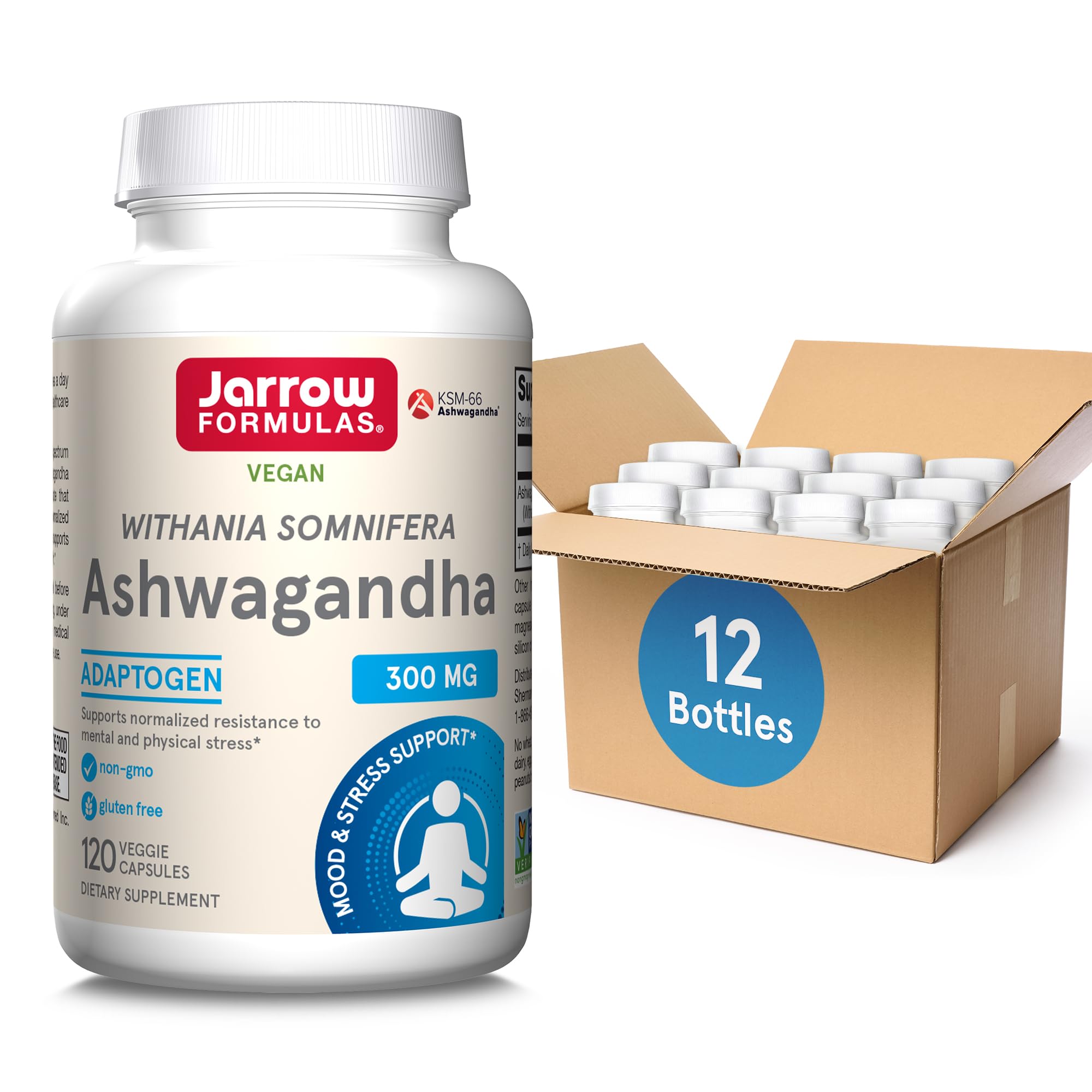
If you’re exploring non‑pharmacologic stress support with your clinician, some choose standardized extracts like Ashwagandha KSM‑66; look for third‑party testing and discuss dosing and interactions with a professional.
How to use this information: a gentle 4‑week plan
Week 1: Stabilize basics
5 minutes of slow breathing twice daily.
5–10 minutes of mindful walking, noticing sensations in your feet and breath.
Track sleep and caffeine; aim for a consistent wake time.
Week 2: Add movement and grounding
10–15 minutes of beginner qigong or restorative yoga, 3 days/week.
5‑minute evening wind‑down: body scan or legs‑up‑the‑wall.
Week 3: Deepen attention regulation
10 minutes of seated mindfulness most days; note thoughts as “thinking” and return to breath.
Optional: One acupuncture session with a licensed practitioner if accessible.
Week 4: Personalize
If anxiety is primary, consider alternate‑nostril breathing; if low mood/lethargy predominates, add a brisk 20‑minute walk after morning breathwork.
Discuss with your clinician whether an herbal or nutritional strategy fits your regimen. For relaxation modalities across systems, you can also explore Eastern Wellness Practices for Relaxation (/articles/eastern-wellness-practices-for-relaxation).
Track outcomes you care about (sleep quality, irritability, concentration). Adjust with your care team. If symptoms worsen, scale back intensity and seek guidance.
Practical takeaways
Eastern approaches to mental wellness emphasize balance, routine, and mind–body integration; they can sit alongside therapy and medication.
Evidence is strongest for mindfulness/meditation and moderate for yoga, tai chi/qigong, acupuncture, and certain adaptogens (e.g., ashwagandha); multi‑herb formulas show promise but need more rigorous trials.
Likely mechanisms include autonomic regulation, HPA‑axis calming, neuroplasticity, and reduced inflammation.
Safety matters: personalize, start low, and coordinate with a qualified clinician—especially for herbs and intensive retreats.
For additional mind–body strategies and when to seek professional support, you may also find Holistic Approaches to Stress Relief: Evidence‑Based Mind‑Body Practices, Herbs, and Lifestyle Strategies (/articles/holistic-approaches-to-stress-relief) useful.
Disclaimer
This article is for educational purposes and not a substitute for medical advice. Always consult a qualified healthcare professional before starting or changing any health regimen, especially if you have a medical or psychiatric condition, are pregnant or breastfeeding, or take prescription medications.
This content is for informational purposes only and does not constitute medical advice. Always consult a qualified healthcare provider before starting, stopping, or changing any supplement or medication regimen.
Eastern Wellness Practices for Relaxation: An Evidence‑Based Guide to Yoga, Meditation, Acupuncture, Ayurveda, Tai Chi & Qigong. If stress is running the show, you may be wondering which eastern wellness practices for relaxation are worth your time. Yoga, meditation, acupuncture, Ayurveda, tai chi, and qigong offer time‑tested ways to calm the nervous system. Research suggests many of these practices can reduce perceived stre
Combining Eastern and Western Health Practices: An Evidence‑Based Guide to Integrative Care. If you’re curious about combining Eastern and Western health practices, you’re not alone. Many people want the diagnostic clarity of conventional medicine alongside the whole-person focus of Traditional Chinese Medicine (TCM), Ayurveda, yoga, mindfulness, and other mind–body tools. This guide walks
Holistic Approaches to Stress Relief: Evidence‑Based Mind‑Body Practices, Herbs, and Lifestyle Strategies. If you’re feeling wired, tired, and overwhelmed, you’re not alone. Many people look for holistic approaches to stress relief that work with the whole person—mind, body, and daily environment. Research suggests integrated strategies can calm the stress response, improve mood and sleep, and support lo
Traditional Chinese Medicine (TCM) Practices: Acupuncture, Herbs, Cupping, Moxibustion, and the Evidence. Many people are curious about traditional Chinese medicine practices—what they are, how they work, and what the evidence says. If you’re weighing acupuncture, herbs, cupping, moxibustion, tui na, dietary therapy, or qigong, this guide walks through core principles, common uses, safety, and how to in
Naturopathic Approaches to Mental Health: Evidence‑Based Herbs, Supplements, Lifestyle & When to See a Naturopath. Many people are searching for safe, effective ways to feel calmer, think more clearly, and sleep better without relying only on medication. Naturopathic approaches to mental health aim to treat the whole person—body, mind, and environment—while working alongside conventional psychiatric care when ne
Stress Relief with Ayurveda: Dosha‑Based Techniques, Breathing, Diet & Herbal Support. Feeling wired, tired, or both — and wondering how to calm your system without losing your edge? This guide walks through stress relief techniques from Ayurveda, integrating traditional wisdom with what modern research suggests about breathwork, movement, diet, and herbs. You’ll find dosha‑specific t