Naturopathic Approaches to Mental Health: Evidence‑Based Herbs, Supplements, Lifestyle & When to See a Naturopath
A careful, evidence‑based guide to naturopathic approaches to mental health—nutrition, herbs, mind‑body tools, safety, and when to seek conventional care.
·11 min read
This content is for informational purposes only and does not constitute medical advice. Always consult a qualified healthcare provider before starting, stopping, or changing any supplement or medication regimen.
Many people are searching for safe, effective ways to feel calmer, think more clearly, and sleep better without relying only on medication. Naturopathic approaches to mental health aim to treat the whole person—body, mind, and environment—while working alongside conventional psychiatric care when needed. This guide explains how naturopathic doctors think about mental health, what the research says about commonly used therapies, and how to use these tools safely.
What Are Naturopathic Approaches to Mental Health?
Naturopathic medicine is grounded in principles that shape care for mood, anxiety, and stress-related disorders:
Holism: Symptoms are seen in the context of sleep, nutrition, hormones, digestion, stress load, social supports, and life meaning.
Treat the cause: Practitioners look for root contributors—nutrient gaps, inflammation, thyroid dysfunction, sleep apnea, gut dysbiosis, trauma, chronic stress—rather than suppressing symptoms alone.
Individualized care: Plans combine lifestyle, nutrition, botanicals, and mind‑body therapies tailored to the person, with regular follow‑up.
How it differs from and complements psychiatry:
Conventional psychiatry focuses on diagnosis, risk reduction, and evidence‑based medications and psychotherapies; it excels in stabilizing moderate–severe illness and crises.
Naturopathic care emphasizes lifestyle foundations, nutritional optimization, and gentle adjuncts that may enhance mood, sleep, and stress resilience. It can be used alone for mild symptoms or to complement therapy and medication for moderate–severe conditions.
What the Research Says: Evidence and Safety for Common Conditions
Research quality varies widely across naturopathic treatments. Below, evidence levels are summarized as strong (multiple RCTs/meta‑analyses), moderate (limited RCTs/observational data), emerging (preliminary trials/animal studies), or traditional (historical use without modern trials).
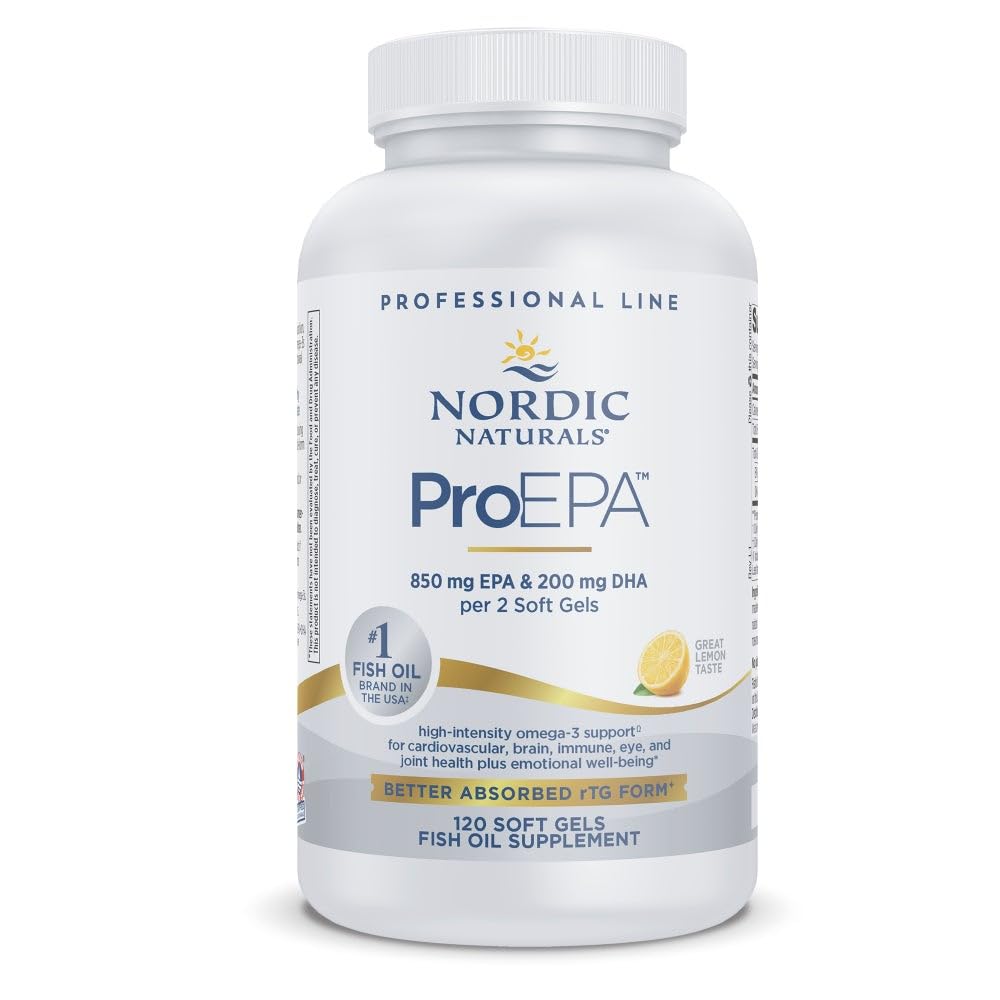
Omega‑3 fatty acids (EPA/DHA): Meta‑analyses suggest small‑to‑moderate benefit, especially EPA‑dominant formulas, mainly as an adjunct to antidepressants. Mechanisms may include reduced inflammation and improved cell‑membrane signaling. Evidence level: moderate–strong; effect sizes vary by dose and EPA content.
St. John’s wort (Hypericum perforatum): Multiple RCTs and meta‑analyses indicate benefit comparable to SSRIs for mild–moderate depression, with fewer sexual side effects—but major drug interactions and product variability are concerns. Evidence level: strong for mild–moderate depression; safety concerns limit use in many patients.
B vitamins (folate/L‑methylfolate, B12, B6): Low levels are associated with depression; adjunctive L‑methylfolate has RCT support for SSRI‑partial responders. Evidence level: moderate.
Vitamin D: Low vitamin D correlates with depressive symptoms; supplementation shows mixed RCT results, with possible benefit in deficiency. Evidence level: moderate (association strong; intervention results mixed).
Exercise and psychotherapy: Exercise has strong evidence for mild–moderate depression; mindfulness‑based cognitive therapy helps prevent relapse. Evidence level: strong.
Safety notes: St. John’s wort can cause serotonin syndrome with SSRIs/SNRIs, reduces effectiveness of many drugs (oral contraceptives, anticoagulants, transplant meds), may trigger mania in bipolar disorder, and increases photosensitivity.
Anxiety Disorders
Kava (Piper methysticum): Several RCTs show benefit for generalized anxiety symptoms compared with placebo. Controversy centers on rare but serious liver toxicity; choose standardized extracts, avoid alcohol/other hepatotoxins, and monitor liver function. Evidence level: moderate with safety caveats.
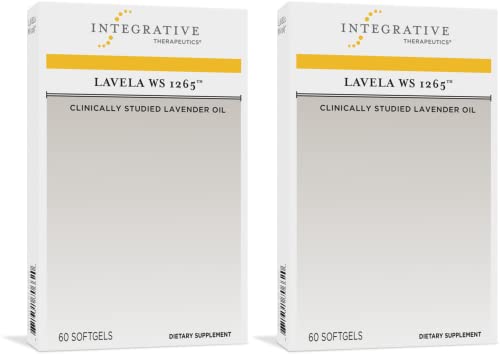
Lavender (oral standardized extract): RCTs of oral Silexan show anxiolytic effects for subclinical anxiety and GAD. Evidence level: moderate.
Magnesium: Some RCTs and reviews suggest benefit for anxiety and stress, especially in deficiency. Evidence level: emerging–moderate.
Omega‑3s: Some benefit as adjuncts for bipolar depression; less clear for mania. Evidence level: moderate (heterogeneous findings).
Most stimulating botanicals (e.g., rhodiola) and St. John’s wort may precipitate hypomania/mania and are generally avoided unless closely supervised. Evidence level: safety concern based on case reports and pharmacology.
Sleep regulation, light hygiene, and rhythm‑stabilizing routines are important adjuncts. Evidence level: moderate.
Collaborative care with psychiatry is essential; medication is often first‑line for bipolar I/II.
PTSD and Trauma‑Related Symptoms
Mindfulness, yoga, and aerobic exercise: Improvements in hyperarousal, sleep, and mood reported in RCTs and pragmatic trials. Evidence level: moderate.
Omega‑3s: Some studies suggest benefit post‑trauma and for intrusive symptoms; findings are mixed. Evidence level: emerging–moderate.
Acupuncture: Mixed evidence; some trials show reductions in PTSD symptoms and insomnia. Evidence level: emerging–moderate.
Across conditions, safety and interactions are central. Naturopathic therapies can be powerful adjuncts but should not replace emergency or first‑line treatments for severe symptoms.
Core Interventions in Naturopathic Mental Health Care
Role: Support methylation and synthesis of serotonin, dopamine, and norepinephrine.
Dosing: Check labs first. L‑methylfolate 7.5–15 mg/day as an adjunct in depression; B12 1000 mcg/day if low or borderline; B6 typically 25–50 mg/day short‑term.
Safety: Folate can mask B12 deficiency; high B6 may cause neuropathy if overused; use clinician guidance.
Evidence level: moderate (especially as adjuncts in deficiency or partial SSRI response).
Dosing: 300 mg standardized extract (0.3% hypericin or 1–5% hyperforin) three times daily, or equivalent once‑daily extended release.
Mechanisms: Inhibits reuptake of serotonin, norepinephrine, and dopamine; may modulate inflammation.
Safety/Interactions: Induces CYP3A4 and P‑glycoprotein—can reduce effectiveness of oral contraceptives, anticoagulants, immunosuppressants, many others; risk of serotonin syndrome with SSRIs/SNRIs/MAOIs; photosensitivity; avoid in pregnancy and bipolar disorder. Evidence level: strong (for efficacy), with significant interaction risks.
Use: Fatigue, stress‑related low mood; may help stress endurance more than classic depression.
Dosing: 200–400 mg/day standardized to ~3% rosavins and 1% salidroside; take in the morning.
Mechanisms: Modulates the HPA (stress) axis; may influence monoamines.
Safety: Can be stimulating—may worsen anxiety/insomnia; avoid in bipolar spectrum due to potential hypomania. Evidence level: emerging–moderate.
Kava (Piper methysticum)
Use: Generalized anxiety symptoms.
Dosing: Standardized extracts providing 100–250 mg kavalactones 1–2 times daily.
Mechanisms: GABAergic activity; modulation of voltage‑gated ion channels.
Safety/Interactions: Rare severe hepatotoxicity reported—avoid with liver disease, alcohol, or hepatotoxic drugs; may cause drowsiness and interact with sedatives. Not legal in all regions. Evidence level: moderate with safety controversies.
Lavender (oral Silexan)
Use: Subclinical anxiety and GAD symptoms.
Dosing: 80–160 mg/day of standardized essential‑oil capsule.
Safety: Generally well tolerated; may cause GI upset; caution with sedatives. Evidence level: moderate.
Herbal medicines can be helpful but are pharmacologically active. Review all medications and conditions with a clinician before use. For people focusing on aroma‑based relaxation, some find a bedside diffuser and quality essential oil like Calming Lavender Essential Oil helpful for evening routines, without making specific health claims.
Gut–Brain Support and the Microbiome
Probiotics (psychobiotics): Early trials suggest certain strains (e.g., Lactobacillus helveticus R0052/Bifidobacterium longum R0175, B. longum 1714) can reduce stress reactivity and mild anxiety/depressive symptoms, likely via short‑chain fatty acids, vagus‑nerve signaling, and GABA/serotonin modulation. Typical doses: 1–10 billion CFU/day, strain‑specific.
Prebiotics: Galacto‑oligosaccharides (GOS) 3–5 g/day and inulin‑type fibers support beneficial bacteria.
Diet: Emphasize fiber‑rich plants, polyphenols (berries, cocoa, green tea), fermented foods (yogurt, kefir, kimchi) to diversify the microbiome.
150+ minutes/week of moderate aerobic activity plus 2 days of strength training can reduce depressive symptoms and anxiety sensitivity; mechanisms include increased BDNF and anti‑inflammatory effects. Evidence level: strong.
Sleep
Priorities: Fixed wake time, wind‑down routine, dark/cool bedroom, limit caffeine/alcohol, reserve bed for sleep/sex only. Consider CBT‑I for persistent insomnia. Evidence level: strong for CBT‑I and sleep‑hygiene packages.
Some people report evening routines improve with tools like Blue‑Light Blocking Glasses; choose comfortable, amber‑tinted lenses and use 2–3 hours before bed.
Mind‑Body Therapies and Acupuncture
Mindfulness meditation (MBSR/MBCT), slow breathing (e.g., 4‑6 breaths/min), guided imagery, and progressive muscle relaxation lower sympathetic arousal and improve emotion regulation. Evidence level: strong for anxiety/stress, moderate–strong for depression relapse prevention.
Acupuncture may help anxiety, insomnia, and depressive symptoms via endorphin and serotonin modulation and HPA‑axis effects; results are mixed but promising for some individuals. Evidence level: emerging–moderate.
How naturopathic practitioners typically evaluate and manage mental health:
Comprehensive intake: Sleep quality, diet, digestion, medical history, trauma/stress exposure, physical activity, substances, menstrual or perimenopausal changes, and social determinants of health.
Screening and tracking: Validated tools such as PHQ‑9 (depression), GAD‑7 (anxiety), ISI or PSQI (insomnia), and PCL‑5 (PTSD). These help set baselines and measure change.
Rule out or treat contributors: Thyroid dysfunction (TSH, free T4), anemia and iron deficiency (CBC, ferritin), B12/folate status, vitamin D, glucose/insulin resistance, sleep apnea, medication side effects, inflammatory or autoimmune conditions, and substance‑related issues.
Multimodal plan: Nutrition, targeted supplements, one or two carefully chosen botanicals, exercise prescription, sleep schedule, and 1–2 mind‑body practices daily. Frequency of visits often every 2–6 weeks initially.
Monitoring and risk management: Reassess with PHQ‑9/GAD‑7 monthly; adjust doses; watch for side effects and interactions; order labs as indicated; coordinate with therapists and prescribers.
When to prioritize medication or emergency services:
Any suicidal thoughts with intent or plan, severe self‑neglect, rapidly worsening depression, mania/hypomania (decreased need for sleep, grandiosity, risky behavior), psychosis, severe substance withdrawal, postpartum psychosis, or inability to care for dependents are medical emergencies. Contact emergency services or go to the nearest emergency department.
Sudden medication changes should not be attempted without the prescriber’s guidance; abrupt discontinuation can worsen symptoms.
Practical Takeaways: How to Use This Information
Start with foundations
Sleep: Fixed wake time, wind‑down ritual, dark/cool room.
Nutrition: Protein at each meal; colorful plants; omega‑3‑rich foods (salmon, sardines, walnuts); limit ultra‑processed foods and excess alcohol.
Movement: 30 minutes of brisk walking or equivalent on most days.
Stress skills: 10 minutes of breathwork or meditation daily.
Exercise and mindfulness: 4–8 weeks for noticeable shifts, with benefits building over months.
Setting Expectations, Red Flags, and Next Steps
Realistic timelines: Most naturopathic strategies require consistent practice for 4–8 weeks. Combining lifestyle, supplements, and therapy usually works better than any single tool.
Red flags to act on immediately: Worsening mood, new agitation or insomnia after starting a stimulating herb (e.g., rhodiola), signs of mania, thoughts of self‑harm, or new jaundice/dark urine while using kava—pause supplements and contact your clinician.
Choosing a licensed naturopathic provider: Verify licensure and scope in your state/province, ask about experience with your condition, coordination with your prescriber/therapist, and how outcomes are tracked. Start here: Find a Naturopathic Doctor Near You: Credentials, Services & How to Choose.
This information is for educational purposes and should not replace individualized medical advice. Always consult your healthcare team—especially if you take prescription medications, have liver/kidney disease, are pregnant or breastfeeding, or have a history of bipolar disorder—before starting supplements or herbs. Never stop or change psychiatric medications without your prescriber’s guidance.
This content is for informational purposes only and does not constitute medical advice. Always consult a qualified healthcare provider before starting, stopping, or changing any supplement or medication regimen.
Naturopathic Remedies for Anxiety: Evidence‑Based Herbs, Supplements, Lifestyle Strategies & When to See a Naturopath. If you’re exploring naturopathic remedies for anxiety, you’re likely looking for options that address root causes, feel gentler than medication, and still have evidence behind them. This guide brings together research‑informed herbs, supplements, lifestyle strategies, and mind–body tools from both w
Naturopathic Approaches to Weight Loss: Evidence‑Based Strategies, Herbs, Supplements & When to See an ND. Many people arrive here wondering whether naturopathic approaches to weight loss can offer something more sustainable than another short‑term diet. Naturopathic care aims to improve metabolic health, address root causes (sleep, stress, hormones, gut, medications), and build habits you can maintain,
Naturopathic Solutions for Insomnia: Evidence‑Based Herbs, Lifestyle Strategies, and When to See an ND. If you’re lying awake at 2 a.m. wondering why sleep won’t come, you’re not alone. Many people look for naturopathic solutions for insomnia because they want gentle, whole‑person strategies that address root causes—stress, circadian disruption, pain, or medications—without heavy next‑day grogginess.
Holistic Nutrition for Emotional Health: A Naturopathic Guide to Foods, Diets, and Nutritional Strategies. If you’ve noticed that what you eat seems to shape how you feel, you’re not imagining it. Holistic nutrition for emotional health looks at how foods, nutrients, gut health, and daily habits interact with your brain and mood. Research suggests food choices can influence neurotransmitters, inflammatio
Holistic Approaches to Stress Relief: Evidence‑Based Mind‑Body Practices, Herbs, and Lifestyle Strategies. If you’re feeling wired, tired, and overwhelmed, you’re not alone. Many people look for holistic approaches to stress relief that work with the whole person—mind, body, and daily environment. Research suggests integrated strategies can calm the stress response, improve mood and sleep, and support lo
Naturopathy. . ## Naturopathy: an overview
**Naturopathy** is a whole-person healing modality that emphasizes the body's inherent capacity for self-regulation and recovery, while drawing on a broad range of lifestyle, nutritional, botanical, mind-body, and physical medicine approaches. As a clinical tradition, it