Naturopathic Remedies for Anxiety: Evidence‑Based Herbs, Supplements, Lifestyle Strategies & When to See a Naturopath
A naturopathic guide to anxiety: evidence-based herbs, supplements, lifestyle strategies, and when to see a naturopath. Doses, safety, and integration.
·12 min read
This content is for informational purposes only and does not constitute medical advice. Always consult a qualified healthcare provider before starting, stopping, or changing any supplement or medication regimen.
If you’re exploring naturopathic remedies for anxiety, you’re likely looking for options that address root causes, feel gentler than medication, and still have evidence behind them. This guide brings together research‑informed herbs, supplements, lifestyle strategies, and mind–body tools from both western and eastern traditions—plus clear guidance on safety and when to seek professional care.
Overview: Anxiety vs. Normal Worry, Screening, and Red Flags
Anxiety exists on a spectrum. Normal worry tends to be situation‑specific and short‑lived. Anxiety disorders are more persistent (often 6+ months), difficult to control, and impair work, relationships, or sleep.
Types include generalized anxiety disorder (GAD), panic disorder, social anxiety, specific phobias, and anxiety secondary to medical conditions or substances.
Screening and assessment tips:
Use brief tools: GAD‑7 for anxiety; PHQ‑9 for depression; AUDIT‑C for alcohol misuse. Track scores every 2–4 weeks.
Review meds/substances that can worsen anxiety: caffeine/energy drinks, nicotine, decongestants, albuterol, corticosteroids, stimulants, thyroid hormone, and cannabis in some individuals.
Consider medical contributors: thyroid imbalance, anemia/iron deficiency, B12/folate deficiency, blood sugar swings (hypo/hyperglycemia), sleep apnea, arrhythmias/POTS, perimenopause, chronic pain, and GI disorders.
Basic labs (discuss with your clinician): TSH/free T4, CBC, ferritin/iron studies, B12/folate, fasting glucose or A1c; ECG if palpitations are prominent.
Red flags—seek urgent medical care for:
Chest pain, severe shortness of breath, fainting, or new neurologic symptoms
Suicidal thoughts, self‑harm, severe functional decline, psychosis, or mania
Severe substance withdrawal (e.g., alcohol), or rapidly escalating agitation
Postpartum anxiety with intrusive thoughts of harming self/infant
What the Research Says (Big Picture)
Evidence overall: moderate. Multiple randomized controlled trials (RCTs) and meta‑analyses support select herbs (e.g., lavender oil capsules, kava—with caveats), nutraceuticals (omega‑3s, magnesium), and mind–body practices (CBT, mindfulness, yoga, breathing). Other options have emerging or traditional evidence.
Time course: mind–body practices can calm symptoms immediately (minutes to days) with cumulative gains over weeks. Supplements/herbs often require 1–4 weeks for meaningful change; psychotherapy typically shows benefits within 4–8 weeks.
Severity matters: natural approaches are often sufficient for mild to moderate anxiety. For severe, chronic, or highly impairing symptoms, combining naturopathic strategies with psychotherapy and/or medication tends to yield better outcomes.
This section summarizes key herbs, adaptogens, and supplements, with evidence classification, typical dosing from studies, and expected timelines. For a deeper dive on plant‑based options, see our related overview: Herbal Remedies for Anxiety: Evidence-Based Options & How to Choose.
Herbs and Essential Oils
Kava (Piper methysticum)
Evidence: moderate (multiple RCTs show benefit for GAD); safety concerns limit use.
Dose used in trials: standardized extract providing ~120–250 mg kavalactones daily, divided.
Timeline: 1–2 weeks for initial benefit.
Notes: May be comparable to low‑dose anxiolytics in some trials for mild–moderate anxiety; avoid with liver disease or significant alcohol use. Rare but serious hepatotoxicity reported; use only short‑term, from reputable sources, and under clinician guidance.
For generalized, daytime anxiety without sedation: lavender capsules (Silexan), ashwagandha, magnesium, and omega‑3s are reasonable first‑line options (evidence: moderate).
For situational spikes or performance anxiety: L‑theanine and breathing/HRV biofeedback can act within hours (evidence: emerging to moderate).
For sleep‑related anxiety: chamomile, valerian (at night), magnesium glycinate, and relaxation training may be helpful (evidence: mixed to moderate).
Kava can be effective short‑term but requires careful screening for liver risk (evidence: moderate; safety caveats).
Lifestyle and Mind–Body Interventions (Often First‑Line)
Sleep and circadian support
Aim for 7–9 hours with a consistent schedule; anchor wake time daily.
Morning light exposure (10–30 minutes outdoors) helps set circadian rhythm; dim lights and screens 1–2 hours before bed.
CBT‑I principles (wind‑down routine, bed only for sleep/intimacy, get out of bed if unable to sleep after ~20 minutes) can reduce nighttime anxiety.
Evidence: moderate to strong for sleep interventions improving anxiety.
Diet and blood‑sugar stabilization
Prioritize a Mediterranean‑style pattern: vegetables, fruits, legumes, whole grains, nuts, olive oil, and fish.
Distribute protein (20–30 g) across meals; include fiber and healthy fats to blunt glucose swings.
Limit alcohol (can worsen sleep/anxiety), caffeine after noon, and ultra‑processed foods high in refined sugars.
Evidence: emerging to moderate; metabolic stability correlates with mood stability.
Exercise prescriptions
Target 150 minutes/week of moderate aerobic activity plus 2 sessions of resistance training.
Even 30 minutes of brisk walking 3–5 days/week shows meaningful anxiety reductions.
If panic‑prone, start with low–moderate intensity and progress gradually.
Evidence: moderate to strong, with effect sizes comparable to some medications for mild to moderate anxiety.
Mindfulness, meditation, and breathing practices
Mindfulness‑Based Stress Reduction (MBSR) and other structured programs can reduce anxiety; a large RCT suggests MBSR can perform similarly to a first‑line SSRI for common anxiety disorders.
Paced breathing/HRV biofeedback: 4–6 breaths per minute, 10–20 minutes/day, can shift the autonomic nervous system toward calm.
Brief techniques: 4‑7‑8 breathing, box breathing, and progressive muscle relaxation.
Evidence: moderate for mindfulness and HRV biofeedback; emerging to moderate for brief breathing techniques.
Safety, Interactions, Personalization, and Integration with Conventional Care
Major safety considerations and interactions:
Sedation and CNS depressants: kava, valerian, and high‑dose passionflower may potentiate alcohol, benzodiazepines, and sedating antihistamines—avoid combining.
Liver risk: kava has rare but serious hepatotoxicity—avoid with liver disease, heavy alcohol use, or hepatotoxic medications; use short‑term only with monitoring.
Thyroid and autoimmune conditions: ashwagandha can raise thyroid hormone levels and may stimulate the immune system—use caution and monitor labs/symptoms with your clinician.
Stimulation/activation: rhodiola may worsen insomnia or trigger hypomania in susceptible individuals (e.g., bipolar spectrum)—avoid or use carefully.
Blood pressure and anticoagulation: omega‑3s at high doses may increase bleeding tendency; L‑theanine can modestly lower blood pressure—monitor if on antihypertensives.
Medication absorption: magnesium can reduce absorption of certain antibiotics and levothyroxine—separate by at least 4 hours.
Pregnancy and lactation: safety data for many herbs are limited—generally avoid kava, rhodiola, ashwagandha, and valerian; discuss magnesium and omega‑3s with your obstetric provider.
Allergies: chamomile may cross‑react with ragweed allergy in sensitive individuals.
Personalization by anxiety subtype and comorbidity:
GAD with daytime tension: consider lavender capsules, ashwagandha, magnesium, and mindfulness‑based practices.
Panic‑prone or health anxiety: start with breathing retraining, CBT‑informed exposure strategies, and gentle aerobic exercise; add L‑theanine situationally.
Social/performance anxiety: L‑theanine before events; CBT skills (cognitive restructuring, exposure) are foundational.
Insomnia‑dominant anxiety: magnesium glycinate, nighttime valerian or chamomile, CBT‑I techniques, and yoga nidra.
Medical contributors (e.g., thyroid, anemia, glucose dysregulation): address underlying issues first—supplements are adjuncts, not substitutes.
Integration with psychotherapy and medication:
Consider combining naturopathic remedies for anxiety with psychotherapy (CBT, ACT, mindfulness‑based therapies) when symptoms are moderate to severe, chronic, or impairing.
Discuss medications with your prescriber if symptoms remain high after 6–8 weeks of consistent lifestyle and supplement trials, or if you have severe panic attacks, significant avoidance, or suicidality.
Urgent referral: any red flags noted above, rapid deterioration, self‑harm risk, psychosis/mania, or inability to function at work/home.
Monitoring and follow‑up plan (practical):
Choose 1–2 changes at a time; reassess with the GAD‑7 every 2–4 weeks.
Track sleep, caffeine/alcohol, and exercise in a simple log.
Aim for a 4–8 week trial at evidence‑based doses before judging efficacy, unless side effects occur.
Review potential interactions before starting any new herb or supplement.
Practical Takeaways: How to Use This Information
Start with foundations: consistent sleep/wake time, morning light, a protein‑and‑fiber‑rich breakfast, a 20–30 minute walk most days, and 10 minutes of paced breathing.
Choose one evidence‑based supplement that matches your profile: e.g., lavender capsules for daytime calm, magnesium glycinate for tension and sleep, or EPA‑dominant omega‑3s if your diet is low in fish.
Layer mind–body skills: mindfulness practice 10 minutes/day and CBT‑style thought reframing; add yoga 1–2 times/week if you enjoy it.
Reassess at 4 weeks. If improvement is modest, consider adding a second targeted intervention (e.g., L‑theanine situationally or chamomile tea in the evening) or engaging a therapist trained in CBT or mindfulness‑based therapies.
Seek professional evaluation for red flags, significant functional impairment, or if you’re unsure about interactions with current medications.
Thoughtful Product Options (Affiliate Mentions)
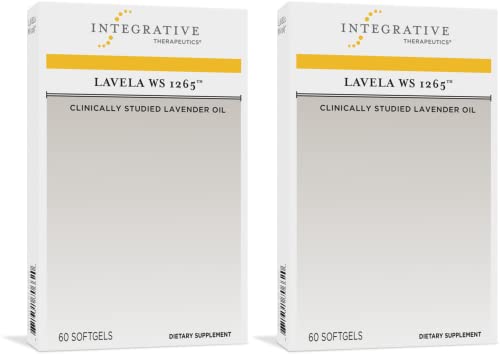
Many people find a standardized lavender oil capsule such as Silexan 80 mg helpful for this purpose; it’s a common format used in research.
For those focusing on sleep and muscle tension, a chelated magnesium like Magnesium Glycinate 200 mg is a formulation many individuals tolerate well.
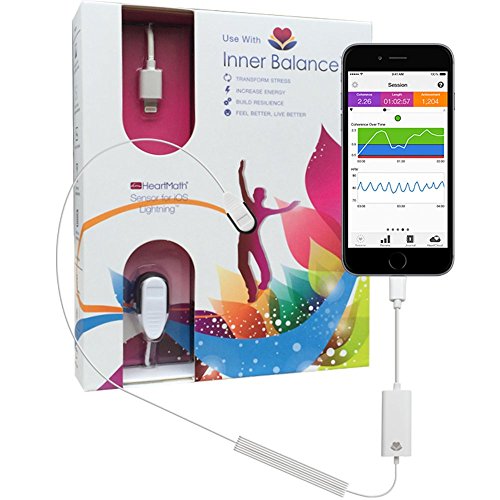
If you’re building a daily relaxation habit, an HRV‑biofeedback–capable wearable such as Breathing Trainer Device can make paced breathing more engaging and consistent.
These are suggestions to consider; they are not personal medical advice, and product quality varies—work with a clinician to choose reputable options.
When to See a Naturopathic Doctor (ND)
You prefer an integrative plan that combines naturopathic remedies for anxiety with psychotherapy, medication when appropriate, and lifestyle medicine.
You have multiple comorbidities or complex medication/supplement regimens that need interaction checks.
You want lab‑guided personalization (e.g., iron, thyroid, B12/folate) and structured follow‑up using validated scales.
You’ve tried self‑care strategies for 4–8 weeks without sufficient improvement, or you’d like help sequencing and dosing interventions safely.
This information is for educational purposes and should not replace individualized care. If you’re in crisis or considering self‑harm, seek emergency help immediately.
This content is for informational purposes only and does not constitute medical advice. Always consult a qualified healthcare provider before starting, stopping, or changing any supplement or medication regimen.
Naturopathic Approaches to Mental Health: Evidence‑Based Herbs, Supplements, Lifestyle & When to See a Naturopath. Many people are searching for safe, effective ways to feel calmer, think more clearly, and sleep better without relying only on medication. Naturopathic approaches to mental health aim to treat the whole person—body, mind, and environment—while working alongside conventional psychiatric care when ne
Herbal Remedies for Anxiety: Evidence-Based Options & How to Choose. If you’re exploring herbal remedies for anxiety, you likely want something natural that can take the edge off without heavy side effects. This guide walks through what “herbal remedies” actually are, how they may work, and what the research says about specific options like kava, ashwagandha, lavende
Herbal Treatments for Anxiety Relief: Evidence-Based Herbs, Dosage, and Safety. Feeling keyed up, tense, or stuck in worry—and wondering whether herbal treatments for anxiety relief can help? Research suggests some plant-based options may ease mild to moderate anxiety symptoms, especially when combined with lifestyle strategies and therapy. This guide reviews what the science s
Best Supplements for Anxiety Relief: Evidence‑Based Options, Dosage & Safety. If you’re searching for the best supplements for anxiety relief, you want what works, what’s safe, and how to use it alongside proven strategies like therapy, exercise, and good sleep. This guide reviews the most studied options—magnesium, L‑theanine, ashwagandha, GABA, valerian, CBD, B‑complex vita
Naturopathic Solutions for Insomnia: Evidence‑Based Herbs, Lifestyle Strategies, and When to See an ND. If you’re lying awake at 2 a.m. wondering why sleep won’t come, you’re not alone. Many people look for naturopathic solutions for insomnia because they want gentle, whole‑person strategies that address root causes—stress, circadian disruption, pain, or medications—without heavy next‑day grogginess.
Naturopathic Approaches to Weight Loss: Evidence‑Based Strategies, Herbs, Supplements & When to See an ND. Many people arrive here wondering whether naturopathic approaches to weight loss can offer something more sustainable than another short‑term diet. Naturopathic care aims to improve metabolic health, address root causes (sleep, stress, hormones, gut, medications), and build habits you can maintain,