Herbal Treatments for Anxiety Relief: Evidence-Based Herbs, Dosage, and Safety
An evidence-based guide to herbal treatments for anxiety relief: what works, dosages, safety, interactions, and how to fit herbs with conventional care.
·11 min read
This content is for informational purposes only and does not constitute medical advice. Always consult a qualified healthcare provider before starting, stopping, or changing any supplement or medication regimen.
Feeling keyed up, tense, or stuck in worry—and wondering whether herbal treatments for anxiety relief can help? Research suggests some plant-based options may ease mild to moderate anxiety symptoms, especially when combined with lifestyle strategies and therapy. This guide reviews what the science shows, how specific herbs work, typical dosages, safety considerations, and how these options can fit with conventional care.
Herbal treatments for anxiety relief: what the research says
Overall evidence: moderate. Several herbs (lavender oral extract, kava, ashwagandha, chamomile, passionflower, lemon balm) show benefits in randomized trials, typically small to moderate effect sizes. Others (valerian) have mixed or limited data for anxiety but may help sleep. St. John’s wort is well-studied for depression; evidence for primary anxiety is weaker.
Expected magnitude: Many trials report improvements on validated scales (e.g., Hamilton Anxiety Rating Scale, GAD-7). Reductions are often modest but meaningful for mild to moderate symptoms; they are generally smaller than those seen with first-line prescription treatments for moderate to severe anxiety.
Onset: Some herbs (lemon balm, passionflower, kava) may have noticeable effects within hours to days for situational anxiety; others (lavender oral extract, chamomile, ashwagandha, St. John’s wort) often require 2–4+ weeks for full effect.
Mechanisms: how key herbs may calm the nervous system
GABAergic support (the brain’s primary inhibitory/calming pathway): kava (kavalactones modulate GABA-A and voltage-gated ion channels), valerian (valerenic acids modulate GABA-A receptors; inhibits GABA breakdown), passionflower and chamomile (flavonoids like apigenin may bind GABA-A), lemon balm (inhibits GABA transaminase, increasing GABA levels), lavender (linalool may modulate GABA and glutamate signaling).
Serotonin, norepinephrine, and dopamine: St. John’s wort (hyperforin may inhibit reuptake of multiple monoamines). This may help anxious depression but introduces significant drug–herb interaction risks.
HPA axis and stress hormones: ashwagandha (withanolides appear to reduce cortisol and improve stress resilience), tulsi/holy basil (traditional use; emerging evidence).
Inflammation and oxidative stress: several herbs have antioxidant/anti-inflammatory effects, which may indirectly support mood regulation.
Lavender oral extract (Silexan): strong-to-moderate evidence. Multiple RCTs in subthreshold anxiety and generalized anxiety show clinically meaningful reductions (often 8–12 points on HAM-A vs smaller drops with placebo) over 2–10 weeks. Typical dose: 80–160 mg/day of standardized oil capsules.
Kava: moderate evidence. Meta-analyses suggest small-to-moderate reductions in anxiety vs placebo. Benefits often appear within 1–2 weeks; acute calming is reported. Safety concerns center on rare but serious liver injury—quality and dosing matter.
Ashwagandha: moderate evidence. Systematic reviews of RCTs report medium effect sizes for stress/anxiety reduction over 6–8 weeks using standardized extracts (about 240–600 mg/day), alongside cortisol decreases.
Chamomile: moderate evidence. RCTs in generalized anxiety show modest but significant symptom reductions and potential relapse prevention with continued use.
Passionflower: emerging-to-moderate evidence. Small trials suggest benefits for situational anxiety (including preoperative) and generalized anxiety, sometimes comparable to low-dose benzodiazepines with fewer performance side effects.
Lemon balm: emerging evidence. Small, well-controlled studies indicate acute anxiolytic effects (hours) and improved calmness with standardized extracts.
Valerian: emerging evidence for anxiety; stronger for sleep. Some studies report reduced nervousness and improved sleep quality; anxiety findings are inconsistent.
St. John’s wort: strong evidence for mild to moderate depression; limited for primary anxiety. May help if depression and anxiety co-occur, but drug–herb interactions are substantial.
Herb profiles: preparations, dosages, onset, and indications
The following ranges reflect what studies commonly use. Start at the low end, especially if you are sensitive or taking other medications. Always check product labels for standardization.
Kava (Piper methysticum)
Typical preparations and dosage: standardized extracts providing 120–250 mg/day of kavalactones, often divided (e.g., 60–125 mg twice daily). Traditional water-based preparations are used in the Pacific Islands; standardized “noble cultivar” extracts are preferred for safety.
Onset and duration: some feel calmer within hours; fuller effects often in 1–2 weeks. Duration is dose-dependent (4–8 hours).
Notes: choose reputable products; avoid alcohol and other hepatotoxic drugs. Discontinue if you develop jaundice, dark urine, severe fatigue, or abdominal pain.
Valerian (Valeriana officinalis)
Typical preparations and dosage: 400–900 mg/day of root extract standardized to 0.3–1% valerenic acids, taken at bedtime for sleep or in divided doses for day-time use.
Onset and duration: tends to be calming/sedating within hours; anxiety benefits may take 2+ weeks if they occur.
Primary indications: insomnia with nervousness; anxiety data are mixed.
Typical preparations and dosage: 250–500 mg/day of standardized extract (often to ~3.5% vitexin), or tea (2 g herb steeped 10 minutes, up to 3 times daily). Liquid extracts are also used per label.
Onset and duration: may help situational anxiety within 30–90 minutes; effects last several hours.
Typical preparations and dosage: 220–550 mg of standardized extract (often to ~1.2% apigenin) up to three times daily in studies; tea (1–2 tea bags or 2–3 g flowers steeped 5–10 minutes, 1–4 cups/day).
Onset and duration: soothing effects can be felt within hours; GAD benefits usually develop over 2–4+ weeks.
Typical preparations and dosage: root or root+leaf extracts standardized to withanolides. Common regimens include 240–600 mg/day total, e.g., 300 mg twice daily of a 5% withanolides extract, or 125–250 mg/day of a 10% withanolides extract.
Onset and duration: 2–8 weeks for stress and anxiety measures; some notice better sleep and resilience within 1–2 weeks.
Primary indications: chronic stress with anxiety, fatigue, sleep disturbances.
Typical preparations and dosage: 300–600 mg of extract standardized to rosmarinic acid (e.g., 5%), 1–2 times daily; teas and liquid extracts are also common.
Onset and duration: can reduce acute tension within 1–3 hours; often used situationally or twice daily.
Typical preparations and dosage: 300 mg extract standardized to 0.3% hypericin or with specified hyperforin content, taken 2–3 times daily.
Onset and duration: 2–4+ weeks for mood effects.
Primary indications: mild to moderate depression with anxious features; not well supported for primary anxiety.
Critical cautions: major drug–herb interactions (see safety section). Avoid with prescription antidepressants unless under specialist guidance.
Plant-derived but not an herb: L-theanine
While not an herb, L-theanine from green tea is a gentle anxiolytic adjunct for some. Trials suggest 100–200 mg may promote relaxed alertness and improve stress resilience without sedation. Learn more: L-Theanine.
Safety, interactions, and when to seek care
General guidance
Start low, go slow: begin with the lowest suggested dose for a week; increase only if needed and tolerated.
One change at a time: introduce a single herb so you can judge effects and side effects.
Driving and machinery: avoid until you know your response, especially with sedating herbs (kava, valerian, passionflower, chamomile, lemon balm).
Key adverse effects and contraindications
Kava: rare but serious liver injury reported, especially with poor-quality extracts, high doses, or concurrent alcohol/acetaminophen. Avoid with liver disease, heavy alcohol use, or in pregnancy/breastfeeding. Stop immediately and seek care if you develop jaundice, dark urine, severe fatigue, abdominal pain, or nausea/vomiting.
Valerian: drowsiness, vivid dreams, GI upset. Possible additive sedation with benzodiazepines, opioids, antihistamines, or alcohol. Taper if used regularly for weeks to avoid withdrawal-like symptoms (rare).
Passionflower: dizziness, sedation, nausea in some; avoid in pregnancy (uterine stimulation has been reported in animal/folk sources) and use caution with sedatives.
Chamomile: generally well tolerated; possible allergic reactions in people sensitive to ragweed/aster family. May interact mildly with anticoagulants (theoretical) due to coumarin-like compounds; monitor if on warfarin.
Lavender oral extract: burping, mild GI upset; typically non-sedating. Reports of prepubertal gynecomastia with topical essential oil are rare and not confirmed for oral standardized products.
Ashwagandha: GI upset, drowsiness; rare liver injury has been reported in case series. May increase thyroid hormone levels—use caution with hyperthyroidism or thyroid meds. Avoid in pregnancy and generally in breastfeeding. Autoimmune conditions may flare in rare cases.
Lemon balm: usually well tolerated; may cause drowsiness. Limited data in pregnancy/breastfeeding—avoid or use culinary amounts only unless advised by a clinician.
St. John’s wort: photosensitivity, GI upset, restlessness, insomnia; can precipitate mania/hypomania in bipolar disorder. Strong inducer of CYP3A4, CYP2C9, CYP2C19, and P-glycoprotein—reduces effectiveness of many drugs (e.g., oral contraceptives, transplant meds like cyclosporine, anticoagulants, HIV meds, some chemo, many others). Absolute avoidance with SSRIs/SNRIs, MAOIs, linezolid, or triptans unless under specialist care due to serotonin syndrome risk.
Red flags—stop the herb and seek medical care
New jaundice, dark urine, severe fatigue, or upper abdominal pain (possible liver injury; most relevant to kava or ashwagandha).
Suicidal thoughts, panic interfering with daily function, or rapidly worsening anxiety.
Signs of serotonin excess (agitation, sweating, tremor, diarrhea, fever) if combining serotonergic agents (e.g., St. John’s wort with SSRIs—avoid this combination).
New mania/hypomania (reduced need for sleep, racing thoughts, impulsivity), especially with a history of bipolar disorder.
Special populations
Pregnancy and breastfeeding: many herbs lack safety data. Avoid kava, ashwagandha, and passionflower. Consider limiting others to food-level use unless advised by a clinician. Chamomile tea in modest amounts is commonly used but discuss with your provider.
Liver disease: avoid kava and use caution with ashwagandha; review all herbs with your clinician.
Bipolar disorder: avoid St. John’s wort; use caution with activating or antidepressant-like herbs.
Children and older adults: start at much lower doses; consult clinicians familiar with pediatric/geriatric dosing.
Product quality, standardization, and regulation
Choose standardized extracts: look for labeled levels of key actives (e.g., kavalactones, valerenic acids, withanolides, rosmarinic acid, hypericin/hyperforin). Consistency improves predictability and safety.
Third-party testing: prefer brands with USP, NSF, or ConsumerLab verification, or at least a publicly available certificate of analysis (COA) confirming identity, potency, and purity (heavy metals, pesticides, solvents, microbes).
Kava-specific quality: seek “noble” cultivars and water/food-grade solvent extraction; avoid products with stem/leaf material or unknown chemotypes.
St. John’s wort: verify hyperforin stability (light and heat sensitive); check for drug–herb interaction warnings on the label.
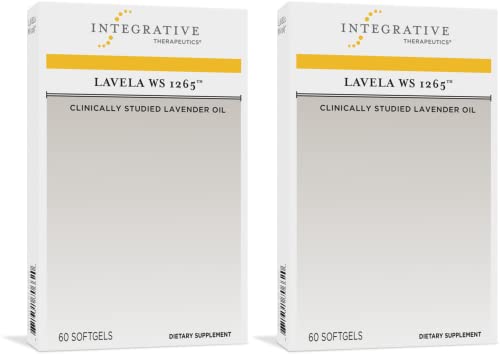
Many people find Standardized Lavender Oil Capsules convenient for once-daily use; look for products specifying the Silexan dose (80–160 mg).
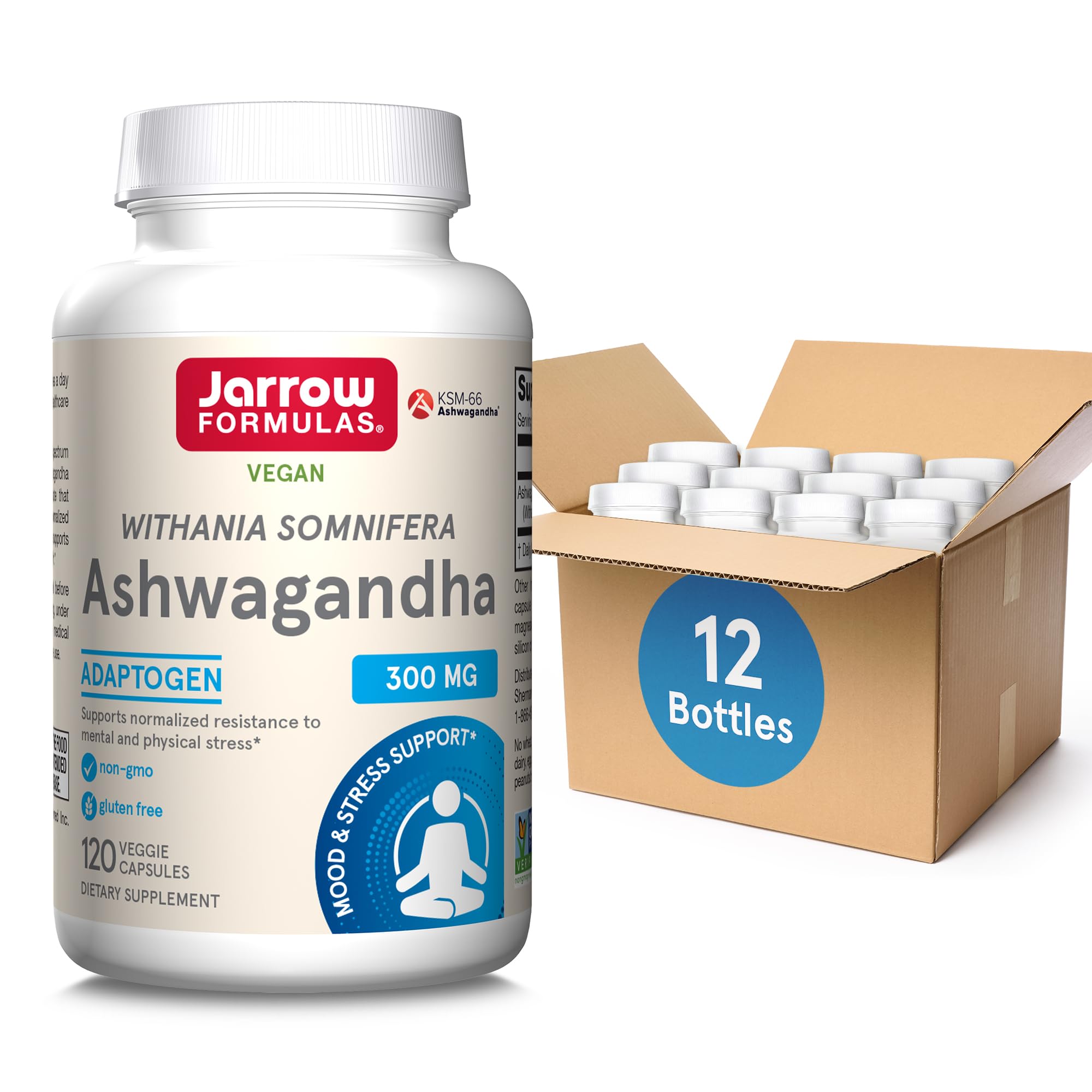
For those exploring adaptogens, a third-party tested Ashwagandha Extract 5–10% Withanolides may fit structured dosing used in trials. Review safety considerations first.
If considering kava, choose a Noble Kava Extract with COA that discloses total kavalactones and extraction method.
We do not endorse specific brands, and these mentions are for educational context only.
Prescription options: SSRIs/SNRIs and certain agents (e.g., buspirone) are first-line for generalized anxiety; benzodiazepines may be used short-term. Herbs may serve as adjuncts for milder cases or to support sleep and daytime calm.
Avoid risky combinations: do not combine St. John’s wort with serotonergic prescriptions. Use caution with sedating herbs if you take benzodiazepines, opioids, or alcohol.
Coordinate care: share all supplements with your clinician and pharmacist; consider periodic liver function tests if using kava or if you have risk factors.
Practical dosing strategies and expected timelines
Situational anxiety (e.g., performance, acute stress): consider lemon balm (300–600 mg extract), passionflower (250–500 mg), or kava (60–120 mg kavalactones) 60–90 minutes before the event. Assess sedation risk first on a non-critical day.
Generalized, ongoing anxiety: consider lavender oral extract (80–160 mg/day), chamomile extract (220–550 mg up to three times daily), or ashwagandha (240–600 mg/day) for 6–8 weeks before judging benefit. Some combine a daytime calming herb with sleep-supportive valerian at night.
Sleep with anxiety: valerian (400–600 mg at bedtime) or chamomile tea in the evening; consider adding daytime lavender or lemon balm if tolerated.
Research gaps and priorities
Larger, longer trials in diagnosed anxiety disorders (GAD, panic, social anxiety) with standardized extracts and clear dosing.
Head-to-head comparisons with first-line medications and combination strategies with psychotherapy.
Mechanistic studies clarifying GABAergic vs serotonergic vs anti-inflammatory pathways, and pharmacogenetic factors.
Robust safety surveillance, especially for rare events (e.g., liver injury) and during pregnancy/breastfeeding.
Interaction research for common polypharmacy scenarios.
What this means for you: practical takeaways
For mild to moderate anxiety, evidence-based options worth discussing with your clinician include lavender oral extract (80–160 mg/day), chamomile (standardized extract), ashwagandha (standardized extract), and carefully selected kava for short-term use.
For acute, situational anxiety, lemon balm or passionflower may help within hours; try on a quiet day first to gauge sedation.
Prioritize product quality and herb–drug interaction checks—especially with St. John’s wort and kava.
Set realistic expectations: improvements are often modest, and herbs work best alongside therapy, movement, sleep, and supportive routines.
Disclaimer
This information is for educational purposes and should not replace professional medical advice. Always consult a qualified healthcare provider before starting, stopping, or combining any herbs, supplements, or medications—especially if you have medical conditions, are pregnant or breastfeeding, or take prescription drugs.
This content is for informational purposes only and does not constitute medical advice. Always consult a qualified healthcare provider before starting, stopping, or changing any supplement or medication regimen.
Herbal Remedies for Anxiety: Evidence-Based Options & How to Choose. If you’re exploring herbal remedies for anxiety, you likely want something natural that can take the edge off without heavy side effects. This guide walks through what “herbal remedies” actually are, how they may work, and what the research says about specific options like kava, ashwagandha, lavende
Naturopathic Remedies for Anxiety: Evidence‑Based Herbs, Supplements, Lifestyle Strategies & When to See a Naturopath. If you’re exploring naturopathic remedies for anxiety, you’re likely looking for options that address root causes, feel gentler than medication, and still have evidence behind them. This guide brings together research‑informed herbs, supplements, lifestyle strategies, and mind–body tools from both w
Best Supplements for Anxiety Relief: Evidence‑Based Options, Dosage & Safety. If you’re searching for the best supplements for anxiety relief, you want what works, what’s safe, and how to use it alongside proven strategies like therapy, exercise, and good sleep. This guide reviews the most studied options—magnesium, L‑theanine, ashwagandha, GABA, valerian, CBD, B‑complex vita
Herbal Remedies for Sleep Disorders: Evidence‑Based Herbs, Dosage, Safety & How They Compare to Conventional Treatments. If you’re lying awake at 2 a.m., you may be wondering whether herbal remedies for sleep disorders can help you fall asleep faster, stay asleep longer, or wake feeling more restored. Research suggests certain herbs can modestly improve insomnia and anxiety‑related sleeplessness, while other sleep dis
Ashwagandha Dosage for Anxiety: Evidence-Based Guide. If you’re looking up ashwagandha dosage for anxiety, you likely want clear, evidence-based ranges you can discuss with your clinician—without wading through dense studies or marketing hype. Below you’ll find quick starting doses, how different extracts compare, safety notes, and practical tips on ti
Herbs to Relieve Muscle Tension: Evidence-Based Remedies, Dosage, Topicals & Safety. If tight, achy muscles are limiting your day, you may be wondering which herbs to relieve muscle tension are actually worth trying. From topical creams that warm and relax tissue to teas and tinctures that calm the nervous system and reduce inflammation, research suggests several botanicals can help