Ashwagandha Benefits: Evidence-Based Guide for Stress, Sleep & More
An evidence-forward guide to ashwagandha benefits for stress, sleep, focus, and more—plus dosing, safety, and how to choose a quality supplement.
·12 min read
This content is for informational purposes only and does not constitute medical advice. Always consult a qualified healthcare provider before starting, stopping, or changing any supplement or medication regimen.
If you’re curious about ashwagandha benefits—especially for stress, sleep, and focus—you’re not alone. This adaptogenic herb from Ayurveda has surged in popularity, and research suggests it may help the body adapt to mental and physical stress. Below, we bridge traditional wisdom with modern science so you can decide if ashwagandha fits your health plan.
What is ashwagandha?
Ashwagandha (Withania somnifera) is a small evergreen shrub native to India, the Middle East, and parts of Africa. In Ayurveda, it’s considered a rasayana—an elite class of rejuvenating herbs—traditionally used to promote vitality, resilience, and restful sleep.
Common names: Indian ginseng, winter cherry, Withania
Plant parts used: Primarily the root; some extracts include leaf
Traditional forms: Dried root powder (churna) taken in warm milk or ghee
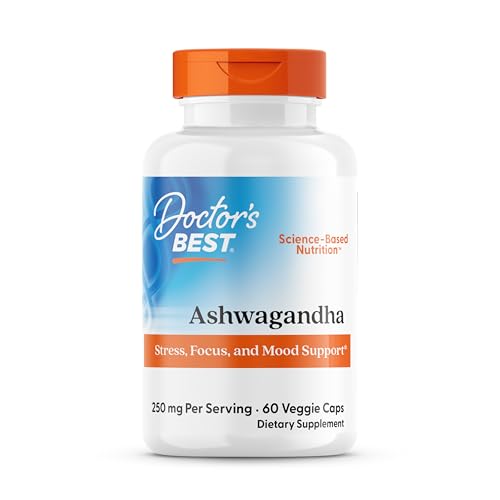
Modern forms: Capsules, tablets, standardized extracts, powders for smoothies, and tinctures
Ashwagandha is categorized as an adaptogen—an herb proposed to help normalize the stress response. While “adaptogen” is a traditional and functional term rather than a strict pharmacological category, it captures ashwagandha’s clinical focus well.
How ashwagandha works: active compounds and proposed mechanisms
Ashwagandha contains a family of steroidal lactones called withanolides (e.g., withanolide A) and withaferin A, along with alkaloids and saponins. These compounds have several proposed actions:
HPA-axis modulation: Studies indicate ashwagandha may help recalibrate the hypothalamic–pituitary–adrenal (HPA) axis, which governs cortisol output. Lower or more stable cortisol has been observed alongside improved stress tolerance in several trials (e.g., Chandrasekhar 2012; Lopresti 2019; Ng 2020/2021).
GABAergic support: Preclinical research suggests ashwagandha can enhance signaling through GABA, a calming neurotransmitter, which may contribute to effects on anxiety and sleep (emerging evidence).
Anti-inflammatory activity: Withanolides can inhibit NF-κB, a key controller of inflammatory pathways, and may reduce pro-inflammatory cytokines (preclinical and limited human biomarker data; emerging evidence).
Antioxidant and mitochondrial support: Animal and cell studies show increased antioxidant enzymes (e.g., superoxide dismutase) and improved cellular resilience, which could underpin cognitive and exercise benefits (emerging evidence).
Thyroid influence: Limited human data and animal studies suggest ashwagandha may promote thyroid hormone production in some contexts—potentially useful for certain individuals and risky for others (see Safety; Sharma 2018 RCT; case reports exist).
Neuroplasticity: Early evidence indicates potential upregulation of brain-derived neurotrophic factor (BDNF), which supports learning and memory, though human data remain limited (emerging evidence).
These mechanisms are plausible but not fully proven in humans. Still, they align with outcomes reported in clinical trials on stress, sleep, and performance.
Ashwagandha benefits: What the research says
Below, we grade the evidence for key outcomes using our scale: strong (multiple RCTs/meta-analyses), moderate (limited RCTs or consistent observational data), emerging (preliminary human data or mixed findings), and traditional (historical use without modern trials).
What studies indicate: Multiple randomized controlled trials (typically 240–600 mg/day of standardized extract for 6–12 weeks) show reductions in perceived stress and anxiety scores, with modest decreases in morning cortisol often in the ~15–30% range (e.g., Chandrasekhar 2012; Pratte 2014 meta-analysis; Lopresti 2019; Ng 2020/2021 review).
Who may benefit: People with mild-to-moderate stress or anxiety. Reported benefits commonly appear within 2–8 weeks.
Notes: Effects are generally additive to lifestyle measures like sleep hygiene, breathwork, or cognitive-behavioral strategies. See Stress Management.
Sleep quality and insomnia (evidence: moderate)
What studies indicate: Several RCTs report improvements in sleep onset latency, total sleep time, and subjective sleep quality (e.g., PSQI scores) with doses from 120–600 mg/day; daytime functioning has also improved in some studies (Langade 2019; Salve 2019/2020; Deshpande 2020).
Who may benefit: Individuals with stress-related sleep difficulties or mild insomnia. Effects often appear by week 4.
Notes: Evening dosing was common in sleep-focused trials, with some protocols administering a dose 30–60 minutes before bedtime (Langade 2019).
Cognitive function and memory (evidence: emerging to moderate)
What studies indicate: Small trials (often 300–600 mg/day for 8–12 weeks) report improvements in immediate and general memory, attention, and executive function in adults with mild cognitive complaints or high stress (Choudhary 2017; Gopukumar 2021).
Who may benefit: Stressed professionals, students, and older adults with subjective cognitive decline.
Notes: Effect sizes are modest and not universal; larger, longer trials are needed.
Athletic performance and recovery (evidence: emerging to moderate)
What studies indicate: Trials in recreationally active people suggest increased strength and power, modest VO2 max improvements, and reduced exercise-induced muscle damage with 500–600 mg/day taken for 8–12 weeks alongside training (Wankhede 2015; Shenoy/Sandhu 2012; Ziegenfuss 2018).
Who may benefit: Novice to intermediate trainees; results in elite athletes are unclear.
Notes: Protein intake, creatine, and well-designed training programs may amplify or overshadow benefits. See Creatine Guide.
Hormone support: testosterone and thyroid (evidence: mixed; generally emerging to moderate)
Testosterone: Some RCTs show small increases in testosterone and improvements in vitality or sexual well-being in stressed men or those starting resistance training (often 600 mg/day), with inconsistent findings in healthy, eugonadal men (Wankhede 2015; Lopresti 2019).
Thyroid: A small RCT in subclinical hypothyroidism reported increases in T4 and T3 with ashwagandha compared with placebo (Sharma 2018). Conversely, case reports describe elevated thyroid hormones and thyrotoxicosis temporally associated with use; individuals with thyroid disorders are best managed with clinician oversight.
Potential benefits with emerging or limited evidence
Immunity (evidence: emerging)
Small human studies suggest increases in certain immune cell activities and improved resilience under stress; real-world impacts on infection risk remain unclear (Auddy 2008; Ng 2020/2021 review).
Inflammation and pain (evidence: emerging)
Some trials note reductions in inflammatory markers (e.g., hs-CRP) and joint discomfort in mixed populations, though data are limited and variable; preclinical work supports anti-inflammatory mechanisms via NF-κB inhibition (Ramakanth 2016; laboratory studies).
Fertility (evidence: emerging)
Men: Several small studies in men with subfertility report improved sperm count, motility, and oxidative stress markers after 8–12 weeks (Ambiye 2013; Mahdi 2011).
Women: Human data are sparse; discussion with a clinician is advisable when trying to conceive.
Preliminary studies and adjunctive trials hint at benefits for depressive symptoms in stressed populations; robust evidence in major depressive disorder is not yet established (Lopresti 2019).
Dosage, forms, and timing
Extracts vs. root powder
Standardized extracts: Most clinical studies use extracts standardized to total withanolides (often 2.5–10%). These allow more consistent dosing across studies.
Root powder (churna): Traditional use is 3–6 g/day, typically mixed with warm milk or ghee. Modern clinical evidence is stronger for standardized extracts.
Popular extract types
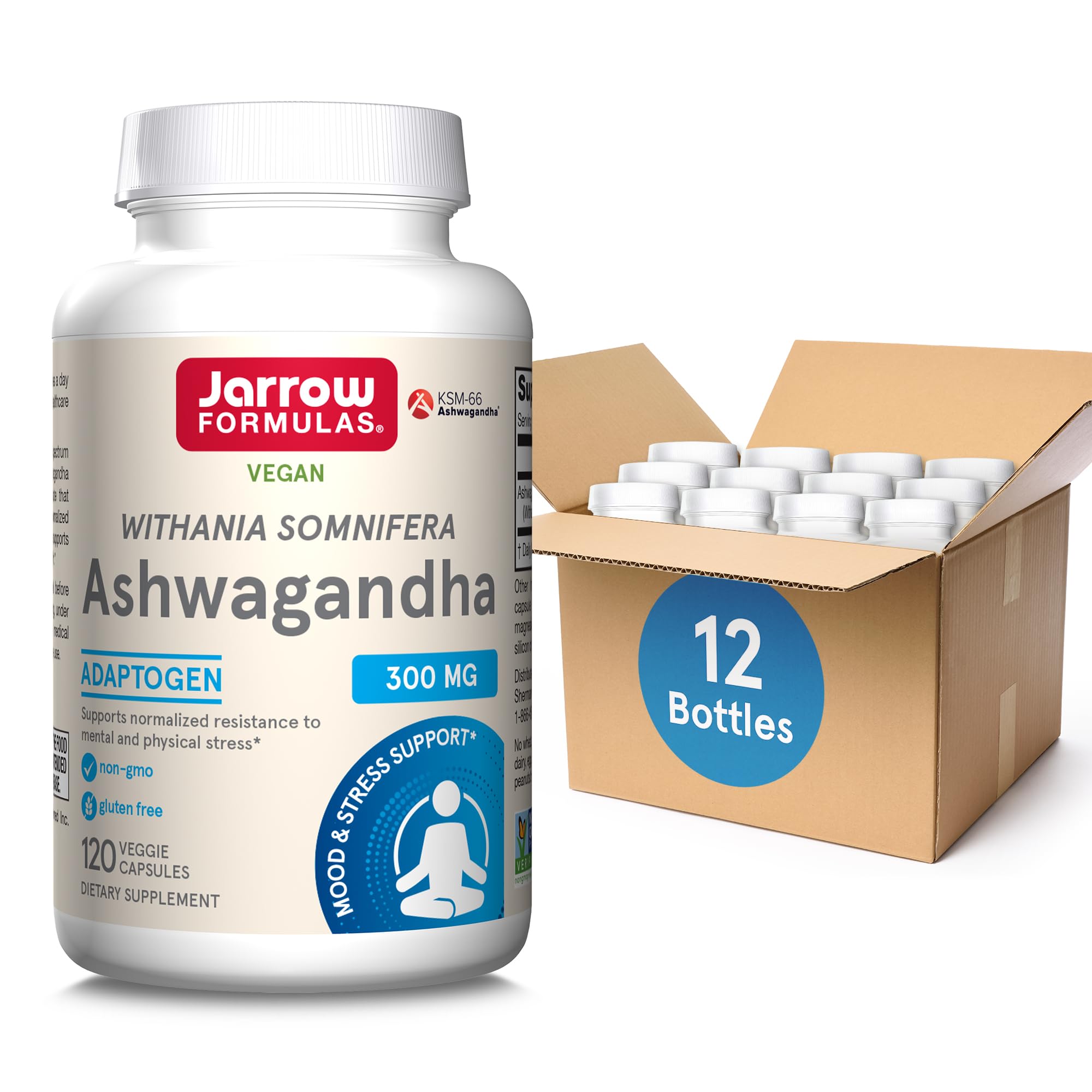
KSM-66: A full-spectrum root-only extract typically standardized to ≥5% withanolides. Common study doses: 300–600 mg/day (e.g., Wankhede 2015; Langade 2019).
Sensoril: A higher-standardization extract often around 10% withanolides, derived from root and leaf. Common study doses: 125–250 mg once or twice daily (e.g., Auddy 2008; Ziegenfuss 2018).
Note: Standardization methods vary by brand. The withanolide percentage is not the only predictor of effect; extract profile and quality also matter.
Doses used in research
Stress/anxiety: 240–600 mg/day of standardized extract for 6–12 weeks
Sleep: 120–600 mg/day, often with evening administration
Cognitive: 300–600 mg/day for 8–12 weeks
Athletic performance: 500–600 mg/day with training programs for 8–12 weeks
Traditional root powder: 3–6 g/day in divided doses
Timing and stacking tips
With or without food: Studies include both approaches; coadministration with food is sometimes used when gastrointestinal upset occurs.
For sleep: Some trials administered an evening dose 30–60 minutes before bed (Langade 2019).
For performance: Several protocols used split dosing (morning and evening) during training periods (Wankhede 2015).
Stacking: In practice, some pair ashwagandha with magnesium glycinate for relaxation or L-theanine for focus. Tracking one change at a time can make it easier to attribute effects.
Safety, side effects, and interactions
Overall, ashwagandha is well tolerated in short-term studies (most 8–12 weeks). However, it’s not for everyone.
Thyroid disorders: Ashwagandha may increase thyroid hormone in some individuals. Use is generally discouraged in hyperthyroidism. Those with hypothyroidism or on levothyroxine are typically managed with clinician input and periodic labs (Sharma 2018; case reports of thyrotoxicosis exist).
Pregnancy and lactation: Traditionally avoided; modern safety data remain insufficient. Discuss risks and alternatives with an obstetric clinician before use.
Autoimmune conditions: Immune-modulating effects may be problematic for some; coordination with a specialist can help individualize decisions.
Liver health: Rare case reports of liver injury have been published (NIH LiverTox 2024). Individuals with liver disease are often advised to avoid use or to proceed only with medical monitoring. Symptoms such as jaundice, dark urine, or severe fatigue merit prompt medical evaluation.
Surgery: Perioperative policies frequently address herbal supplements that may interact with anesthesia or sedatives; many centers ask patients to pause sedative-acting botanicals 1–2 weeks before procedures. Confirm timing with your surgical team (American Society of Anesthesiologists patient guidance).
Drug and supplement interactions
Sedatives and CNS depressants (e.g., benzodiazepines, certain sleep aids): Potential for additive calming effects.
Thyroid medication: Potential to alter thyroid hormone levels.
Antihypertensives: May modestly lower blood pressure; may warrant monitoring.
Diabetes medications: May modestly lower blood sugar; may warrant monitoring.
Immunosuppressants: Theoretical antagonism due to immune-modulating effects.
If you take prescription medications, review ashwagandha with your healthcare professional before starting.
How to choose a quality ashwagandha supplement
What to look for
Standardization: Clear withanolide content (e.g., 5% or 10%). Root-only vs. root+leaf should be specified.
Third-party testing: USP, NSF, ConsumerLab seals, or access to a Certificate of Analysis (CoA) confirming identity, potency, and purity.
Contaminant screening: Heavy metals, pesticides, residual solvents, and microbiological testing.
Transparent sourcing and extraction: Reputable supply chains and gentle extraction methods.
Minimal additives: Avoid unnecessary fillers, artificial colors, or proprietary blends that obscure dose.
Recommended product types (not medical or purchase advice)
Root-only extract capsules (e.g., KSM-66): Many people find KSM-66 Ashwagandha Capsules convenient for daily stress-support routines. Look for third-party testing.
Higher-potency extract (e.g., Sensoril): For lower-dose, higher-standardization options, some prefer Sensoril Ashwagandha Extract. Review the withanolide percentage and CoA.
Organic root powder: If you like smoothies or traditional prep, Organic Ashwagandha Root Powder can be an economical choice. Verify heavy metal testing.
We do not endorse specific products; select based on quality standards and your clinician’s guidance.
Practical takeaways: How to use this information
A cautious approach: In studies, daily totals often ranged from 240–600 mg of standardized extract. In clinical practice, some clinicians introduce a lower amount (e.g., 150–300 mg/day) and reassess tolerance before any adjustments.
Match the form to the goal: Root-only extracts (e.g., KSM-66) appear frequently in studies on general stress and performance; higher-standardization blends (e.g., Sensoril) appear in lower-dose regimens.
Timing aligned with outcomes: Daytime stress studies often used morning dosing; sleep-focused protocols commonly used evening dosing.
Combine with fundamentals: Nutrition, movement, light exposure, and stress skills remain foundational. See our Adaptogens Guide and Sleep Hygiene.
Track outcomes: Simple tools—sleep diaries, 0–10 stress ratings, or training logs—can clarify benefit by weeks 4–8.
Reassess over time: Published evidence beyond about 3 months is limited; periodic check-ins with a clinician are prudent.
FAQs
How quickly does ashwagandha work? Many people notice changes within 2–4 weeks; some within the first week for sleep. Full effects often take 6–8 weeks, based on trial timelines.
Can I take it long-term? Most research spans 8–12 weeks. For longer use, periodic clinical review—and labs when relevant (e.g., thyroid)—can support safe ongoing decisions.
Will it make me sleepy? It can feel calming; a minority report daytime drowsiness. Some people address this by changing timing or using smaller amounts, ideally with clinician input.
Can women take ashwagandha? Yes, though safety in pregnancy and lactation is unclear; discussion with an obstetric clinician is important. Data for PCOS and fertility are limited.
Is it safe with SSRIs or anti-anxiety meds? Evidence is limited, and additive sedation is possible. Coordinating with the prescribing clinician helps assess risks and benefits.
How does ashwagandha compare with rhodiola? Rhodiola is often more stimulating and may suit daytime fatigue; ashwagandha tends to be more calming. See Rhodiola Benefits.
When to consult a healthcare professional
You have thyroid, liver, autoimmune, or psychiatric conditions
You’re pregnant, trying to conceive, or breastfeeding
You take prescription medications (thyroid, blood pressure, diabetes, sedatives, or immunosuppressants)
You experience concerning symptoms such as jaundice, severe fatigue, palpitations, unusual anxiety, or worsening sleep
What the Research Says (snapshot by outcome and evidence level)
Stress and anxiety: Multiple RCTs and meta-analyses show meaningful reductions in perceived stress and modest cortisol decreases (evidence: moderate to strong; e.g., Pratte 2014; Ng 2020/2021; Chandrasekhar 2012; Lopresti 2019).
Sleep: Several RCTs show improved subjective sleep quality and latency (evidence: moderate; e.g., Langade 2019; Salve 2019/2020).
Cognitive: Small RCTs suggest modest gains in memory and attention (evidence: emerging to moderate; Choudhary 2017; Gopukumar 2021).
Performance: Small RCTs indicate improvements in strength and VO2 max with training (evidence: emerging to moderate; Wankhede 2015; Shenoy/Sandhu 2012).
Hormones: Mixed results—modest testosterone increases in some men; thyroid effects context-dependent and require caution (evidence: emerging to moderate; Wankhede 2015; Sharma 2018; case reports).
Immunity, inflammation, fertility, mood disorders: Preliminary human data with encouraging signals but not definitive (evidence: emerging).
Disclaimer
This guide is for educational purposes and does not substitute for personalized medical advice. Always consult a qualified healthcare professional before starting, pausing, or combining supplements—especially if you have medical conditions, are pregnant or breastfeeding, or take prescription medications.
References (selected)
Auddy B et al. A standardized Withania somnifera extract significantly reduces stress and improves quality of life in adults. JANA. 2008.
Chandrasekhar K et al. A prospective, randomized double-blind, placebo-controlled study of safety and efficacy of a high-concentration full-spectrum ashwagandha root extract in reducing stress and anxiety in adults. Indian J Psychol Med. 2012.
Choudhary D et al. Efficacy of ashwagandha (Withania somnifera) on cognitive functions in adults with mild cognitive impairment. J Diet Suppl. 2017.
Deshpande A et al. Effects of ashwagandha on sleep parameters in adults: randomized, placebo-controlled study. (Study reporting PSQI changes). 2020.
Langade D et al. Efficacy and safety of ashwagandha root extract in insomnia and anxiety: A double-blind, randomized, placebo-controlled study. Medicine (Baltimore). 2019.
Lopresti AL et al. A randomized, double-blind, placebo-controlled, crossover study examining the hormonal and vitality effects of ashwagandha in adults under chronic stress. Medicine (Baltimore). 2019.
Mahdi AA et al. Withania somnifera improves semen quality in stress-related male infertility. Evid Based Complement Alternat Med. 2011.
Ng QX et al. A systematic review (and meta-analysis) of Withania somnifera for stress and anxiety. Complement Ther Med. 2020/2021.
Pratte MA et al. An evidence-based systematic review of ashwagandha for anxiety. J Altern Complement Med. 2014.
Ramakanth GS et al. A randomized, double-blind, placebo-controlled study of ashwagandha in knee osteoarthritis. J Ayurveda Integr Med. 2016.
Sharma AK et al. Efficacy and Safety of ashwagandha root extract in subclinical hypothyroidism: A double-blind, randomized placebo-controlled trial. J Altern Complement Med. 2018.
Shenoy S, Sandhu JS et al. Effects of ashwagandha on cardiorespiratory endurance and VO2 max in healthy adults. AYU. 2012.
Wankhede S et al. Examining the effect of Withania somnifera supplementation on muscle strength and recovery: A randomized controlled trial. J Int Soc Sports Nutr. 2015.
Ziegenfuss TN et al. Effects of Sensoril ashwagandha on measures of cognition, stress, and recovery in healthy adults engaged in resistance training. J Int Soc Sports Nutr. 2018.
Looking to understand other botanicals? Explore Turmeric Benefits and our Adaptogens Guide for evidence snapshots and practical tips.
This content is for informational purposes only and does not constitute medical advice. Always consult a qualified healthcare provider before starting, stopping, or changing any supplement or medication regimen.
If you’re curious about ashwagandha side effects, you’re not alone. This popular adaptogenic herb is widely used for stress and sleep support, but like any biologically active supplement, it can cause
Does Ashwagandha Really Work? Evidence, Dosage & Safety Guide. If you’re wondering “does ashwagandha really work,” you’re not alone. This traditional Ayurvedic herb has exploded in popularity for stress, sleep, energy, and even testosterone support. Research suggests there’s real potential—especially for stress and sleep—though benefits vary by person, dose, an
How Long Does Ashwagandha Take to Work? Timelines, Evidence & Tips. If you’ve started (or are considering) ashwagandha and are wondering how long ashwagandha takes to work, you’re not alone. Research suggests many people notice early shifts in stress, sleep, or calm within 2–4 weeks, with fuller benefits building by 6–8 weeks. This guide blends clinical evidence wit
Is Ashwagandha Safe Long Term? Evidence, Risks & Dosage. If you’re asking “is ashwagandha safe long term,” you’re not alone. Ashwagandha (Withania somnifera) is one of the most popular adaptogenic herbs used for stress, sleep, and energy. Short-term studies generally show good tolerability, but many people want to know what happens after months of daily u
Ashwagandha Dosage for Anxiety: Evidence-Based Guide. If you’re looking up ashwagandha dosage for anxiety, you likely want clear, evidence-based ranges you can discuss with your clinician—without wading through dense studies or marketing hype. Below you’ll find quick starting doses, how different extracts compare, safety notes, and practical tips on ti