Ashwagandha Side Effects: Risks, Interactions, and Safety Guide
Learn ashwagandha side effects, who should avoid it, interactions, dosing, and safety tips. Evidence-based guide to reduce risk; talk with your clinician.
·12 min read
This content is for informational purposes only and does not constitute medical advice. Always consult a qualified healthcare provider before starting, stopping, or changing any supplement or medication regimen.
If you’re curious about ashwagandha side effects, you’re not alone. This popular adaptogenic herb is widely used for stress and sleep support, but like any biologically active supplement, it can cause unwanted effects and interact with medications. This guide reviews what research suggests about safety, who should avoid it, how dose and product quality matter, and practical steps to reduce risk.
What is ashwagandha? Uses, forms, and typical dosages
Ashwagandha (Withania somnifera), also called Indian ginseng or winter cherry, is a foundational herb in Ayurveda traditionally used as a rasayana (rejuvenative) for vitality, resilience, and sleep. Modern research suggests adaptogenic effects—helping the body modulate its stress response—possibly by influencing the HPA axis and GABAergic signaling. Evidence for benefits is mixed to moderate depending on outcome (stress, sleep, mild anxiety), and safety depends on dose, duration, and individual factors.
Forms you’ll see:
Whole root powder (churna): Traditionally taken 3–6 g/day, often with warm milk or ghee. Flavor is earthy/bitter. Evidence level: traditional (Ayurvedic texts and practitioner reports).
Standardized extracts: Typically contain 2.5–10% withanolides (the major active compounds). Common study amounts are 120–600 mg/day, often 300–600 mg/day in divided doses for 6–12 weeks. Evidence level: moderate (multiple randomized trials and observational studies).
Specialized extracts: Some branded extracts use root-only; others combine root and leaf, with differing withanolide profiles. Formulation may influence both effects and side effects. Evidence level: emerging (comparative data limited).
Gummies, capsules, tinctures, and teas: Excipients (sweeteners, alcohol), dosing accuracy, and stability can vary. Evidence level: emerging (formulation-quality studies are limited).
Typical studied dosages:
Many clinical trials used 300–600 mg/day of a root extract standardized to about 5% withanolides for 6–12 weeks. Evidence level: moderate.
Traditional root powder 1–2 teaspoons (about 3–6 g) daily appears in classical use. Evidence level: traditional. Note: Traditional use does not equate to proven modern safety at these amounts, particularly alongside medications.
Note: Withanolide content and extract potency can differ substantially between products. Two capsules with the same “mg” amount may deliver different levels of active compounds.
Common Ashwagandha Side Effects
Most people tolerate ashwagandha at modest amounts, but common side effects do occur, especially during the first 1–2 weeks or with higher intakes.
Gastrointestinal upset: Nausea, stomach discomfort, loose stools, or diarrhea are regularly reported. Evidence level: moderate (noted in multiple trials and post-market reports). Taking products with food was associated with fewer GI complaints in some reports.
Drowsiness or sedation: Some individuals feel sleepy or “heavy,” particularly early on or at nighttime doses. Sedation can impair driving; use caution. Evidence level: moderate.
Headache: Usually mild and transient. Evidence level: moderate.
Dizziness or lightheadedness: May relate to mild blood pressure effects or sedation in sensitive users. Evidence level: emerging to moderate.
Traditional perspective: Ayurveda describes ashwagandha as “heavy” and “unctuous,” which practitioners say may aggravate digestive sluggishness or a sense of heaviness in some people when taken in larger amounts or with rich foods. Evidence level: traditional.
Less Common and Serious Side Effects: What the Evidence Shows
Although uncommon, more serious reactions have been documented.
Allergic reactions: Rash, itching, hives, facial or throat swelling, and difficulty breathing can occur in sensitive individuals. These symptoms warrant urgent medical care. Evidence level: emerging (case reports and clinical experience).
Liver injury: Since 2019, case reports and small case series from multiple countries have described cholestatic or mixed-pattern liver injury developing within 2–12 weeks of starting ashwagandha. Symptoms included fatigue, pruritus (itching), jaundice, dark urine, and right upper abdominal pain. Most cases improved after the herb was discontinued; a few required hospitalization and steroid treatment. A precise mechanism is unclear and may involve idiosyncratic immune reactions, higher withanolide/withaferin A content, leaf-containing extracts, or contamination/adulteration. While overall risk appears low, the signal is strong enough that clinicians increasingly caution users—especially those with pre-existing liver disease or on hepatotoxic drugs. Evidence level: emerging (pharmacovigilance signals and case literature).
Thyroid effects: Small human studies and case reports suggest ashwagandha may influence thyroid hormones, sometimes increasing T3/T4 and lowering TSH. In susceptible individuals or those on thyroid medication, this may contribute to symptoms of hyperthyroidism (palpitations, anxiety, heat intolerance) or alter medication needs. Evidence level: emerging to moderate (small trials and case reports).
Blood pressure and blood sugar shifts: Research indicates modest reductions in blood pressure or fasting glucose in some users. In combination with medications, this could tip into dizziness, faintness, or hypoglycemia. Evidence level: emerging to moderate (small trials and meta-analyses with heterogeneity).
GI ulcer aggravation: Animal data and practitioner reports suggest possible gastric irritation at high amounts for some people; human evidence is limited. Evidence level: emerging (preclinical and anecdotal).
Overall, the vast majority of users do not experience severe events, but being alert to early warning signs—especially of liver or thyroid effects—may help reduce risk.
Who Should Avoid Ashwagandha
Pregnancy: Traditionally contraindicated; animal data and historical texts raise concerns about uterine stimulation. There are no robust safety trials in pregnancy. Use is generally not advised without individualized clinician oversight. Evidence level: traditional to emerging.
Breastfeeding: Insufficient data on transfer into breast milk and infant safety. Many experts advise against routine use pending more evidence. Evidence level: emerging.
Autoimmune conditions (e.g., lupus, rheumatoid arthritis, multiple sclerosis): Ashwagandha has immunomodulating effects. While some people report benefit, there is a theoretical risk of immune activation that could exacerbate autoimmunity or reduce the effectiveness of immunosuppressants. Consider specialist guidance. Evidence level: emerging.
Thyroid disorders: Because ashwagandha may affect thyroid hormones, people with hyperthyroidism or those treated for hypothyroidism are best served by clinician-supervised decisions and monitoring. Evidence level: emerging to moderate.
Liver disease or prior herb/drug-induced liver injury: Given case reports of cholestatic injury, conservative clinicians often avoid use or arrange baseline and follow-up liver tests if considering a trial. Evidence level: emerging.
Children: Traditional systems sometimes use ashwagandha in pediatrics, but modern safety data are limited. Routine use in children is generally deferred to qualified pediatric clinicians. Evidence level: emerging to traditional.
Drug and Supplement Interactions
Interactions range from theoretical to clinically significant. When in doubt, a pharmacist or clinician can help evaluate risks.
Sedatives/CNS depressants: Potential additive drowsiness with benzodiazepines, Z-drugs (zolpidem), barbiturates, opioids, some antihistamines, muscle relaxants, and alcohol. Many clinicians advise avoiding concurrent use or exercising extra caution due to impaired alertness. Evidence level: moderate (consistent AE patterns; mechanistic plausibility).
Thyroid medications (levothyroxine, liothyronine, antithyroid drugs): Ashwagandha may alter thyroid hormone levels, potentially necessitating dose adjustments. Combining with thyroid meds without monitoring increases risk of over- or undertreatment. Evidence level: emerging to moderate.
Immunosuppressants (e.g., corticosteroids at immunosuppressive doses, tacrolimus, cyclosporine, biologics): Ashwagandha’s immunomodulatory actions could theoretically oppose these agents. Specialist input is advisable. Evidence level: emerging (mechanistic and limited clinical data).
Blood sugar medications (metformin, sulfonylureas, insulin) and supplements (berberine): Additive glucose-lowering may lead to hypoglycemia. Evidence level: emerging to moderate (small trials, case experience).
Blood pressure medications (ACE inhibitors, ARBs, beta-blockers, calcium channel blockers, diuretics) and supplements (nitric oxide boosters): Additive effects may contribute to dizziness or hypotension. Evidence level: emerging to moderate.
Hepatotoxic drugs or alcohol: Given rare reports of liver injury, combining with other liver stressors may increase risk. Limiting alcohol during any trial period may reduce uncertainty. Evidence level: emerging.
CYP enzyme interactions: In vitro studies suggest potential effects on drug-metabolizing enzymes (e.g., CYP3A4), but high-quality human data are limited. Treat as a theoretical risk and monitor for unexpected medication effects. Evidence level: emerging.
Dose, Product Quality, and Formulation: How They Affect Safety
Not all ashwagandha is created equal. Safety relates to what—and how much—you actually ingest.
Standardized extracts vs. whole root powder: Extracts provide more consistent withanolide content. Root-only extracts generally have different profiles than leaf+root combinations. Some liver injury reports involved high-withanolide or leaf-containing products; while not definitive, many clinicians favor root-only extracts when safety is the priority. Evidence level: emerging.
Dose matters: Side effects tend to rise with higher amounts. In research, standardized root extracts were commonly studied at 120–600 mg/day for 6–12 weeks. Decisions about amount, timing, and whether to titrate are best individualized with a clinician who can account for health status and medications. Evidence level: moderate for studied ranges; emerging for long-term use.
Third-party testing: Products tested by independent groups (e.g., USP, NSF, Informed Choice, or documented internal/external assays) may reduce contamination and mislabeling risk. Heavy metals and adulterants have been found in some Ayurvedic-style products. Evidence level: moderate (quality surveys and enforcement actions).
Excipients and delivery forms: Gummies may add sugars/sugar alcohols that upset digestion. Tinctures contain alcohol. Capsules often use flow agents. Those who are sensitive may prefer simpler formulas. Evidence level: emerging.
Freshness and storage: Withanolides can degrade. Purchasing from brands with clear lot numbers and dating, and storing away from heat and moisture, may help maintain potency. Evidence level: emerging.
Many readers prefer a product with transparent testing and root-only extraction; if you and your clinician decide to try ashwagandha, a third-party tested option like Third-Party Tested Ashwagandha Extract may be worth considering for quality assurance. This is not a medical endorsement.
What the Research Says
Common side effects (GI upset, drowsiness, headache): Evidence level moderate. Multiple randomized trials and observational reports note mild adverse events at rates similar to or slightly above placebo; many resolve when amounts are lowered or when taken with food in study contexts.
Serious liver injury: Evidence level emerging. Growing clusters of case reports and pharmacovigilance signals describe cholestatic hepatitis temporally associated with ashwagandha. Incidence is unknown; causality is probable in some cases but not uniformly proven. Mechanism uncertain.
Thyroid effects: Evidence level emerging to moderate. Small human studies and case reports suggest increased T3/T4 and lowered TSH in some individuals. Clinical significance varies; monitoring is prudent in thyroid disease or medication use.
Blood pressure and glucose effects: Evidence level emerging to moderate. Modest reductions reported in small trials; clinically meaningful interactions can occur when combined with medications.
Sedation and CNS effects: Evidence level moderate. Drowsiness and somnolence are commonly reported; potential GABAergic modulation is supported by preclinical studies.
Traditional safety context: Evidence level traditional. Ayurveda has used ashwagandha for centuries, typically in balanced formulas and individualized dosing, often taken with food or milk to buffer the gut.
Mild symptoms: In clinical studies and case narratives, gastrointestinal symptoms often improved when participants took products with meals or used lower amounts. Discussing these options with a clinician or pharmacist can help determine next steps for your situation.
Persistent or moderate symptoms: If symptoms continue or interfere with daily activities, prompt consultation with a healthcare professional is advisable; they may suggest evaluation, lab testing, or discontinuation based on clinical judgment.
Severe symptoms (especially liver or allergic signs): Severe symptoms warrant urgent medical attention. Having the product bottle and lot number available can assist the care team in assessment.
Testing and follow-up:
If symptoms suggest liver involvement, a clinician may order liver enzymes (ALT, AST), bilirubin, ALP, and possibly imaging.
For thyroid concerns, TSH, free T4, and possibly free T3 can help assess changes.
How to report:
In the United States, supplement adverse events can be reported to FDA MedWatch (search “MedWatch report”).
In Canada, use Health Canada’s adverse reaction reporting system.
In the UK, use the MHRA Yellow Card scheme.
Keep the product, lot number, receipts, and your notes; these details help investigators and your care team.
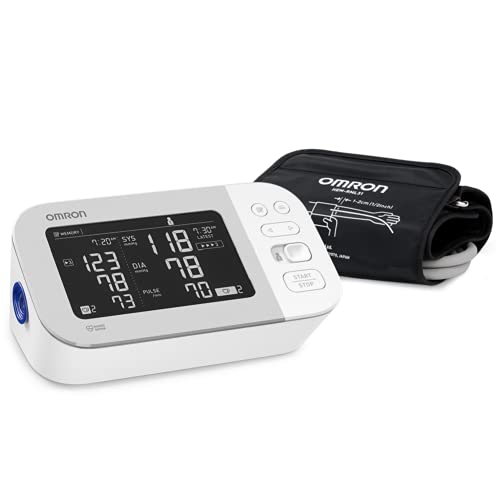
If you’re monitoring potential interactions, an At-Home Blood Pressure Monitor can help you and your clinician spot trends earlier. These tools support awareness; they are not a substitute for medical care.
Practical Safety Tips and Talking With Your Clinician
Practical safety tips:
Amounts used in studies: Standardized root extracts are often studied at 120–600 mg/day for 6–12 weeks. Decisions about if, when, and how much to use are best individualized with a clinician who knows your health history.
Taking with food: Across reports, taking ashwagandha with meals has been associated with fewer GI symptoms for some users.
Product selection: Root-only, third-party tested products with clear withanolide standardization are often selected to support consistency and quality.
Sedatives and alcohol: Combining ashwagandha with sedatives or alcohol may increase drowsiness and impair driving; many clinicians advise avoiding this combination or using heightened caution.
Duration and reassessment: Because many trials last 6–12 weeks, those considering longer-term use may benefit from periodic reassessment with a clinician, and when relevant, lab monitoring (for example, liver enzymes or thyroid labs in higher-risk groups).
Changes one at a time: Introducing multiple new supplements simultaneously makes it difficult to identify the cause of side effects; some people prefer to make changes one at a time and keep a symptom log.
Conversation points for your clinician:
Your goals and alternatives: “I’m considering ashwagandha for stress/sleep. Are there safer options or dosing strategies for me?”
Your medication list: Especially sedatives, thyroid meds, blood sugar and blood pressure medications, immunosuppressants, and any liver-metabolized drugs.
Your health history: Pregnancy plans, autoimmune or thyroid disease, liver issues, past herb/drug reactions.
Monitoring plan: Whether to check labs (TSH/free T4, liver enzymes), timing, and what symptoms warrant reevaluation.
Product choice: Thoughts on standardized root-only extracts, withanolide percent, and third-party testing.
Further reading on GoldBamboo:
Adaptogens: Benefits and Risks
How to Choose a Quality Supplement
Herb–Drug Interactions: What to Ask Your Pharmacist
Disclaimer
This article is for educational purposes and does not substitute for personalized medical advice. Supplements can interact with medications and may not be safe for everyone. Consult a qualified healthcare professional before making any changes to supplements or medications, especially if you are pregnant or breastfeeding, have chronic conditions, or take prescription drugs.
This content is for informational purposes only and does not constitute medical advice. Always consult a qualified healthcare provider before starting, stopping, or changing any supplement or medication regimen.
If you’re curious about ashwagandha benefits—especially for stress, sleep, and focus—you’re not alone. This adaptogenic herb from Ayurveda has surged in popularity, and research suggests it may help t
Is Ashwagandha Safe Long Term? Evidence, Risks & Dosage. If you’re asking “is ashwagandha safe long term,” you’re not alone. Ashwagandha (Withania somnifera) is one of the most popular adaptogenic herbs used for stress, sleep, and energy. Short-term studies generally show good tolerability, but many people want to know what happens after months of daily u
Ashwagandha and Blood Pressure Medication: Risks, Interactions & What to Know. If you take medication for high blood pressure, you may wonder whether ashwagandha can fit into your plan. The short answer: ashwagandha and blood pressure medication can sometimes be used together, but there’s a real risk of additive blood‑pressure lowering, dizziness, or drug–herb interactions for
Does Ashwagandha Really Work? Evidence, Dosage & Safety Guide. If you’re wondering “does ashwagandha really work,” you’re not alone. This traditional Ayurvedic herb has exploded in popularity for stress, sleep, energy, and even testosterone support. Research suggests there’s real potential—especially for stress and sleep—though benefits vary by person, dose, an
Best Ashwagandha Supplements: Top Picks, Dosing & Safety. If you’re hunting for the best ashwagandha supplement, you’re probably comparing labels, wondering which extracts are legit, and how much you actually need. Below you’ll find our 2026 top picks, how we evaluated them, what the research says, and practical dosing and safety guidance so you can buy wi
Ashwagandha Dosage for Anxiety: Evidence-Based Guide. If you’re looking up ashwagandha dosage for anxiety, you likely want clear, evidence-based ranges you can discuss with your clinician—without wading through dense studies or marketing hype. Below you’ll find quick starting doses, how different extracts compare, safety notes, and practical tips on ti