

Ashwagandha
Overview
Ashwagandha (Withania somnifera), sometimes called Indian ginseng or winter cherry, is a botanical widely used in traditional medicine systems, especially Ayurveda. The root is the most commonly used part in supplements, though leaf extracts also appear in some products. In contemporary health discussions, ashwagandha is often categorized as an adaptogen—a term used to describe herbs traditionally used to support the body’s response to stress. Interest in ashwagandha has grown substantially in recent years, with research exploring its possible roles in stress resilience, sleep quality, physical performance, cognition, and metabolic health.
Ashwagandha is significant because it sits at the intersection of traditional herbal practice and modern supplement research. Its active constituents include withanolides, steroidal lactones thought to contribute to many of its biological effects. Commercial products vary widely in plant part used, extraction method, and standardization of withanolide content, which makes interpretation of research more complex. This variability is important in understanding why study findings may not always translate evenly across products.
From a public health perspective, ashwagandha is commonly discussed in relation to stress, anxiety, fatigue, sleep disturbance, and general vitality. Some clinical trials suggest benefits in stress-related outcomes and selected measures such as sleep quality or exercise recovery, but the evidence is not uniform across all uses. Safety is also part of the discussion: while many studies report relatively good short-term tolerability, case reports and safety reviews have raised questions about possible liver injury, thyroid-related effects, gastrointestinal symptoms, sedation, and interactions with medications or underlying conditions.
Overall, ashwagandha is best understood as a traditional medicinal herb with growing but still evolving clinical evidence. Research suggests promise in several areas, particularly stress-related outcomes, yet important questions remain about long-term safety, optimal preparation, appropriate dosing ranges in research settings, and which patient populations may be most likely to benefit or experience adverse effects. As with other supplements, clinicians and consumers often consider product quality, standardization, and individual health context when evaluating its relevance.
Medical Perspectives
Two Ways of Seeing Health

Western
scientific · clinical
Western medicine applies science, technology, and clinical experience to treat symptoms through testing, diagnosis, and targeted intervention.

Eastern
traditional · alternative
Eastern medicine focuses on treating the body naturally by applying traditional knowledge practiced for thousands of years, emphasizing balance and whole-person wellness.
Gold Bamboo presents both perspectives side-by-side so you can make informed decisions. We don't advocate for one over the other — your health choices are yours.
Western Medicine Perspective
Western Medicine Perspective
In conventional medicine, ashwagandha is viewed as an herbal supplement under active investigation, not as a standard first-line treatment for major medical conditions. Modern research has focused most heavily on its potential effects on stress and anxiety symptoms, often measured through perceived stress scales, serum cortisol, sleep outcomes, and quality-of-life measures. Several randomized controlled trials and systematic reviews suggest that ashwagandha may reduce stress and anxiety scores in some adults, and may modestly improve sleep in certain populations. There is also emerging research into exercise performance, male reproductive parameters, cognitive function, and metabolic markers, though these areas remain less established.
Mechanistically, researchers have proposed that ashwagandha may influence the hypothalamic-pituitary-adrenal (HPA) axis, inflammatory signaling, oxidative stress pathways, and neurotransmitter systems. Laboratory and animal data suggest anti-inflammatory, neuroprotective, and immunomodulatory properties, but these findings do not automatically predict clinical effectiveness in humans. A key limitation in the western evidence base is heterogeneity: studies often use different extracts, different withanolide concentrations, different durations, and relatively small sample sizes.
Safety assessment in western medicine emphasizes both common adverse effects and rarer but clinically important concerns. Reported side effects include gastrointestinal upset, drowsiness, headache, and dizziness. More serious concerns have emerged in case reports and pharmacovigilance literature, particularly herb-associated liver injury in some users. There is also interest in possible thyroid-stimulating effects, which may be relevant for people with thyroid disorders or those taking thyroid medication. Because supplements may interact with sedatives, immunomodulating drugs, endocrine therapies, and other medications, conventional sources generally frame ashwagandha as something that warrants discussion with a qualified healthcare professional, especially during pregnancy, in autoimmune disease, or before surgery.
From a western clinical standpoint, the evidence for ashwagandha is best described as promising but not definitive. It is more studied than many supplements, especially for stress-related outcomes, but there is not yet the level of large-scale, long-duration evidence typically expected for mainstream medical therapies. Product quality control, standardization, and individualized risk assessment remain central considerations.
Eastern & Traditional Perspective
Eastern/Traditional Medicine Perspective
In Ayurveda, ashwagandha is considered a classic rasayana herb, a category traditionally associated with rejuvenation, resilience, vitality, and healthy aging. It has historically been used to support strength, recovery, reproductive health, sleep, and the ability to adapt to physical and emotional strain. Traditional Ayurvedic interpretation often views ashwagandha as nourishing to the tissues, supportive to the nervous system, and helpful in states of depletion, weakness, or imbalance associated with excess stress. Rather than isolating a single symptom, Ayurveda typically places the herb within a broader constitutional and lifestyle framework.
Traditional use also emphasizes balance and context. In Ayurvedic practice, herbs are often selected according to an individual’s pattern of imbalance, digestive status, energy level, and overall constitution. Ashwagandha has historically been paired with food, milk preparations, ghee, or multi-herb formulas depending on the intended effect. This differs from the modern supplement model, which frequently presents it as a single standardized extract targeted at a narrow health claim.
In related traditional and integrative systems, including some forms of naturopathy and herbalism, ashwagandha is often described as a tonic or adaptogenic herb used to support stress resilience, recovery from fatigue, and restorative sleep. These traditions generally emphasize its role in supporting the whole person rather than acting as a symptom-suppressing agent. Some practitioners also place value on long historical use as part of their assessment of relevance, while acknowledging that traditional frameworks and modern biomedical frameworks describe health in different ways.
From an eastern and traditional perspective, ashwagandha’s significance is rooted less in disease-specific targeting and more in its longstanding reputation as a restorative botanical. At the same time, responsible traditional and integrative practice increasingly incorporates modern safety awareness, including herb quality, contamination concerns, and the importance of coordinating supplement use with conventional medical care when complex conditions or medications are involved.
Supplements & Products
Recommended Products
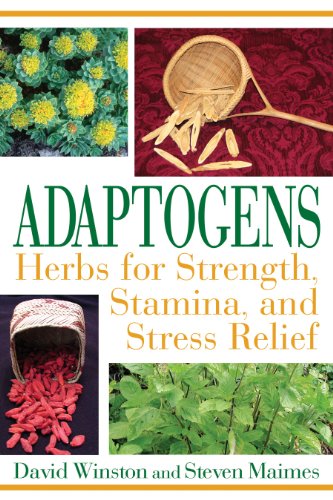
Adaptogens: Herbs for Strength, Stamina, and Stress Relief: Winston, David, Maimes, Steven
In Adaptogens, authors David Winston and Steven Maimes provide a comprehensive look into adaptogens, nontoxic herbs such as <strong>ginseng, eleuthero, and licorice</strong>, that produce a defensive
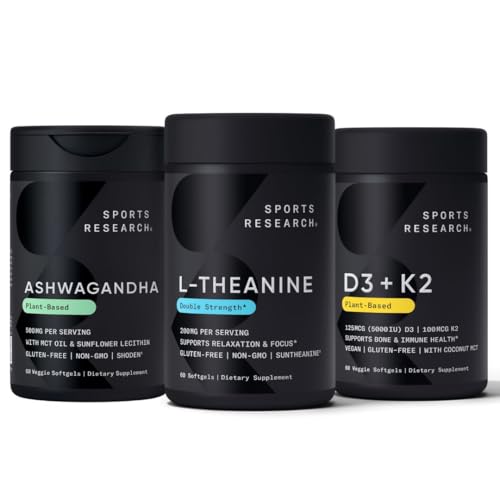
Sports Research® Ashwagandha Softgels with Coconut MCT Oil - Natural Ayurvedic Adaptogen Made with Shoden® Ashwa for Relaxation, Calm & Sleep Support - Gluten Free & Vegan Friendly - 120 Count
Sports Research® Ashwagandha w/Organic KSM-66® – 600 mg – <strong>Adaptogen for Relaxation, Calm & Sleep Support</strong> – USDA Organic · Non-GMO · Vegan Certified – 90 Veggie Capsules
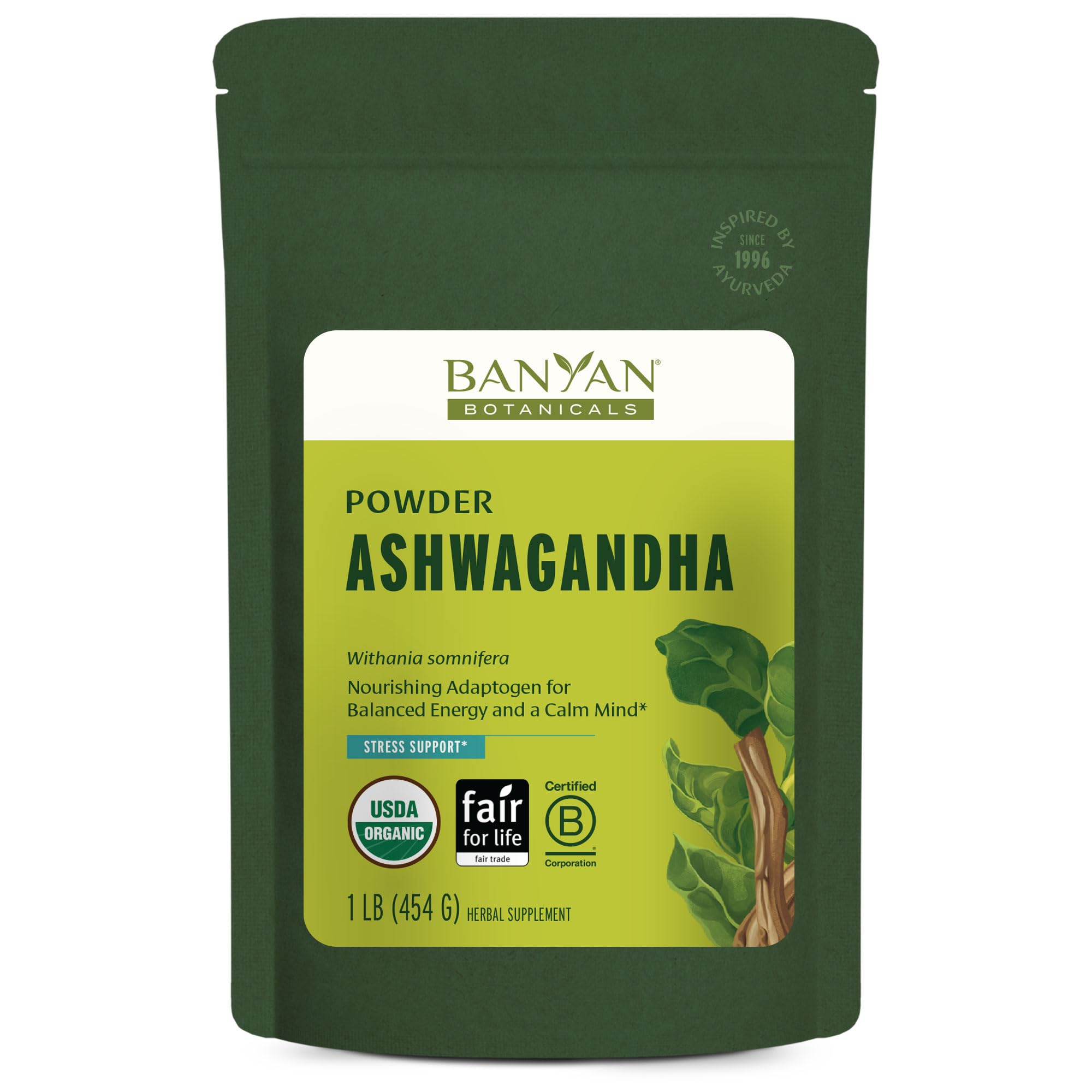
Banyan Botanicals Organic Ashwagandha Root Powder–1lb Bulk (504 Servings)Natural Cortisol Manager & Adrenal Support–Stress Relief, Better Sleep & Energy–Adaptogen for Smoothies & Moon Milk–Vegan,FFL*
Amazon.com: Banyan Botanicals Organic Ashwagandha Root Powder–1lb Bulk (504 Servings)<strong>Natural Cortisol Manager & Adrenal Support–Stress Relief, Better Sleep & Energy–Adaptogen for Smoot
Evidence & Sources
Promising research with growing clinical support from multiple studies
- National Center for Complementary and Integrative Health (NCCIH)
- Memorial Sloan Kettering Cancer Center Monographs
- Journal of Ethnopharmacology
- Phytomedicine
- Medicine (systematic review/meta-analysis literature on stress and anxiety)
- Cureus (systematic review literature on ashwagandha)
- National Institutes of Health Office of Dietary Supplements
- World Health Organization monographs/traditional medicine references
This content is for informational purposes only and does not constitute medical advice. Always consult a qualified healthcare provider before starting, stopping, or changing any supplement or medication regimen.