Burnout vs. “Adrenal Fatigue”: What HPA Axis Research Actually Shows
Is burnout really “adrenal fatigue”? Evidence suggests burnout reflects HPA axis dysregulation and altered cortisol rhythms—not failing adrenal glands. Learn what studies show and where adaptogens like ashwagandha and rhodiola may fit, plus Ayurvedic/TCM perspectives.
·9 min read
This content is for informational purposes only and does not constitute medical advice. Always consult a qualified healthcare provider before starting, stopping, or changing any supplement or medication regimen.
Burnout vs. “Adrenal Fatigue”: What HPA Axis Research Actually Shows
Summary: Many people describe burnout as “adrenal fatigue,” but endocrinology does not recognize that diagnosis. Research suggests burnout is better explained by stress-related changes in the brain–adrenal communication loop (the HPA axis) and altered daily cortisol patterns—not by failing adrenal glands. Certain adaptogens, such as ashwagandha and rhodiola, may help with stress resilience, while traditional systems like Ayurveda and TCM frame similar symptoms as depleted vital energy.
What people call “adrenal fatigue” often feels very real: persistent exhaustion, brain fog, unrefreshing sleep, and a sense of being “wired and tired.” Yet major endocrine societies do not accept “adrenal fatigue” as a medical diagnosis. Instead, evidence points toward burnout-related dysregulation of the hypothalamic–pituitary–adrenal (HPA) axis—the body’s central stress-response network. (Evidence: strong that “adrenal fatigue” is not a recognized diagnosis; moderate that burnout involves HPA axis changes)
HPA Axis 101: Why the Stress System Matters
The HPA axis involves signaling from the brain’s hypothalamus to the pituitary, which instructs the adrenal glands to release cortisol. Cortisol helps mobilize energy, modulate inflammation, and coordinate circadian (daily) rhythms. (Evidence: strong)
In healthy states, cortisol peaks shortly after waking (the cortisol awakening response, or CAR) and then declines across the day to its lowest levels at night. (Evidence: strong)
Under chronic stress and burnout, this rhythmicity may shift—sometimes subtly—reflecting “allostatic load,” the cumulative wear-and-tear of stress responses over time. (Evidence: moderate)
What Studies Find in Burnout: It’s About Patterns, Not “Empty” Adrenals
Research has repeatedly examined cortisol in people with work-related burnout, exhaustion, and chronic stress. Findings are mixed across studies (likely due to different sampling times, populations, and definitions of burnout), but several themes emerge:
Altered cortisol awakening response (CAR): Some cohorts with severe exhaustion show a blunted CAR (a smaller-than-typical rise after waking), while others show a heightened CAR—suggesting that stage, chronicity, and context of stress matter. Systematic reviews note heterogeneity rather than a single “burnout cortisol signature.” (Evidence: moderate)
Flatter daytime cortisol slopes: Across multiple observational studies, burnout is linked to a flatter diurnal curve (less of a decline from morning to evening), a pattern associated with stress-related health risks. (Evidence: moderate)
Lower basal morning cortisol in longstanding burnout: Several studies in long-term burnout report lower morning cortisol compared with non-burned-out controls, consistent with a “downshifted” HPA tone after prolonged stress; other cohorts show normal or elevated levels. Meta-analytic syntheses emphasize variability and small-to-moderate effect sizes. (Evidence: moderate)
Taken together, these findings suggest dysregulation of the stress-response network (central regulation and feedback sensitivity) rather than primary adrenal gland failure. In other words, the “thermostat” (brain–pituitary regulation) appears to be shifting—sometimes up, sometimes down—rather than the “furnace” (the adrenal glands) simply running out of fuel. (Evidence: moderate)
Why Endocrinology Rejects “Adrenal Fatigue”
Clear diagnostic entities like primary adrenal insufficiency (Addison’s disease) and secondary adrenal insufficiency have established criteria and testing protocols. “Adrenal fatigue,” by contrast, lacks validated biomarkers, standardized criteria, and reproducible diagnostic tests. (Evidence: strong)
Professional statements from endocrine societies conclude that the concept of “adrenal fatigue” is not supported by clinical evidence; however, they also acknowledge that chronic stress symptoms are real and warrant attention. (Evidence: strong)
How Cortisol Is Studied—and Why Single Tests Can Mislead
Research typically measures salivary cortisol at standardized times (upon waking, 30 minutes post-wake, afternoon, and evening) to map curves, rather than relying on a single time point. (Evidence: strong)
Because cortisol is highly dynamic and influenced by sleep timing, light exposure, illness, and medications, single random measurements are difficult to interpret. Studies emphasize multiple samples and replication for reliability. (Evidence: strong)
Importantly, these research strategies help characterize group patterns but do not provide diagnostic tests for individual burnout. (Evidence: strong)
Adaptogens and Stress Resilience: What the Evidence Suggests
Interest in botanicals that may support stress tolerance has grown alongside burnout research. Two of the best-studied adaptogens are ashwagandha (Withania somnifera) and rhodiola (Rhodiola rosea). While studies vary in extract type, duration, and outcomes, several randomized controlled trials (RCTs) and systematic reviews provide insights:
Ashwagandha
Multiple placebo-controlled RCTs in stressed but otherwise healthy adults report that standardized ashwagandha extracts reduce perceived stress scores and improve sleep quality compared with placebo. Some trials also show reductions in morning or overall cortisol levels. Meta-analyses pooling these RCTs suggest small-to-moderate improvements in stress and anxiety (Evidence: moderate)
Safety signals in trials generally indicate good tolerability over several weeks, though adverse effects and medication interactions can occur. (Evidence: moderate)
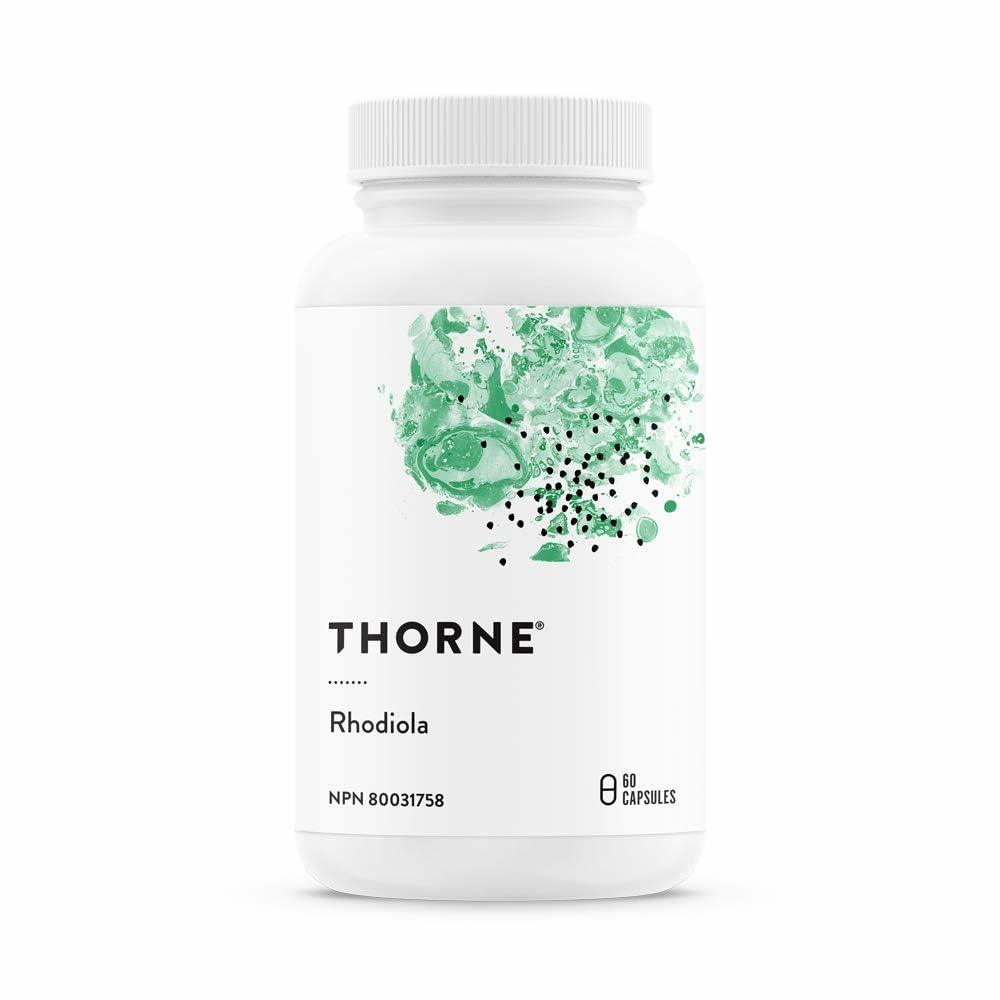
Rhodiola
RCTs in stress-related fatigue report improvements in fatigue, mental performance, and mood measures versus placebo over several weeks. Some studies include working adults with burnout-like symptoms and note earlier perceived benefits compared with placebo. (Evidence: moderate)
Systematic reviews describe consistent signals for fatigue reduction and cognitive support, though heterogeneity in dosing, extract standardization, and study quality limits certainty. (Evidence: emerging-to-moderate)
Overall, adaptogens may help some individuals feel and function better during high-stress periods, complementing behavioral strategies. However, evidence is not uniform; benefits appear modest on average, and studies are often short-term. (Evidence: moderate)
How Traditional Systems Frame the Same Problem
Ayurveda: Burnout-like states may be described as vata aggravation and depletion of ojas (vital essence), manifesting as restlessness, sleep disruption, and low vitality. Traditional care emphasizes grounding routines, restorative practices, and rasayana (“rejuvenative”) botanicals, including ashwagandha. (Evidence: traditional)
Traditional Chinese Medicine (TCM): Persistent exhaustion can reflect qi deficiency—often involving the Spleen or Kidney systems—with symptoms like fatigue, poor concentration, and sleep issues. Approaches focus on rebuilding qi through rest, nutrition, breathwork, and tonifying herbs. (Evidence: traditional)
These frameworks anticipate modern observations: when rest, regularity, and recovery are restored, perceived energy and resilience often improve—paralleling research on circadian alignment, sleep quality, and stress-buffering behaviors. (Evidence: emerging)
Putting Physiology in Context: Patterns That May Matter
Research does not support a narrative of “drained” adrenal glands in burnout. Instead, it points to:
Central regulation shifts: Stress-related recalibration of HPA axis sensitivity and feedback loops. (Evidence: moderate)
Circadian rhythm disruption: Irregular sleep-wake timing and light exposure can blunt or shift cortisol patterns. (Evidence: strong)
Allostatic load: Cumulative stress can lead to flatter cortisol slopes and altered CAR over time. (Evidence: moderate)
While no single biomarker defines burnout, aligning daily routines with circadian biology, managing stress load, and exploring evidence-informed support (including, where appropriate, adaptogens with clinical data) may help individuals navigate recovery. This should complement—not replace—evaluation for chronic fatigue and related conditions (Evidence: strong that medical evaluation is important; moderate that circadian alignment and behavioral strategies support HPA stability)
Bottom Line
“Adrenal fatigue” is not recognized by endocrinology; symptoms attributed to it are real but better explained by stress-related HPA axis dysregulation and altered cortisol rhythms. (Evidence: strong for non-recognition; moderate for HPA involvement)
Studies in burnout show heterogeneous cortisol findings—often a blunted awakening response or flatter day–night slope—reflecting allostatic load rather than adrenal failure. (Evidence: moderate)
Adaptogens like ashwagandha and rhodiola may reduce perceived stress and fatigue and may modestly influence cortisol patterns in some trials, though effects are variable and typically short-term. (Evidence: moderate)
No single test diagnoses burnout. Research-grade cortisol mapping characterizes group patterns, not individual disease. Prioritizing recovery, consistent sleep–wake timing, and evidence-informed supports may help, alongside appropriate clinical evaluation for other conditions. (Evidence: strong for need to evaluate; moderate for lifestyle supports)
This content is for informational purposes only and does not constitute medical advice. Always consult a qualified healthcare provider before starting, stopping, or changing any supplement or medication regimen.
## Overview
Burnout is more than feeling tired after a long week. The World Health Organization classifies burnout as an occupational phenomenon resulting from chronic workplace stress that has not be
Adrenal Burnout. Burnout, Stress Burnout, Adrenal Burn Out. ## Overview
**"Adrenal burnout"** is a popular lay term used to describe a cluster of symptoms such as **persistent fatigue, feeling overwhelmed, low stress tolerance, sleep disruption, brain fog, cravings, and reduced resilience after prolonged stress**. It is often used interchangeably with **"ad
Adrenal Fatigue. . ## Adrenal Fatigue: Overview
**“Adrenal fatigue”** is a popular term in alternative and integrative health circles used to describe a pattern of **persistent tiredness, low stress tolerance, sleep disruption, brain fog, cravings, and reduced resilience** that is thought to arise after prolonged phy
Adrenal insufficiency. . ## Overview
**Adrenal insufficiency** is a disorder in which the adrenal glands do not produce enough steroid hormones—most importantly **cortisol**, and in some forms **aldosterone**. Cortisol helps regulate energy metabolism, blood pressure, immune activity, and the body’s response to physical an
Hypoadrenalism. Adrenal Insufficiency. ## Overview
**Hypoadrenalism** refers to a state in which the adrenal glands do not produce adequate amounts of one or more adrenal hormones, most importantly **cortisol** and, in some cases, **aldosterone**. In conventional medicine, the most recognized forms are **primary adrenal insufficiency**
Adrenal Recovery Protocol. adrenal support, adrenal fatigue recovery. ## Adrenal Recovery Protocol: What the Term Usually Means
The phrase **"adrenal recovery protocol"** is widely used in integrative, wellness, and functional health settings to describe a group of lifestyle, nutrition, stress-reduction, and sometimes supplement-based strategies intended to support p