


Mind & Stress
Moderate Evidence

Promising research with growing clinical support

Bifidobacterium longum 1714 and Stress: What the Early Human Trials Suggest

Early human trials suggest Bifidobacterium longum 1714 may modulate stress responses and cognition via the gut–brain axis, with mechanistic links through the vagus nerve and inflammation. Traditional ferments like kimchi, kefir, and miso offer complementary, emerging evidence as proto-psychobiotics.

7 min read
Bifidobacterium longum 1714 and Stress: What the Early Human Trials Suggest

This content is for informational purposes only and does not constitute medical advice. Always consult a qualified healthcare provider before starting, stopping, or changing any supplement or medication regimen.

Psychobiotics are probiotics researched for their potential to influence mood and stress via the gut–brain axis. Among them, Bifidobacterium longum 1714 has drawn attention for preliminary human data suggesting stress-modulating effects. This focused overview examines what is known so far, how it might work, and where it fits alongside fermented-food traditions and broader psychobiotic research.

What is Bifidobacterium longum 1714?

  • B. longum 1714 is a specific strain within the Bifidobacterium longum species investigated for its potential to support stress resilience and cognitive responses under pressure. Psychobiotic effects are strain-specific; findings with one strain do not automatically apply to others. (Evidence level: foundational principle in probiotic science – strong)

What the Human Studies Show

  • Healthy volunteers under stress: Early randomized, placebo-controlled trials in healthy adults suggest B. longum 1714 may modulate perceived stress and aspects of cognitive performance during stress, with supporting changes in brainwave activity (EEG) and stress physiology markers. Sample sizes were small, and findings require replication in diverse populations. (Evidence level: moderate)

    • In exploratory work from academic-industry collaborations, participants consuming B. longum 1714 showed reduced daily stress ratings and improvements in certain memory tasks under acute stress, alongside EEG signatures consistent with altered stress reactivity compared to placebo. These studies were short in duration and not designed to diagnose or treat anxiety disorders, but they contribute to a pattern that warrants larger trials.
  • Related Bifidobacterium strains in clinical settings: While not the same as 1714, other B. longum strains provide converging evidence that this species may influence brain-related outcomes. (Evidence level: moderate)

    • In a randomized, double-blind, placebo-controlled trial in patients with irritable bowel syndrome (IBS), B. longum NCC3001 reduced depressive symptoms and altered brain activity patterns related to emotional processing versus placebo (Gastroenterology, 2017). This supports gut–brain effects of B. longum in a clinical population, though extrapolation to healthy-stress contexts should be cautious.
  • Combination psychobiotics including Bifidobacterium: A well-cited randomized trial tested a combination of Lactobacillus helveticus R0052 and Bifidobacterium longum R0175 in healthy adults and reported reduced psychological distress and lower urinary free cortisol versus placebo (British Journal of Nutrition, 2011). Combination results cannot be attributed to Bifidobacterium alone but demonstrate psychobiotic potential within Lactobacillus–Bifidobacterium pairings. (Evidence level: moderate)

How Might It Work? The Gut–Brain Axis and the Vagus Nerve

  • Microbe–brain signaling: The gut–brain axis links intestinal microbes with the brain via neural (especially vagus nerve), immune, and hormonal pathways. Research suggests psychobiotics may influence neurotransmitter systems, stress-hormone dynamics, and inflammatory signaling. (Evidence level: strong for the general concept; specific pathways per strain remain emerging)

  • Vagus nerve connection: Preclinical work shows the vagus nerve can be essential for psychobiotic effects. A landmark mouse study found that Lactobacillus rhamnosus JB-1 altered GABA receptor expression and anxiety-like behavior, and these effects disappeared after severing the vagus nerve (PNAS, 2011). While this is not B. longum 1714 and is animal research, it provides a mechanistic framework for how certain strains may signal to the brain. (Evidence level: emerging-to-moderate for mechanism; translation to humans is ongoing)

  • Stress physiology and inflammation: Human studies with B. longum 1714 report changes in EEG and, in some cases, stress-related biomarkers. Separately, diet studies that increase fermented-food intake have reduced systemic inflammatory markers—an axis plausibly relevant to mood. Together, these findings suggest multiple pathways (neural, endocrine, immune) through which psychobiotics may act. (Evidence level: moderate for association; causal chains per strain are emerging)

Where Fermented Foods Fit: Proto-Psychobiotics from Tradition

  • Fermented foods and mood: Observational work in young adults has linked higher habitual fermented-food intake with lower social anxiety—especially in those with high neuroticism (Psychiatry Research, 2015). This is association, not causation, and may reflect broader lifestyle patterns. (Evidence level: emerging)

  • Immune signals as a bridge: In a randomized trial comparing a high-fermented-food versus high-fiber diet, the fermented-food group showed increased microbiome diversity and decreased inflammatory cytokines (Cell, 2021). Mood outcomes were not primary endpoints, but inflammation reduction may be one route by which fermented foods could indirectly influence mental well-being. (Evidence level: moderate for inflammation; emerging for mood)

  • Traditional ferments as proto-psychobiotics: Kimchi (Korea), kefir (Caucasus region), and miso (Japan) deliver live microbes and bioactive metabolites. Traditional medical systems have long associated these foods with vitality and balance. Modern research is beginning to examine their potential effects on stress and mood, but rigorous controlled trials remain limited. (Evidence level: traditional for historical use; emerging for modern psychobiotic claims)

How B. longum 1714 Fits into the Bigger Psychobiotic Picture

  • Meta-analyses of probiotics and mood: Systematic reviews and meta-analyses of randomized controlled trials suggest small but potentially meaningful reductions in depressive symptoms with multi-strain probiotics containing Lactobacillus and Bifidobacterium species, especially in people with mild-to-moderate symptoms; effects on anxiety are more variable and appear stronger in non-clinical samples. Heterogeneity is high, and not all trials are positive. (Evidence level: moderate)
  • Strain specificity matters: Benefits observed with one Bifidobacterium longum strain (e.g., NCC3001 in IBS) cannot be assumed for another (e.g., 1714) without direct study. The early human data for B. longum 1714 in stress are promising but preliminary and should be interpreted within this strain-specific framework. (Evidence level: strong for principle; moderate for 1714-specific outcomes)

Practical Considerations

  • Psychobiotics are not a replacement for professional care: Research suggests psychobiotics may help with everyday stress and mild mood symptoms, but they are not treatments for clinical anxiety or depression. Individuals with diagnosed conditions should seek dedicated care. (Evidence level: strong as a safety and care principle)
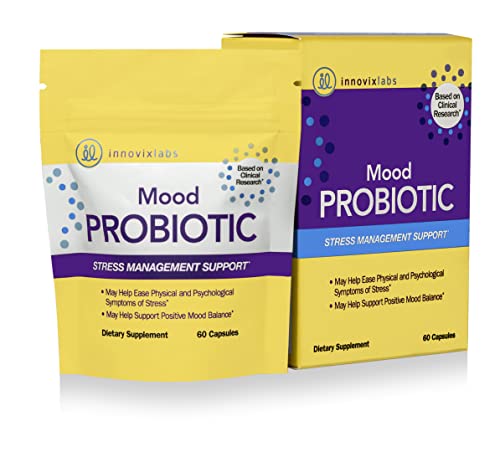
  • Product and label details matter: Scientific findings are tied to specific strains tested in trials. Commercial products vary in strain identity and quality. (Evidence level: strong for principle)
  • Fermented foods as a complementary approach: Traditional ferments may provide diverse microbes and metabolites that support gut health and, indirectly, mood; they can complement a balanced diet. (Evidence level: emerging for mood-specific outcomes; traditional for general well-being)

Bottom Line

  • Early randomized trials in healthy adults suggest Bifidobacterium longum 1714 may help modulate stress responses and cognitive performance under pressure, with supporting changes in brain activity patterns. These findings are promising but preliminary and need replication in larger, diverse populations. (Evidence level: moderate)
  • Converging evidence from other B. longum strains (e.g., reduced depressive symptoms in IBS) and from Lactobacillus–Bifidobacterium combinations supports the broader psychobiotic concept, though benefits appear modest on average and strain-specific. (Evidence level: moderate)
  • Mechanistically, the vagus nerve, stress-hormone regulation, and immune signaling are plausible pathways linking gut microbes and mood, supported by preclinical and early human data. (Evidence level: moderate)
  • Fermented foods such as kimchi, kefir, and miso represent traditional “proto-psychobiotics.” Observational and diet-intervention research suggests they may favorably influence inflammation and, potentially, mood, but direct mood RCTs are limited. (Evidence level: emerging)

As research progresses, B. longum 1714 stands out as a psychobiotic candidate with early human evidence for stress modulation. For now, it is best viewed as a complementary strategy within a broader plan that includes nutrition, sleep, stress management, social connection, and professional support when needed.

Health Disclaimer

This content is for informational purposes only and does not constitute medical advice. Always consult a qualified healthcare provider before starting, stopping, or changing any supplement or medication regimen.

More in Mind & Stress

Mind & Stress

Burnout vs. “Adrenal Fatigue”: What HPA Axis Research Actually Shows

Is burnout really “adrenal fatigue”? Evidence suggests burnout reflects HPA axis dysregulation and altered cortisol rhythms—not failing adrenal glands. Learn what studies show and where adaptogens like ashwagandha and rhodiola may fit, plus Ayurvedic/TCM perspectives.

9 min read
Moderate Evidence