

supplements
Ashwagandha
An adaptogenic herb (Withania somnifera) used in Ayurvedic medicine to support stress resilience, energy, and cognitive function.
Promising research with growing clinical support
KSM-66 vs. Sensoril, golden root dosing, tulsi for cortisol — cutting through the hype on the most popular stress-balancing herbs.
This content is for informational purposes only and does not constitute medical advice. Always consult a qualified healthcare provider before starting, stopping, or changing any supplement or medication regimen.
The term "adaptogen" was coined by Soviet pharmacologist Nikolai Lazarev in 1947, then refined by his student Israel Brekhman into a formal definition: an adaptogen must be non-toxic at normal doses, produce a non-specific resistance to stress, and have a normalizing effect on physiology — pushing the body toward homeostasis regardless of the direction of the imbalance.
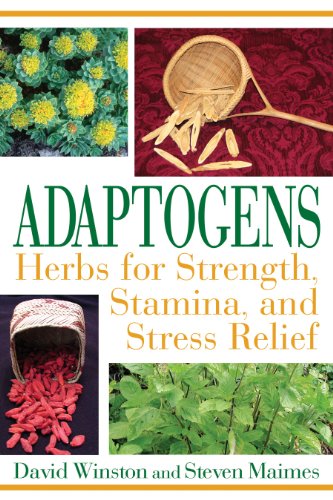
In Adaptogens, authors David Winston and Steven Maimes provide a comprehensive look into adaptogens, nontoxic herbs such as <strong>ginseng, eleuthero, and licorice</strong>, that produce a defensive
Check Price on AmazonThat last criterion is what makes adaptogens conceptually distinct from conventional drugs. A stimulant pushes you up. A sedative pulls you down. An adaptogen, at least in theory, helps your body find its own equilibrium. The mechanism centers on the hypothalamic-pituitary-adrenal (HPA) axis — the cascade that governs your stress response from the brain through the adrenal glands.
When you encounter stress, the HPA axis triggers cortisol release. Short-term, this is adaptive. Chronic activation, however, is corrosive — disrupting sleep, immune function, digestion, mood, and cognitive performance. Adaptogens appear to modulate this cascade, dampening the cortisol spike without blunting the stress response entirely.
This framework was developed within Soviet military and athletic research programs during the Cold War, but many of the plants themselves have centuries or millennia of use in Ayurvedic and traditional Chinese medicine. Modern research is essentially catching up to what these traditions observed empirically.
Ashwagandha (Withania somnifera) is a nightshade family plant that has been used in Ayurvedic medicine for over 3,000 years. Its Sanskrit name translates roughly to "smell of the horse" — referring both to its distinctive odor and the traditional belief that it confers the strength and vitality of a horse. In modern supplement science, it has become the most studied and most popular adaptogen on the market.
Not all ashwagandha is equal, and this is where many consumers get confused.
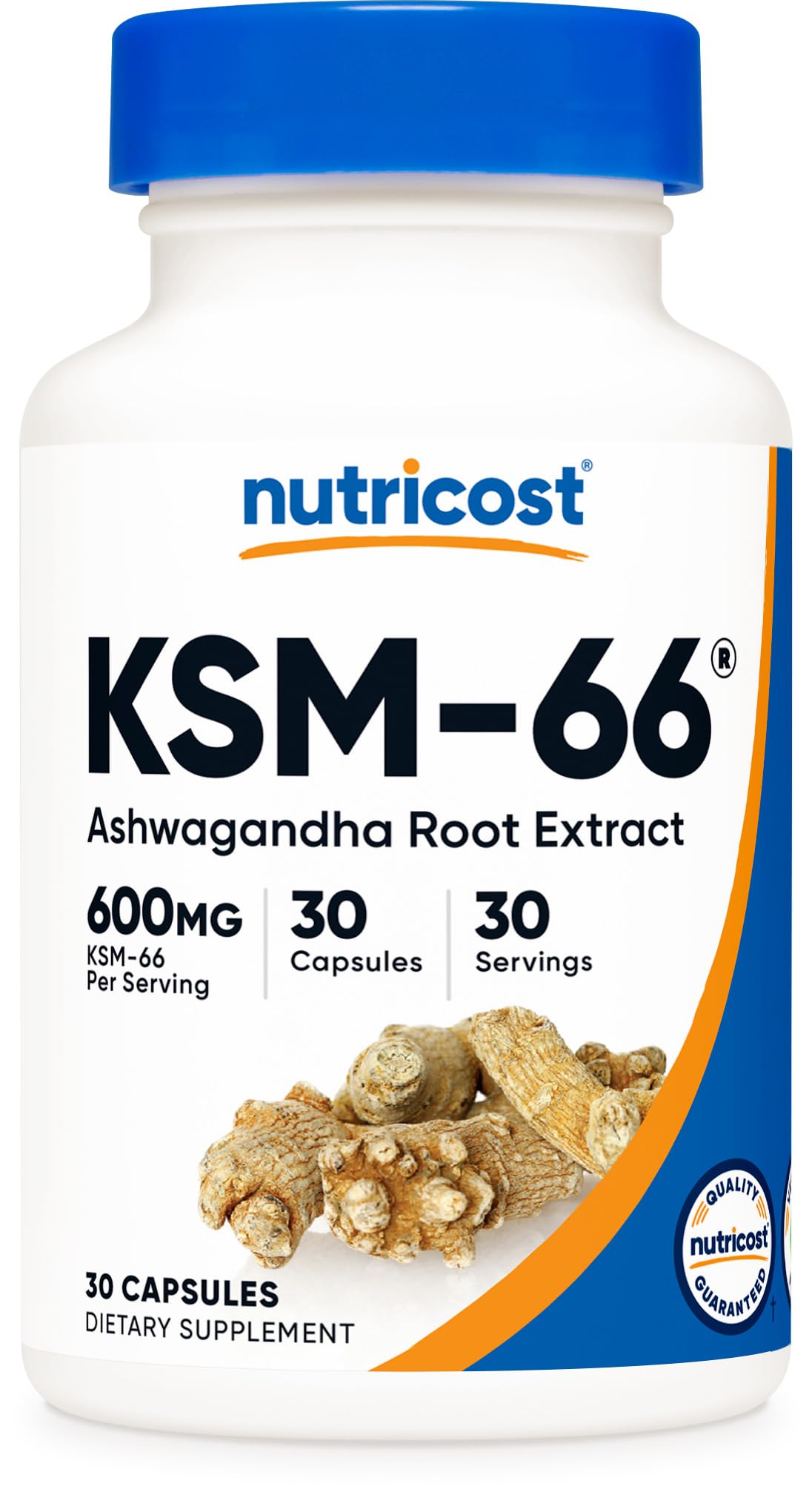
Nutricost KSM-66 Ashwagandha Root Extract 600mg, 60 Veggie Caps - 5% Withanolides - with BioPerine - Full-Spectrum Root Extract
View on AmazonKSM-66 is a full-spectrum root extract standardized to at least 5% withanolides (the primary active compounds). It is produced through a proprietary extraction process using no alcohol or synthetic solvents. The majority of human clinical trials on ashwagandha — over 30 — have used KSM-66.
Sensoril is an extract of both roots and leaves, standardized to at least 10% withanolides. The higher withanolide concentration doesn't necessarily mean stronger effects, because the withanolide profiles differ between root and leaf tissue.
In general: KSM-66 has broader clinical validation, particularly for stress reduction, athletic performance, and reproductive health. Sensoril has solid data for cortisol reduction and anxiety. You can't go wrong with either, but KSM-66's research depth gives it a slight edge.
A 2012 randomized, double-blind, placebo-controlled trial published in the Indian Journal of Psychological Medicine found that 600 mg of KSM-66 daily reduced serum cortisol levels by 27.9% compared to placebo over 60 days, with significant improvements in perceived stress scores.
This study is frequently cited and has been supported by subsequent research. The cortisol-lowering effect is consistent and clinically meaningful — though it's worth noting that chronically elevated cortisol is the scenario where this matters most. If your cortisol regulation is already healthy, the effect may be less dramatic.
Ashwagandha's species name — somnifera — means "sleep-inducing," and the traditional use for insomnia has modern validation. A 2020 meta-analysis of five randomized controlled trials found that ashwagandha supplementation significantly improved sleep quality, sleep onset latency, and overall restfulness. The effect was more pronounced in people with existing insomnia than in good sleepers.
A word of caution: some cheaper ashwagandha products use leaf-only extracts. While leaves contain withanolides, the withanolide profile differs from the root, and most clinical research has used root or root-dominant extracts. Some practitioners raise concerns about withaferin A, a cytotoxic withanolide found in higher concentrations in leaves. Look for root-based extracts or established branded forms like KSM-66.
Rhodiola rosea grows in cold, mountainous regions of Europe and Asia and has been used in Scandinavian and Russian folk medicine for centuries to combat fatigue, altitude sickness, and the psychological toll of long arctic winters. Its nickname — golden root — reflects both the color of its rhizome and its traditional value.
Rhodiola's strongest evidence is for anti-fatigue effects, both physical and mental. The active compounds — rosavins and salidroside — appear to influence cortisol modulation, serotonin and dopamine metabolism, and mitochondrial energy production.
A 2012 systematic review in BMC Complementary and Alternative Medicine examining 11 randomized controlled trials found consistent evidence that Rhodiola rosea improved physical performance, reduced mental fatigue, and enhanced cognitive function under stress, though the reviewers noted that study quality was variable.
Like ashwagandha, standardized extracts matter. SHR-5, standardized to 3% rosavins and 1% salidroside, is the most clinically studied extract. The 3:1 ratio of rosavins to salidroside mirrors the natural ratio found in the root and has been used in the majority of positive clinical trials.

Max Strength Siberian Rhodiola®: Rhodiola Rosea 5% Rosavins, 2% Salidroside & BioPerine® for Enhanced Absorption – Helps Support Stress, Energy & Focus* – Grown in Siberia, DNA Verified (60 Capsules)
View on AmazonClinical trials have used doses ranging from 200 to 680 mg daily of standardized extract. Most practitioners recommend starting at 200 mg and adjusting upward. Rhodiola appears to have a stimulatory effect at lower doses and a more calming effect at higher doses — an observation consistent with adaptogenic theory but not yet fully explained mechanistically.
Timing matters with rhodiola. Take it in the morning or before stressful events. Its mild stimulatory quality can interfere with sleep if taken in the evening, unlike ashwagandha.
Ocimum sanctum — holy basil or tulsi — holds a sacred place in Hindu tradition, where it is considered a manifestation of the goddess Lakshmi and is grown in the courtyard of most Hindu households. This reverence tracks with millennia of Ayurvedic medicinal use for anxiety, respiratory conditions, and general vitality.
Modern research on tulsi focuses primarily on its anxiolytic and anti-stress properties. The active compounds include eugenol, rosmarinic acid, apigenin, and a family of ursolic acid derivatives. These work through multiple pathways including modulation of cortisol, antioxidant activity, and GABAergic effects.
A 2017 systematic review in Evidence-Based Complementary and Alternative Medicine examined 24 studies and concluded that tulsi demonstrated consistent anti-anxiety and antidepressant effects, with a favorable safety profile.
An underappreciated aspect of tulsi research involves its effects on blood glucose. Several clinical trials have shown modest but significant reductions in fasting blood glucose and improvements in lipid profiles. For people managing stress-related metabolic disruption — where chronic cortisol elevation drives insulin resistance — tulsi may address both the stress and its metabolic consequences.
Tulsi is typically consumed as a tea in Indian tradition, and this may be one case where the traditional preparation works well. Tulsi tea provides the active compounds at reasonable concentrations, offers a calming ritual component, and has essentially no safety concerns at normal consumption levels. Standardized extracts are also available for those wanting higher, measured doses.
Eleuthero (Siberian ginseng) was one of Brekhman's original research subjects and has substantial evidence for anti-fatigue effects, though less than ashwagandha or rhodiola. It's a solid second-tier choice, particularly for physical endurance.
Schisandra is a five-flavored berry used in Chinese medicine that demonstrates liver-protective, anti-inflammatory, and cognitive-enhancing properties. Limited human trial data, but traditional use is extensive.
Reishi mushroom (Ganoderma lucidum) straddles the adaptogen and medicinal mushroom categories. Research supports immune-modulating and anti-inflammatory effects, with some evidence for sleep quality improvement. It's the calmest of the adaptogenic mushrooms — best as an evening supplement.
Unlike creatine, which can be taken continuously, most practitioners recommend cycling adaptogens — typically 6 to 8 weeks on, followed by 2 to 4 weeks off. The rationale is to prevent desensitization of the HPA axis and allow the body to maintain its own regulatory capacity. Evidence for this practice is more traditional than clinical, but the precautionary logic is reasonable.
Combining adaptogens is common practice. Ashwagandha paired with rhodiola covers both the calming (ashwagandha) and energizing (rhodiola) aspects of stress management. Adding tulsi provides additional anxiolytic support. Start with one adaptogen, establish your response, then add others sequentially — this way you know what's doing what.
Ashwagandha works well in the evening (supports sleep). Rhodiola works best in the morning (mildly stimulating). Tulsi is flexible but particularly effective as an afternoon tea when stress typically peaks.
Thyroid conditions: Ashwagandha may increase thyroid hormone levels. For people with hypothyroidism, this might actually be beneficial — but it could be problematic for those with hyperthyroidism or those on thyroid medication. Monitoring TSH levels is advisable.
Autoimmune conditions: Ashwagandha's immune-stimulating properties may theoretically exacerbate autoimmune conditions. Clinical evidence for this is limited, but caution is warranted.
Medication interactions: Ashwagandha may potentiate the effects of sedatives, anxiolytics, and thyroid medications. Rhodiola may interact with antidepressants due to its effects on serotonin metabolism. Consult your healthcare provider if you take prescription medications.
Pregnancy and nursing: Most adaptogens lack safety data for pregnancy. Ashwagandha has traditionally been avoided during pregnancy in Ayurvedic practice.
Nightshade sensitivity: Ashwagandha is a member of the Solanaceae family. People with nightshade sensitivities should be aware.
What makes adaptogens conceptually interesting — beyond their individual clinical effects — is the underlying philosophy. Rather than overriding the body's stress response with a pharmaceutical hammer, adaptogens work with the existing regulatory architecture. They don't eliminate stress; they help the body process it more efficiently.
This aligns with a broader principle in integrative medicine: the goal isn't to suppress symptoms but to support the body's capacity for self-regulation. Whether you frame this in Ayurvedic terms (building ojas), in Traditional Chinese Medicine concepts (tonifying qi), or in modern endocrinology (modulating HPA axis reactivity), the target is the same — a system that responds to stress appropriately and recovers efficiently.
The evidence supports this approach for several adaptogens, with ashwagandha and rhodiola leading the pack. They're not magic. They don't replace sleep, exercise, social connection, or addressing the root causes of chronic stress. But as part of a comprehensive stress management strategy, they're among the most well-supported natural options available.
This article is for informational purposes only and does not constitute medical advice. Consult a qualified healthcare provider before starting any supplement regimen.
In Adaptogens, authors David Winston and Steven Maimes provide a comprehensive look into adaptogens, nontoxic herbs such as <strong>ginseng, eleuthero, and licorice</strong>, that produce a defensive
Nutricost Ashwagandha Herbal Supplement 600mg, 120 Capsules - Vegetarian, Non-GMO, Gluten Free, Ashwagandha Root ... THORNE - Ashwagandha - Highly Concentrated Shoden - Calming Stress Support for Wome
High-Potency Rhodiola Rosea Extract: <strong>Our formula is standardized to 5% Rosavins and 2% Salidroside</strong>, delivering a balanced concentration of key active compounds.
Health Disclaimer
This content is for informational purposes only and does not constitute medical advice. Always consult a qualified healthcare provider before starting, stopping, or changing any supplement or medication regimen.
An adaptogenic herb (Withania somnifera) used in Ayurvedic medicine to support stress resilience, energy, and cognitive function.
Best Adaptogen Supplements: Top-Rated Options Backed by Research. If you’re searching for the best adaptogen supplements, you likely want something that helps you manage stress, support steady energy, or sleep better—without relying on stimulants or sedatives. This guide compares top adaptogens, what the research suggests they can and can’t do, how to choose teste
An adaptogenic herb used in traditional Scandinavian and Russian medicine to combat fatigue, enhance mental performance, and support stress resilience.
If you’re curious about ashwagandha benefits—especially for stress, sleep, and focus—you’re not alone. This adaptogenic herb from Ayurveda has surged in popularity, and research suggests it may help t
If you’re curious about ashwagandha side effects, you’re not alone. This popular adaptogenic herb is widely used for stress and sleep support, but like any biologically active supplement, it can cause
Is Ashwagandha Safe Long Term? Evidence, Risks & Dosage. If you’re asking “is ashwagandha safe long term,” you’re not alone. Ashwagandha (Withania somnifera) is one of the most popular adaptogenic herbs used for stress, sleep, and energy. Short-term studies generally show good tolerability, but many people want to know what happens after months of daily u