

Berberine
Overview
Berberine is a naturally occurring alkaloid found in several plants, including Berberis species, goldenseal, Oregon grape, and tree turmeric. In supplement form, it is widely discussed for its potential effects on blood sugar regulation, lipid metabolism, gastrointestinal health, and inflammatory signaling. Berberine has a long history of use in traditional medical systems and has more recently gained attention in integrative and metabolic health research.
Modern interest in berberine centers largely on its possible role in supporting markers associated with type 2 diabetes, insulin resistance, dyslipidemia, and metabolic syndrome. Research suggests berberine may influence multiple biological pathways, including AMP-activated protein kinase (AMPK) signaling, glucose transport, gut microbiota composition, and hepatic lipid metabolism. Because these pathways overlap with common cardiometabolic conditions, berberine is often studied as a multi-target compound rather than a single-purpose supplement.
Berberine is also notable for its relatively broad pharmacologic activity. Studies indicate antimicrobial, anti-inflammatory, and gut-related effects, and traditional uses have often focused on digestive complaints and infections. At the same time, berberine has important safety and interaction considerations, including possible interactions with prescription medications and concerns in certain populations such as pregnant individuals, breastfeeding individuals, and infants. Its absorption and bioavailability are also limited, which has led to interest in different formulations and delivery methods.
From a public health perspective, berberine sits at the intersection of traditional herbal practice and contemporary metabolic research. The current literature is promising but uneven: some outcomes have been examined in randomized trials and meta-analyses, while questions remain about long-term safety, product quality, standardization, and how results compare across different populations and formulations. As with many supplements, interpretation is strongest when berberine is considered within the broader context of individualized care and clinician oversight.
Medical Perspectives
Two Ways of Seeing Health

Western
scientific · clinical
Western medicine applies science, technology, and clinical experience to treat symptoms through testing, diagnosis, and targeted intervention.

Eastern
traditional · alternative
Eastern medicine focuses on treating the body naturally by applying traditional knowledge practiced for thousands of years, emphasizing balance and whole-person wellness.
Gold Bamboo presents both perspectives side-by-side so you can make informed decisions. We don't advocate for one over the other — your health choices are yours.
Western Medicine Perspective
Western Medicine Perspective
In conventional medicine, berberine is generally viewed as a bioactive plant-derived compound with potential metabolic effects, rather than a first-line therapy. Clinical research has most commonly examined berberine in relation to glycemic control, insulin sensitivity, blood lipids, and weight-related metabolic markers. Meta-analyses suggest that berberine may be associated with improvements in fasting blood glucose, hemoglobin A1c, triglycerides, and LDL cholesterol in some study populations. However, trial quality varies, sample sizes are often modest, and there is substantial heterogeneity in dosing, duration, and formulation.
Mechanistically, laboratory and clinical studies suggest berberine may act through AMPK activation, reduced hepatic gluconeogenesis, improved insulin signaling, altered intestinal glucose absorption, and changes in gut microbial ecology. These mechanisms have led researchers to compare berberine conceptually with some established metabolic therapies, though such comparisons do not make it interchangeable with standard medical treatment. Conventional clinicians typically emphasize that supplements like berberine may carry drug interaction risks, particularly with glucose-lowering agents, anticoagulants, cyclosporine, and medications metabolized through hepatic enzyme or transporter systems.
From a safety standpoint, the most commonly reported adverse effects are gastrointestinal, such as constipation, diarrhea, abdominal discomfort, or nausea. Quality control is also a concern in the supplement market, since berberine products may differ in purity and actual content. In evidence-based practice, berberine is usually discussed as an adjunctive or investigational supplement, with attention to medication reconciliation, laboratory monitoring, and the need for evaluation by a qualified healthcare professional before use, especially in people with chronic disease or complex medication regimens.
Eastern & Traditional Perspective
Eastern / Traditional Medicine Perspective
In Traditional Chinese Medicine (TCM), berberine-containing herbs such as Huang Lian (Coptis chinensis) and Huang Bai (Phellodendron amurense) have traditionally been used to clear what is described as "damp-heat," "heat," and toxin-related patterns, particularly those involving the gastrointestinal tract. Historically, these herbs have appeared in formulas used for symptoms such as diarrhea, dysentery, irritability, or inflammatory digestive disturbances. In this framework, the value lies less in isolating berberine as a single molecule and more in understanding the herb’s energetic qualities, organ associations, and role within a broader formula pattern.
In Ayurvedic and other traditional systems, plants that contain berberine, such as tree turmeric and related botanicals, have been used in contexts involving digestion, microbial balance, skin health, and metabolic disturbance. Traditional systems often interpret these uses through concepts such as agni (digestive fire), ama (metabolic waste), or imbalance in heat, moisture, and elimination. Naturopathic and integrative traditions have also drawn on berberine-rich botanicals for support in digestive and metabolic protocols, often emphasizing the interplay between the gut, blood sugar regulation, and systemic inflammation.
A key distinction in traditional medicine is that berberine is rarely seen as a stand-alone intervention detached from the person’s overall pattern. Instead, herbs containing berberine are traditionally selected according to constitution, symptom pattern, digestive function, and coexisting imbalances. Contemporary integrative practitioners may combine this traditional lens with modern evidence on glucose metabolism and microbiome effects, while also recognizing that whole-herb preparations and classical formulas may not be equivalent to purified berberine supplements studied in modern trials.
Supplements & Products
Recommended Products
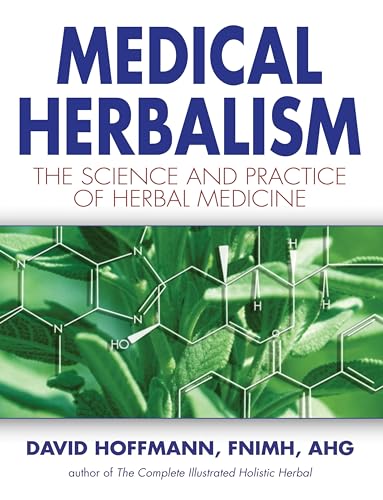
Principles and Practice of Phytotherapy: Modern Herbal Medicine
by Kerry Bone MCPP FNHAA FNIMH ... <strong>covers all major aspects of herbal medicine from fundamental concepts, traditional use and scientific research through to safety, effective dosage and clinic
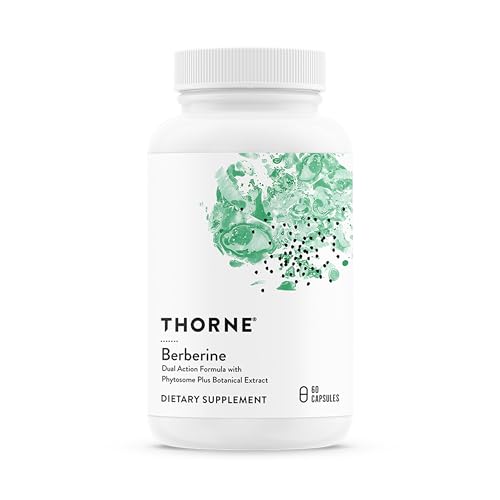
THORNE - Berberine - Dual Action Formula with Phytosome Plus Botanical Extract - Support Heart Health, Immune System, Healthy GI & Cholesterol* - Gluten-Free - 30 Servings
Buy THORNE - Berberine - Dual Action Formula with Phytosome Plus Botanical Extract - Support Heart Health, Immune System, Healthy GI & Cholesterol* - Gluten-Free - 30 Servings on Amazon.com ✓ FREE
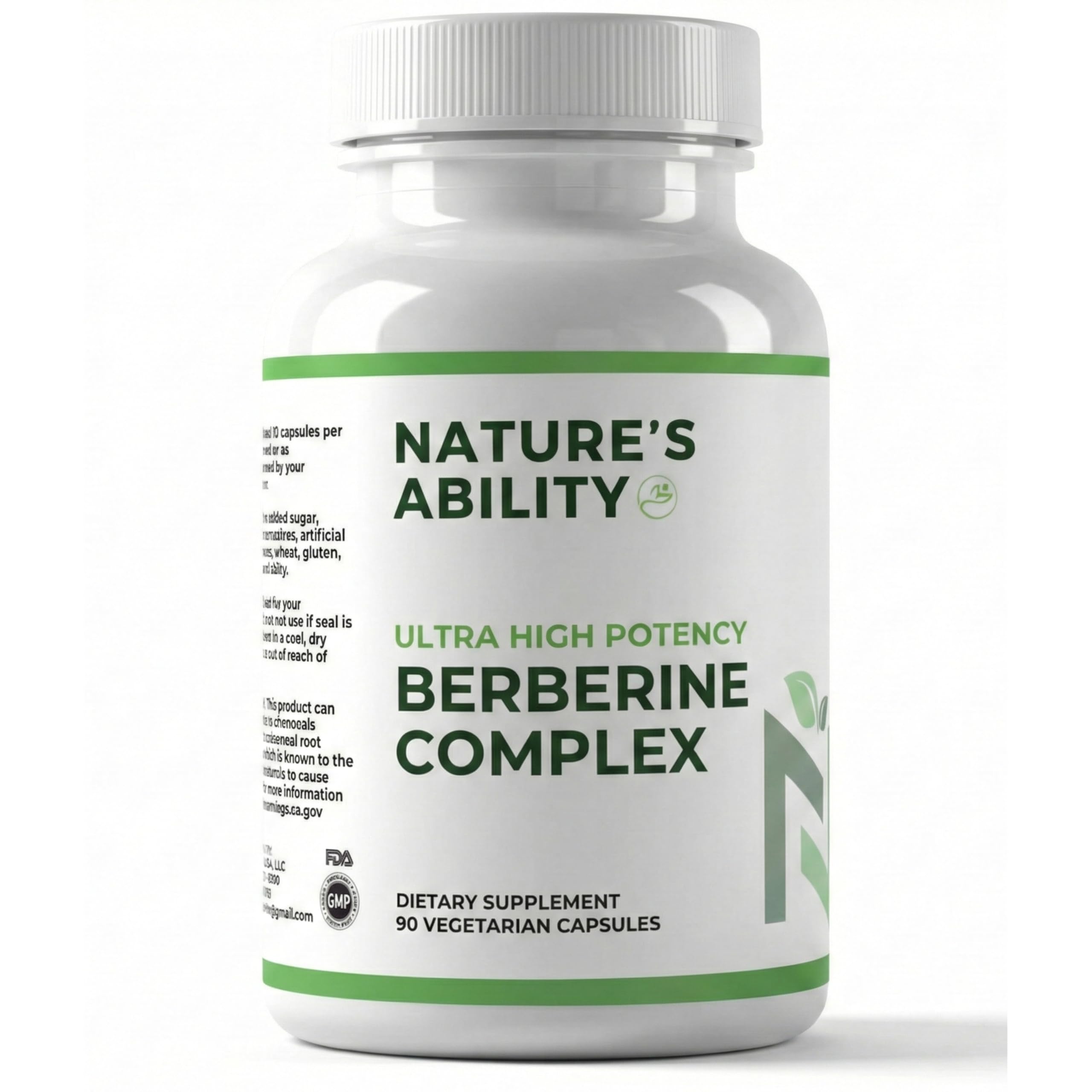
NATURE'S ABILITY Ultra High Potency Berberine Complex - 1500mg Barberry, Oregon Grape & Goldenseal - Gut Health & Immune Support - 90 Vegetarian Capsules
ULTRA HIGH POTENCY FORMULA - <strong>1500mg per serving of concentrated 4:1 herbal extracts including 600mg Barberry, 600mg Oregon Grape, and 300mg Goldenseal</strong> for maximum berberine content an
Evidence & Sources
Promising research with growing clinical support from multiple studies
- National Center for Complementary and Integrative Health (NCCIH)
- National Institutes of Health Office of Dietary Supplements
- Frontiers in Pharmacology
- Phytomedicine
- Journal of Ethnopharmacology
- Metabolism
- Diabetes Care
- World Journal of Gastroenterology
This content is for informational purposes only and does not constitute medical advice. Always consult a qualified healthcare provider before starting, stopping, or changing any supplement or medication regimen.