Tight muscles? Explore evidence-based herbs to relieve muscle tension—from capsaicin and comfrey to turmeric and lavender—plus dosing, topicals, and safety.
·11 min read
This content is for informational purposes only and does not constitute medical advice. Always consult a qualified healthcare provider before starting, stopping, or changing any supplement or medication regimen.
If tight, achy muscles are limiting your day, you may be wondering which herbs to relieve muscle tension are actually worth trying. From topical creams that warm and relax tissue to teas and tinctures that calm the nervous system and reduce inflammation, research suggests several botanicals can help—especially when paired with stretching, heat, massage, and good hydration.
This guide reviews evidence-based options, how they work, typical dosing and application, and key safety points so you can choose wisely.
Why muscles tense up—and how herbs can help
Muscle tension has many drivers, and matching the cause to the herbal action improves results:
Acute strain or delayed-onset muscle soreness (DOMS): microtears and local inflammation after new or intense activity. Helpful herbal actions: anti-inflammatory, analgesic, counterirritant topicals.
Spasm/cramp: sudden involuntary contractions from fatigue, electrolyte shifts, nerve irritation, or medication effects. Helpful actions: antispasmodic (spasm-relieving), analgesic, nervine (calming to the nervous system). Minerals like magnesium can help some people with cramping; see our overview of Magnesium.
Chronic myofascial tightness: commonly stress-related, with trigger points and guarding. Helpful actions: nervine/calming herbs, gentle antispasmodics, topical counterirritants, and mind–body practices.
From a Western perspective, many herbs downregulate inflammatory pathways (e.g., COX‑2, LOX, NF‑κB), modulate pain signaling (TRPV1), or relax smooth and skeletal muscle. In Eastern traditions, muscle tightness often reflects energy stagnation (TCM “Qi and Blood stasis”) or Vata aggravation (Ayurveda), addressed with warming, moving, and calming remedies (e.g., ginger, cinnamon, lavender) and practices like yoga or breathwork—see Eastern Wellness Practices for Relaxation.
What the research says about herbs to relieve muscle tension
Evidence strength varies by herb and by use (topical vs oral):
Strong: Capsaicin (cayenne) topical for musculoskeletal and neuropathic pain; menthol counterirritants; PA‑free comfrey cream for acute sprain/low back pain (short-term use). Multiple randomized trials and supportive meta-analyses. FDA recognizes capsaicin and menthol as external analgesic counterirritants.
Moderate: Turmeric/curcumin and ginger for exercise soreness and joint pain; willow bark for low back pain; boswellia for inflammatory pain; lavender aromatherapy for anxiety with secondary pain/tension benefits; peppermint oil topically for local analgesia.
Emerging: CBD (hemp) for pain/tension (mixed clinical data; better topical than oral for localized discomfort in small studies); valerian and chamomile as nervines for sleep and perceived muscle relaxation; cramp bark as traditional antispasmodic with limited modern trials.
Traditional: Arnica for bruising/soreness (topical evidence mixed but commonly used); kava as a muscle relaxant via anxiolysis (good anxiety data, variable muscle outcomes; important safety caveats).
Herb-by-herb guidance: uses, mechanisms, forms, and doses
Below are commonly used herbs for muscle tension, with typical study-informed ranges. Start low, assess tolerance, and coordinate with your clinician, especially if you take medications.
Arnica (Arnica montana) — topical only
Evidence level: emerging to moderate (topical for sprains/bruising)
Key constituents/mechanisms: sesquiterpene lactones (helenalin) with anti-inflammatory effects; may reduce edema and soreness when used topically.
Forms & dosing: gels/creams using arnica extract (often equivalent to 20–25% tincture), applied 2–3 times daily to unbroken skin for up to 2 weeks.
Safety: do not ingest whole-herb arnica; risk of toxicity. Avoid on broken skin. Possible allergy, especially with ragweed sensitivity.
Turmeric/Curcumin (Curcuma longa)
Evidence level: moderate (DOMS and joint-related pain)
Mechanisms: curcuminoids inhibit NF‑κB and COX‑2; antioxidant effects may reduce muscle soreness after exercise.
Forms & dosing: 500–1000 mg/day of curcumin extract (standardized to 95% curcuminoids), often divided, with food. Enhanced-bioavailability forms (with piperine 5–10 mg or phytosome/meriva) allow lower doses.
Safety: may interact with anticoagulants/antiplatelets; caution with gallstones/biliary obstruction. GI upset possible.
Mechanisms: gingerols/shogaols modulate COX/LOX pathways; may desensitize TRPV1 pain receptors.
Forms & dosing: 1–2 g/day dried powder with meals; tea from 2–3 g fresh root simmered 10–15 minutes; topical essential oil diluted 1–3% for massage.
Safety: may increase bleeding risk at higher doses; mild GI effects. Caution with anticoagulants.
Willow bark (Salix spp.)
Evidence level: moderate (low back pain)
Mechanisms: salicin metabolized to salicylic acid—analgesic and anti-inflammatory.
Forms & dosing: standardized extracts delivering 120–240 mg salicin/day.
Safety: avoid with aspirin allergy, anticoagulants, active ulcers, kidney disease; avoid in children/teens with viral illness (Reye’s risk) and in late pregnancy.
Cayenne/Capsaicin (Capsicum spp.) — topical
Evidence level: strong (topical for pain)
Mechanisms: capsaicin activates TRPV1, then desensitizes nociceptors, reducing pain signaling.
Forms & dosing: OTC creams 0.025–0.1% applied 3–4 times daily; expect initial burning/warmth for several days. High‑dose 8% patches are clinic‑administered.
Safety: avoid eyes/mucosa and broken skin; wash hands after application.
Forms & dosing: aromatherapy (diffuse or inhale 2–4 drops); topical massage oil 1–3% dilution; oral Silexan 80 mg/day studied for anxiety.
Safety: generally well tolerated; rare skin irritation; caution with CNS depressants. Case reports of endocrine effects with heavy, chronic topical use in children.
Chamomile (Matricaria chamomilla)
Evidence level: emerging to moderate (nervine/antispasmodic)
Mechanisms: apigenin and flavonoids have mild sedative and spasmolytic actions.
Forms & dosing: tea (1–2 g dried flowers per cup) up to 3–4 times daily; compresses for localized comfort.
Safety: allergy possible in those sensitive to ragweed family.
Valerian (Valeriana officinalis)
Evidence level: emerging to moderate (sleep and relaxation)
Mechanisms: valerenic acids modulate GABAergic signaling, supporting muscle relaxation via improved sleep and reduced arousal.
Forms & dosing: 400–600 mg concentrated extract 30–60 minutes before bed.
Safety: daytime drowsiness in some; avoid driving until you know your response. Potential additive sedation with CNS depressants.
Mechanisms: kavalactones modulate GABA and voltage‑gated channels; reduces anxiety‑related tension.
Forms & dosing: extracts providing 100–250 mg kavalactones once or twice daily for short-term use.
Safety: hepatotoxicity concerns—use only high‑quality, “noble” root‑only products; avoid alcohol and hepatotoxic drugs; do not use with liver disease or during pregnancy/breastfeeding; additive CNS depression possible.
Cramp bark (Viburnum opulus)
Evidence level: traditional to emerging (antispasmodic)
Mechanisms: viburnine and related compounds may relax smooth and skeletal muscle; historic use for cramps and musculoskeletal spasm.
Forms & dosing: tincture 2–5 mL up to 3 times/day; decoction 2–4 g bark simmered 10–15 minutes.
Safety: limited modern safety data; generally well tolerated; avoid in pregnancy unless guided by a clinician.
Boswellia (Boswellia serrata)
Evidence level: moderate (inflammatory pain)
Mechanisms: boswellic acids (AKBA) inhibit 5‑LOX and inflammatory cytokines.
Mechanisms: menthol (peppermint) cools and modulates TRPM8; 1,8‑cineole (eucalyptus) and camphor/borneol (rosemary) improve local circulation and reduce perceived tension.
Forms & dosing: dilute total essential oils to 1–5% in a carrier oil (e.g., 6–30 drops per tablespoon) and massage into tense areas up to 3 times daily.
Safety: avoid mucosa and broken skin; keep away from infants/young children (risk of bronchospasm); possible skin sensitivity.
Comfrey (Symphytum officinale) — topical only
Evidence level: strong for short‑term topical use in sprains/back pain (with PA‑free extracts)
Forms & dosing: PA‑free root extract creams applied 3–4 times daily to intact skin for up to 1–2 weeks.
Safety: use only PA‑free, external‑use products; avoid broken skin; do not use in pregnancy, breastfeeding, or liver disease due to pyrrolizidine alkaloids.
Hemp/CBD (Cannabis sativa; cannabidiol)
Evidence level: emerging to moderate (pain/tension; mixed findings)
Mechanisms: modulates endocannabinoid tone, serotonin, and inflammatory pathways; may reduce hyperalgesia.
Forms & dosing: topical balms/creams (look for 5–20 mg CBD per mL); oral starting 10–25 mg once or twice daily, titrate slowly.
Safety: drowsiness, GI upset in some; interactions via CYP450 (e.g., warfarin, certain anticonvulsants); choose products with third‑party Certificates of Analysis (COA).
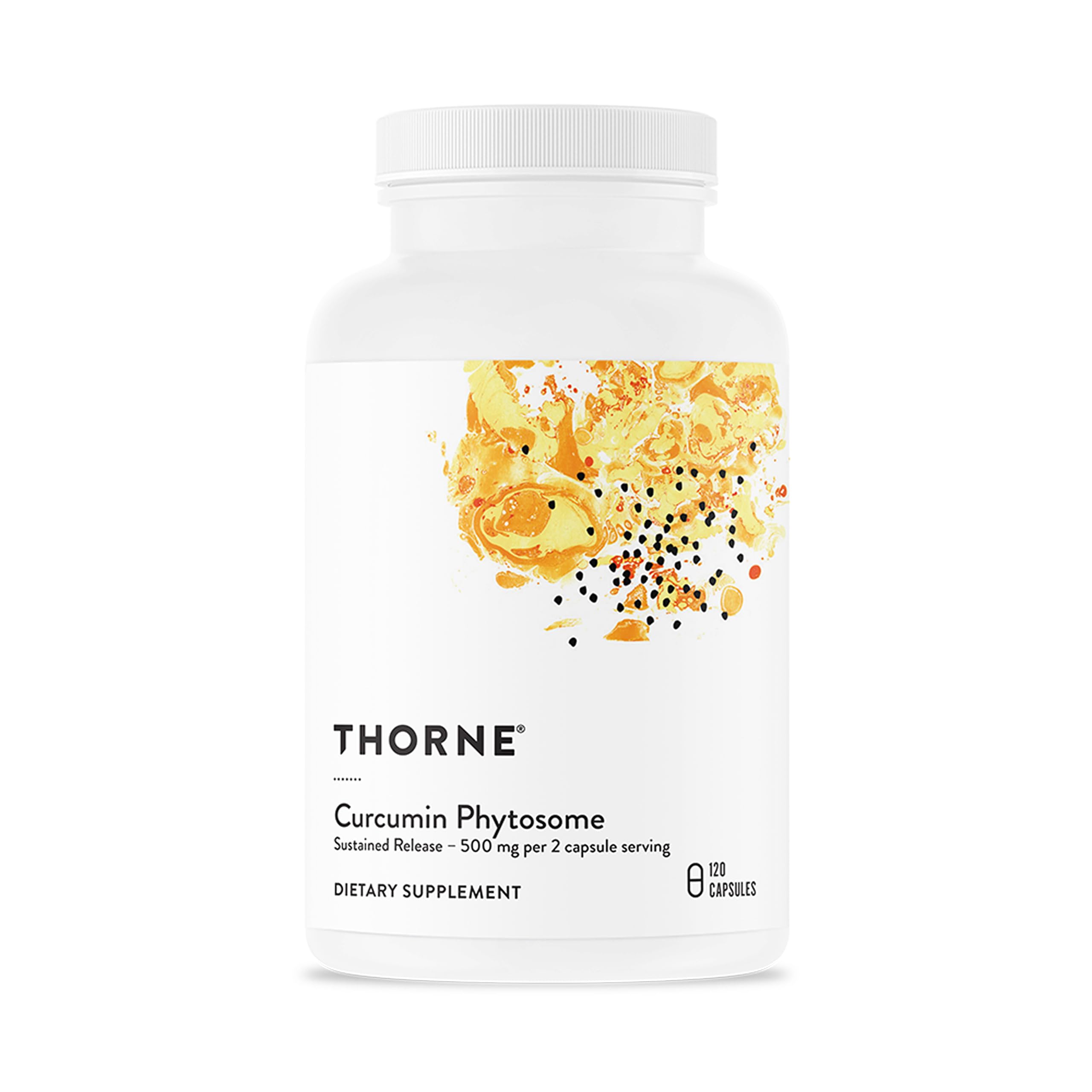
Many people find a thoughtfully formulated capsaicin cream, such as Capsaicin Sport Cream, helpful for localized tight spots. For systemic anti‑inflammatory support, a standardized curcumin like Curcumin Phytosome Supplement is a common pick. If stress is a big driver, a high‑quality Organic Lavender Essential Oil can be used in a diffuser or diluted for massage. These are options to consider—choose products with transparent sourcing and third‑party testing.
Safety, interactions, and quality considerations
Herbs are pharmacologically active. Use the same caution you would with over‑the‑counter medicines.
Bleeding risk and anticoagulants: turmeric/curcumin, ginger, willow bark, boswellia may potentiate anticoagulants/antiplatelets (warfarin, apixaban, clopidogrel) or NSAIDs. Monitor closely or avoid combinations without clinician guidance.
CNS depressants: kava, valerian, chamomile, and CBD can add to sedation from benzodiazepines, antihistamines, opioids, alcohol, and sleep medicines.
Hepatotoxicity: kava and internal comfrey are linked to liver injury. Use only topical, PA‑free comfrey; avoid kava with any liver concerns and limit duration.
Aspirin/salicylate concerns: avoid willow bark with aspirin allergy, active ulcers, kidney disease, in children/teens with viral illness, and in late pregnancy.
Pregnancy/breastfeeding: avoid kava, comfrey, and high‑dose essential oils; use others only under professional guidance.
Children: avoid strong essential oils (menthol/eucalyptus/camphor) on or near the face of infants/young children; avoid willow. Use gentler options (e.g., chamomile) with pediatric guidance.
Topical precautions: always dilute essential oils; avoid broken skin and mucous membranes; wash hands after capsaicin/menthol; discontinue if rash develops.
Quality and adulteration:
Essential oils: seek Latin names, chemotype where relevant, GC/MS testing for purity.
Comfrey: confirm “PA‑free” on label from a reputable brand.
Kava: prefer “noble” chemotype, root‑only extracts, and third‑party testing.
CBD: look for COA confirming cannabinoid content and contaminants (pesticides, solvents, heavy metals).
Willow/turmeric/ginger: choose standardized extracts from brands with USP, NSF, or equivalent certification.
Regulatory notes: In the U.S., capsaicin and menthol topicals are covered under the FDA external analgesic monograph; most other herbal products are regulated as dietary supplements—potency can vary.
Practical integration: choosing topical vs oral, combos, and DIY options
When to choose topical
Localized knots or trigger points: capsaicin, menthol/peppermint, arnica, comfrey (PA‑free), or a lavender‑peppermint massage blend can target one area without whole‑body effects.
Sensitive to systemic effects or on many medications: start with topical options to minimize interactions.
When to choose oral
Widespread soreness or inflammation (e.g., after intense training or in chronic inflammatory conditions): turmeric/curcumin, ginger, boswellia, or willow bark (if appropriate) may help systemically.
Stress‑driven tension and poor sleep: nervines like chamomile, valerian, or carefully selected kava (short‑term, with guidance) can reduce arousal and guarding.
Smart combinations
Topical + systemic: capsaicin or menthol cream on tight spots plus oral ginger/curcumin for DOMS.
Nervine + massage/stretching: lavender inhalation before a 10‑minute stretching session can lower perceived tension; explore routines in Eastern Wellness Practices for Relaxation.
Non‑herbal allies: heat (10–20 minutes), gentle range‑of‑motion work, myofascial release with a foam roller or ball, Epsom salt baths, adequate hydration, and addressing electrolytes (see Magnesium). For activity‑related tightness, structured bodywork can help—our guide on Massage Therapy for Athletes: An Evidence‑Based Guide to Modalities, Timing, and Recovery offers practical timing tips.
Simple formulations to try
Calming tea for tension: chamomile 2 parts + ginger 1 part. Steep 1 tablespoon in 10–12 oz hot water for 10 minutes; drink 1–3 cups/day.
Warming massage oil (2% dilution in 30 mL carrier oil): 6 drops lavender + 4 drops peppermint + 3 drops rosemary. Patch test first.
Capsaicin routine: apply 0.025–0.075% cream to the tight area 3–4 times daily for 2–4 weeks; the desensitizing effect builds with consistent use.
PA‑free comfrey cream: for acute sprain or low back flare, apply up to 3–4 times daily for 7–14 days.
When to seek medical care
Red flags: severe or worsening pain after trauma; fever, redness, or warmth suggesting infection; new weakness, numbness, bowel/bladder changes; calf swelling/tenderness with redness (possible DVT); unexplained weight loss; night pain that doesn’t ease with position changes.
Timelines: if self‑care doesn’t help within 1–2 weeks, or if symptoms limit daily function, consult a clinician. For recurrent cramps, medication side effects or electrolyte/endocrine issues may be involved.
Practical takeaways
For localized muscle knots, start with topical capsaicin or menthol/peppermint, optionally adding PA‑free comfrey or arnica for short‑term use.
For whole‑body soreness, consider ginger or curcumin daily for 1–2 weeks around hard training blocks; prioritize sleep and hydration.
For stress‑related tightness, leverage lavender (aromatherapy or diluted topical) and a gentle stretching/breathing routine; consider chamomile or valerian at night.
Check for interactions, especially if you use blood thinners or sedatives, and choose reputable, tested products.
This information is for educational purposes and should not replace personalized medical advice. If you have a medical condition, take prescription medications, are pregnant or breastfeeding, or plan surgery, speak with a qualified healthcare professional before using herbal products.
This content is for informational purposes only and does not constitute medical advice. Always consult a qualified healthcare provider before starting, stopping, or changing any supplement or medication regimen.
Herbal Treatments for Anxiety Relief: Evidence-Based Herbs, Dosage, and Safety. Feeling keyed up, tense, or stuck in worry—and wondering whether herbal treatments for anxiety relief can help? Research suggests some plant-based options may ease mild to moderate anxiety symptoms, especially when combined with lifestyle strategies and therapy. This guide reviews what the science s
Natural Pain Relief Supplements: Evidence‑Based Options, Dosage & Safety. If you’re searching for natural pain relief supplements, you’re likely weighing which options actually work, how to take them safely, and what to expect. Research suggests certain herbs, nutrients, and topical compounds can modestly reduce pain—especially for osteoarthritis, low back pain, headaches
Top Natural Pain Relief Methods: An Evidence‑Based Guide to Herbs, Supplements, and Therapies. If you’re searching for top natural pain relief methods, you’re not alone. Many people want options that reduce discomfort while minimizing side effects from long‑term medication use. This guide blends western research with eastern and traditional practices, clearly noting what’s well‑supported, wha
Herbal Treatments for Inflammation: Evidence‑Based Guide to Turmeric, Boswellia, Ginger & More. If you’re exploring herbal treatments for inflammation, you’re likely looking for options that can reduce pain and swelling without the side effects of long-term NSAID use. Research suggests several herbs and plant compounds may help, especially for osteoarthritis and musculoskeletal pain. This guid
Natural Treatments for Chronic Pain: An Evidence‑Based Guide to Herbs, Supplements, and Integrative Therapies. If you live with persistent pain, you may be searching for natural treatments for chronic pain that actually help without heavy side effects. Research suggests that an integrative plan—combining targeted herbs and supplements, movement, hands‑on therapies, and mind–body strategies—can reduce pain in
Natural Remedies for Headaches: Evidence‑Based Herbs, Supplements & Self‑Care. If you’re searching for natural remedies for headaches, you’re not alone. Many people want options that ease pain, reduce frequency, and feel gentler than daily medications. This guide brings together western research and time‑tested eastern practices, clearly labeling the strength of evidence behin