Natural Remedies for Headaches: Evidence‑Based Herbs, Supplements & Self‑Care
Evidence‑based natural remedies for headaches: hydration, magnesium, riboflavin, peppermint oil, acupuncture, and more—plus dosing, safety, and red flags.
·12 min read
This content is for informational purposes only and does not constitute medical advice. Always consult a qualified healthcare provider before starting, stopping, or changing any supplement or medication regimen.
If you’re searching for natural remedies for headaches, you’re not alone. Many people want options that ease pain, reduce frequency, and feel gentler than daily medications. This guide brings together western research and time‑tested eastern practices, clearly labeling the strength of evidence behind each approach so you can build a safe, personalized plan.
Types and causes of headaches (and why subtype matters)
Understanding your headache type helps you match the right natural supports.
Tension‑type headache (TTH): Dull, band‑like tightness on both sides; often from muscle tension, stress, dehydration, or prolonged screen time/posture strain. Natural tools that relax muscles and improve ergonomics tend to help.
Migraine: Throbbing, often one‑sided; may include nausea, light/sound sensitivity, and sometimes aura. Triggers include hormonal shifts, certain foods, poor sleep, and stress. Prevention strategies (magnesium, riboflavin, acupuncture, biofeedback) can reduce frequency; ice and dark, quiet rooms may soothe attacks.
Cluster headache: Severe, piercing pain around one eye with tearing, nasal congestion, and restlessness; occurs in “clusters.” Oxygen and prescription therapies are first‑line. A few adjunct natural options have limited but intriguing evidence.
“Sinus” headache: True sinusitis headache occurs with fever, thick nasal discharge, facial pain/pressure, and often reduced smell. Many “sinus headaches” are actually migraines. Saline rinses, hydration, and rest support sinus infections; see a clinician if symptoms persist or worsen.
Medication‑overuse headache (MOH): Daily or near‑daily headache from frequent painkiller or caffeine use (often >2–3 days/week). The remedy is a supervised taper and prevention planning; more pills or caffeine can worsen MOH.
Natural remedies for headaches: What the research says
Hydration and electrolytes: Emerging–moderate evidence that correcting dehydration and mild electrolyte imbalance reduces headache risk, especially for TTH and exercise‑related headaches.
Caffeine (timing matters): Moderate evidence for acute relief when used sparingly; strong link with MOH when used frequently. Can enhance pain relievers but may perpetuate headaches if used daily.
Magnesium: Moderate–strong evidence for migraine prevention; emerging for menstrual migraine and TTH. Best studied doses are 200–400 mg elemental magnesium/day.
Riboflavin (vitamin B2): Moderate evidence for migraine prevention at 200–400 mg/day.
Feverfew: Moderate evidence for migraine prevention with standardized extracts; quality of products varies. Not for pregnancy.
Butterbur (PA‑free only): Mixed evidence for migraine prevention; safety concerns about liver toxicity require PA‑free, third‑party‑tested products and medical guidance.
Peppermint oil (topical): Moderate evidence for TTH relief using 10% menthol to temples/forehead.
Ginger: Emerging–moderate evidence for acute migraine relief and nausea reduction at onset (500–1000 mg powder/extract).
Acupuncture: Moderate–strong evidence for reducing migraine and TTH frequency; recommended in some guidelines.
Massage/physical therapy/posture: Moderate evidence for TTH; helpful for cervicogenic components.
Biofeedback and relaxation training: Moderate–strong evidence for migraine and TTH prevention.
Cold/heat therapy: Moderate evidence—cold packs for migraine; heat for TTH/neck muscle spasm.
Sleep optimization and circadian regularity: Strong experiential base with growing research support; irregular sleep is a common trigger.
For a broader look at pain‑relief strategies, see our guide: Top Natural Pain Relief Methods: An Evidence‑Based Guide to Herbs, Supplements, and Therapies (/articles/top-natural-pain-relief-methods-evidence-based-guide).
Evidence‑based options and how to use them
Hydration and electrolytes (emerging–moderate)
What to try: At first sign of a headache, drink water; consider an unsweetened electrolyte solution after sweat losses, illness, or long exercise.
Why it may help: Dehydration can constrict blood vessels and irritate pain pathways.
Practical tip: Aim for pale‑yellow urine, regular meals, and limit alcohol (a known trigger for many).
Caffeine: strategic, not daily (moderate; risk of MOH is strong)
What to try: 50–200 mg caffeine (about ½–2 cups coffee) at the start of a headache may help, especially combined with rest in a dark room.
Caveats: Using caffeine daily increases the risk of MOH and withdrawal headaches. Avoid in late afternoon/evening to protect sleep.
Magnesium (moderate–strong)
Dosing: 200–400 mg elemental magnesium nightly; magnesium glycinate or citrate are commonly tolerated. Reduce dose if you get loose stools.
Who may benefit: People with migraines, especially menstrual migraine, and those with low dietary intake.
Interactions: Can bind certain antibiotics (tetracyclines/quinolones) and thyroid medications—separate by at least 4 hours.
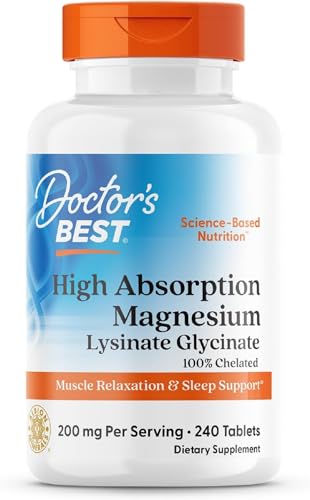
Many people find a gentle Magnesium Glycinate 200 mg capsule convenient for daily use. Evidence supports magnesium for migraine prevention, but individual responses vary.
Notes: May reduce migraine frequency after several weeks. Avoid during pregnancy and with anticoagulants/antiplatelet drugs; can cause mouth irritation if chewed fresh.
Butterbur—PA‑free only (mixed evidence; safety concerns)
Dosing used in studies: 50–75 mg standardized petasin/isopetasin twice daily.
Safety: Only use certified PA‑free products; raw butterbur contains pyrrolizidine alkaloids (PAs) that can damage the liver and lungs. Discuss with your clinician; avoid if you have liver disease or are pregnant/nursing.
Peppermint oil topical (moderate for TTH)
How to use: Apply diluted menthol (about 10% in a carrier oil/roll‑on) to temples and forehead; avoid eyes.
Why it may help: Menthol activates TRPM8 “cool” receptors, providing counter‑irritation and muscle relaxation.
Many people keep a Peppermint Essential Oil 10% Roll‑On in a bag or desk for on‑the‑go relief. Topical use avoids the sleep‑disrupting effects of caffeine.
Dosing: 500–1000 mg powdered ginger or standardized extract at onset; can repeat in several hours.
Benefits: May reduce migraine pain and nausea; generally well‑tolerated.
Caution: May increase bleeding tendency at high doses; use caution with anticoagulants.
Acupuncture and acupressure (moderate–strong)
Research: Multiple randomized trials and meta‑analyses suggest acupuncture reduces migraine and TTH frequency, with benefits comparable to some medications for prevention.
How to use: A series of weekly sessions (e.g., 6–12) is typical; maintenance varies. Acupressure on LI4 (Hegu) and GB20 points may offer self‑care relief.
Perspective: In Traditional Chinese Medicine, headaches may reflect patterns like Liver Yang rising or Wind invasion; acupuncture aims to rebalance these patterns while calming pain pathways. For a broader look at migraine across systems, see Migraine: East vs West (/compare/migraine).
Massage, physical therapy, and posture retraining (moderate)
Best for: Tension‑type and cervicogenic headaches aggravated by muscle trigger points and forward‑head posture.
What to do: Target upper trapezius, suboccipitals, and neck flexors; pair with ergonomic changes (screen at eye level, frequent breaks, headset for calls).
Some people explore chiropractic or manual therapies for migraine; learn more about the state of the evidence here: Migraine and Chiropractic Care (/relates/migraine-and-chiropractic-care).
Biofeedback, relaxation, and mindfulness (moderate–strong)
Sleep and circadian rhythm (strong practical importance)
Why it matters: Irregular sleep is a top trigger. Aim for a consistent wake/sleep schedule, good sleep hygiene, and screen dimming at night.
If you need herbal sleep supports, see our evidence‑based guide: Herbal Remedies for Better Sleep (/articles/herbal-remedies-for-better-sleep-evidence-dosage-safety-compare).
Light, screens, and environment
Blue‑green light sensitivity is common in migraine. Try: dark mode, screen filters, frequent breaks (20‑20‑20 rule), and anti‑glare settings. Rest in a dark, quiet room during attacks.
Cluster headache: what helps naturally?
First‑line: Prescription therapies and high‑flow oxygen are most effective; see a clinician urgently for new or suspected cluster headaches.
Adjuncts with limited evidence: Melatonin 9–10 mg at night may reduce nocturnal attacks for some; intranasal capsaicin has shown benefit in small studies. Discuss with your clinician.
Safety, interactions, and special populations
General precautions
Start low, go slow; introduce one new remedy at a time and track effects for 4–8 weeks.
Choose third‑party‑tested supplements. For butterbur, PA‑free certification is essential.
Stop and seek care for new, severe, or changing headaches (see red flags below).
Common interactions and cautions
Anticoagulants/antiplatelets (warfarin, DOACs, aspirin, clopidogrel): Avoid feverfew; use caution with ginger and high‑dose fish oil. Peppermint topical is generally safe.
Liver disease: Avoid butterbur; be cautious with multiple herbs. Limit alcohol.
GERD: Peppermint (oral) can relax the lower esophageal sphincter—prefer topical forms.
Pregnancy: Avoid feverfew and butterbur; limit caffeine to <200 mg/day; magnesium and riboflavin are generally considered low risk at typical doses—confirm with your obstetric clinician. Ginger is commonly used for nausea. Acupuncture and massage are often safe with trained providers.
Breastfeeding: Similar to pregnancy; avoid butterbur and feverfew, and verify any herb with a clinician.
Children/adolescents: Consult a pediatric clinician for dosing. Magnesium and riboflavin are sometimes used; peppermint topical may help TTH. Screen time, hydration, and regular meals are key.
Older adults: Review all medications for interactions; watch for red‑flag causes like temporal arteritis (giant cell arteritis) in new headaches >50 years.
Medication spacing: Take magnesium at least 4 hours apart from thyroid meds, tetracyclines, and quinolones.
Quality and dosing tips
Look for products with USP, NSF, or Informed Choice certification.
Standardization matters: Feverfew products should list parthenolide content; butterbur must be PA‑free and standardized for petasins.
Practical prevention: triggers, tracking, and planning
Track and modify common triggers
Sleep: Keep a consistent schedule; avoid large late meals and evening caffeine.
Diet: Irregular meals, dehydration, alcohol, and some foods (aged cheeses, processed meats, red wine) can trigger migraines.
Stress: Build daily “micro‑breaks,” breathing exercises, or short walks.
Screens and posture: 20‑20‑20 rule (every 20 minutes, look 20 feet away for 20 seconds), chin‑tuck and shoulder‑blade squeezes, ergonomic desk setup.
Hormonal shifts: For menstrual migraine, prevention (magnesium, riboflavin, acupuncture) started 1–2 weeks pre‑menses can be helpful.
Build your personalized plan
Choose 1–2 prevention tools (e.g., magnesium at night + weekly acupuncture) and 1–2 acute tools (e.g., peppermint roll‑on + cold pack).
Reassess after 4–8 weeks; if little benefit, adjust dose or swap approaches.
Combine lifestyle foundations (sleep, hydration, posture) with targeted supplements or therapies.
For more ways to combine modalities thoughtfully, you may also find this resource helpful: Top Natural Pain Relief Methods: An Evidence‑Based Guide to Herbs, Supplements, and Therapies (/articles/top-natural-pain-relief-methods-evidence-based-guide).
When to see a clinician (red flags)
Seek urgent care if you have:
“Thunderclap” headache—sudden, maximal intensity within seconds/minutes
New neurologic symptoms: weakness, numbness, trouble speaking, vision loss, confusion
Fever, neck stiffness, rash, or recent head injury
New headache after age 50, or a major change in your usual pattern
Headache with cancer, HIV, pregnancy/postpartum complications, or on blood thinners
Persistent “sinus” headache with fever and thick discharge unresponsive to care
Practical takeaways
Start with foundations: hydration, regular sleep, and posture—good for tension‑type and migraine.
For prevention, research suggests magnesium (200–400 mg/day) and riboflavin (200–400 mg/day) can reduce migraine frequency over weeks.
For acute relief, peppermint oil 10% topical, strategic caffeine (not daily), ginger at onset, and cold or heat can help.
Acupuncture, massage/physical therapy, and biofeedback have moderate–strong evidence and fit well with both eastern and western approaches.
Safety first: avoid feverfew and butterbur in pregnancy; use PA‑free, third‑party‑tested butterbur only with medical guidance; watch interactions if on anticoagulants.
Keep a simple log, test changes for 4–8 weeks, and involve your clinician—especially for frequent or severe headaches.
This information is for educational purposes and should not replace personalized medical advice. If your headaches are new, severe, or changing, or you have any red‑flag symptoms, seek medical care promptly.
This content is for informational purposes only and does not constitute medical advice. Always consult a qualified healthcare provider before starting, stopping, or changing any supplement or medication regimen.
Top Natural Pain Relief Methods: An Evidence‑Based Guide to Herbs, Supplements, and Therapies. If you’re searching for top natural pain relief methods, you’re not alone. Many people want options that reduce discomfort while minimizing side effects from long‑term medication use. This guide blends western research with eastern and traditional practices, clearly noting what’s well‑supported, wha
Natural Treatments for Chronic Pain: An Evidence‑Based Guide to Herbs, Supplements, and Integrative Therapies. If you live with persistent pain, you may be searching for natural treatments for chronic pain that actually help without heavy side effects. Research suggests that an integrative plan—combining targeted herbs and supplements, movement, hands‑on therapies, and mind–body strategies—can reduce pain in
Natural Pain Relief Supplements: Evidence‑Based Options, Dosage & Safety. If you’re searching for natural pain relief supplements, you’re likely weighing which options actually work, how to take them safely, and what to expect. Research suggests certain herbs, nutrients, and topical compounds can modestly reduce pain—especially for osteoarthritis, low back pain, headaches
Herbal Remedies for Anxiety: Evidence-Based Options & How to Choose. If you’re exploring herbal remedies for anxiety, you likely want something natural that can take the edge off without heavy side effects. This guide walks through what “herbal remedies” actually are, how they may work, and what the research says about specific options like kava, ashwagandha, lavende
Naturopathic Remedies for Anxiety: Evidence‑Based Herbs, Supplements, Lifestyle Strategies & When to See a Naturopath. If you’re exploring naturopathic remedies for anxiety, you’re likely looking for options that address root causes, feel gentler than medication, and still have evidence behind them. This guide brings together research‑informed herbs, supplements, lifestyle strategies, and mind–body tools from both w
Non‑Invasive Treatments for Pain Relief: An Evidence‑Based Guide. If you’re looking for non-invasive treatments for pain relief, you’re not alone. Many people want options that don’t involve surgery or long-term opioid use. This guide bridges western evidence and time‑tested eastern practices to help you understand what works, for which conditions, and how to use