Which natural pain relief supplements actually help? Evidence-based options, dosing, and safety tips for joints, back pain, headaches, and more.
·12 min read
This content is for informational purposes only and does not constitute medical advice. Always consult a qualified healthcare provider before starting, stopping, or changing any supplement or medication regimen.
If you’re searching for natural pain relief supplements, you’re likely weighing which options actually work, how to take them safely, and what to expect. Research suggests certain herbs, nutrients, and topical compounds can modestly reduce pain—especially for osteoarthritis, low back pain, headaches, and neuropathic pain—when matched to the right condition and used consistently.
Below, we bridge western evidence and traditional wisdom, explain how top options work, summarize dosing and safety, and share how to choose quality products. This information is educational and not a substitute for personalized medical care.
Natural pain relief supplements: how they work
Most natural options reduce pain through one or more of these mechanisms:
Anti‑inflammatory: dial down signaling molecules that drive inflammation (e.g., NF‑κB, COX/LOX enzymes, leukotrienes, prostaglandins)
Analgesic: directly reduce the sensation of pain (e.g., salicin/COX inhibition, TRPV1 desensitization)
Turmeric/curcumin (anti‑inflammatory; traditionally used in Ayurveda): Curcumin inhibits NF‑κB and COX/LOX pathways. Commonly used for osteoarthritis, tendonitis, and general inflammatory pain. Evidence level: moderate to strong for osteoarthritis.
Boswellia serrata (anti‑inflammatory; Ayurvedic resin): Boswellic acids (incl. AKBA) inhibit 5‑lipoxygenase and leukotriene formation. Used for osteoarthritis and inflammatory joint pain. Evidence level: moderate.
Ginger (anti‑inflammatory/analgesic; traditional Chinese and Ayurvedic herb): Inhibits COX/LOX and may act on TRPV1 channels. Used for osteoarthritis, muscle soreness, and menstrual cramps. Evidence level: moderate (especially for dysmenorrhea).
Omega‑3 fish oil (anti‑inflammatory): EPA/DHA shift eicosanoid balance toward less‑inflammatory mediators and generate resolvins/protectins. Used for rheumatoid arthritis and chronic musculoskeletal pain. Evidence level: moderate for RA, emerging for general chronic pain.
Willow bark (salicin) (analgesic/anti‑inflammatory; traditional European herb): Metabolized to salicylic acid, mildly inhibits COX. Used for low back pain and osteoarthritis. Evidence level: moderate, effects milder than NSAIDs.
Magnesium (neuromodulatory): Blocks NMDA receptors and stabilizes nerve excitability; supports muscle relaxation. Used for migraine prevention and muscle tension/cramps. Evidence level: moderate for migraine prevention; mixed for muscle cramps.
SAMe (S‑adenosyl‑L‑methionine) (anti‑inflammatory/structural support): Methyl donor influencing neurotransmitters and cartilage metabolism. Used for osteoarthritis and sometimes low mood associated with chronic pain. Evidence level: moderate for osteoarthritis.
MSM (methylsulfonylmethane) (anti‑inflammatory/antioxidant): May downregulate NF‑κB and oxidative stress. Used for osteoarthritis and general joint discomfort. Evidence level: emerging to moderate.
CBD (cannabidiol) (neuromodulatory; endocannabinoid system): Interacts with CB1/CB2 indirectly and TRPV1; anti‑inflammatory/analgesic effects in preclinical studies. Used for neuropathic pain and mixed chronic pain. Evidence level: emerging; human trials show mixed results.
Alpha‑lipoic acid (ALA) (antioxidant/neuromodulatory): Improves oxidative stress and microvascular function in nerves. Used for diabetic neuropathy. Evidence level: moderate for neuropathic symptom relief.
Topicals: Capsaicin (TRPV1 desensitization; strong burning at first, then reduced signaling) and arnica gel (traditionally anti‑inflammatory, limited clinical support). Used for localized osteoarthritis, neuropathic pain (capsaicin), and muscle soreness. Evidence level: capsaicin moderate to strong for neuropathic pain (high‑dose patch in clinic; OTC creams modest); arnica emerging to moderate for localized pain.
Related reading on anti‑inflammatory herbs: see our Evidence‑Based Guide to Turmeric, Boswellia, Ginger & More (/articles/herbal-treatments-for-inflammation).
What the research says: evidence, dosing, and expected benefit
Below are practical summaries blending clinical data and real‑world considerations. Timelines and effects vary by individual; consistent use is key.
Turmeric/curcumin (moderate–strong evidence for osteoarthritis)
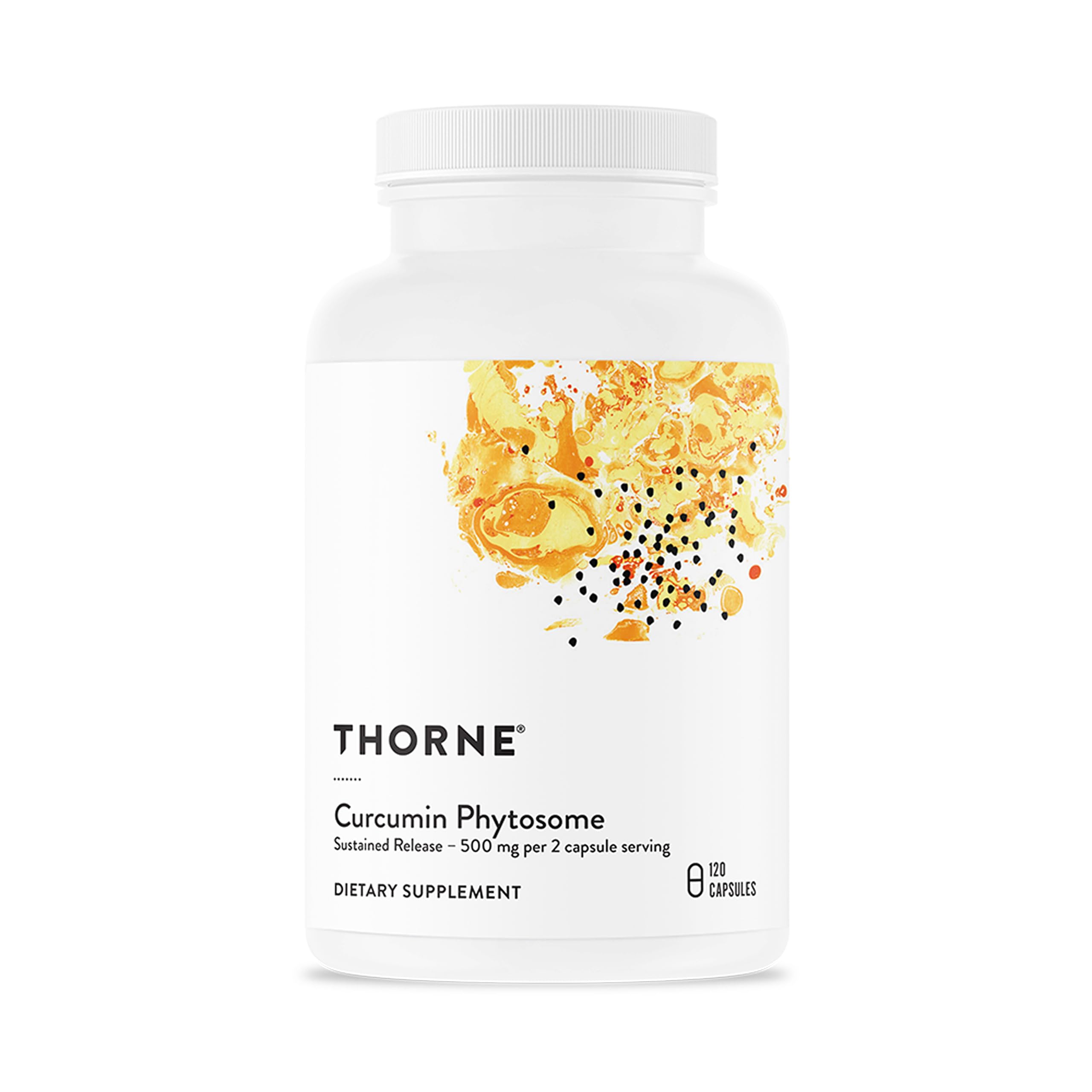
Typical dose & form: 500–1000 mg/day of standardized curcuminoids, often split 1–2 times daily. Enhanced‑absorption forms (curcumin phytosome/complexes) or curcumin + piperine (5–20 mg) improve bioavailability.
Onset: 4–8 weeks for joint pain.
Magnitude: Meta‑analyses indicate clinically meaningful pain reduction vs placebo and comparable effects to low‑dose NSAIDs in some RCTs, with better GI tolerability.
Notes: Take with food/fat. May be synergistic with boswellia.
Deep dive: Turmeric Supplement Benefits: Evidence‑Based Guide + How to Choose (/articles/turmeric-supplement-benefits-guide).
Dose: 500–1000 mg/day extract or 1–2 g/day powdered root; for menstrual cramps, 750–2000 mg/day during first 2–3 days of menses.
Onset: Days for cramps; 4–8 weeks for osteoarthritis.
Magnitude: Comparable to NSAIDs for dysmenorrhea in some trials; modest benefits for OA.
Omega‑3 fish oil (moderate for RA; emerging for general pain)
Dose: 1–3 g/day combined EPA+DHA; many RA studies use ~2.7 g/day.
Onset: 8–12 weeks.
Magnitude: Reduces morning stiffness and NSAID use in RA; smaller effects for general musculoskeletal pain.
Willow bark (moderate)
Dose: Standardized to 120–240 mg salicin/day.
Onset: Slower than aspirin; expect several days for back or joint pain.
Magnitude: Mild‑to‑moderate benefit; gentler on the stomach than standard NSAIDs but still has salicylate cautions.
Magnesium (moderate for migraine prevention)
Dose: 400–600 mg/day elemental magnesium (glycinate or citrate are better tolerated). For acute migraine, some use magnesium oxide 400–600 mg at onset (evidence mixed).
Onset: 4–12 weeks for prevention.
Magnitude: Fewer migraine days in several RCTs; variable individual response. Evidence for muscle cramps is mixed.
SAMe (moderate)
Dose: 600–1200 mg/day, divided; some protocols titrate to 1600 mg/day.
Onset: 2–4 weeks.
Magnitude: Comparable to NSAIDs for osteoarthritis pain in longer trials, with slower onset but better GI tolerance.
MSM (emerging–moderate)
Dose: 1.5–3 g/day (often divided); some studies up to 6 g/day.
Onset: 2–4 weeks.
Magnitude: Small‑to‑moderate pain and function improvements in OA vs placebo.
CBD (emerging)
Dose: Highly variable; many start at 10–20 mg/day CBD and titrate to 25–50+ mg/day based on response and tolerance. Look for products with lab verification of CBD content and THC level compliant with local law.
Onset: Days to weeks; neuropathic pain may respond differently.
Magnitude: Human data are mixed for chronic pain; some benefit reported anecdotally and in certain neuropathic conditions, but high‑quality RCTs are limited.
Alpha‑lipoic acid (moderate for diabetic neuropathy)
Dose: 600 mg/day (oral). Some studies used IV ALA initially, then oral maintenance.
Onset: Weeks.
Magnitude: Several RCTs show reductions in neuropathic symptoms (burning, numbness) vs placebo.
Topical capsaicin (moderate–strong for neuropathic pain; moderate for OA)
Dose: OTC creams 0.025–0.1% applied 3–4× daily; burning/tingling is common initially. A prescription 8% patch is clinic‑applied for postherpetic neuralgia.
Onset: 1–2 weeks (after initial flare) as substance P is depleted.
Magnitude: Meaningful reductions in localized neuropathic pain; modest effects for OA.
Topical arnica (emerging–moderate)
Dose: 5–25% arnica gel/cream applied to intact skin 2–3× daily.
Onset: Days.
Magnitude: Small benefits for localized pain and post‑exercise soreness in some studies.
Other options occasionally used: bromelain (500–1000 mg/day, emerging evidence; potential antiplatelet effects) and curcumin–boswellia combinations (possible synergy). For a side‑by‑side comparison across common pain conditions, see our evidence‑based overview (/articles/natural-pain-relief-supplements-comparison) and our guide to joint‑focused options (/articles/supplements-for-joint-pain).
Safety, interactions, and contraindications
General principles
Start low, go slow. Introduce one new supplement at a time and track response for 2–4 weeks.
Combine with non‑drug strategies (exercise, sleep, weight management) to improve outcomes and allow lower doses.
Discuss with your clinician if you take prescription medications, have chronic conditions, or are pregnant/breastfeeding.
Common side effects by category
GI upset: turmeric/curcumin, ginger, boswellia, MSM, SAMe, magnesium (especially oxide), fish oil.
Anticoagulants/antiplatelets (warfarin, DOACs, aspirin, clopidogrel): Use caution with turmeric/curcumin, fish oil (especially >3 g/day), willow bark, ginger, and bromelain due to potential additive bleeding risk. Monitor for bruising/bleeding.
Blood pressure medications: High‑dose fish oil and magnesium may modestly lower BP—monitor if on antihypertensives.
Diabetes medications/insulin: Alpha‑lipoic acid may lower glucose; monitor for hypoglycemia and coordinate dosing.
Serotonergic/psychiatric meds: SAMe may interact with SSRIs/MAOIs and can trigger mania in bipolar disorder—avoid or use only with psychiatric supervision.
Antiepileptics/chemotherapy and CYP‑metabolized drugs: CBD can inhibit CYP3A4/CYP2C19; may raise levels of certain meds (e.g., some antiepileptics). Review with a pharmacist/clinician.
NSAIDs/aspirin sensitivity: Avoid willow bark in aspirin allergy, peptic ulcer disease, kidney disease, children/teens with viral illness (Reye’s risk), and pregnancy.
Gallbladder disease and GERD: Curcumin may exacerbate bile flow or reflux in some individuals.
Renal impairment: Use magnesium cautiously; risk of accumulation.
Pregnancy/breastfeeding: Limited safety data for many herbs (boswellia, willow, arnica, CBD). Ginger at dietary/therapeutic doses is generally considered acceptable for pregnancy nausea, but consult your clinician for pain dosing.
When to seek medical care urgently
New or worsening neurological symptoms (numbness/weakness), fever with back pain, unexplained weight loss, loss of bladder/bowel control, chest pain, severe headache “worst ever,” or signs of GI bleeding (black stools, vomiting blood). These may indicate conditions that require prompt evaluation.
For a broader look at non‑supplement options—movement therapies, mind‑body practices, and bodywork—see our evidence‑based guide to natural pain relief methods (/articles/top-natural-pain-relief-methods-evidence-based-guide).
Quality, formulation, and real‑world use guidance
Choosing quality products
Standardized extracts: Look for labeled amounts of active compounds (e.g., curcuminoids %, boswellic acids/AKBA %, salicin mg).
Bioavailability matters: Curcumin with piperine, or phytosome/complexed forms, improves absorption. Fish oil should specify EPA/DHA per serving (aim for 1–3 g/day combined). Magnesium glycinate/citrate is often better tolerated than oxide.
Third‑party testing: Prefer products tested by USP, NSF, or Informed Choice, or with accessible Certificates of Analysis confirming identity, potency, and purity (heavy metals, solvents, microbes).
Sensible dosing forms: Start with single‑ingredient products to identify responders, then consider combinations.
Combining supplements
Complementary pairs: Curcumin + boswellia for osteoarthritis; omega‑3 + magnesium for migraine (with clinician input). Avoid stacking multiple agents with bleeding risk (e.g., high‑dose fish oil + willow + turmeric) without medical oversight.
Building a practical plan
Match the supplement to the pain type:
Osteoarthritis: curcumin, boswellia, MSM, SAMe; topical capsaicin/arnica for joints.
Menstrual cramps: ginger; magnesium if cramps/migraine co‑occur.
Rheumatoid arthritis: higher‑dose omega‑3 (adjunct to medical therapy), curcumin as adjunctive anti‑inflammatory.
Migraine prevention: magnesium, possibly omega‑3; consider lifestyle triggers and sleep.
Monitor outcomes: Track pain scores, function (walking distance, grip strength), and medication use every 2–4 weeks. Adjust dose or switch if no benefit after a reasonable trial.
Realistic expectations
Magnitude: Most natural agents provide small‑to‑moderate average benefits vs placebo; some individuals respond strongly. Effects often build over weeks.
Synergy with lifestyle: Exercise, weight management, stress reduction, and sleep quality often magnify supplement benefits and reduce required doses.
For joint‑focused anti‑inflammatory support, a standardized Boswellia Extract (AKBA 20%) is an option some consider.
Those increasing omega‑3 intake often choose a high‑purity High‑EPA Fish Oil Softgel with transparent EPA/DHA labeling and third‑party testing.
Practical takeaways
If joint pain is the main issue, curcumin (500–1000 mg/day) and boswellia (300–500 mg 2–3×/day) are reasonable first trials; add MSM or topical capsaicin for localized areas.
For neuropathic pain, consider alpha‑lipoic acid (600 mg/day) and topical capsaicin; CBD remains an option with emerging evidence—review interactions first.
For menstrual cramps, ginger 750–2000 mg/day during the first days of menses can help; magnesium may assist if migraines co‑occur.
For migraine prevention, magnesium glycinate/citrate 400–600 mg/day is a practical, evidence‑supported starting point.
Give each trial 4–8 weeks (except topicals/ginger for acute cramps) and track changes. If ineffective or poorly tolerated, stop and reassess.
You can also explore acupuncture as part of a multimodal plan; see our overview of the evidence for chronic pain and acupuncture (/relates/chronic-pain-and-acupuncture).
Disclaimer
This content is for educational purposes and should not replace personalized medical advice. Always consult a qualified healthcare professional—especially if you take prescription medications, are pregnant or breastfeeding, or have chronic health conditions—before starting natural pain relief supplements.
This content is for informational purposes only and does not constitute medical advice. Always consult a qualified healthcare provider before starting, stopping, or changing any supplement or medication regimen.
Best Supplements for Joint Pain: Evidence‑Based Options & Dosage. If you’re exploring supplements for joint pain, you probably want relief that’s effective, safe, and grounded in evidence—not hype. This guide compares the most researched options, how they work, typical dosages, timelines for benefit, safety considerations, and how to choose high‑quality products.
Natural Pain Relief Supplements: An Evidence‑Based Comparison (Turmeric, Boswellia, Fish Oil, CBD & More). Many people search for a natural pain relief supplements comparison because they want options beyond NSAIDs or opioids—ideally with fewer side effects. This guide compares leading supplements head‑to‑head on mechanisms, best uses, dosing, safety, interactions, and how to choose what to try first.
N
Top Natural Pain Relief Methods: An Evidence‑Based Guide to Herbs, Supplements, and Therapies. If you’re searching for top natural pain relief methods, you’re not alone. Many people want options that reduce discomfort while minimizing side effects from long‑term medication use. This guide blends western research with eastern and traditional practices, clearly noting what’s well‑supported, wha
Natural Treatments for Chronic Pain: An Evidence‑Based Guide to Herbs, Supplements, and Integrative Therapies. If you live with persistent pain, you may be searching for natural treatments for chronic pain that actually help without heavy side effects. Research suggests that an integrative plan—combining targeted herbs and supplements, movement, hands‑on therapies, and mind–body strategies—can reduce pain in
Best Supplements for Anxiety Relief: Evidence‑Based Options, Dosage & Safety. If you’re searching for the best supplements for anxiety relief, you want what works, what’s safe, and how to use it alongside proven strategies like therapy, exercise, and good sleep. This guide reviews the most studied options—magnesium, L‑theanine, ashwagandha, GABA, valerian, CBD, B‑complex vita
Natural Remedies for Headaches: Evidence‑Based Herbs, Supplements & Self‑Care. If you’re searching for natural remedies for headaches, you’re not alone. Many people want options that ease pain, reduce frequency, and feel gentler than daily medications. This guide brings together western research and time‑tested eastern practices, clearly labeling the strength of evidence behin