Natural Pain Relief Supplements: An Evidence‑Based Comparison (Turmeric, Boswellia, Fish Oil, CBD & More)
Which natural pain relief supplements work? Compare turmeric, boswellia, omega‑3s, CBD, ginger & more for different pain types, dosing, and safety.
·12 min read
This content is for informational purposes only and does not constitute medical advice. Always consult a qualified healthcare provider before starting, stopping, or changing any supplement or medication regimen.
Many people search for a natural pain relief supplements comparison because they want options beyond NSAIDs or opioids—ideally with fewer side effects. This guide compares leading supplements head‑to‑head on mechanisms, best uses, dosing, safety, interactions, and how to choose what to try first.
Note: Research strength varies widely. We label evidence as strong (multiple RCTs/meta‑analyses), moderate (some RCTs/observational), emerging (early human/animal/mechanistic), or traditional (long historical use, limited modern trials).
Natural Pain Relief Supplements Comparison: What to Expect and When
Below are key options commonly used for osteoarthritis (OA), inflammatory pain, neuropathic pain, low back pain, menstrual cramps, and acute musculoskeletal pain.
Typical indications: Inflammatory joint pain (e.g., rheumatoid arthritis as adjunct), generalized inflammatory pain; less consistent for pure mechanical OA.
Onset/magnitude: Gradual; expect 4–12 weeks. Modest analgesic/NSAID‑sparing effects in inflammatory arthritis; mixed for OA.
Evidence strength: Moderate (multiple RCTs/meta‑analyses for inflammatory conditions), mixed for OA pain alone.
CBD (Cannabidiol)
Proposed mechanism: Modulates the endocannabinoid system (CB1/CB2 indirectly), TRPV1, and 5‑HT1A; may reduce central sensitization.
Onset/magnitude: Variable; days to weeks. Studies indicate small benefits for chronic/neuropathic pain, stronger when combined with THC; evidence for CBD isolate alone is limited.
Evidence strength: Emerging to moderate overall; stronger for THC/CBD combinations than CBD alone.
Best‑supported for OA: Curcumin/turmeric and boswellia show consistent pain/function benefits versus placebo, with effect sizes similar to mild NSAIDs in some studies (moderate–strong evidence). MSM and SAMe also show benefits (moderate evidence). See our roundup of Best Supplements for Joint Pain: Evidence‑Based Options & Dosage.
Neuropathic pain: Topical capsaicin is one of the most evidence‑backed non‑oral options (strong for high‑dose patch; moderate for OTC creams). CBD‑only products show emerging/variable effects; combinations with THC have stronger support but may not be legal/desired.
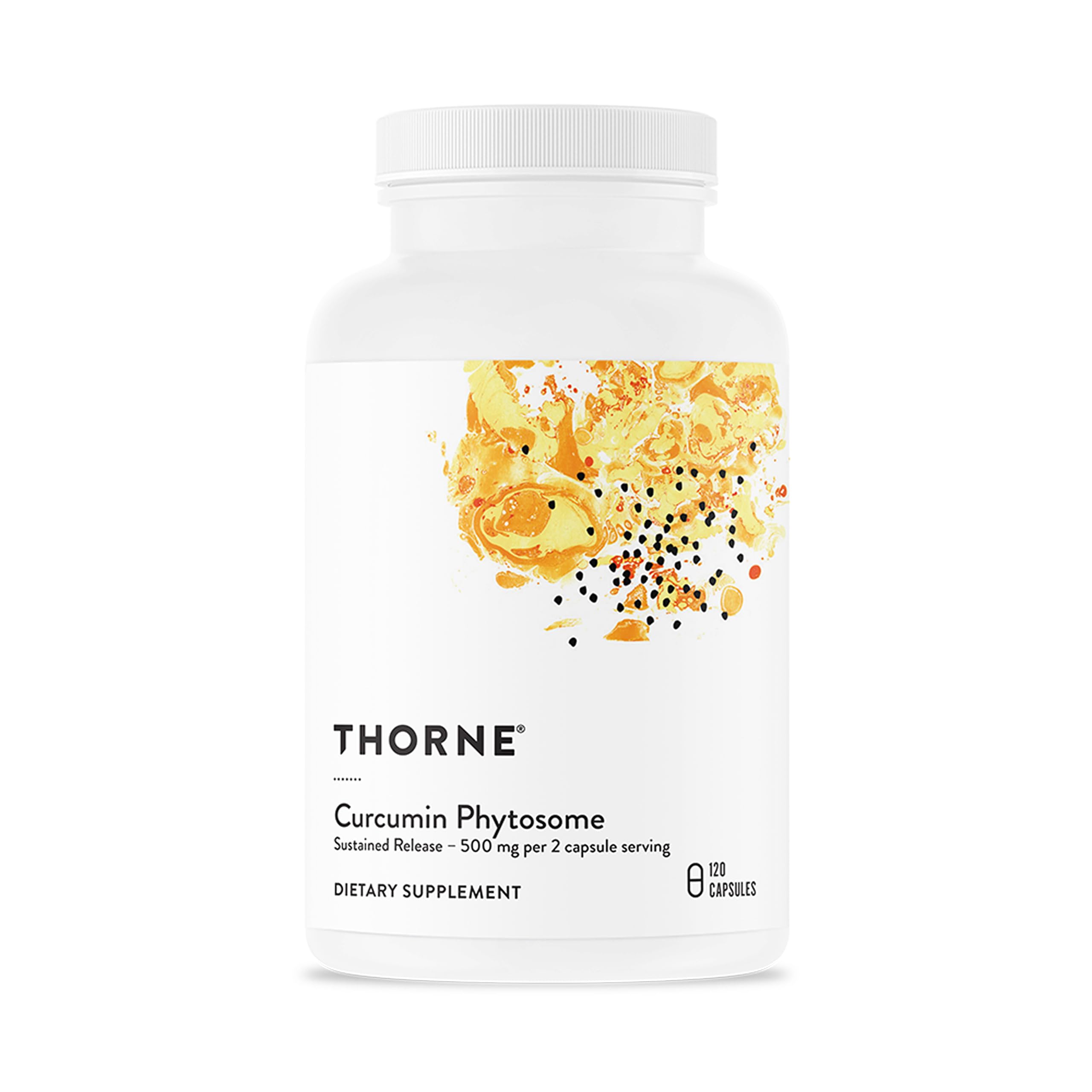
Typical dose: 500–1000 mg curcuminoids 1–2x/day; phytosome forms may work at 250–500 mg 1–2x/day.
Safety: Generally well‑tolerated; GI upset possible. Rare liver enzyme elevations reported with some high‑dose products.
Interactions/contraindications: Caution with anticoagulants/antiplatelets (theoretical bleeding risk), gallbladder disease, and significant GERD. May affect CYP enzymes modestly.
Formulation: Look for enhanced‑absorption (phytosome/BCM‑95/piperine). Many people find High‑Absorption Curcumin Phytosome convenient; verify third‑party testing.
Boswellia
Typical dose: 300–500 mg standardized extract (≥65% boswellic acids) 1–3x/day, or branded forms (e.g., 5‑LOXIN/Aflapin) at ~100–200 mg/day.
Safety: GI upset, headache; rarely rash.
Interactions/contraindications: Theoretical additive effects with other anti‑inflammatories; limited CYP data. Discontinue before major surgery.
Typical dose: 2–3 g/day combined EPA+DHA for anti‑inflammatory effects.
Safety: Fishy aftertaste, GI upset. Bleeding risk is generally low up to 3 g/day but use caution if on anticoagulants or before surgery.
Interactions/contraindications: Anticoagulants/antiplatelets (monitor), certain blood pressure meds (small BP‑lowering effect).
Formulation: Triglyceride form, freshness (low oxidation), and third‑party testing (e.g., IFOS) matter. Many people prefer an IFOS‑Certified Fish Oil for clarity on purity and potency.
CBD
Typical dose: Start 10–25 mg in the evening; titrate by 10–20 mg every few days to 50–100 mg/day as needed. Some trials use 100–300+ mg/day.
Safety: Drowsiness, GI effects; potential liver enzyme elevations at higher doses.
Interactions/contraindications: CBD can inhibit CYP3A4/CYP2C19—caution with anticoagulants, anti‑seizure meds, some antidepressants, and sedatives. Avoid in pregnancy/breastfeeding.
Formulation: Use products with certificates of analysis (COA). Full‑spectrum products contain trace THC where legal; isolates avoid THC but may be less effective for some.
Ginger
Typical dose: 500–1000 mg standardized extract 1–2x/day (or 1–2 g/day dried root). Dysmenorrhea trials often use 750–2000 mg/day during menses.
Safety: Heartburn, GI upset.
Interactions/contraindications: Caution with anticoagulants/antiplatelets (theoretical bleeding risk) and gallstones.
Formulation: Standardized to gingerols/shogaols improves consistency.
White Willow Bark (Salicin)
Typical dose: Standardized to 120–240 mg salicin/day.
Safety: GI discomfort, tinnitus at high doses; salicylate sensitivity is a contraindication.
Interactions/contraindications: Avoid with anticoagulants, other salicylates/NSAIDs, peptic ulcer disease, kidney disease, pregnancy, and in children/teens (risk of Reye’s syndrome).
Formulation: Verify salicin content per dose.
MSM
Typical dose: 1.5–3 g/day in divided doses.
Safety: Generally well‑tolerated; GI upset, headache possible.
Interactions/contraindications: Limited known interactions; stop before surgery as a precaution.
Formulation: Look for purity‑tested sources (e.g., OptiMSM‑certified materials).
Magnesium
Typical dose: 200–400 mg elemental magnesium/day (glycinate, citrate, or malate forms are gentler on the gut).
Safety: Diarrhea (especially with oxide), fatigue at high doses.
Interactions/contraindications: Can bind certain antibiotics and levothyroxine—separate by 2–4 hours. Use caution with significant kidney disease.
Formulation: Bisglycinate for sensitivity; citrate for those prone to constipation.
SAMe
Typical dose: 400–1200 mg/day, divided, on an empty stomach.
Safety: Nausea, headache; may trigger anxiety/mania in bipolar disorder.
Interactions/contraindications: Avoid with SSRIs/SNRIs/MAOIs or other serotonergic agents due to serotonin syndrome risk. Use caution if you have bipolar disorder.
Formulation: Enteric‑coated, blister‑packed stabilized forms (e.g., tosylate disulfate) protect potency.
Capsaicin (Topical)
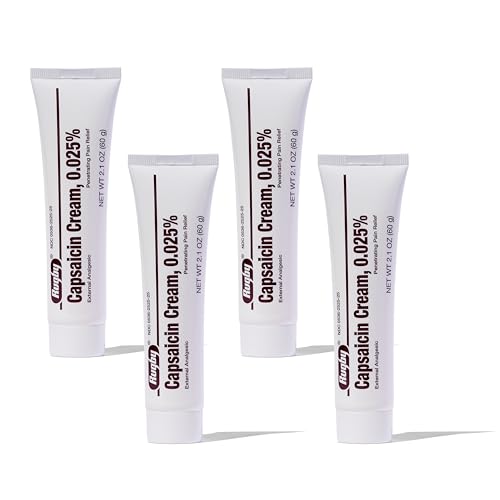
Typical dose: OTC creams 0.025%–0.1%, applied 3–4x/day for at least 2–4 weeks; high‑dose 8% patch is in‑clinic only.
Safety: Burning/tingling at application site; avoid eyes/mucosa. Wash hands after use or use gloves.
Interactions/contraindications: Broken skin or severe skin sensitivity.
Formulation: Consistency matters more than strength for OTC. A simple 0.075% Capsaicin Cream is an accessible starting point.
Head‑to‑Head: Choosing by Pain Type and Severity
Osteoarthritis (knee/hip/hand):
First‑line natural options with the best data: turmeric/curcumin, boswellia.
Additional options: MSM and SAMe. Ginger can help milder cases or be used during flares.
Consider combination: Curcumin + boswellia has complementary mechanisms and is supported by several combination trials.
Short‑term: Topical capsaicin for symptomatic relief; white willow bark as an aspirin‑like option if NSAIDs are not tolerated (mind interactions/contraindications).
Curcumin/ginger may support recovery when inflammation is prominent.
Menstrual cramps (primary dysmenorrhea):
Ginger has moderate evidence and is practical during menses; magnesium may help some, especially with co‑existing migraines or tension.
Single agent vs combination
If symptoms are mild to moderate, begin with a single, well‑chosen agent (e.g., curcumin for OA; capsaicin for neuropathic).
For moderate to more persistent pain, evidence‑based combinations can be reasonable (e.g., curcumin + boswellia; omega‑3 + curcumin for inflammatory pain). Avoid stacking multiple agents with overlapping bleeding risk (turmeric, ginger, willow, fish oil) without clinician input.
Cost and dosing burden: Consider monthly cost at evidence‑based doses and how many pills per day are required.
Accessibility: Topicals (capsaicin) and teas (ginger) are convenient; phytosome curcumin and branded boswellia improve reliability but can cost more.
Integrating with Conventional Care and Lifestyle
Co‑use with medications: Many supplements can be paired with physical therapy and, when needed, short courses of NSAIDs—space doses to reduce GI upset and monitor for additive bleeding risk (especially with turmeric, ginger, willow, fish oil). Opioid users should avoid sedating combinations (CBD) without supervision.
Monitoring: Track pain scores, function (e.g., timed walk, grip strength), and medication use every 2–4 weeks. Reassess at 8–12 weeks; continue only if meaningful benefit and no safety concerns.
Red flags needing medical evaluation: Unexplained weight loss, fever, night pain, new neurologic deficits, severe/worsening pain after trauma, new bowel/bladder changes, or persistent pain beyond 6–8 weeks without improvement.
East‑meets‑West options: Acupuncture has supportive evidence for chronic pain and can complement supplements and physical therapy. Explore Chronic Pain and Acupuncture.
Non‑supplement measures with strong support: Progressive exercise/strengthening, adequate sleep, weight management for load‑bearing joints, stress reduction (mindfulness, breathing), and anti‑inflammatory dietary patterns.
Evidence Gaps, Expectations, and FAQs
Where evidence is strongest: Curcumin/boswellia (OA), topical capsaicin (neuropathic pain), omega‑3s (inflammatory arthritis adjunct). SAMe/MSM have supportive OA data but fewer large, recent trials.
Where evidence is weaker or mixed: CBD isolate (chronic pain), magnesium for generalized musculoskeletal pain/cramps, ginger beyond OA/dysmenorrhea, willow bark for non‑back pain.
Realistic expectations: Natural options tend to deliver small‑to‑moderate improvements, not complete pain elimination. Benefits often take weeks and work best when layered with rehab, sleep, and stress care.
How to read labels: Look for standardized extracts (e.g., “curcuminoids 95%,” “boswellic acids ≥65%,” “salicin 120 mg”), total daily EPA+DHA in mg, elemental magnesium amount, and proof of third‑party testing (USP, NSF, ConsumerLab, IFOS for fish oil). QR‑code COAs are essential for CBD.
Combining supplements safely: Avoid overlapping anticoagulant effects without guidance. Space magnesium away from certain meds by 2–4 hours. Use our Supplement Interaction Checker — Check Drug & Supplement Interactions and talk to a clinician if you take prescription drugs or have chronic conditions.
How long to try: Give most oral anti‑inflammatories 6–8 weeks (omega‑3s 8–12 weeks). Capsaicin creams need 2–4 weeks of regular use. Stop if no meaningful benefit or if side effects appear.
Practical Takeaways
For OA: Start with enhanced‑absorption curcumin; add boswellia if needed. Consider MSM or SAMe as step‑ups if tolerated and cost‑effective.
For neuropathic pain: Use topical capsaicin consistently; consider CBD cautiously if sleep/anxiety are drivers and interactions are reviewed.
For inflammatory arthritis adjuncts: Omega‑3s plus curcumin are reasonable; do not replace disease‑modifying therapy.
For menstrual cramps: Ginger during menses; consider magnesium if also managing migraines or tension.
Keep expectations measured, prioritize product quality, and reassess on a set timeline.
This information is for educational purposes and should not replace personalized medical advice. If you are pregnant, breastfeeding, have bleeding disorders, liver/kidney disease, bipolar disorder, or take anticoagulants, antiplatelets, antidepressants, anti‑seizure medications, or sedatives, consult a qualified clinician before using these supplements.
This content is for informational purposes only and does not constitute medical advice. Always consult a qualified healthcare provider before starting, stopping, or changing any supplement or medication regimen.
Natural Pain Relief Supplements: Evidence‑Based Options, Dosage & Safety. If you’re searching for natural pain relief supplements, you’re likely weighing which options actually work, how to take them safely, and what to expect. Research suggests certain herbs, nutrients, and topical compounds can modestly reduce pain—especially for osteoarthritis, low back pain, headaches
Top Natural Pain Relief Methods: An Evidence‑Based Guide to Herbs, Supplements, and Therapies. If you’re searching for top natural pain relief methods, you’re not alone. Many people want options that reduce discomfort while minimizing side effects from long‑term medication use. This guide blends western research with eastern and traditional practices, clearly noting what’s well‑supported, wha
Best Supplements for Joint Pain: Evidence‑Based Options & Dosage. If you’re exploring supplements for joint pain, you probably want relief that’s effective, safe, and grounded in evidence—not hype. This guide compares the most researched options, how they work, typical dosages, timelines for benefit, safety considerations, and how to choose high‑quality products.
Natural Treatments for Chronic Pain: An Evidence‑Based Guide to Herbs, Supplements, and Integrative Therapies. If you live with persistent pain, you may be searching for natural treatments for chronic pain that actually help without heavy side effects. Research suggests that an integrative plan—combining targeted herbs and supplements, movement, hands‑on therapies, and mind–body strategies—can reduce pain in
Herbal Treatments for Inflammation: Evidence‑Based Guide to Turmeric, Boswellia, Ginger & More. If you’re exploring herbal treatments for inflammation, you’re likely looking for options that can reduce pain and swelling without the side effects of long-term NSAID use. Research suggests several herbs and plant compounds may help, especially for osteoarthritis and musculoskeletal pain. This guid
Holistic Methods for Pain Relief: An Evidence‑Based Guide to Mind‑Body, Manual, Herbal, and Lifestyle Approaches. If you’re looking for holistic methods for pain relief, you’re likely hoping for options that reduce pain without heavy side effects, help you function better, and respect both body and mind. This guide brings together evidence‑based mind–body practices, movement and manual therapies, acupuncture an