Natural Treatments for Chronic Pain: An Evidence‑Based Guide to Herbs, Supplements, and Integrative Therapies
Research‑based natural treatments for chronic pain: herbs, supplements, topicals, movement, and mind‑body therapies—plus dosing, safety, and real‑world tips.
·12 min read
This content is for informational purposes only and does not constitute medical advice. Always consult a qualified healthcare provider before starting, stopping, or changing any supplement or medication regimen.
If you live with persistent pain, you may be searching for natural treatments for chronic pain that actually help without heavy side effects. Research suggests that an integrative plan—combining targeted herbs and supplements, movement, hands‑on therapies, and mind–body strategies—can reduce pain intensity, improve function, and support mood and sleep. This guide organizes options by pain type, summarizes what the research shows, and offers practical, safe next steps.
Understanding Chronic Pain: Types, Causes, and Realistic Goals
Chronic pain is pain lasting longer than three months. It’s not one condition; it’s a set of mechanisms that often overlap:
Nociceptive pain: Tissue‑driven pain from osteoarthritis, sports injuries, or inflammatory conditions. It tends to be aching, sharp with movement, and localized.
Neuropathic pain: Nerve‑related pain from conditions like diabetic neuropathy, sciatica, post‑herpetic neuralgia. It may feel burning, electric, or with numbness/tingling.
Centralized (nociplastic) pain: The nervous system becomes hypersensitive (central sensitization), seen in fibromyalgia, chronic low back pain without clear tissue damage, irritable bowel syndrome, tension and migraine headaches.
Why type matters: Different mechanisms respond to different natural modalities. For example, capsaicin targets nerve signaling (useful in neuropathic pain), while anti‑inflammatory herbs like turmeric are more relevant to nociceptive/inflammatory pain. Mind–body therapies tend to be especially helpful for centralized pain.
Realistic goals: Studies indicate that a 30% reduction in pain or a 1–2 point drop on a 0–10 scale is clinically meaningful. Function, sleep quality, and mood are equally important targets. Set measurable goals (e.g., “walk 20 minutes 5 days/week without flare,” “sleep ≥7 hours, 5 nights/week”).
What the Research Says About Natural Treatments for Chronic Pain
Evidence levels below reflect the overall strength across conditions. Individual responses vary.
Herbal Medicines (analgesic and anti‑inflammatory)
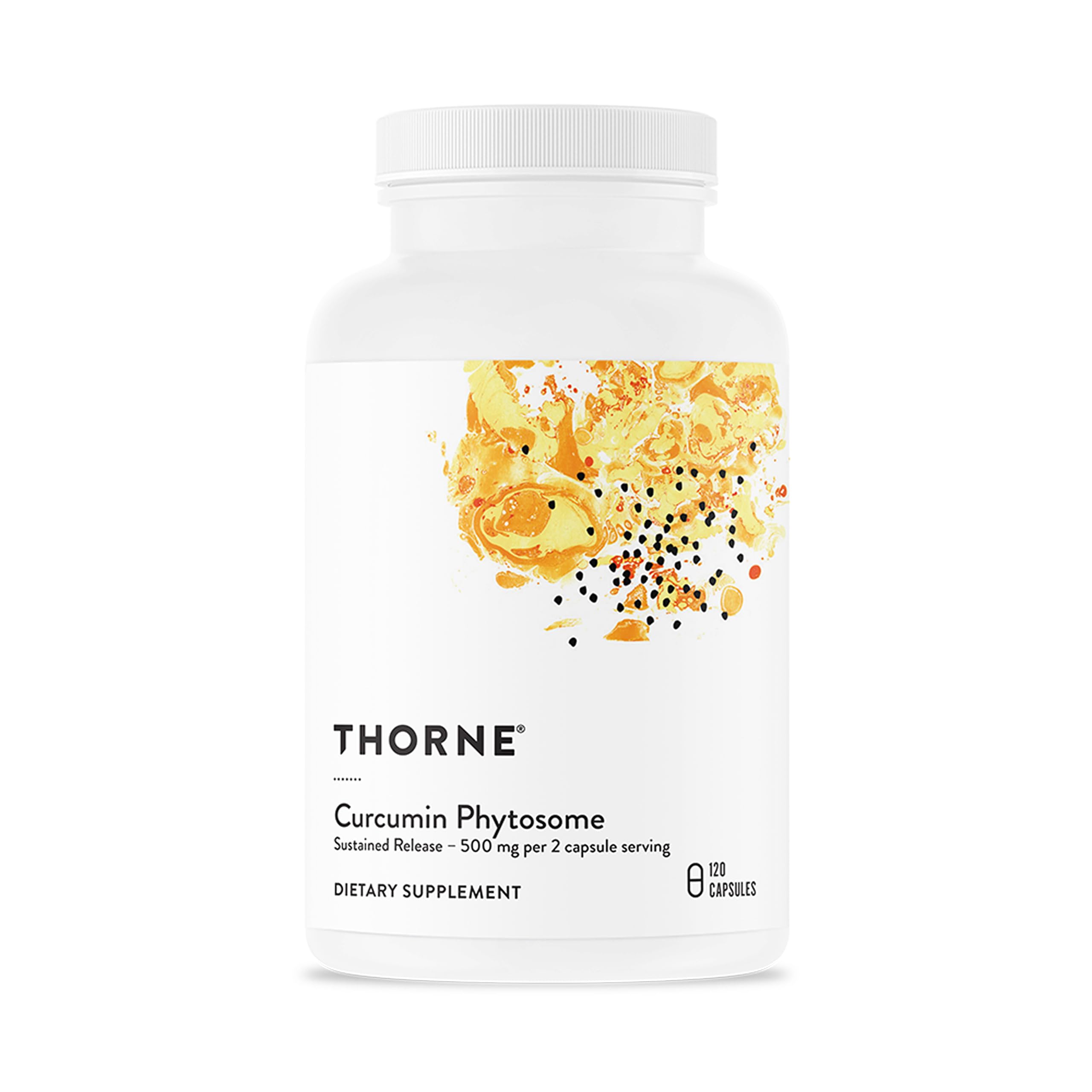
Turmeric/curcumin (moderate evidence): Curcumin, turmeric’s active compound, down‑regulates NF‑κB and COX‑2 pathways involved in inflammation. Meta‑analyses in osteoarthritis show small‑to‑moderate pain reductions (roughly 0.5–1.5 points on a 0–10 scale) and improved function. Typical dose: curcumin extract 500–1000 mg/day with piperine (5–20 mg) or a bioavailability‑enhanced form. Indications: osteoarthritis, tendinopathies, general inflammatory pain. See also our overview of anti‑inflammatory herbs: Herbal Treatments for Inflammation: Evidence‑Based Guide to Turmeric, Boswellia, Ginger & More.
Boswellia serrata (moderate evidence): Inhibits 5‑lipoxygenase; trials in osteoarthritis and inflammatory conditions show small‑to‑moderate benefits for pain and function. Typical dose: standardized extract providing ~100–250 mg AKBA daily or 300–500 mg extract 2–3×/day.
Willow bark (moderate evidence): Provides salicin (a salicylate). RCTs suggest modest pain relief in low back pain and osteoarthritis. Typical dose: standardized to 120–240 mg salicin/day. Avoid with salicylate allergy or anticoagulants (see Safety).
Devil’s claw (Harpagophytum) (emerging–moderate evidence): Some trials show small improvements in back and joint pain at doses of 600–1200 mg/day of extract.
What to expect: For nociceptive pain like osteoarthritis, herbal anti‑inflammatories can produce modest symptom relief and may reduce NSAID needs for some people over 4–12 weeks.
Nutritional Supplements
Omega‑3 fatty acids (EPA/DHA) (moderate evidence): Anti‑inflammatory lipid mediators (resolvins) may reduce joint pain and morning stiffness, particularly in rheumatoid arthritis; benefits in osteoarthritis are smaller but present in some studies. Typical dose: 1–3 g/day combined EPA+DHA with food. Many people find High‑EPA Fish Oil convenient; choose third‑party‑tested products.
Magnesium (moderate evidence for migraine; emerging for fibromyalgia): Involved in NMDA receptor modulation and muscle relaxation. Oral magnesium citrate/glycinate (200–400 mg elemental/day) may cut migraine days by ~1–2/month and help muscle tension; diarrhea can occur.
Vitamin D (emerging–moderate evidence; stronger if deficient): Supports immune and neuromuscular function. Trials show pain improvement mainly in people who are deficient. Typical dose: 1000–2000 IU/day, individualized to serum 25(OH)D levels.
Alpha‑lipoic acid (ALA) (moderate evidence for diabetic neuropathy): Antioxidant that may improve burning/tingling and function at 600 mg/day; effect sizes are small‑to‑moderate over 3–6 months.
Acetyl‑L‑carnitine (ALC) (emerging–moderate for neuropathic pain): Doses of 1000–3000 mg/day in split doses have shown modest improvements in nerve pain in some trials.
SAMe (S‑adenosyl‑L‑methionine) (emerging–moderate for osteoarthritis and mood): May support cartilage and neurotransmitter pathways; some RCTs show OA pain relief comparable to NSAIDs over weeks, with slower onset.
Glucosamine/chondroitin (mixed evidence): Some individuals with knee OA report benefit; overall effect is small and product‑dependent.
What to expect: Supplements tend to have small effect sizes that add up when combined with movement and mind–body work. For neuropathic pain, ALA or ALC plus topical therapies may be more relevant than turmeric.
Topical Options
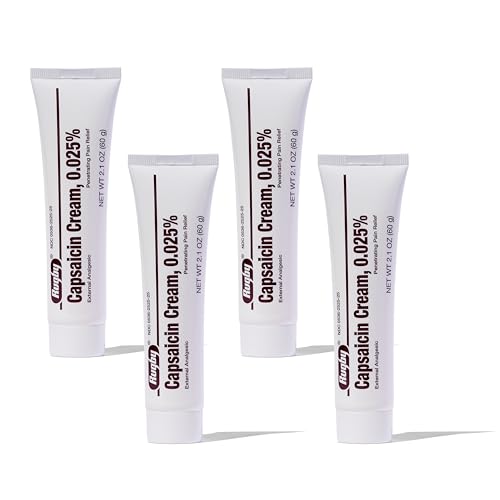
Capsaicin cream 0.025–0.075% (moderate evidence for neuropathic and osteoarthritis pain): Desensitizes TRPV1 receptors on pain fibers. Consistent application 3–4×/day for 6–8 weeks often needed; expect a warm/burning sensation initially. Many people consider a standardized Topical Capsaicin Cream 0.075% to trial this approach.
High‑concentration capsaicin 8% patches (clinic‑administered) (moderate evidence): Useful for post‑herpetic neuralgia and some peripheral neuropathies; performed in medical settings.
CBD topicals (emerging evidence): Small trials suggest potential benefits for peripheral neuropathy and arthritis; product quality varies. CBD may interact with medications if used orally (see Safety). A third‑party‑tested CBD Balm is a common non‑oral option.
Menthol/camphor (traditional–emerging): Provide counter‑irritation and cooling; short‑term relief for muscle and joint pain in some users.
Graded exercise and physical therapy (strong–moderate evidence): Aerobic and strengthening programs reduce pain sensitivity and improve function across back pain, osteoarthritis, and fibromyalgia. Expect small‑to‑moderate improvements over 6–12 weeks; consistency matters more than intensity.
Yoga (moderate evidence): Combines flexibility, strength, and breath regulation; trials in chronic low back pain show small improvements in pain and function at 3–6 months. See also our overview: Chronic Pain and Yoga.
Tai chi and qigong (moderate evidence): Improve balance, proprioception, and relaxation. Studies in knee OA and fibromyalgia report small‑to‑moderate symptom and quality‑of‑life gains.
Manual and Integrative Therapies
Acupuncture (moderate–strong evidence): Large meta‑analyses show acupuncture outperforms sham and usual care for back, neck, osteoarthritis, and headache pain, with small‑to‑moderate effect sizes and durable benefits. Learn more: Chronic Pain and Acupuncture.
Massage therapy (moderate evidence): Short‑term relief for neck/back pain and fibromyalgia; best used alongside exercise and self‑care.
Cognitive behavioral therapy (CBT) (strong evidence for function and distress; moderate for pain): Reframes pain‑related thoughts and behaviors, improves coping, and reduces catastrophizing. Benefits often equal or exceed medications for function.
Mindfulness‑based stress reduction (MBSR) and meditation (moderate evidence): Reduce pain interference, stress, and improve sleep; changes in attention and emotion regulation reduce central sensitization.
Biofeedback and relaxation training (moderate evidence): Especially helpful for migraines, temporomandibular disorder, and muscle tension patterns.
Natural does not always mean risk‑free. Discuss changes with your clinician, especially if you have medical conditions or take medications.
Herb–drug and supplement interactions (not exhaustive):
Turmeric/curcumin: May have mild antiplatelet effects; caution with anticoagulants/antiplatelets and before surgery; may interact with gallbladder disease.
Willow bark: Contains salicylates—avoid with aspirin/salicylate allergy, anticoagulants (warfarin, DOACs), peptic ulcer disease, kidney disease, or in children/teens with viral illness.
Boswellia: Generally well tolerated; theoretical interactions with anti‑inflammatory or anticoagulant drugs—monitor.
Omega‑3s: Mild additive bleeding risk at higher doses; usually safe up to 3 g/day combined EPA+DHA for most adults.
Magnesium: Can cause diarrhea; separate from certain antibiotics and bisphosphonates; caution in significant kidney disease.
Vitamin D: Excess can cause hypercalcemia—monitor 25(OH)D if using higher doses.
Alpha‑lipoic acid: May lower blood sugar—monitor if on diabetes medications; watch for thiamine deficiency in alcohol misuse.
CBD (oral): Inhibits CYP3A4/CYP2C19—may affect levels of anticoagulants, antiepileptics, and other drugs; topicals have lower systemic exposure but data are limited.
General dosing cautions:
Start low, go slow; add one new element at a time so you can gauge effect and side effects.
Give most interventions 6–8 weeks before judging benefit, unless adverse effects occur earlier.
Quality and product selection:
Choose third‑party tested products (USP, NSF, or ConsumerLab) and standardized extracts (e.g., curcumin 95% with piperine; boswellia with defined AKBA content).
Avoid proprietary blends without labeled amounts.
Be cautious with products making cure‑all claims or lacking contact information and batch numbers.
Red flags requiring medical evaluation:
New, severe, or progressively worsening pain; pain with fever, unexplained weight loss, night sweats, or history of cancer.
Neurologic deficits (new weakness, numbness in a saddle distribution, bowel/bladder changes) or suspected cauda equina syndrome—seek urgent care.
Significant trauma, infection risk, or suspected autoimmune flare.
Practical Guidance: Building a Real‑World Integrative Plan
Step 1: Identify your dominant pain mechanism(s)
Nociceptive/inflammatory (e.g., knee OA): Consider curcumin or boswellia; add omega‑3s if diet is low in fish; use topical capsaicin or menthol for flares; prioritize strength and aerobic exercise; explore acupuncture or massage.
Neuropathic (e.g., diabetic neuropathy, sciatica): Consider alpha‑lipoic acid or acetyl‑L‑carnitine; use capsaicin cream consistently; trial CBD topical; pair with nerve‑glide PT and mindfulness for stress modulation.
Centralized (e.g., fibromyalgia, chronic back pain with sensitization, migraines): Emphasize CBT/MBSR, graded aerobic activity, yoga or tai chi; consider magnesium (especially for migraines) and vitamin D if low; acupuncture can help reduce global pain sensitivity.
Step 2: Set measurable goals and track outcomes
Define 2–3 priority outcomes (pain intensity, function, sleep, mood). A 30% improvement is a meaningful win.
Use simple tools weekly: 0–10 pain scores, a 10‑minute walk test, or the PEG scale (Pain, Enjoyment of life, General activity).
Keep a brief diary to spot triggers (sleep loss, stress, inactivity) and helpful patterns.
Osteoarthritis knee focus (12 weeks): Curcumin 500–1000 mg/day; omega‑3 2 g/day; capsaicin cream 0.075% to knee 3×/day; PT‑guided quadriceps/hip strengthening 3×/week; 150 minutes/week of low‑impact cardio; weekly acupuncture for 4–6 sessions, then taper.
Peripheral neuropathy focus (12 weeks): ALA 600 mg/day; capsaicin cream 3–4×/day to painful areas; CBD balm as adjunct; nerve‑glide exercises daily; walking program (start 10 minutes/day, add 5 minutes/week); mindfulness 10 minutes/day.
Central sensitization/fibromyalgia focus (12 weeks): Magnesium glycinate 200–300 mg nightly; vitamin D as indicated; yoga or tai chi 2–3×/week; graded aerobic exercise (RPE 3–4/10); 8‑week MBSR or CBT program; consider acupuncture series.
Step 4: Review and refine every 4–6 weeks
Keep what helps (≥20–30% improvement), adjust dosages, or swap modalities that show minimal benefit.
Coordinate with your primary care clinician, pain specialist, or integrative medicine provider for medication adjustments and safety checks.
Curcumin: 500–1000 mg/day with piperine or bioavailability‑enhanced forms; take with food.
Boswellia: 300–500 mg extract 2–3×/day or standardized to ~100–250 mg AKBA/day.
Willow bark: 120–240 mg salicin/day; avoid with anticoagulants/salicylate allergy.
Omega‑3 (EPA+DHA): 1–3 g/day with meals; check labels for combined content.
Magnesium (glycinate/citrate): 200–400 mg elemental/day; reduce if loose stools.
Vitamin D3: 1000–2000 IU/day or per labs/clinician guidance.
ALA: 600 mg/day; consider thiamine repletion if needed.
ALC: 1000–3000 mg/day in divided doses.
Capsaicin cream 0.025–0.075%: Apply thin layer 3–4×/day for 6–8 weeks; wash hands after use; avoid eyes/mucosa.
CBD topical: Follow product’s mg per application; choose third‑party‑tested brands.
Eastern and Western Perspectives—Working Together
Eastern traditions emphasize restoring balance through movement (tai chi/qigong), herbs, acupuncture, breath, and attention—often addressing the “terrain” (sleep, stress, digestion) that shapes pain sensitivity.
Western medicine contributes diagnostic clarity, safety monitoring, and targeted treatments for inflammation and neuropathic mechanisms.
Integrative care blends both: address inflammation (herbs/omega‑3s), nervous system sensitization (CBT/mindfulness, acupuncture), and biomechanics (PT/exercise) within one coherent plan.
Disclaimer
This article is for educational purposes and does not replace individualized medical advice. Always consult a qualified healthcare professional before starting new supplements or therapies, especially if you are pregnant, nursing, have chronic conditions, or take prescription medications.
This content is for informational purposes only and does not constitute medical advice. Always consult a qualified healthcare provider before starting, stopping, or changing any supplement or medication regimen.
Top Natural Pain Relief Methods: An Evidence‑Based Guide to Herbs, Supplements, and Therapies. If you’re searching for top natural pain relief methods, you’re not alone. Many people want options that reduce discomfort while minimizing side effects from long‑term medication use. This guide blends western research with eastern and traditional practices, clearly noting what’s well‑supported, wha
Holistic Methods for Pain Relief: An Evidence‑Based Guide to Mind‑Body, Manual, Herbal, and Lifestyle Approaches. If you’re looking for holistic methods for pain relief, you’re likely hoping for options that reduce pain without heavy side effects, help you function better, and respect both body and mind. This guide brings together evidence‑based mind–body practices, movement and manual therapies, acupuncture an
Non‑Invasive Treatments for Pain Relief: An Evidence‑Based Guide. If you’re looking for non-invasive treatments for pain relief, you’re not alone. Many people want options that don’t involve surgery or long-term opioid use. This guide bridges western evidence and time‑tested eastern practices to help you understand what works, for which conditions, and how to use
Natural Pain Relief Supplements: Evidence‑Based Options, Dosage & Safety. If you’re searching for natural pain relief supplements, you’re likely weighing which options actually work, how to take them safely, and what to expect. Research suggests certain herbs, nutrients, and topical compounds can modestly reduce pain—especially for osteoarthritis, low back pain, headaches
Herbal Treatments for Inflammation: Evidence‑Based Guide to Turmeric, Boswellia, Ginger & More. If you’re exploring herbal treatments for inflammation, you’re likely looking for options that can reduce pain and swelling without the side effects of long-term NSAID use. Research suggests several herbs and plant compounds may help, especially for osteoarthritis and musculoskeletal pain. This guid
Natural Pain Relief Supplements: An Evidence‑Based Comparison (Turmeric, Boswellia, Fish Oil, CBD & More). Many people search for a natural pain relief supplements comparison because they want options beyond NSAIDs or opioids—ideally with fewer side effects. This guide compares leading supplements head‑to‑head on mechanisms, best uses, dosing, safety, interactions, and how to choose what to try first.
N