Chiropractic for Pain Management: Techniques, Evidence, and Safety
A clear guide to chiropractic pain management techniques—how they work, evidence for back and neck pain, safety, and practical tips to get better results.
·10 min read
This content is for informational purposes only and does not constitute medical advice. Always consult a qualified healthcare provider before starting, stopping, or changing any supplement or medication regimen.
If you’re considering chiropractic care for pain, you may be wondering which pain management techniques in chiropractic actually help, how safe they are, and what to expect. This guide explains core methods chiropractors use, what the research suggests for common conditions, and how to integrate care with your broader health plan.
Scope and goals of chiropractic pain management
Chiropractic is a healthcare discipline focused on the neuromusculoskeletal system. The philosophy blends hands-on care with the idea that improving joint motion and nervous-system signaling can reduce pain, restore function, and support the body’s capacity to self-heal. In practice, chiropractors use assessment, manual techniques, exercise, and lifestyle guidance to help with conditions such as:
Low back pain (acute and chronic)
Neck pain
Headaches (tension-type and cervicogenic; migraine support varies by individual)
Sciatica and radicular leg pain
Joint pain in the shoulder, hip, and knees; mid-back stiffness
Improving movement patterns and function for daily life or sport
Reducing recurrence through strength, flexibility, posture, and ergonomics
A typical patient care pathway includes:
History and exam: understanding your symptoms, aggravating/relieving factors, red flags, and functional limitations. Orthopedic and neurologic tests help localize the source of pain.
Working diagnosis and shared goals: e.g., “acute mechanical low back pain” with a target to return to work and lift without pain.
Care plan: manual therapy plus exercise and self-care. Imaging (X-ray/MRI) is used selectively when it will change management or when red flags are present.
Reassessment: progress is reviewed after several visits to adjust the plan, coordinate with other clinicians if needed, or refer for additional workup when indicated.
Pain management techniques in chiropractic
Chiropractors use a spectrum of techniques, from high-velocity adjustments to gentle mobilization and targeted soft-tissue work. The choice depends on your presentation, preferences, and any health considerations.
What it is: A quick, precise thrust to a specific joint. You may hear a “pop,” which is gas releasing from the joint (cavitation), not bones “realigning.”
Why it may help: Research suggests HVLA can reduce pain by stimulating joint and muscle receptors, modulating spinal cord processing of pain (gate-control theory), decreasing muscle guarding, and improving range of motion.
Common uses: Acute and subacute low back pain, neck pain, some headaches, and mid-back stiffness.
Joint mobilization (low-velocity, graded)
What it is: Slower, rhythmic movements that “glide” a joint through restricted ranges without a thrust.
Why it may help: Mobilization is often better tolerated during acute flares or in sensitive individuals, gradually restoring motion and reducing pain sensitivity.
Instrument-assisted and low-force methods (Activator, drop technique)
Activator: A handheld spring-loaded device delivers a gentle impulse to targeted areas. Useful when a low-force approach is preferred (e.g., osteoporosis risk, post-surgical areas, patient preference).
Drop-table technique: Sections of the treatment table drop a small distance during a gentle thrust to reduce force and improve comfort.
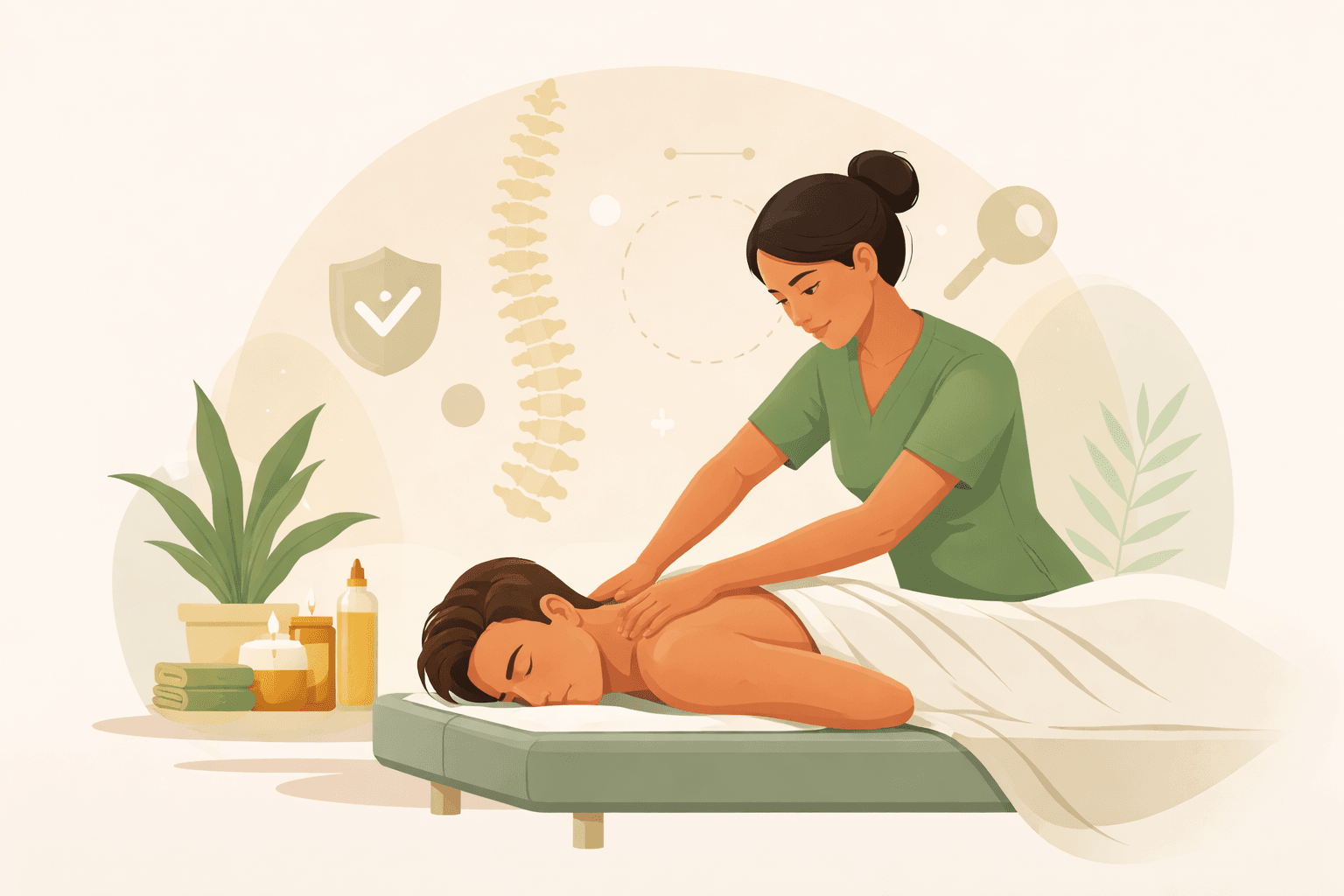
Soft-tissue therapies and myofascial release
Trigger point therapy, myofascial release, and muscle energy techniques address tight or overactive muscles and fascia. Mechanistically, they may improve local circulation, reduce nociceptive input from tender points, and restore normal muscle tone.
Instrument-assisted soft-tissue mobilization (IASTM): Specialized tools help treat scar tissue, tendinopathies, and myofascial restrictions.
Flexion-distraction (Cox technique)
A gentle, traction-like technique on a segmented table that flexes and decompresses the spine.
Why it may help: Emerging evidence suggests it can reduce intradiscal pressure, widen spinal canals/foramina, and ease nerve irritation in conditions like disc bulges and facet joint pain.
Therapeutic exercise and rehabilitation
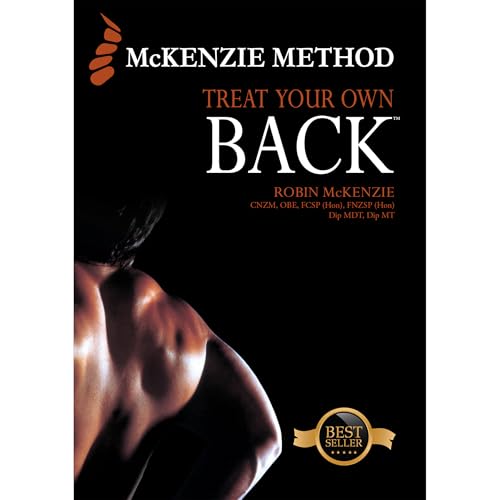
Core stabilization, McKenzie/directional preference movements, cervical and scapular strengthening, hip mobility, and balance training.
Why it matters: Exercise is a cornerstone of durable pain relief. It builds tissue capacity, corrects movement faults, and supports long-term function. Many chiropractors prescribe progressive, at-home routines and re-test outcomes to guide progress.
Commonly paired modalities
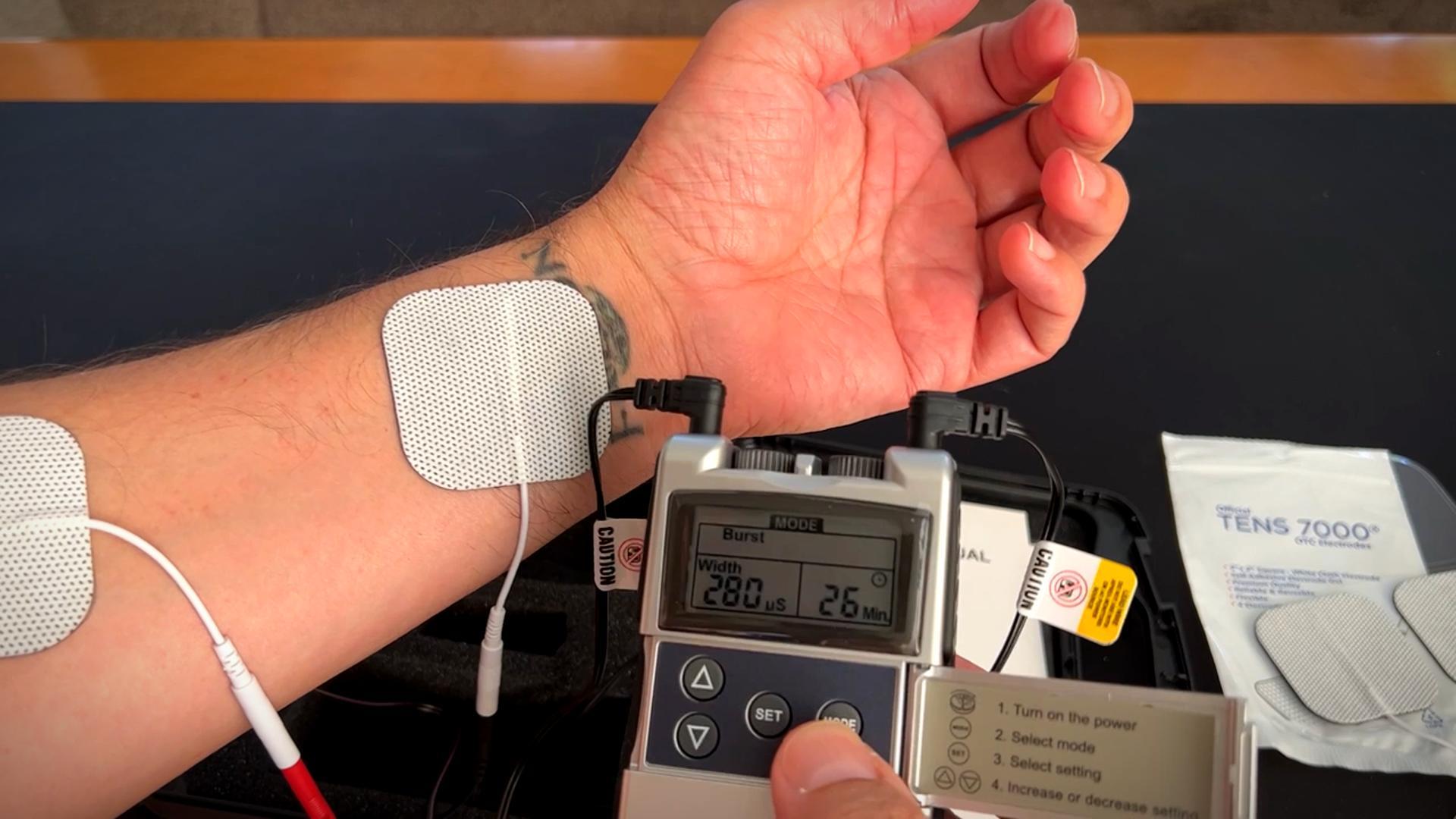
TENS (transcutaneous electrical nerve stimulation): Provides short-term analgesia via sensory gating; helpful as an adjunct for some people.
Therapeutic ultrasound and low-level laser: Evidence is mixed; may be used selectively for soft-tissue conditions.
Heat/ice: Simple, low-risk tools to modulate pain and stiffness. Heat often helps chronic tightness; ice can calm acute irritation.
Kinesiology taping and bracing: Proprioceptive cueing and light support during activity.
We classify evidence levels as: strong (multiple randomized controlled trials and meta-analyses), moderate (limited RCTs or consistent observational data), emerging (early or mixed findings), and traditional (historical use without modern trials).
Acute and subacute mechanical low back pain: strong to moderate evidence that spinal manipulation provides small-to-moderate short-term improvements in pain and function compared with usual care, sham, or other therapies. Several clinical guidelines include manipulation as a first-line non-pharmacologic option.
Chronic low back pain: moderate evidence for modest improvements, especially when manipulation is combined with exercise and education. Benefits tend to accrue over weeks and are best maintained with ongoing activity and conditioning.
Neck pain
Mechanical neck pain: moderate evidence for short-term pain and function improvements with manipulation or mobilization, particularly when paired with exercise. Some people prefer low-force options or mobilization during acute flares.
Headaches
Tension-type and cervicogenic headaches: moderate evidence suggests cervical manipulation/mobilization and targeted exercise can reduce frequency and intensity for some patients. For migraine, evidence is mixed and considered emerging to moderate, with individual variability; see our overview of Migraine and Chiropractic Care.
Sciatica and radicular pain
Evidence is mixed and condition-specific. Some trials suggest benefits of manipulation or flexion-distraction for disc-related leg pain, but responses vary. Combining manual therapy with directional exercises and activity modification may improve outcomes. Explore details in Sciatica and Chiropractic Care.
Extremity and other conditions
Shoulder, hip, and knee pain: emerging to moderate evidence for manual therapy plus exercise, with outcomes influenced by the specific diagnosis (e.g., subacromial pain vs. adhesive capsulitis).
Overall evidence level for pain management in chiropractic: moderate. Research supports chiropractic as a reasonable non-drug option for many musculoskeletal pains, especially back and neck pain, with the strongest data for short-term relief. Effects are generally modest and improve when paired with exercise and self-care.
Safety considerations
Common, mild, short-lasting effects: temporary soreness, stiffness, fatigue, or a transient headache after manipulation or soft-tissue work.
Rare but serious risks: nerve injury, worsening disc herniation/radiculopathy, or—in the cervical spine—vascular events. The absolute risk appears very low; estimates vary due to methodological challenges. Current best practice is to screen for risk factors and symptoms that suggest vascular or neurologic compromise.
Contraindications and precautions: suspected fracture, severe osteoporosis, active infection, malignancy involving the spine, spinal instability, progressive neurologic deficits, severe unremitting night pain, new bowel/bladder dysfunction or saddle anesthesia, bleeding disorders/anticoagulation (relative), and known vascular disease requiring caution with neck manipulations.
Red flags requiring medical workup or referral:
Major trauma, unexplained weight loss, history of cancer, fever/chills or immunosuppression, IV drug use, severe or progressive neurologic deficits, new changes in bowel/bladder control, saddle anesthesia, or sudden severe headache/neck pain with neurologic symptoms.
Realistic expectations
Acute pain (days to weeks): many people notice relief within 1–4 visits; plans often span 2–4 weeks with home exercises and activity guidance.
Subacute/chronic pain (weeks to months): improvements are usually incremental and best achieved with a multimodal approach. Expect focus on strength, mobility, ergonomics, and stress/sleep. Maintenance care is a personal choice; evidence suggests it may help some patients with recurrent low back pain when combined with active self-management.
Multimodal care and practical patient guidance
Chiropractors often combine manual therapy with exercise, education, and lifestyle changes—an approach aligned with both modern pain science and traditional, hands-on healing philosophies.
How plans are tailored
Assessment: Identify pain drivers (joint restriction, muscle imbalance, sensitization, workload errors) and patient goals (lifting kids comfortably, playing 18 holes pain-free, working a full shift).
Shared decision-making: Discuss technique options (thrust vs. mobilization vs. low-force), frequency, and home care. Patient preference and comfort guide technique selection.
Progress metrics: Track meaningful outcomes—walking time, sleep quality, pain with sit-to-stand, neck rotation for driving—rather than pain alone.
Self-care strategies that amplify results
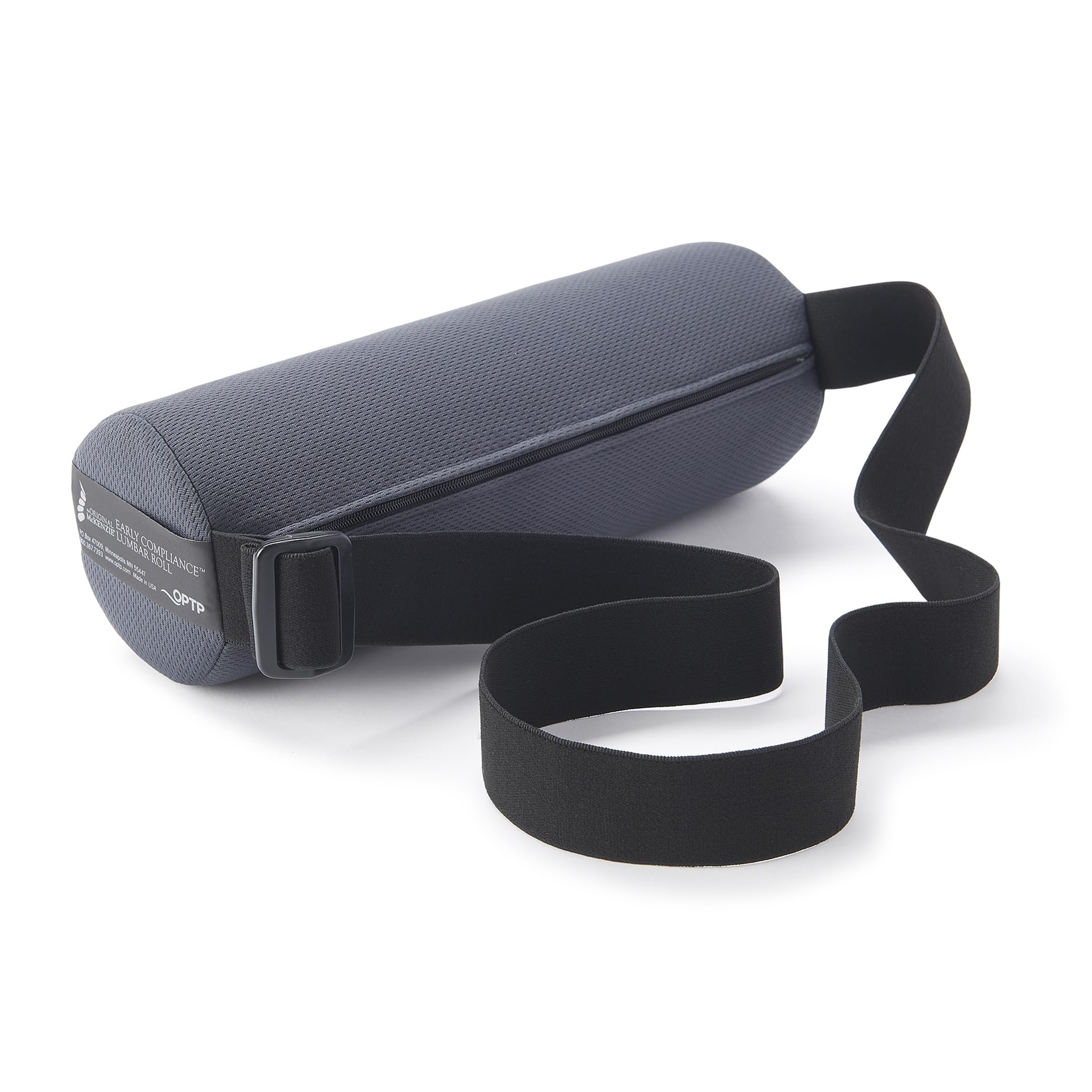
Posture and ergonomics: Break up sitting every 30–45 minutes; adjust chair height, monitor distance, and foot support. Many desk workers benefit from an Adjustable Laptop Stand or Lumbar Support Cushion to reduce strain.
Targeted exercise: Daily mobility work (hip hinges, thoracic extension), 2–3 weekly strength sessions (glutes, core, mid-back), and directional preference movements if they reliably reduce symptoms.
Sleep: Side-lying with a pillow between knees for low back pain; neutral neck alignment for cervical pain. Aim for 7–9 hours; poor sleep amplifies pain sensitivity.
Stress management: Breathing drills, mindfulness, and graded exposure to feared movements can calm the nervous system’s “volume knob” on pain. Some individuals find acupuncture a helpful adjunct; see Chronic Pain and Acupuncture.
Thoughtful use of adjuncts: Heat for stiffness; brief ice for acute flares; occasional TENS for short-term relief. When considering supplements for general inflammation support, research is mixed—our guide to options like turmeric, fish oil, and magnesium can help you weigh pros and cons: Natural Pain Relief Supplements: An Evidence‑Based Comparison (Turmeric, Boswellia, Fish Oil, CBD & More). If you explore supplements, a simple choice like Magnesium Glycinate is often used for muscle relaxation—evidence varies and individual responses differ.
Frequency: Often 1–2 visits per week for 2–4 weeks, adjusted to response and goals. Chronic or complex cases may require a longer ramp-up with more emphasis on exercise progression.
Duration: 15–30 minutes for focused visits; longer for evaluations or sessions emphasizing rehab.
Insurance: Many plans cover chiropractic visits with copays and visit caps. Ask about coverage, pre-authorizations, and whether your plan requires referrals. Flexible spending and HSA funds often apply to visits and certain home tools (e.g., TENS devices).
Choosing a chiropractor
Look for clinicians who:
Take a thorough history, screen for red flags, and explain your diagnosis in plain language
Offer a range of techniques and adapt to your preferences (thrust, mobilization, low-force, soft tissue, rehab)
Emphasize exercise, self-management, and return to function—not just passive care
Use imaging judiciously and collaborate with your primary care provider when needed
Avoid pressure to sign long, prepaid contracts; instead, review progress and adjust plans
Have post-graduate training relevant to your needs (e.g., sports rehab, headaches, pregnancy care)
Practical takeaways
Chiropractic offers several pain management techniques—manipulation, mobilization, soft-tissue work, flexion-distraction, and targeted exercise—that can help many people with back, neck, and some headache-related pain.
Evidence is strongest for short-term improvements in acute and subacute low back pain and moderate for neck pain and certain headaches. Results improve when care is combined with exercise and lifestyle strategies.
Safety is favorable for most people; mild soreness is common and short-lived. Chiropractors should screen carefully for rare but serious risks and refer when red flags are present.
Clarify your goals, track functional outcomes, and commit to home exercises. Consider thoughtful adjuncts like TENS, heat/ice, and ergonomic upgrades; supplements may help some individuals but should be chosen carefully.
This information is for educational purposes and should not replace personalized medical advice. If you have severe or worsening symptoms, red flags, or complex medical conditions, consult a qualified healthcare professional promptly.
This content is for informational purposes only and does not constitute medical advice. Always consult a qualified healthcare provider before starting, stopping, or changing any supplement or medication regimen.
Chiropractic Care. . ## Overview
**Chiropractic care** is a hands-on health discipline most commonly associated with the assessment and management of **musculoskeletal complaints**, especially back pain, neck pain, and some forms of headache. Although it is often grouped within complementary and integrative health, chi
Non‑Invasive Treatments for Pain Relief: An Evidence‑Based Guide. If you’re looking for non-invasive treatments for pain relief, you’re not alone. Many people want options that don’t involve surgery or long-term opioid use. This guide bridges western evidence and time‑tested eastern practices to help you understand what works, for which conditions, and how to use
Best Chiropractic Care in San Diego: Top Clinics, How to Choose, and What to Expect. If you’re searching for the best chiropractic care in San Diego, you’re likely dealing with back or neck pain, sciatica, headaches, or a sports tweak that just won’t quit. This guide pulls together what the research says, how to evaluate quality, how care typically works in San Diego, and practical
Holistic Methods for Pain Relief: An Evidence‑Based Guide to Mind‑Body, Manual, Herbal, and Lifestyle Approaches. If you’re looking for holistic methods for pain relief, you’re likely hoping for options that reduce pain without heavy side effects, help you function better, and respect both body and mind. This guide brings together evidence‑based mind–body practices, movement and manual therapies, acupuncture an
Natural Treatments for Chronic Pain: An Evidence‑Based Guide to Herbs, Supplements, and Integrative Therapies. If you live with persistent pain, you may be searching for natural treatments for chronic pain that actually help without heavy side effects. Research suggests that an integrative plan—combining targeted herbs and supplements, movement, hands‑on therapies, and mind–body strategies—can reduce pain in
Top Natural Pain Relief Methods: An Evidence‑Based Guide to Herbs, Supplements, and Therapies. If you’re searching for top natural pain relief methods, you’re not alone. Many people want options that reduce discomfort while minimizing side effects from long‑term medication use. This guide blends western research with eastern and traditional practices, clearly noting what’s well‑supported, wha